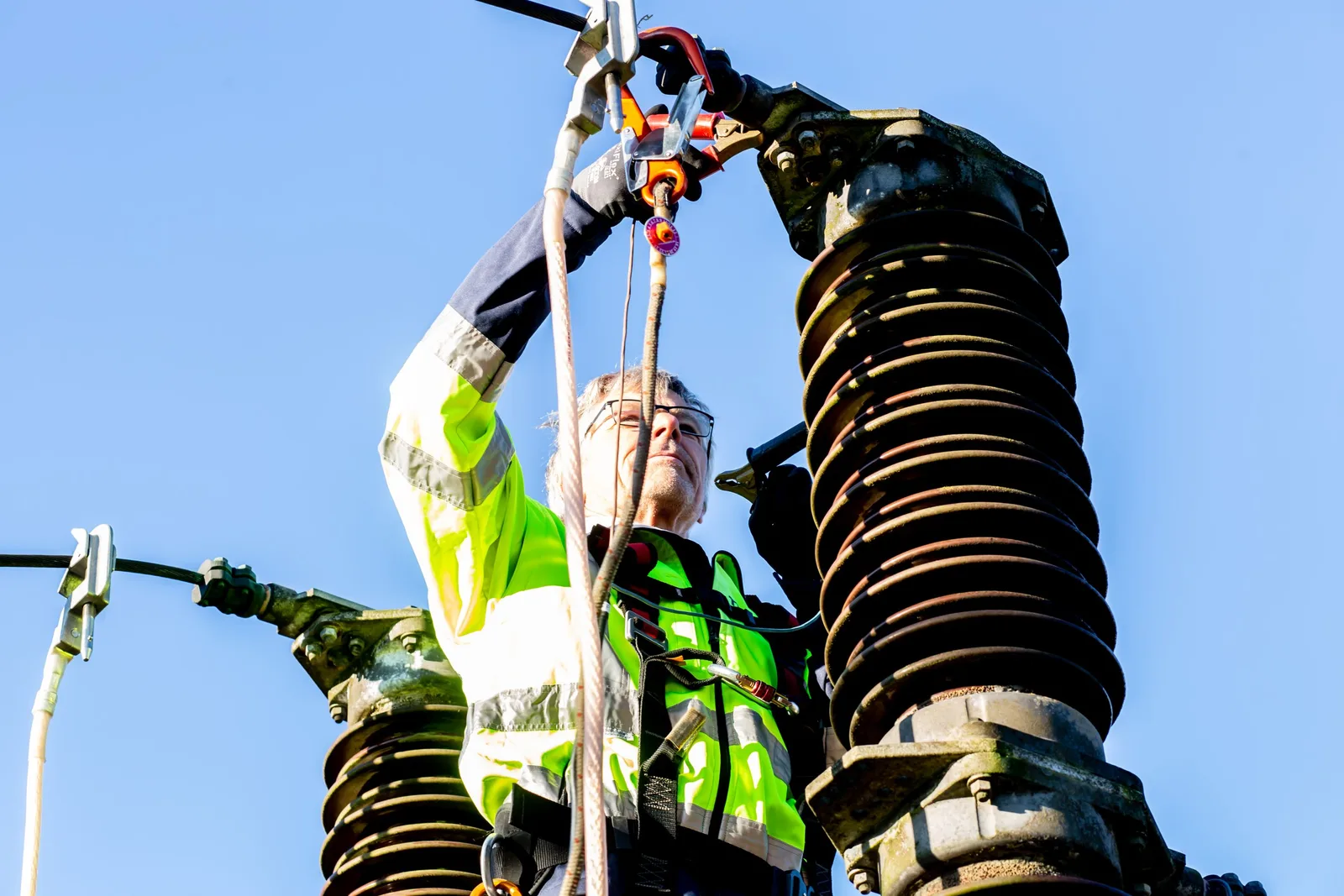


Martin
Founder, strategy and audits
Writes every audit and takes every first call. On your account from day one, running growth for SMEs since 2010.
A visitor on your site is either worried about a fault or weighing up a bigger job. They want to know you are real, registered and close by, and then they want to reach someone. A website built around those questions turns visits into calls. We design it, build it and test it, and we do not promise lead numbers.
For electrical contractors who need a site that shows credentials at once, explains each job and makes calling or sending a switchboard photo easy on a phone.
Context from how your customers search, compare and book.
Visitors arrive in two moods. One is stressed, standing near a dead socket or a smell of burning, and needs a number now. The other is calm, comparing three firms for a charger or a rewire. A good site serves both from the first screen: a tappable phone number and a clear route to the job pages.
Credentials are the heart of the page. People look for your registration number, proof of insurance, the standards you work to and how long the firm has operated. These belong near the top and in the footer, in plain type, not buried under a menu or hidden in an image.
Job pages should explain, not just sell. A rewire page can say how much of the house is opened up, how long power is off and what the inspection involves. A charger page can cover home wiring checks, load, permits and what to prepare. Clear detail brings better quote requests.
Proof beats adjectives. Photos of real boards, finished chargers, tidy cable runs and your team on site show standards without a claim. Short customer quotes about punctuality, clean-up and explaining the fault add comfort. Your reviews sit beside the form, where someone decides whether to send it.
A clear, repeatable process built around how electrical customers search and decide.

We list the jobs you want, the proof you hold and the questions customers ask on the phone. We review your current site for speed, clarity and broken forms. From this we draw a page plan that puts credentials and the most profitable jobs first.

We sketch page layouts for the home page, each job type and each service area. Wording is plain and specific, written with your electrician so the technical detail holds up. Every page has one clear next step: call, request a visit or send a photo.

We gather job photos, certificates you are happy to show and short customer comments, then place them where visitors hesitate. Galleries are grouped by job type, so someone interested in a switchboard upgrade sees boards, not lighting.

We build a short quote form with a photo upload, a click-to-call button and a text-us option if you want one. Every route reports to tracking that records page, job type and source, so you can see which part of the site earns its keep.

We test on real phones, slow connections and common browsers, check every form delivers to the right inbox and confirm old addresses redirect. You approve the final site before launch, and we watch it closely for the first weeks afterward.
Pages that make it easy to understand the offer and take the next step
The mechanics behind Web Design for electrical, explained plainly.
Most visits come from a phone. We size images for small screens, load fonts and scripts lightly and keep the layout steady while it loads. The click-to-call button stays within thumb reach, and forms are easy to fill in with one hand.
Forms ask for job type, area and a photo of the switchboard or fault, with an optional note about urgency. Fault requests are marked clearly and alert your phone. Confirmation screens tell the customer what happens next and how soon to expect a reply.
Each job page has a clear title, a heading that matches how people search and markup for the business, services and common questions. Internal links connect jobs, areas and proof pages. Redirects keep old addresses working so earlier links and listings are not lost.
Electrical web design starts at $2,000. Scope depends on how many pages and features you need, and we agree it with you after seeing your current site.
What's included
The pages customers need to decide, laid out for phones first, with proof and a clear next step.
Forms and call buttons that work on every phone, with each request tracked to its source.
Image, speed and mobile checks before launch, and a short list of fixes afterwards.
Larger builds, such as online shops or booking systems, are scoped after discovery. Talk to us for a fit.
A new site takes planning and your input on credentials and photos. Gains come from clearer pages and better forms, and they build as the site is used.
We gather credentials, photos and job details, agree the page plan and set up tracking. You answer questions about work you take and refuse. This groundwork keeps rebuilds and delays to a minimum.
Pages are written, built and reviewed. You see a working preview on a phone, check the technical wording and test the forms. We fix issues, finish speed work and launch once you approve.
We read the call and form data, improve weak pages, add photos from new jobs and extend into areas or services you add. Search visits grow gradually and are not guaranteed.
Our team
Martin writes every audit and takes the first call. The same team stays on the account. 160+ businesses since 2010.
Founder, strategy and audits
Writes every audit and takes every first call. On your account from day one, running growth for SMEs since 2010.

Social and app development
Shapes social strategy and builds practical app experiences that turn attention into action.

SEO
Owns technical, local and content SEO so the right buyers find you when demand is highest.

Paid media
Plans and manages paid search and social campaigns around qualified leads.

Analytics
Connects tracking, attribution and reporting so decisions are based on revenue-quality data.

Design
Creates clear brand and conversion-focused design across landing pages, campaigns and product experiences.
Certified and experienced
Verified platform knowledge, 25+ years of hands-on experience, and an operating track record since 2010.
Get a free audit and we will show you where you are losing inquiries today.
Get a Free Audit arrow_forward