

Martin
Founder, strategy and audits
Writes every audit and takes every first call. On your account from day one, running growth for SMEs since 2010.
Your website is the portfolio a seller or agent opens after hearing your name. If the gallery is slow, the rooms look the same or the request form is long, they go to the next stager. We design and build a site where finished rooms load fast, the services are clear and booking a walkthrough takes a minute.
For stagers and styling studios who need a site that shows finished rooms quickly, explains vacant and occupied work and turns visitors into booked consults.
Context from how your customers search, compare and book.
A seller opens your site with a question in mind: will this make my home look better, and can they do it before photos? The top of the page should answer by showing a finished room, naming what you stage and giving a way to ask for a walkthrough. Abstract talk about style belongs further down.
Agents visit with a different task. They want to know your service area, how quickly you can install, how you handle keys and access, and whether you work to the photographer's schedule. A short agent page with those answers saves a phone call and shows you understand how a listing runs.
Galleries are the heart of the site, and also the biggest risk. Large photos can make a page crawl on a phone. Rooms should be grouped by type, such as living, kitchen, bedroom and outdoor areas, and by vacant or occupied. Each should say what was added and what was left alone.
Packages need care. Sellers are nervous about cost and scope, so the site should explain what a consult covers, what a full furnish includes and how rental terms work. Prices appear only if you want them there, and the site makes the next step simple either way.
A clear, repeatable process built around how home staging and styling customers search and decide.

We review your current site and photo library, then choose which installs lead. We list the pages needed: vacant staging, occupied styling, consults, display suites, agent supply, galleries and contact. You approve the plan before design begins.

We design a layout where the first screen shows a finished room, the services you stage and a request button. Galleries are grouped by home type and room. Layout is designed for phones first, since many sellers browse while on a break or in transit.

We write plain package pages, with prices only if you want them shown. The request form asks for name, phone, address area, likely listing date and whether the home is empty. Agent and seller quotes sit near the form, used only with permission.

We build the site, compress photos, test sliders and forms on common phones and fix anything that drags. Before launch we send test requests through every form and number to confirm they reach the right person.

We set up call and form tracking, redirect old addresses and teach your team to add new installs to the gallery. After launch we check speed and forms, then review which pages and galleries lead to booked consults.
Pages that make it easy to understand the offer and take the next step
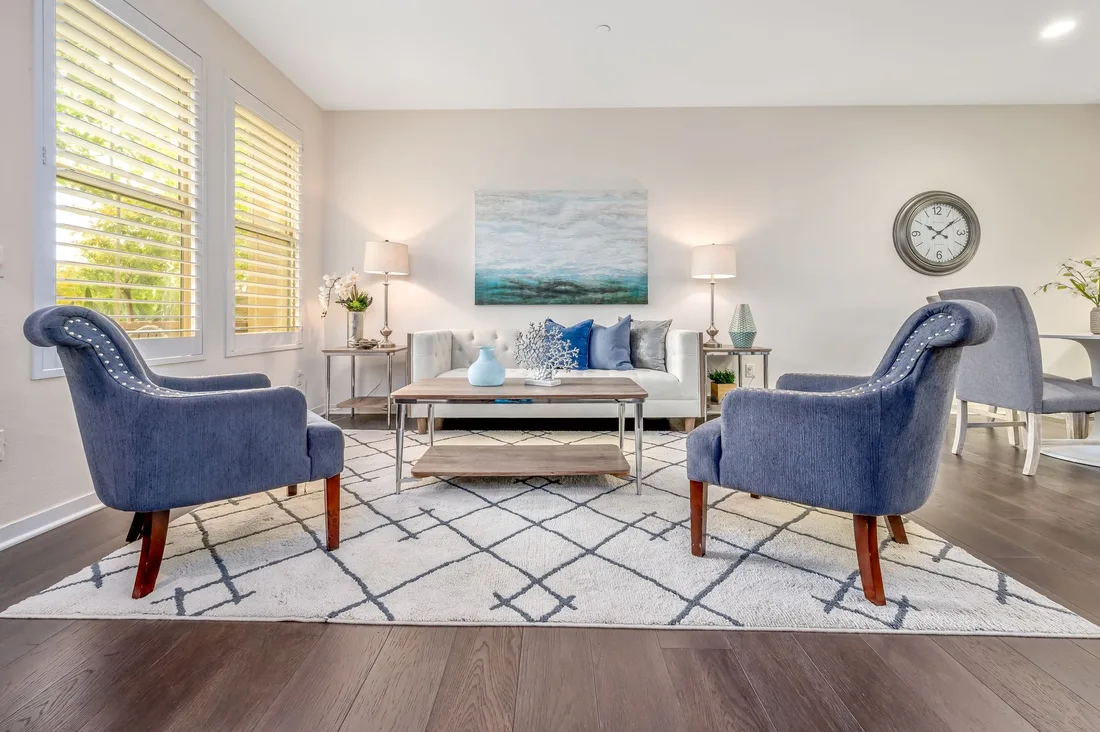
The mechanics behind Web Design for home staging and styling, explained plainly.
We resize every image for the screen it appears on, serve modern file types and load galleries as the visitor scrolls. Before-and-after sliders use small files. The result is a gallery that opens fast on a phone while rooms still show true tones and texture.
Requests go to email, text and your customer record system at once, with the source page attached. We add spam protection that does not make a seller solve puzzles. Test requests are sent before launch and again after any change to the form.
New installs are added through a simple form instead of a developer. Each project gets alt text for search and accessibility. Analytics events record gallery views, form starts and calls, so you can see which projects bring consults.
Home Staging and Styling web design starts at $2,000. Scope depends on how many pages and features you need, and we agree it with you after seeing your current site.
What's included
The pages customers need to decide, laid out for phones first, with proof and a clear next step.
Forms and call buttons that work on every phone, with each request tracked to its source.
Image, speed and mobile checks before launch, and a short list of fixes afterwards.
Larger builds, such as online shops or booking systems, are scoped after discovery. Talk to us for a fit.
A good site is built around your best work, so the first weeks are about gathering photos and settling the page plan before any design is shown.
We audit the current site, collect photos and agree the page plan, services and forms with you. Tracking needs are listed too, so nothing is missed on launch day.
Designs and drafts are shared, galleries and forms are built and tested on phones, and you review the copy. The site goes live once forms, numbers and redirects are checked.
We watch visits, form completion and booked consults. New installs are added, weak pages are improved and speed is rechecked. A site is never finished, but it should keep getting better.
Our team
Martin writes every audit and takes the first call. The same team stays on the account. 160+ businesses since 2010.
Founder, strategy and audits
Writes every audit and takes every first call. On your account from day one, running growth for SMEs since 2010.

Social and app development
Shapes social strategy and builds practical app experiences that turn attention into action.

SEO
Owns technical, local and content SEO so the right buyers find you when demand is highest.

Paid media
Plans and manages paid search and social campaigns around qualified leads.

Analytics
Connects tracking, attribution and reporting so decisions are based on revenue-quality data.

Design
Creates clear brand and conversion-focused design across landing pages, campaigns and product experiences.
Certified and experienced
Verified platform knowledge, 25+ years of hands-on experience, and an operating track record since 2010.
Get a free audit and we will show you where you are losing inquiries today.
Get a Free Audit arrow_forward