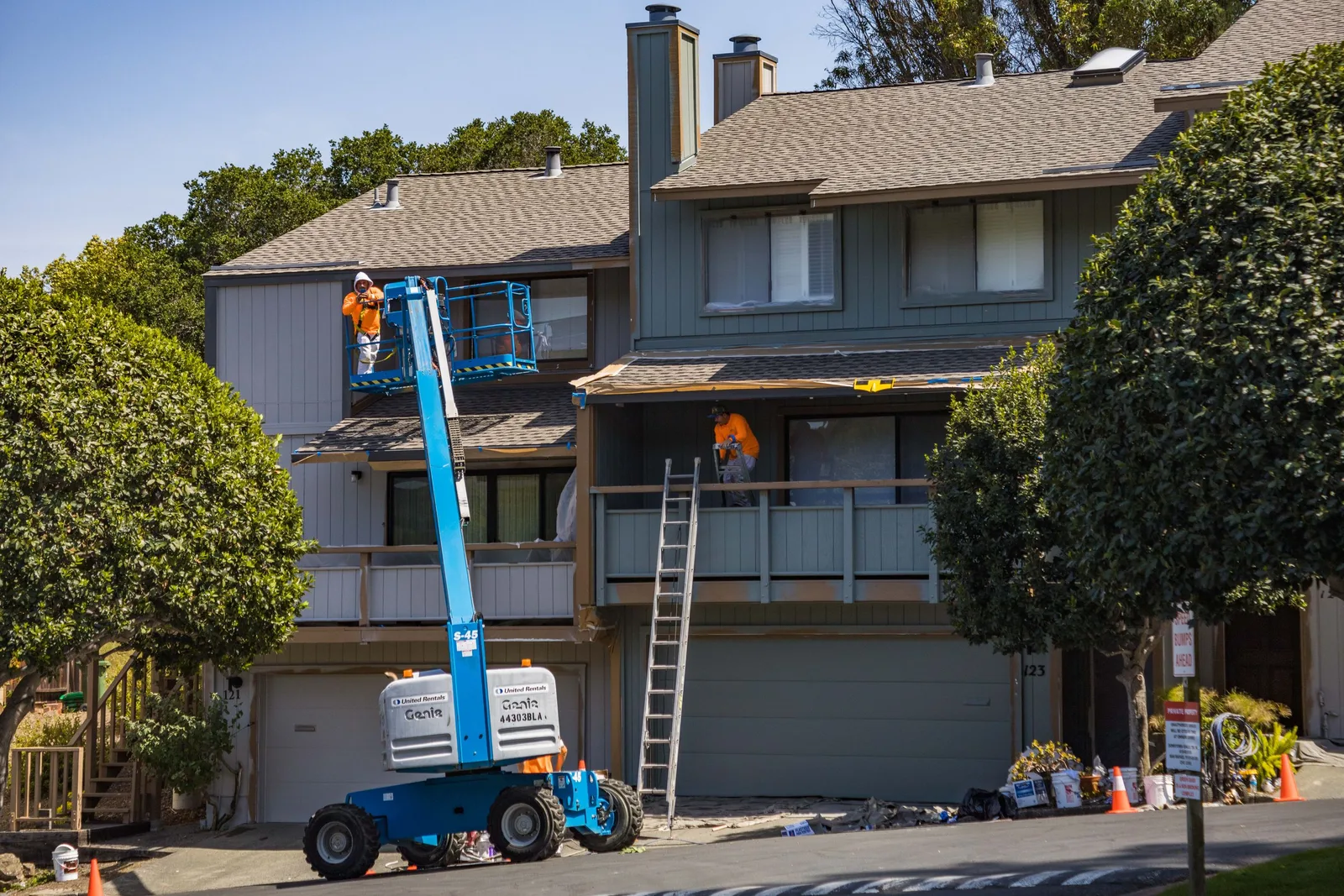

Martin
Founder, strategy and audits
Writes every audit and takes every first call. On your account from day one, running growth for SMEs since 2010.
An owner standing in the street looking at a stained wall wants a straight answer: can this company fix a house like mine, and how do I ask for an assessment. Your site should give that answer on the first screen. We build it around finished houses, make it quick on phones and set it up to show which visits became estimates.
For siding and exterior cladding companies that want a site built around finished houses, with a simple material guide, a calm storm page and an estimate form that accepts pictures.
Context from how your customers search, compare and book.
Most visitors have one of three starting points: storm damage, rot or peeling, or a house that looks dated. The opening screen should let them pick theirs in a tap, then lead to a page that speaks to that worry. A long company history before any of that loses people who came with a problem.
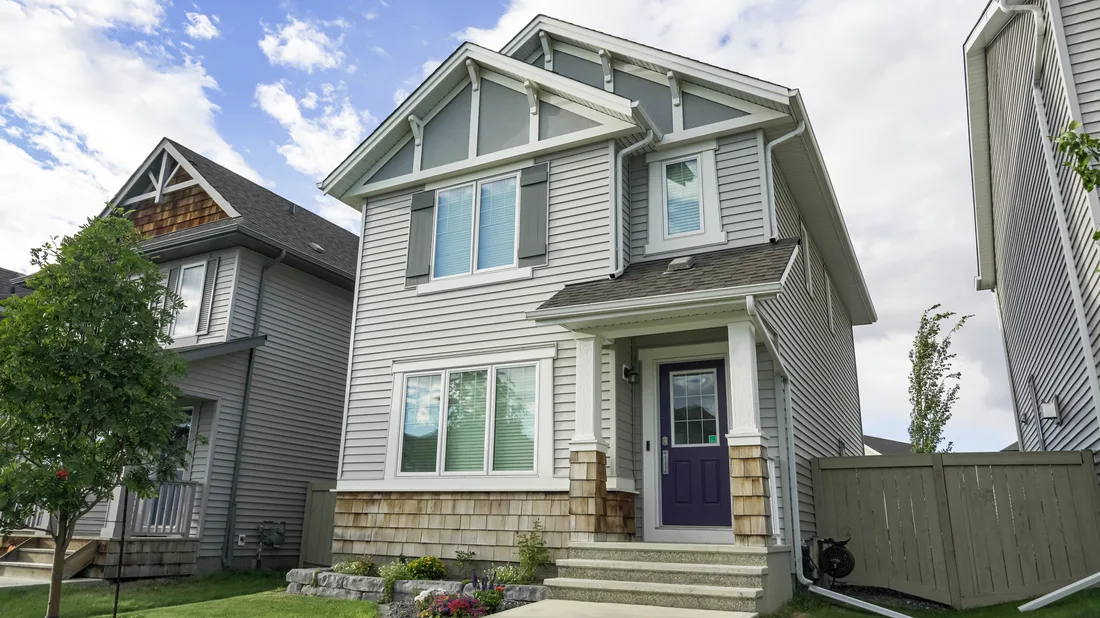
A finished-house portfolio is the strongest proof, though only when it is easy to use. Each project needs a wide shot of the front, a note on the material, the style of home and the town, and ideally a before picture. Visitors then spot a house like theirs and imagine the result.
The decision between materials worries many owners. A short guide that sets vinyl, cement board, timber, metal and composite side by side on upkeep, durability and look, with a plain line on where each one suits, helps them talk to your estimator as an informed buyer instead of a nervous one.
The assessment request should feel small. Owners are unsure what a visit involves, so a clear outline of who comes, what is measured and what they receive afterwards removes the fear. A short form with photo upload and a choice of visit windows then converts interest into a booked estimate.
A clear, repeatable process built around how siding and exterior cladding customers search and decide.
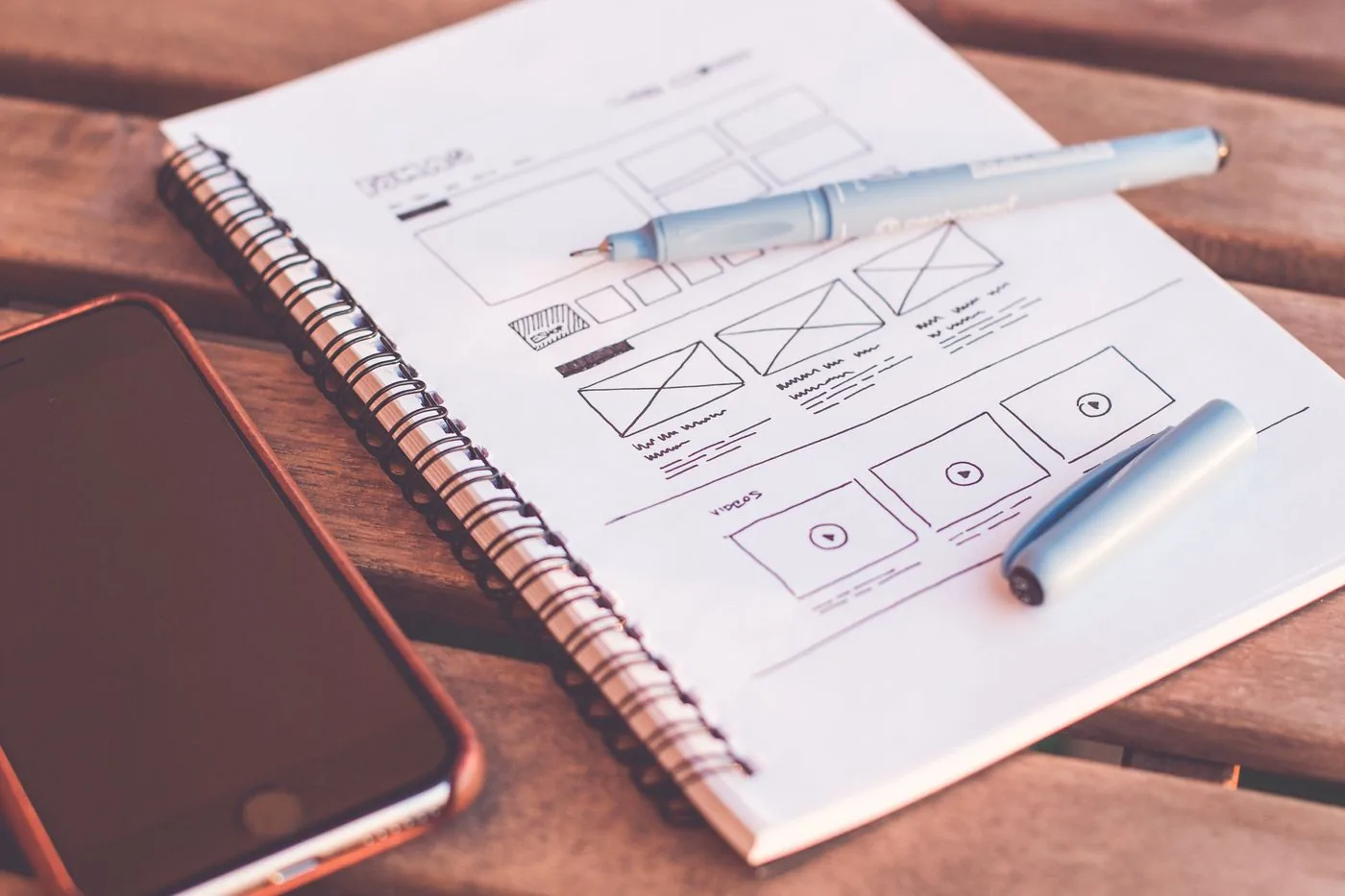
We list the pages needed: home, one for each trigger, a page per material, house styles, partial versus full replacement, commercial buildings, areas served, reviews and contact. You see a simple sketch of how an owner moves through them before any design is drawn.

The opening view carries a hero photo of a finished house, a short promise, a phone button and three tiles for storm, rot or peeling and update. Each tile opens a page written for that worry, with the assessment request one tap away.

We work with your crews to collect front elevations, corner details and before pictures. Each project receives a caption with material, house style and town, and nothing is shown without the owner's agreement. Reviews that mention tidy sites sit beside the gallery.

Plain guides on materials, weather barriers, trim and warranty are checked by your estimators, and warranty wording is used exactly as given. A short outline explains what happens at an assessment, how long it takes and what the owner receives afterwards.

The estimate form, the commercial form and call tracking are built and tested on several phones and weak connections. After launch we watch where visitors drop out, adjust one step at a time and send you a short note each month.
Pages that make it easy to understand the offer and take the next step
The mechanics behind Web Design for siding and exterior cladding, explained plainly.
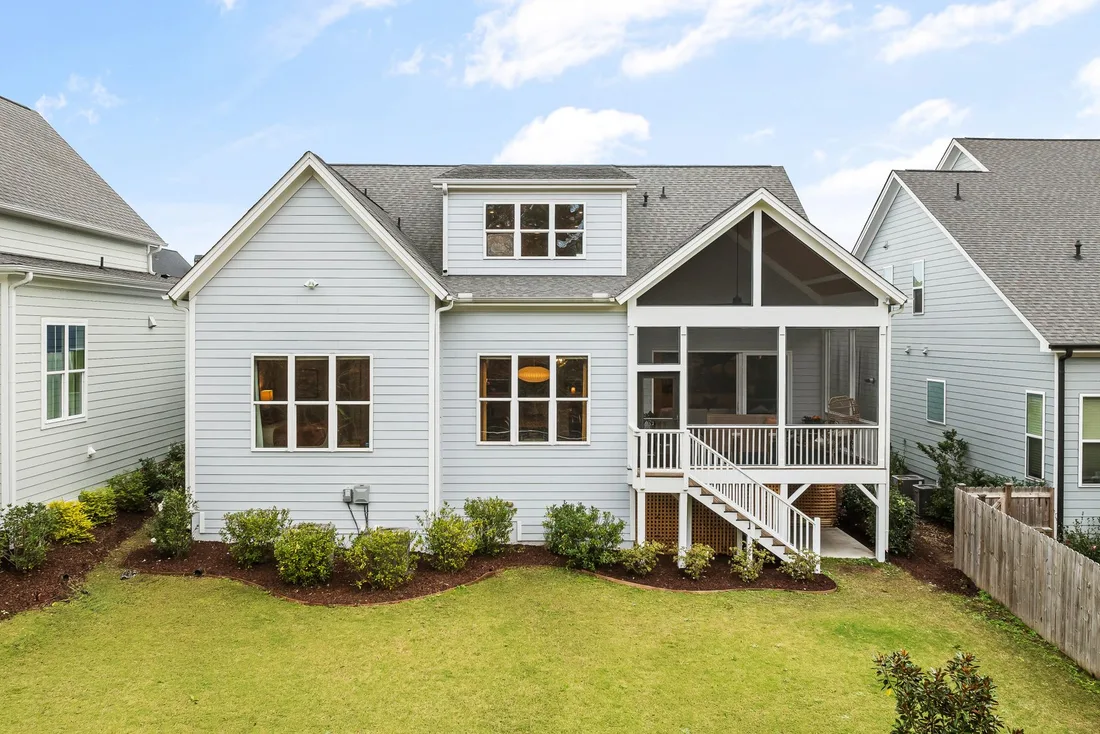
Whole-house photographs are the point, but they can slow a page badly. Each picture is cut to the screen size, delivered in a current format and loaded only as it approaches the screen, so the portfolio stays smooth on a mid-range phone.
The material and style filters respond to a thumb and work on slow signals. If a script fails, every project still appears in a plain captioned list, so an owner never meets an empty portfolio when they need it most.
After bad weather many owners reach the site at once. Pages are cached to cope with the burst, and a notice at the top can state honestly how soon you can visit. Form data is stored safely first, then passed to your team.
Siding and Exterior Cladding web design starts at $2,000. Scope depends on how many pages and features you need, and we agree it with you after seeing your current site.
What's included
The pages customers need to decide, laid out for phones first, with proof and a clear next step.
Forms and call buttons that work on every phone, with each request tracked to its source.
Image, speed and mobile checks before launch, and a short list of fixes afterwards.
Larger builds, such as online shops or booking systems, are scoped after discovery. Talk to us for a fit.
A house-led site takes a few weeks, because gathering and captioning the projects takes the most time. After launch the site keeps improving.
We settle the page set, collect your project photos and warranty wording, and look closely at the current site. You receive a first design of the opening screen and the portfolio to react to.
The remaining pages, the forms and the tracking are completed and tried on phones. We then launch with redirects in place, so owners who found you before still land on the right page.
With real visits to study, we shorten weak steps, add newly finished houses every month and refresh storm information. The site is one part of the system, working best alongside local search, ads and reviews.
Our team
Martin writes every audit and takes the first call. The same team stays on the account. 160+ businesses since 2010.
Founder, strategy and audits
Writes every audit and takes every first call. On your account from day one, running growth for SMEs since 2010.

Social and app development
Shapes social strategy and builds practical app experiences that turn attention into action.

SEO
Owns technical, local and content SEO so the right buyers find you when demand is highest.

Paid media
Plans and manages paid search and social campaigns around qualified leads.

Analytics
Connects tracking, attribution and reporting so decisions are based on revenue-quality data.

Design
Creates clear brand and conversion-focused design across landing pages, campaigns and product experiences.
Certified and experienced
Verified platform knowledge, 25+ years of hands-on experience, and an operating track record since 2010.
Get a free audit and we will show you where you are losing inquiries today.
Get a Free Audit arrow_forward