

Martin
Founder, strategy and audits
Writes every audit and takes every first call. On your account from day one, running growth for SMEs since 2010.
People visit a foundation repair website more than once. They arrive scared, leave to think and come back with their partner, an inspection report and two other quotes open. We design sites that hold up through that long decision, with sign and method pages, honest project proof, clear warranty terms and a simple inspection form.
For foundation repair companies whose website must earn trust across several visits and turn careful readers into free inspection requests.
Context from how your customers search, compare and book.
Visitors are worried and cautious. They have seen a crack or a sloping floor and heard stories about being oversold. The first screen should name the sign they came for, say what an inspection involves and offer a simple way to book. A page that opens with a slogan about quality feels like every other contractor.
Method pages carry the expertise. Push piers, helical piers, wall anchors, slab lifting and crawl space supports each get a page showing what the method does, which problems it suits and how the crew works on site. Diagrams help more than adjectives, and photos from real jobs show you have done it.
Project proof builds the decision. A case page with the sign, the cause, the method chosen and the finished result in plain words, supported by photos, lets a visitor see themselves in the story. Warranty terms stated clearly, including what transfers to a buyer, answer a question that often decides the contract.
The inspection form must feel low risk. It should ask what the owner sees, how long and whether a report exists, then promise a call back and explain the visit. Sellers and agents need a faster path with a closing date field. A guide that can be saved or shared helps couples and relatives decide together.
A clear, repeatable process built around how foundation repair customers search and decide.

We list the signs visitors describe, the methods you use and the questions owners ask on inspection visits. From these we draw paths for homeowners, sellers and agents, each leading to an inspection request. You approve the map before design starts.

Pages open with the sign or method, a short plain explanation and an inspection button. Beneath come project photos, warranty terms and your credentials. Layout stays calm and readable on a phone, with no pop-ups that interrupt a worried reader.

We write a page for each repair method and several project pages from real jobs, covering the sign, the cause, the method and the result. Diagrams show how piers, anchors or slab lifting work. Your estimator reads everything before launch.

One form asks what the owner sees, how long, whether a report exists and the best time to call. A confirmation explains what happens next. A saveable guide on warning signs helps couples and relatives decide together without pressure.

We test on common phones and slow connections, with the form, call button and guide download. Old addresses are redirected, tracking is connected and your team learns how to add projects and update warranty wording.
Pages that make it easy to understand the offer and take the next step
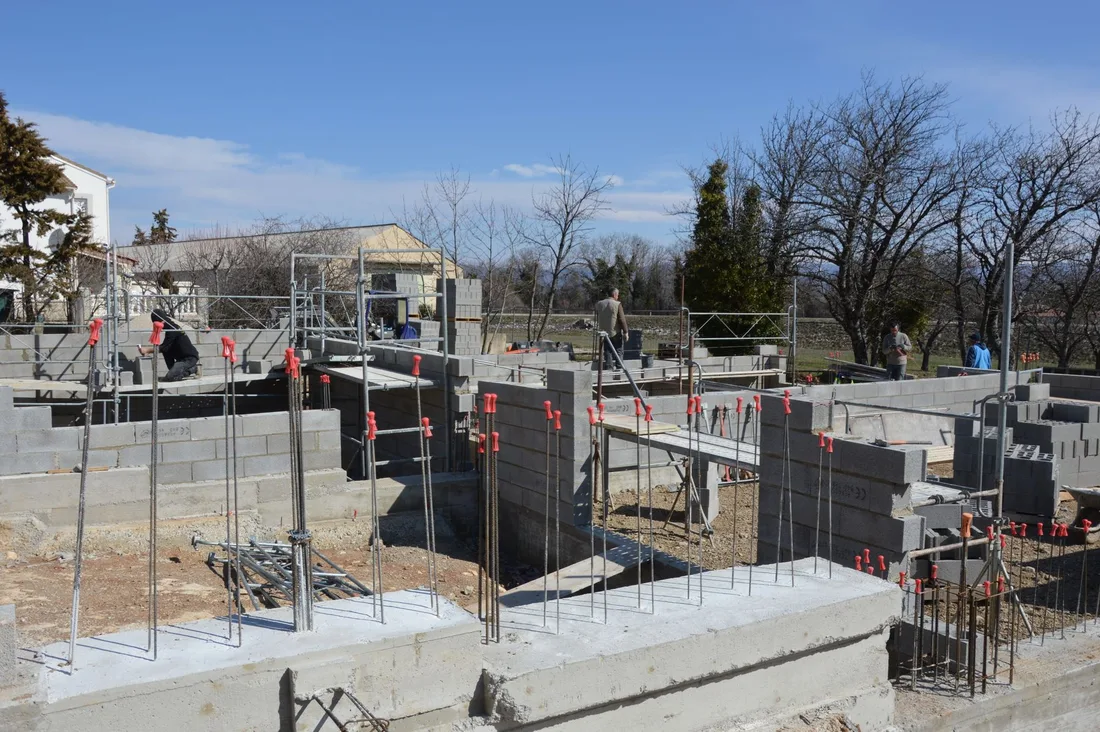
The mechanics behind Web Design for foundation repair, explained plainly.
Project pages use many photos. We compress them, serve smaller versions on phones, load galleries as visitors scroll and avoid heavy sliders. Pages open fast, which matters on repeat visits from several devices.
Because buyers come back, pages keep clear paths between sign, method and project, and the guide can be saved or sent. Forms remember nothing sensitive, and cookies are limited to what tracking needs.
Calls, form sends, guide downloads and button taps are recorded with their source. Earlier web addresses are forwarded to their new pages for good, so saved links and older search value are not lost.
Foundation Repair web design starts at $2,000. Scope depends on how many pages and features you need, and we agree it with you after seeing your current site.
What's included
The pages customers need to decide, laid out for phones first, with proof and a clear next step.
Forms and call buttons that work on every phone, with each request tracked to its source.
Image, speed and mobile checks before launch, and a short list of fixes afterwards.
Larger builds, such as online shops or booking systems, are scoped after discovery. Talk to us for a fit.
The build runs in steps, and your input matters most where only your estimators know the method and the job.
We gather project photos, method notes, warranty terms and credentials, agree the page map and design the home page and inspection form. You tell us which repairs you want to grow.
Method pages, project pages and the form are built and tested privately while your estimator checks every explanation. After corrections, the site goes live with redirects and tracking in place.
We study how visitors move between pages and use the form, then adjust wording and layout. New projects are added as they finish. A stronger site gives search and ads more to work with, though no ranking is promised.
Our team
Martin writes every audit and takes the first call. The same team stays on the account. 160+ businesses since 2010.
Founder, strategy and audits
Writes every audit and takes every first call. On your account from day one, running growth for SMEs since 2010.

Social and app development
Shapes social strategy and builds practical app experiences that turn attention into action.

SEO
Owns technical, local and content SEO so the right buyers find you when demand is highest.

Paid media
Plans and manages paid search and social campaigns around qualified leads.

Analytics
Connects tracking, attribution and reporting so decisions are based on revenue-quality data.

Design
Creates clear brand and conversion-focused design across landing pages, campaigns and product experiences.
Certified and experienced
Verified platform knowledge, 25+ years of hands-on experience, and an operating track record since 2010.
Get a free audit and we will show you where you are losing inquiries today.
Get a Free Audit arrow_forward