

A homeowner in Phoenix does not Google “foundation repair near me” for a brochure. The crack is growing, the door sticks after every rain, or a buyer’s inspector just flagged settlement. They want a crew that can inspect this week, explain the fix in plain language, and lock a start date. That is the real auction behind PPC for foundation repair companies in the US: high intent, high CPC, and almost zero patience for slow answers.
Paid search still works in this trade because the need is urgent and local. It fails when the ad promise, the landing page, and the phone desk do not match. You burn budget on “foundation contractor” browsers, collect forms overnight that never get a callback, and celebrate a low cost per lead while booked jobs crawl. This guide walks through how buyers actually search, which offers convert, and why response speed is as much a media metric as bid strategy.
If you already run Google Ads for structural repair, piering, or mudjacking, treat this as an operational check against vanity CPL. If you are about to scale spend in markets like Dallas, Houston, Atlanta, or Chicago, get the intent map and capacity rules right before you raise budgets.
What foundation repair buyers type when money is on the line
US search demand clusters around symptoms and risk, not brand romance. People type cracked foundation, bowing basement wall, sinking slab, pier and beam repair, house leveling, and “foundation company near me.” Commercial property managers add phrases like warehouse floor settlement or parking structure cracks. Real estate deals inject deadline language: pre-sale foundation inspection, repair estimate before closing.
High-intent paid queries usually mix a problem word with a service word and a geo. Examples that tend to book work: “helical pier installation [city],” “basement wall repair cost,” “emergency foundation repair,” “certified foundation repair contractor.” Broader terms (“foundation company,” “structural engineer vs foundation repair”) still matter for education, but they should not share budget with emergency piering without separate landing pages and bids.
Match types and negatives decide whether your SEM account funds real jobs or tire-kickers. Negatives that routinely protect foundation repair accounts include DIY, free estimate only when you do not offer free inspections, jobs, salary, training, waterproofing membrane retail, concrete driveway pour when you do not pour flatwork, and city names outside your travel radius.
Call extensions and call-only placements matter more here than in many B2B niches. A homeowner staring at a stair-step crack often wants a human before they fill a long form. Track calls as conversions with unique numbers, and require a minimum talk time so a 12-second “wrong number” does not train Smart Bidding. Forms still convert for planned work and HOA-driven projects, but the offer on the ad should state what happens next: same-day callback, on-site evaluation window, or written scope after inspection.
Dayparting is not optional decoration. If your estimators stop answering at 6 p.m. and you keep ads live through midnight on mobile (where a large share of paid clicks land), you pay for leads your ops cannot catch. Align ad schedules to dispatch capacity, not vanity impression share. Sunday afternoon spikes after open houses are real in many metros; staff them or throttle them.
Where foundation repair PPC quietly loses booked jobs
The classic failure mode is optimizing for lead volume while crews care about booked inspections and signed contracts. Agencies and in-house teams bid aggressively on broad foundation keywords, send traffic to a slow homepage gallery, and report a $40-$80 CPL that looks fine until finance asks cost per booked job. By then the account has trained bidding on form fills from renters with no authority, out-of-area clicks, and “how much does piering cost” researchers who never intended to hire.
Landing mismatch kills more campaigns than bid strategy. The ad says helical piers and same-week inspection; the page opens on a generic hero about “trusted local craftsmen,” buries licensing, and hides the phone under a hamburger menu. Mobile conversion rates already lag desktop in many verticals; foundation repair pages that take forever to load floor plans and before/after carousels make that gap worse. As of Q1 2025, roughly 43% of origins in CrUX pass all three Core Web Vitals thresholds (LCP, INP, CLS), and heavy trade sites often sit on the wrong side of that line. See web.dev/vitals and the CrUX dashboard for current figures.
Response speed is the silent bid multiplier. A lead that sits two hours while the estimator finishes a job site is often already talking to the competitor who answered first. Paid search does not create loyalty; it rents attention. If your SLA is “we try to call back same day,” you are funding someone else’s close rate.
Tracking gaps compound the mess. Missing call recording, no offline conversion import when a job is sold, and broken form events mean automated bidding optimizes on the wrong signal. Safari’s ITP and unenforced Consent Mode v2 can drop 20-35% of form conversion signals depending on your tag setup. Foundation accounts that rely on a bare Google tag without server-side backup are routinely underreporting by that margin-Smart Bidding then optimizes on a fiction. Accounts that refuse call tracking “because we already have a main line” hand Google noise instead of booked-work truth.
If your paid search program is stuck in that loop, a dedicated SEM / Google Ads build with niche negatives, call tracking, and job-level feedback beats another budget bump on the same structure.
Get a free marketing audit - we review your search, ads, and landing pages and send back what to fix first.
Get a free audit
A practical Google Ads playbook for US foundation repair
Build the account around intent clusters, not a single “foundation” campaign dumping everything into Performance Max on day one. PMax can drive bulk later; start with Search that you can read and negative cleanly.
Playbook: intent, offers, and capacity
Action checklist
- Map three intent buckets: emergency structural (active cracking, water intrusion with movement), planned repair (known settlement, pre-sale), and commercial/property manager (multi-unit, warehouses). Separate campaigns or ad groups so bids and ads can differ.
- Write ad copy that names the method and the next step: helical or push piers, wall anchors, slab jacking, free on-site evaluation (only if true), licensed and insured, response window (“calls answered until 7 p.m.”).
- One landing page per primary offer. Match headline to the keyword theme. Put phone sticky on mobile, short form (name, phone, city, property type, brief issue), license numbers, manufacturer certifications, and 3-5 local project photos with city names.
- Prove trust fast: BBB or state licensing, warranty length in plain English, financing mention if you offer it, and Google review rating with count. Use photos from actual local jobs-show the pier bracket, the wall anchor plate, the finished basement with the homeowner's street visible if they consent. Pexels basement shots lose to a real before/after from a Naperville ranch house every time.
- Install call tracking plus form goals. Import offline conversions when an inspection becomes a signed job. Feed that back so Smart Bidding sees revenue quality, not form spam.
- Negative keyword pass twice in week one, then weekly. Kill DIY, employment, pure education without local intent, and geos you do not serve. Add competitor brand terms only if you can win on price or warranty and your counsel is comfortable.
- Daypart and geo-radius to estimator reality. Cap bids or pause when the calendar is full for two weeks; paid search into a full book just inflates CPL and damages review velocity when callbacks slip.
- Score success as cost per booked inspection and cost per sold job, with lead-to-book rates by source. CPL is a diagnostic, not the scoreboard.
- On the page, watch scroll, rage clicks, and form abandon with session tools. A short note: HeyLead Insights style session recording and heatmaps show whether owners bounce before the phone number or stall on a 12-field form.
- Search is clean, test Performance Max or broader AI-led campaigns with strong asset groups and conversion hygiene. Broad automation without negatives and landing proof is how budgets vaporize.
Free tools - try these yourself
Offers that book work in this niche are concrete. “Free foundation inspection with written options” beats “contact us.” “Financing available on qualifying repairs” lowers sticker shock on multi-thousand-dollar pier packages. “Pre-closing rush evaluations” speaks to real estate timelines in hot metros. Do not promise free if your process is paid engineering only; mismatched ads create chargebacks in trust, if not in Google.
For operators who want niche context beyond ads alone, HeyLead’s Foundation Repair marketing overview ties channel work to how this trade actually sells inspections and jobs.
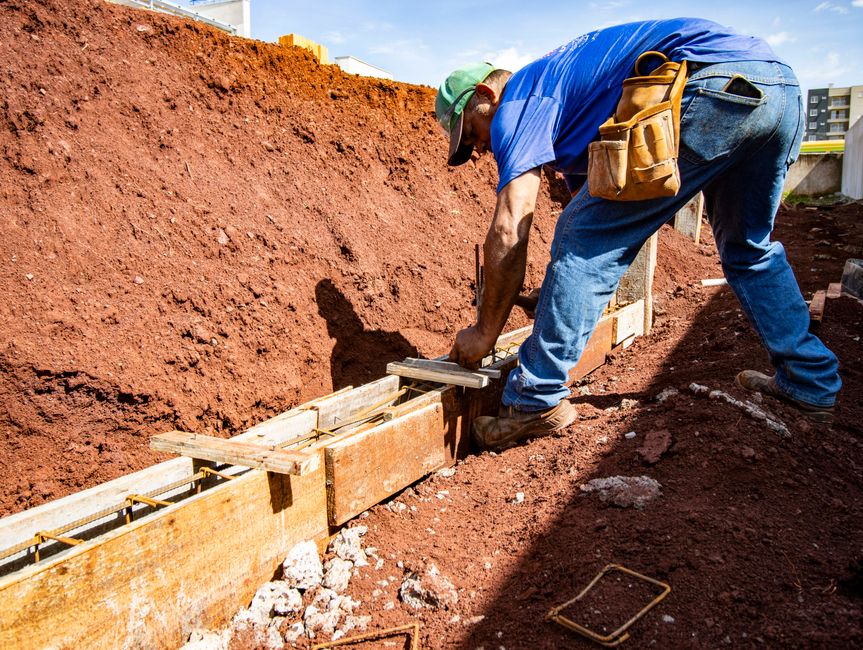
Two US scenarios: what broke and what fixed the booked-job math
Houston piering company, call lag on mobile Search. Spend looked healthy: branded and non-brand Search, solid impression share on “foundation repair Houston.” CPL sat near $67. Booked inspections were thin. The break was not keywords. Estimators lived on job sites; the main line rolled to a shared mobile that silenced after 5 p.m. while ads ran until 11 p.m. Mobile clicks dominated evenings after storms. Fix: unique call tracking numbers on ads and landing pages, after-hours answering service trained to book morning inspections, ad schedule cut to capacity, and a shorter mobile form with click-to-call above the fold. Lead volume dropped 18%. Booked inspections rose because the remaining leads got a human in under four minutes during peak windows. Cost per booked job, not CPL, became the weekly number on the whiteboard.
Chicago suburb wall-anchor specialist, homepage catch-all. One campaign sent every foundation-related term to the company homepage. Search terms showed driveway concrete, waterproofing product research, and DIY crack filler. They layered a dedicated wall-anchor landing page, tight phrase themes, and a negative list that excluded pure waterproofing retail intent they did not service. Ad RSA assets led with bowing wall language and carbon fiber or anchor proof photos from local basements. They ran the Core Web Vitals checker, compressed hero video that was crushing INP on Android, and moved proof blocks higher. Form starts climbed; junk inquiry rate fell. Offline import of “inspection completed” and “contract signed” finally gave Smart Bidding something honest to chase.
Neither story needed a heroic ROAS screenshot. Cross-industry Google Ads ROAS benchmarks are poor proxies here-foundation repair jobs are $5,000-$30,000 tickets with long close cycles. Track cost per signed job and crew utilization, not a 4x ROAS figure built on e-commerce averages. Use benchmarks as context, your job P&L as truth.
Patterns we see in audits
The short quotes below are illustrative composites drawn from patterns in account reviews. They are not quotes from named clients.
A pattern across several Texas Gulf Coast accounts: when teams priced cost per signed pier job rather than CPL, they cut half their broad terms and conversion quality rose. Forms that looked fine on paper often never belonged in the auction.
A recurring Midwest structural-repair observation: the win was not a new bid strategy. It was answering paid calls in under five minutes and putting helical pier proof on the landing page the ad promised.
FAQs
What is a reasonable starting budget for PPC for foundation repair companies?
It depends on metro CPC and how many inspections your team can run. In competitive Sun Belt and coastal markets, non-brand foundation queries can run well above everyday home-services averages. Foundation repair non-brand queries in competitive Sun Belt metros (Dallas, Houston, Atlanta) typically run $20-$55 per click; emergency terms can exceed $60. Budget accordingly-this is not a $3 CPC vertical. Fund enough clicks to learn search terms in 30 days without starving ops. If you cannot staff callbacks, a smaller dayparted budget beats a large unstaffed one.
Should we use Performance Max from day one?
Usually no. Start with Search you can negative-keyword and map to dedicated landers. Add PMax when conversion tracking is clean, creatives show real jobs, and you can still read where demand originates. “Performance Max drives the bulk now” is true in many mature accounts; it is a poor teacher when your signal quality is weak.
Calls or forms: which should we prioritize?
Both, with calls weighted for emergency and high-ticket structural work. Forms work for planned evaluations and commercial RFPs. Measure talk-time-qualified calls and booked inspections from each path. Do not let a cheap form CPL hide unpaid call missed opportunities.
How fast do we need to respond to paid leads?
Treat sub-five-minute response during ad dayparts as the target for phone leads. Same-hour is a floor, not a medal. After-hours, use a live answering path that books the next inspection slot rather than a voicemail black hole.
What landing page proof matters most?
Local before/after structural photos, license and warranty clarity, review volume, and a plain explanation of methods (piers, anchors, slab). Speed and a visible phone number matter as much as pretty design. If traffic does not convert, inspect behaviour on-page before you assume the auction is “too expensive.”
Putting it to work
This week
-
Export the last 30-60 days of search terms; flag non-job intent and add negatives.
-
Split emergency vs planned repair ad groups if they still share one blob campaign.
-
Run a speed-to-lead test on yourself: submit your own contact form and call your tracked ad number back-to-back, then record how many minutes pass before a human answers or calls back. That number is your real SLA.
-
Run your primary landing URL through the Core Web Vitals checker and fix the worst mobile issue.
-
Define cost per booked inspection in your sheet; stop steering weekly meetings with raw CPL alone.
-
Tag every ad and landing destination with the UTM link builder so CRM source is not a guess.
Next 30 days
-
Ship one dedicated landing page per top method or symptom theme.
-
Turn on offline conversion import for sold jobs, even if the CRM export is manual at first.
-
Align ad schedules to estimator calendars market by market (Dallas radius is not a national always-on plan).
-
Review RSA assets monthly; retire vague “quality craftsmanship” lines that never cite method or response window.
-
If in-house bandwidth is the bottleneck, book a focused paid search audit rather than another broad homepage redesign.
Pull your last 60 days of Google Ads leads, mark which ones became paid inspections and signed foundation jobs, and rewrite one ad-plus-landing pair around the intent cluster that actually sold work. When the hard part is keeping high-intent foundation queries matched to proof-heavy pages, call discipline, and cost-per-booked-job reporting, a partner like HeyLead can run that SEM operating loop with you so your estimators stay on sites instead of inside bid strategies. Reach out at [email protected].
Free marketing audit, or reach Martin directly:
Get a free audit Chat with us on WhatsApp · [email protected]