


Martin
Founder, strategy and audits
Writes every audit and takes every first call. On your account from day one, running growth for SMEs since 2010.
A buyer needs a carton for a load that ships on Friday. They want to find the size, check the strength and send dimensions without hunting through a price list. A shipping box site should make that quick. We design pages with size tables, strength guides, delivery area notes and forms built for the way cartons are quoted.
For shipping box suppliers who want a site where buyers find sizes, check strength and request quotes easily, on a desktop in the office or a phone on the dock.
Context from how your customers search, compare and book.
Buyers arrive with dimensions, a product and a date. They scan for the three facts that decide a carton order: does it fit, will it hold and can you deliver here in time. A site that answers these on the first screen keeps them. One that makes them dig for a PDF loses them.
Stock cartons and custom cartons are quoted very differently. Stock boxes need a size finder and visible availability. Custom work needs a form that collects product size, weight, stacking and quantity, so your estimator can price without a second call. The site should offer both clearly.
Technical terms confuse many buyers. Edge compression, burst strength, flute and wall type matter, but few buyers can explain them. A short guide with plain examples, such as which board suits a heavy motor or a case of bottles, builds trust and prevents orders for the wrong spec.
Delivery shapes the decision. Cartons are bulky and freight is costly, so the site should say where you deliver, how long it takes and what the minimum drop is. A clear note saves requests from outside your reach and brings more from inside it, which keeps your estimator's day productive.
For the full picture, see marketing for shipping box suppliers.
To be found in organic search, read about SEO for shipping box suppliers.
To test paid demand, see paid search for shipping box suppliers.
From page plan to launch, with checks along the way.

We collect your carton styles, sizes, board types, custom capability and delivery area, then map routes for stock buyers, custom buyers and repeat accounts. Wireframes show where each route begins and which page answers each question.

Stock pages lead with a clear photo, then a table of dimensions, board type, strength rating, bundle count and pallet quantity. A simple finder lets a buyer enter dimensions and see the nearest sizes. Your production team confirms each figure.

We design a plain guide to board choice and a delivery section showing the areas you serve, lead times and minimum drops, as you confirm them. Both sit close to the quote button so buyers can act as soon as they are satisfied.

A stock form asks size, quantity and delivery place. A custom form asks product dimensions, weight, stacking and print needs and allows a drawing upload. A standing-order form asks for a schedule. Each sends complete details to the person who quotes.

We build on a staging site, compress photos, test all forms on phones and desktops, set up tracking and check every figure against your list. After launch we review where buyers leave, then refine layout and wording.
Pages that make it easy to understand the offer and take the next step
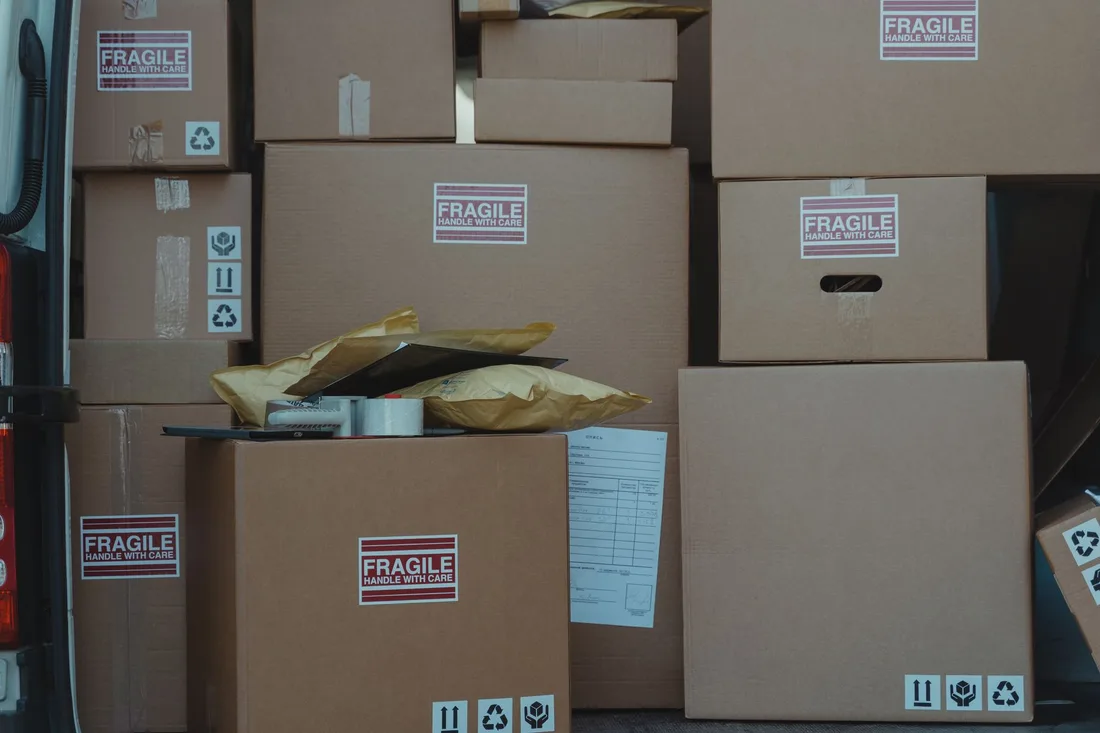
The mechanics behind Web Design for shipping boxes, explained plainly.
Tables are real text and can be sorted by length, width or height. A filter works on a phone, with large tap targets. This lets buyers narrow a hundred sizes to a handful without scrolling for minutes or phoning to ask.
Fields use drop-downs for style, wall type and print, with a free box for notes. Dimension fields accept the units you use. Drawings can be attached. Sales receives one clear message and the page it came from.
Pallet and board photos are resized and loaded only as visitors scroll, so pages open quickly on a weak signal. Calls, forms and downloads are tagged by page, which shows which carton pages bring requests.
Month to month, no commitment. One fee covers the pages, the search and ad work and the tracking. Ad spend is separate and stays in your own accounts.
Starting at
$500 USD per month
Free to cancel with 1 month's notice. Tell us what you sell and where. We come back with what the first month would fix.
Get a Free AuditWhat $500 a month covers
Pages built around the searches your buyers actually type.
Search and ads aimed at people ready to inquire.
Calls, forms and bookings tagged to the search, ad or page behind them.
A carton site is a structured build. Time depends mostly on how fast sizes, board details and photos can be gathered and checked.
We collect your sizes, board types, photos and delivery notes, agree the page plan and sketch the home page, product page and forms. You confirm specs and what lead times can be shown.
We build the pages on a staging site, add the size finder, connect forms and tracking, and test on phones. You review each figure, we fix gaps and the site launches when it matches your list.
We watch which pages bring quote requests and where buyers leave, then adjust layout and wording. We do not promise a number of requests, and results depend on traffic and how quickly quotes go out.
Our team
Martin writes every audit and takes the first call. The same team stays on the account. 160+ businesses since 2010.
Founder, strategy and audits
Writes every audit and takes every first call. On your account from day one, running growth for SMEs since 2010.

Social and app development
Shapes social strategy and builds practical app experiences that turn attention into action.

SEO
Owns technical, local and content SEO so the right buyers find you when demand is highest.

Paid media
Plans and manages paid search and social campaigns around qualified leads.

Analytics
Connects tracking, attribution and reporting so decisions are based on revenue-quality data.

Design
Creates clear brand and conversion-focused design across landing pages, campaigns and product experiences.
Certified and experienced
Verified platform knowledge, 25+ years of hands-on experience, and an operating track record since 2010.
Get a free audit and we will show you where your next enquiries are hiding.
Get a Free Audit arrow_forward