


Martin
Founder, strategy and audits
Writes every audit and takes every first call. On your account from day one, running growth for SMEs since 2010.
A personal injury website often gets its first visit from a phone, within hours of an accident, from someone in pain. We design case-type pages, a call button and short form always in reach, and honest attorney profiles.
Design, build, tracking, and accessibility work, with pages your attorneys review for state bar compliance. You own the site, and your team can edit it themselves.
Context from how your customers search, compare and book.
Visitors arrive with a specific event in mind, such as a crash, a fall, or a workplace injury. A site organized by case type, in plain language, with a phone number they can tap, lets them see quickly that the firm handles their situation. A page that opens with a wall of legal text sends them back to search.
Structure matters for search as well. Each case type gets its own page, such as auto accidents, trucking, premises liability, and workers' compensation, and each location has a page describing the courts and communities served. State pages stay separate, because law and deadlines differ, and clear navigation helps people and search engines see what you handle.
Trust signals must be real. Attorney bios can name the state bar that licenses them and any certifications they actually hold. Review displays link to real reviews. Statements about fees, such as how contingency works, are used only if your firm's arrangement and state bar rules support them. We add no verdicts or badges we cannot document.
The site must also work for the team. Editing a case page, adding a county, or updating intake hours should not need a developer. We build on a system your staff can manage and hand over training and documentation so the site stays current as your practice changes.
A clear, repeatable process built around how personal injury customers search and decide.
We review your current site, intake process, and analytics, then agree the case types, states, offices, and attorneys to feature. The output is a page list and content plan, with your attorneys involved from the start.

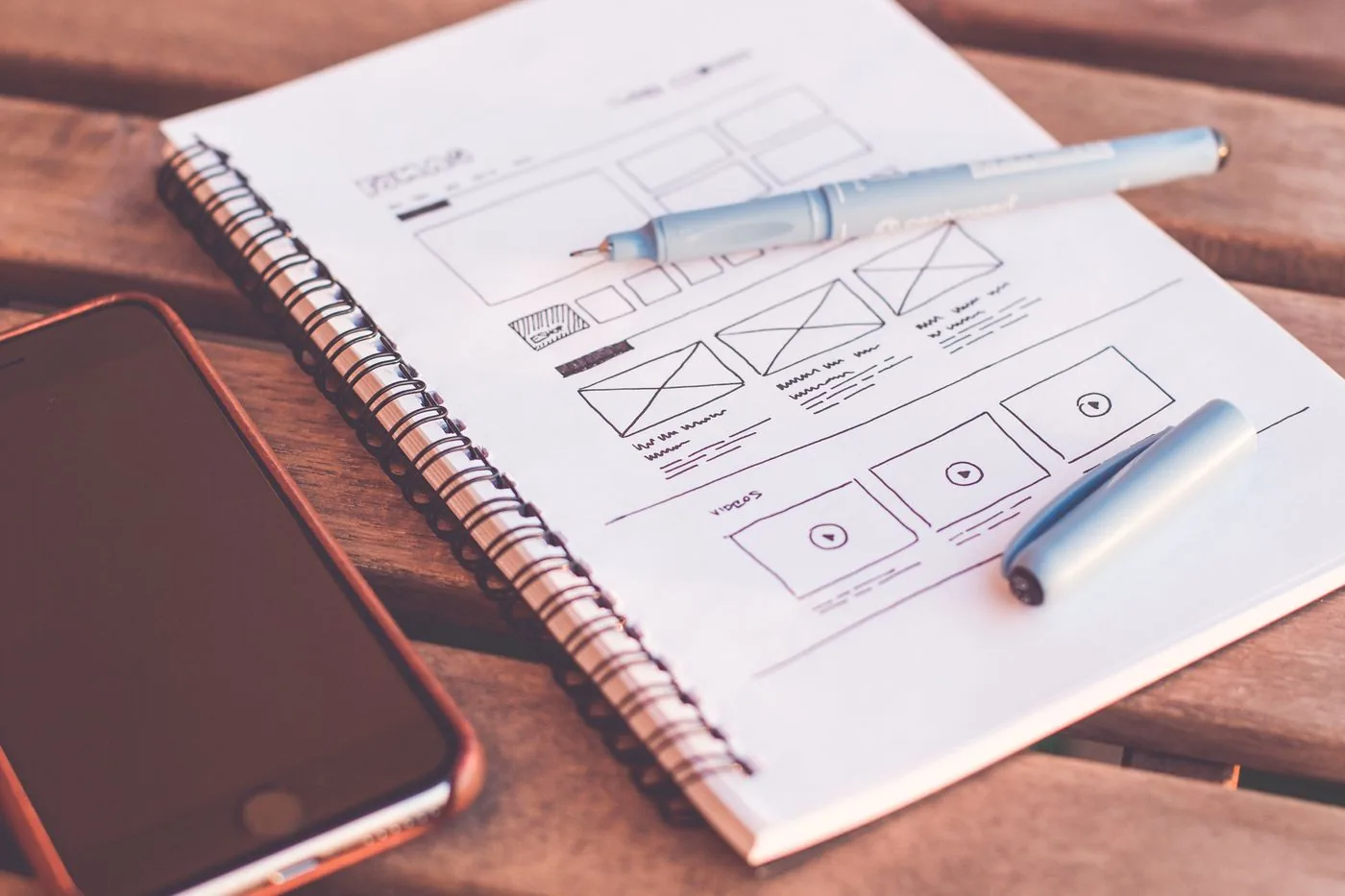
We sketch layouts for the home page, case-type pages, attorney profiles, location pages, and the consult request before visual design. The look is calm and professional and uses your own branding rather than a generic template.

We build on a system your team can edit and load your copy, writing or improving pages where needed. Attorneys review all content for accuracy in their state and for state bar advertising rules.

We check contrast, keyboard navigation, alt text, form labels, and mobile tap targets, and compress images and trim scripts so pages load quickly on a phone, even on a weak connection.

Before launch we test forms, call tracking, alerts, and redirects from old pages. After launch we train your team, hand over documentation, and check that calls and forms are recorded with the right source.
Pages that make it easy to understand the offer and take the next step

The mechanics behind Web Design for personal injury, explained plainly.
Images are compressed, fonts limited, and scripts loaded only where needed. We test on mid-range phones and slower connections, since many visitors will be on a phone at the roadside or in a waiting room, and fix layout shifts so buttons stay put.
Pages aim to meet WCAG guidelines for contrast, headings, keyboard use, and screen readers. Accessible sites are easier for everyone, including people recovering from injury who may use assistive tools or have limited mobility.
Forms collect name, contact details, case type, and state, not medical or claim details. They sit behind spam protection and send alerts to a monitored address or CRM, with a note asking people not to share sensitive facts in the form.
Scope varies with page count, states, content, and integrations. Talk to us for a scoped plan.
What's included
An update to an existing site: clearer case-type structure, faster pages, a better call button and form, and tracking, without a full redesign. Suits firms whose foundation is sound but whose pages have aged.
A full design and build with case-type pages, attorney profiles, location pages, and content support. Suits firms with an outdated or hard-to-edit site.
A structure for several offices or states, with separate location content, state-specific pages, call tracking per office, and consistent branding.
Attorney content review is usually the longest part of a project. We plan for it early.
Timelines depend on the number of pages and states and on how quickly your attorneys can review them.
Discovery, page list, and content plan. We agree the case types and states to cover, collect logos, photos, and bios, and confirm hosting and tracking requirements.
Design and build, with content loaded and reviewed by your attorneys. We test forms, call tracking, alerts, accessibility, and mobile speed before anything goes live.
We launch, redirect old pages, train your team, and watch analytics. A short review afterwards shows whether calls and forms record as expected.
Our team
Martin writes every audit and takes the first call. The same team stays on the account. 160+ businesses since 2010.
Founder, strategy and audits
Writes every audit and takes every first call. On your account from day one, running growth for SMEs since 2010.

Social and app development
Shapes social strategy and builds practical app experiences that turn attention into action.

SEO
Owns technical, local and content SEO so the right buyers find you when demand is highest.

Paid media
Plans and manages paid search and social campaigns around qualified leads.

Analytics
Connects tracking, attribution and reporting so decisions are based on revenue-quality data.

Design
Creates clear brand and conversion-focused design across landing pages, campaigns and product experiences.
Certified and experienced
Verified platform knowledge, 25+ years of hands-on experience, and an operating track record since 2010.
Get a free audit and we will show you where you are losing inquiries today.
Get a Free Audit arrow_forward