


Martin
Founder, strategy and audits
Writes every audit and takes every first call. On your account from day one, running growth for SMEs since 2010.
A site manager checking scaffolding suppliers wants three things fast: proof of safety, a way to get a quote and a sense you will turn up. We design scaffolding websites that put safety documents, trade pages and a short quote form within a thumb's reach on a phone, and that load quickly on a site-office connection.
For scaffolding firms that want a site that wins trade accounts and commercial bids, with a safety and documents hub, quote forms, fast pages and tracking by customer type.
Context from how your customers search, compare and book.
The first test is safety. A visitor wants to see tagging and inspection practice, insurance cover, engineered designs where needed and the credentials of your erectors. A hub page with these facts and downloadable documents lets a project manager forward them to a safety officer in seconds and removes the need for a phone call.
The second test is fit. Painters, roofers, builders, commercial managers and event producers each need to see their kind of work. Pages for each, with real photos of similar erections, a plain list of what you supply and typical hire patterns, let a visitor decide that you are the right supplier in a minute.
The third test is speed. A trade customer fills a quote form from a truck cab or a site office, often with one hand. The form should ask only what is needed: company, site address, approximate height and length, hire period and start date. Short forms get completed, and long ones get abandoned.
Some visitors are homeowners who landed on the site by mistake. A short note that you supply and erect for trades and commercial sites, with a pointer to arranging scaffolding through their builder or painter, saves your team calls that cannot become hires and still leaves a good impression.
A clear, repeatable process built around how scaffolding customers search and decide.

We gather your photos, safety documents, insurance details and erector credentials, and list the questions site managers ask when they call. We decide which jobs lead the galleries and which documents sit on the hub.

We plan a home page, a safety and documents hub, pages for painters, builders, roofing and temporary roofs, commercial facades and events, a quote page, reviews and contact. You approve the map before design begins.

Pages use large job photos, plain headings and a persistent call button. The quote form is short and sits on every page. We build on a platform you can edit and check how it works on phones in the field.

We write short pages on tagging, inspection records, engineered designs and handover documents, plus a note on how you deal with moved dates. Reviews from builders and painters sit beside the galleries, where doubtful buyers see them.

We test forms, calls and downloads on several phones, redirect old links and launch. Monthly, we watch which pages lead to quote requests and suggest changes, such as shortening a form or adding a trade page.
Pages that make it easy to understand the offer and take the next step
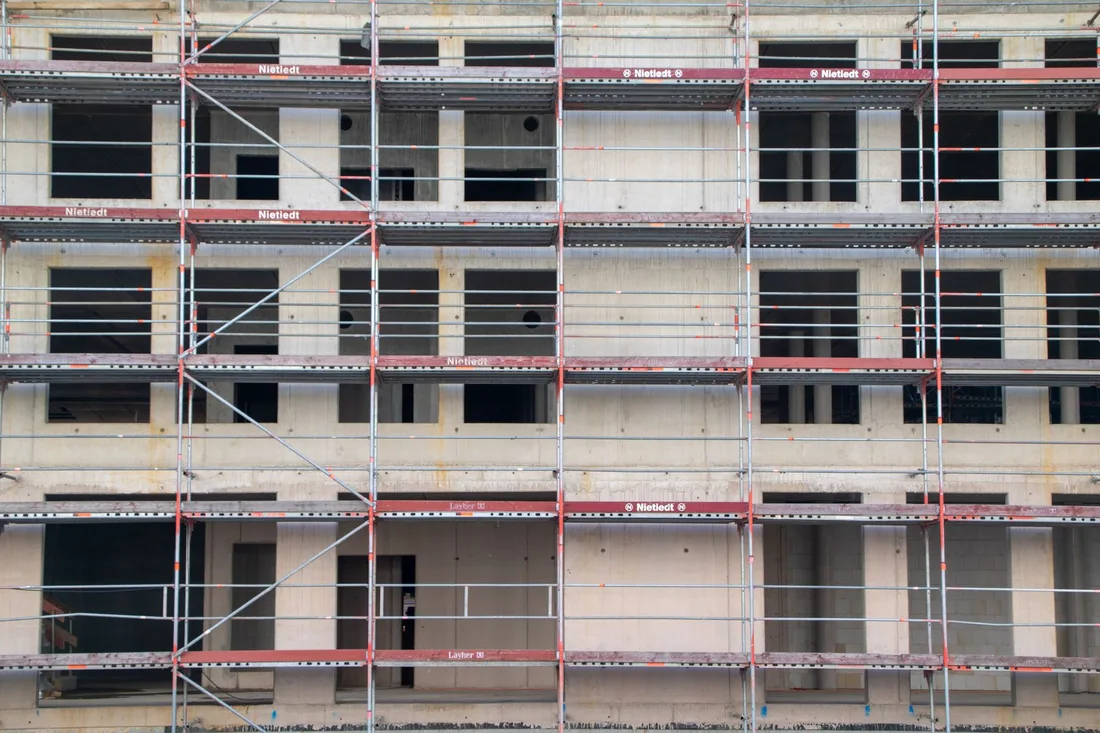
The mechanics behind Web Design for scaffolding, explained plainly.
Safety documents are stored as light PDF files with clear names and a short summary above each link. We check the links every month, so a site manager clicking from a phone never meets a missing file.
The quote form sends to your inbox and customer record system with a backup, tags requests as new or repeat and filters spam without adding puzzles. We send test submissions each month and flag any failure at once.
Site offices and trucks often have weak signal. We keep pages light, compress photos, avoid heavy scripts and test on a slow connection, so the call button and quote form appear within moments.
Scaffolding web design starts at $2,000. Scope depends on how many pages and features you need, and we agree it with you after seeing your current site.
What's included
The pages customers need to decide, laid out for phones first, with proof and a clear next step.
Forms and call buttons that work on every phone, with each request tracked to its source.
Image, speed and mobile checks before launch, and a short list of fixes afterwards.
Larger builds, such as online shops or booking systems, are scoped after discovery. Talk to us for a fit.
A good site depends on clear facts. The slowest part is usually gathering safety documents and choosing the best erection photos.
Content review, site map and form design. You send documents, photos and notes on lead times, and we agree what sits on the hub and which trade pages come first.
A private link shows the site as it grows. You check the text, the documents and the quote form, and try them from your phone. Problems get fixed before anyone outside sees the pages.
After launch we see which pages bring quote requests, add new jobs and trade pages and trim weak ones. Building activity and visitor numbers shape the outcome, so no set number of requests can be promised.
Our team
Martin writes every audit and takes the first call. The same team stays on the account. 160+ businesses since 2010.
Founder, strategy and audits
Writes every audit and takes every first call. On your account from day one, running growth for SMEs since 2010.

Social and app development
Shapes social strategy and builds practical app experiences that turn attention into action.

SEO
Owns technical, local and content SEO so the right buyers find you when demand is highest.

Paid media
Plans and manages paid search and social campaigns around qualified leads.

Analytics
Connects tracking, attribution and reporting so decisions are based on revenue-quality data.

Design
Creates clear brand and conversion-focused design across landing pages, campaigns and product experiences.
Certified and experienced
Verified platform knowledge, 25+ years of hands-on experience, and an operating track record since 2010.
Get a free audit and we will show you where you are losing inquiries today.
Get a Free Audit arrow_forward