
Martin
Founder, strategy and audits
Writes every audit and takes every first call. On your account from day one, running growth for SMEs since 2010.
A garage door website is read in two very different moods: one by someone in a driveway with a stuck door and a clock running, the other by someone calmly choosing a style for a new door. The site must serve both, load fast on a phone and turn visits into calls and quotes. We design and build it. Pricing and safety rules stay yours.
For garage door repair and installation firms who want a site that handles stuck-door urgency, new door research and commercial requests from one clean layout.
Context from how your customers search, compare and book.
The first screen decides most visits. A stuck-door visitor wants to see a phone number, a line about response and your area. A planner wants to see a street scene with a handsome door. Place the call button and the style gallery link side by side, and the right person takes the right road.
Fault pages work like a good counter clerk. They say what the symptom usually means, what is unsafe to touch and what you will do on arrival. A short, calm explanation of a snapped cable or a door off its track lowers anxiety and gets the call. It also filters out DIY visitors who were never customers.
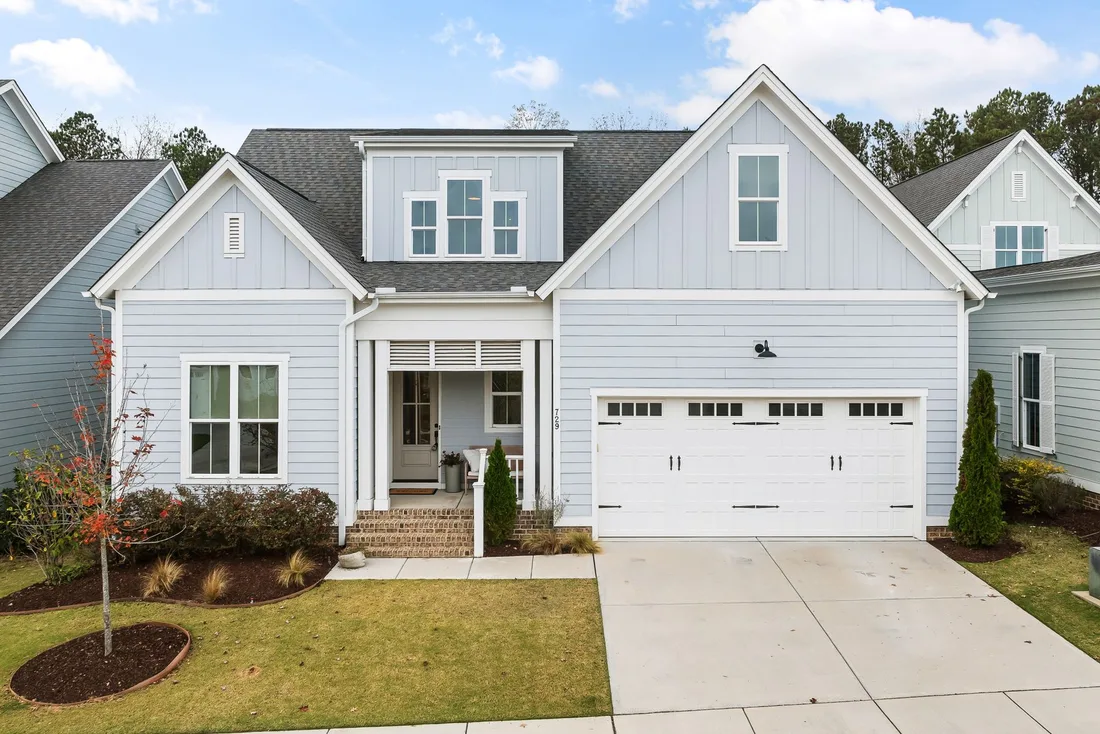
Replacement pages are a showroom in a browser. Owners compare panel designs, glazing, wood-look and plain finishes, insulation and opener options. Real installs on real houses, with a note on how long fitting takes, build trust faster than brochure renders. A simple visualiser or style picker can help but only if it loads quickly.
Quote forms need to ask only what you need: width, height, current door type, preferred style and a photo. Commercial visitors need a different form with bay count and access times. Each form should say what happens next and when, so people do not submit to three firms and ring whoever answers first.
A clear, repeatable process built around how garage doors customers search and decide.

We map the pages you need: fault pages, new doors, openers, commercial service, gallery and about. You supply photos and facts such as brands, area and hours. We review the plan together before any design work begins.

We design the top of the home page around two routes, repair now and choose a new door, with the number fixed in view on phones. We test this layout on small screens held in one hand, since that is how most visitors arrive.

Doors are grouped by style, finish and insulation, each with real photos and short notes. Visitors can filter, compare and tap through to a quote. Pages load images only as they are scrolled to, which keeps them light.

We build a short repair request and a fuller quote form with photo upload. Confirmations tell the visitor what happens next. Alerts go to the right person by text or email so no stuck-door request waits unseen.

We test calls and forms on several phones, redirect old addresses, switch on call and form tracking, and train your team to edit hours, notices and gallery photos. After launch we monitor and fix issues while visitors settle in.
Pages that make it easy to understand the offer and take the next step
The mechanics behind Web Design for garage doors, explained plainly.
Pages are built to open on a weak signal. We compress door photos, avoid auto-playing video, defer scripts and keep the number as plain text that can be tapped at once. A trapped-car visitor will not wait for a slider.
Fault pages never encourage visitors to handle springs or cables. Short warnings sit beside each description, in language your technicians approve. This protects customers and your reputation, and it positions you as the careful choice.
Forms accept phone photos, block junk without puzzles and save every entry even when email fails. Tracked numbers and tags show which page and path each call came from, with repair and replacement leads counted separately.
Garage Doors web design starts at $2,000. Scope depends on how many pages and features you need, and we agree it with you after seeing your current site.
What's included
The pages customers need to decide, laid out for phones first, with proof and a clear next step.
Forms and call buttons that work on every phone, with each request tracked to its source.
Image, speed and mobile checks before launch, and a short list of fixes afterwards.
Larger builds, such as online shops or booking systems, are scoped after discovery. Talk to us for a fit.
Most garage door sites take a few weeks to plan, build and test, then improve as real calls arrive.
We confirm the page plan and collect photos, brands, hours and credentials. We design the first screen and a typical fault page for your approval. Delays are usually missing photos, so earlier is better.
Pages are built, forms tested on real phones and tracking proven with test calls. The site launches with redirects from old addresses, and we watch the first days of calls and forms closely.
We learn from how visitors move through the site, refine slow or confusing pages, add new installs and commercial pages and tune forms. We cannot promise a number of calls from the website alone, but every change is checked against results.
Our team
Martin writes every audit and takes the first call. The same team stays on the account. 160+ businesses since 2010.
Founder, strategy and audits
Writes every audit and takes every first call. On your account from day one, running growth for SMEs since 2010.

Social and app development
Shapes social strategy and builds practical app experiences that turn attention into action.

SEO
Owns technical, local and content SEO so the right buyers find you when demand is highest.

Paid media
Plans and manages paid search and social campaigns around qualified leads.

Analytics
Connects tracking, attribution and reporting so decisions are based on revenue-quality data.

Design
Creates clear brand and conversion-focused design across landing pages, campaigns and product experiences.
Certified and experienced
Verified platform knowledge, 25+ years of hands-on experience, and an operating track record since 2010.
Get a free audit and we will show you where you are losing inquiries today.
Get a Free Audit arrow_forward