
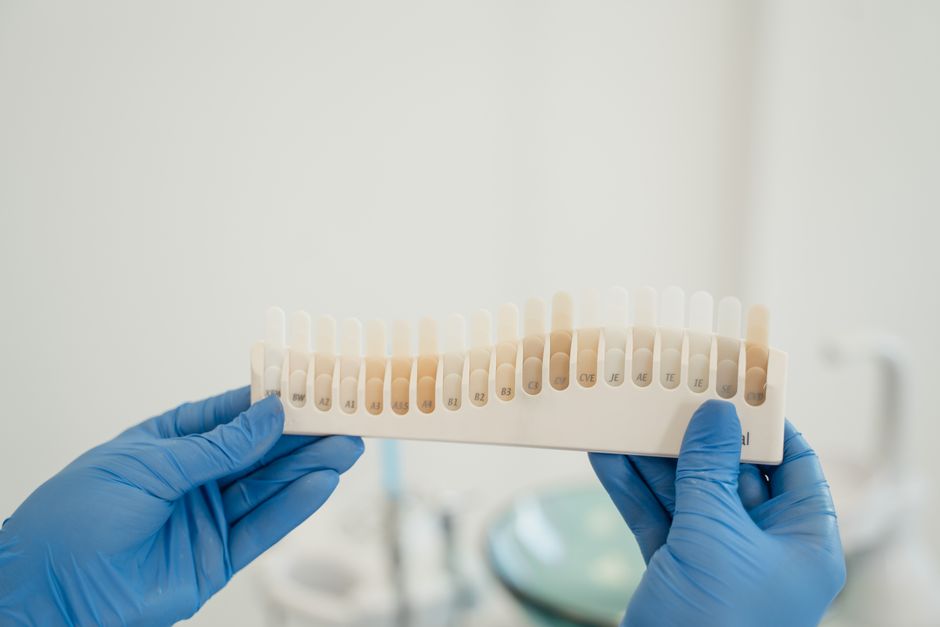
A parent in suburban Dallas Googles “kids dentist near me open Saturday” at 9:40pm after a soccer collision. A 34-year-old in Phoenix types “Invisalign cost Scottsdale” between meetings. A retiree in Miami searches “all on 4 dental implants reviews” after a friend shows them a smile photo at dinner. Those three queries look similar in a keyword tool. They are not the same patient, the same ticket size, or the same booking path.
For owners and marketing leads running digital marketing for dental practices and cosmetic dentistry companies in the US, organic search still fills a huge share of new-patient chairs. It also absorbs a surprising amount of wasted spend when the practice ranks for the wrong intent, publishes thin service pages, or treats Google Business Profile like a listing instead of a conversion asset. This piece separates the SEO work that books hygiene, restorative, and high-ticket cosmetic cases from the activity that only inflates traffic reports.
We will stay on organic demand: intent clusters, local and entity signals, content that ranks and converts, review proof, landing-page friction, and a publishing system you can sustain without hiring a full-time content team. Paid search and Meta can support the same offers later. They are not the story here.
Dental practices and cosmetic dentistry clinics that already treat patients in Charlotte can apply the budget lessons in this article to their own SEO spend. Implant, veneer, and whitening pages in a growing metro face plenty of competition, so the waste described in this guide shows up quickly. Target location: Charlotte. The Charlotte local firms page is the location overview for firms in Charlotte.
Where US dental SEO budgets quietly disappear
Most practices do not blow the SEO budget on one dramatic mistake. They drip it away on low-intent visibility that looks healthy in Search Console and soft in the schedule. Ranking for “what is a root canal” or “are veneers permanent” can drive sessions. It rarely drives same-week consults the way “emergency dentist Houston same day” or “porcelain veneers Los Angeles consult” does. When reporting celebrates impressions and ranking position without tying clicks to booked appointments, the team keeps funding the wrong cluster.
Another quiet leak is the multi-location mess. A group with offices in Atlanta, Charlotte, and Nashville publishes one generic “dental implants” page, then hopes city modifiers will sort themselves out. Google does not guess which chair the patient should sit in. Without clean location pages, unique NAP consistency, distinct Google Business Profiles, and on-page proof that matches each market, you pay for content that competes with itself and dilutes local relevance. Franchise and DSO marketers see this constantly when corporate templates wipe out neighborhood language, doctor bios, and case photos that actually convert.
Thin AI filler makes the problem worse. A large share of top-ranking pages now contain some AI-generated content, so the presence of AI text is not the issue. The issue is interchangeable service copy with no clinical specificity, no before-and-after context, no financing clarity, and no local proof. Patients comparing cosmetic options in Chicago or New York bounce fast when every practice sounds like the same brochure-for example, weak copy reads “Our experienced dental team offers comprehensive cosmetic services to help you achieve your dream smile,” while specific copy reads “Dr. Chen uses a CBCT-guided implant protocol that cuts average placement time to 45 minutes and lets most patients return to work the next day.” You also lose ground when Core Web Vitals lag. Fewer than 60% of origins pass all three Core Web Vitals in recent Chrome UX Report (CrUX) data; those figures shift monthly by device and segment (see the Chrome UX Report documentation and dashboard for the latest monthly pull). On mobile, where most local dental searches start, a slow booking widget or clunky insurance form kills the visit before your offer lands.
Zero-click behavior compounds the waste. A large share of US Google searches end without a click, and AI Overviews on a growing slice of queries cut traditional CTR hard. If your only SEO KPI is “more organic sessions,” you will keep buying content volume while the SERP answers the easy questions on the results page. Practices that win treat SEO as a system for high-intent visibility and citation share, not a traffic factory. That shift is uncomfortable if your agency still reports rankings like a scoreboard and never shows booked new patients by query theme.
The blog that outranked the money page
A three-location general and cosmetic group outside Atlanta had organic sessions that looked fine. New-patient forms skewed to whitening coupon hunters and “how much is a cleaning” queries that rarely accepted higher-value care. The break was mechanical. Their highest-ranking page was a blog post about whitening toothpaste that outranked the actual cosmetic consult page-the classic vanity cluster problem, where page-one rankings for soft educational terms sat above an implants and cosmetic consult page with almost no internal links. They consolidated thin posts, rebuilt one “cosmetic dentistry” hub with veneers and bonding paths, added doctor-led case notes and real case timelines, financing modules, and city-specific FAQs, then 301’d the soft content into the hub where it still had links. Front desk scripts matched the page promise within 15 minutes of form fill. Within a quarter, consult volume from organic did not explode in raw leads, but accepted cosmetic case value per organic consult moved in a way the owner could see on the schedule, including organic-booked full-arch consults showing up in the weekly ops review. The lesson was not “more content.” It was stopping the blog from competing with the money page.
Get a free marketing audit - we review your search, ads, and landing pages and send back what to fix first.
Get a free audit
High-intent searches that book chairs (and the clusters that only fill forms)
Start by splitting demand the way the front desk experiences it. Emergency and pain intent (“tooth pain dentist near me,” “cracked tooth same day”) books fast when hours, phone click-to-call, and insurance notes are obvious. Hygiene and general dentistry intent (“family dentist Plano,” “dentist accepting new patients”) fills the recurring calendar if reviews and convenience proof are strong. Cosmetic and elective intent (“Invisalign vs braces adults,” “smile makeover consult,” “dental bonding near me”) needs education, case proof, pricing ranges or financing paths, and a clear next step that is not “call us sometime.”
What works is mapping those clusters to pages and content that match stage and ticket size. A same-day emergency page should lead with availability, map, phone, and what to expect on arrival. An implants page should separate single-tooth, multiple-tooth, and full-arch paths, name the doctor’s training, and show realistic timelines. A veneers page that ranks and converts usually pairs clinical process with gallery proof, material options, and a consult offer that filters tire-kickers without scaring serious patients. Internal links should push people from educational posts into the service page that owns the money query, not into a generic homepage carousel.
What wastes budget is chasing head terms with no commercial path. National “teeth whitening” explainers without a city, doctor, or booking path burn writer hours. So do blog posts written only to hit a monthly content quota: “10 facts about flossing” will not move a multi-location ortho practice’s new-patient mix. Ranking for competitor brand terms can look clever until you measure show rates and case acceptance. Some of that traffic is research shopping. Some of it is pure bounce. Track assisted consults, not vanity rankings.
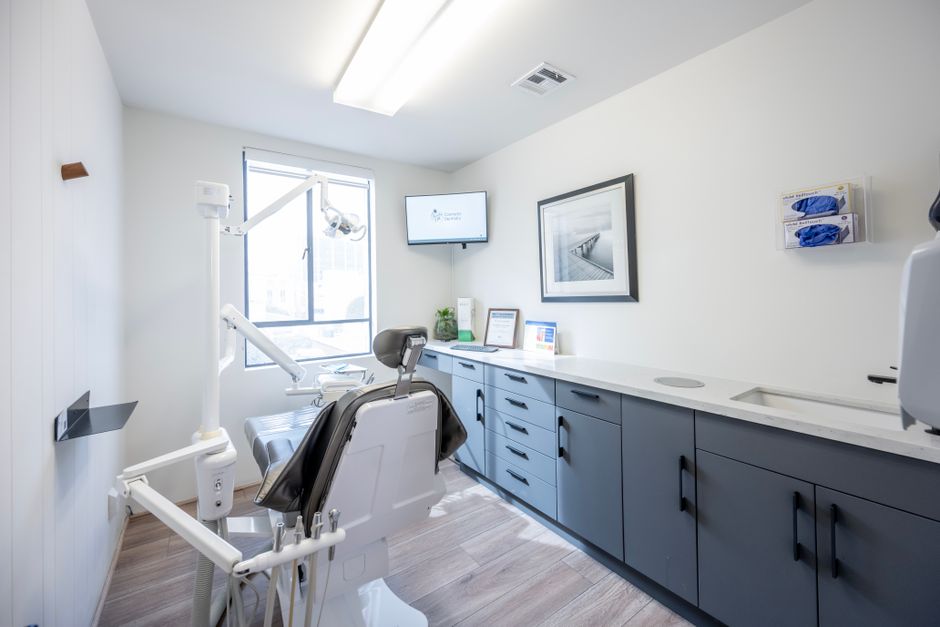
Local pack and map behavior sit on top of all of this. For many US dental categories, the map pack is the real first page. GBP categories, services, products, posts, Q&A, photos of the actual operatory, and a steady review cadence matter as much as the website blog. Practices that treat GBP as set-and-forget still wonder why a newer competitor with stronger review velocity and fresher photos wins the pack in Los Angeles or Houston. Pair entity clarity (consistent name, address, phone, doctor schema, service schema) with on-site pages that match what the profile claims. Mismatched hours or services between the site and the profile train Google and patients to distrust both.
If you want a partner that already lives in this niche, skim how we frame Dental Practices and Cosmetic Dentistry marketing before you rebuild the keyword map from scratch. The goal is not more topics. It is fewer, sharper intent lanes tied to chairs and case value.
Pages, proof, and speed: where organic traffic turns into consults
Ranking without conversion is how SEO gets a bad name inside dental groups. Patients land, scan for insurance, financing, doctor credibility, and “how soon can I be seen,” then leave if those answers take three taps. What works is service pages built like landing pages: one primary offer, scannable proof, visible phone and online scheduling, trust signals above the fold, and FAQs that match real objections (downtime, pain, cost ranges, candidacy). Cosmetic pages need more visual proof than general dentistry pages. Restorative and emergency pages need speed and clarity more than lifestyle photography.
Response speed still decides outcomes even when the lead is organic. A form filled at 7pm for “wisdom tooth pain” that sits until morning loses to the practice that answers the phone or texts back same evening. Route high-intent form fills and chat to a human path, not a generic autoresponder. Track the full chain: organic landing page, form or call, booked consult, show, accepted treatment. If you only measure “SEO leads,” you will overfund pages that generate low-show tire-kickers and underfund pages that quietly produce accepted full-arch cases.
On-site behavior tells you where proof fails. Heatmaps and session patterns usually show the same leaks: patients expand pricing FAQs then abandon, start the insurance form then drop, or never reach the gallery because it sits below a wall of paragraphs. Tools like HeyLead Insights help marketing leaders see scroll depth, rage clicks, and form abandon on the exact pages SEO is paying to rank, so you fix the handoff instead of guessing. Pair that with basic technical hygiene: fast mobile LCP, stable booking embeds, readable fonts, and click-to-call that works. Desktop conversion often looks fine in aggregate while mobile, where local intent lives, quietly underperforms.
Review proof belongs on the page, not only on Google. Pull recent, specific themes into the site: “gentle with anxious kids,” “clear implant timeline,” “financing explained without pressure.” Star count alone is table stakes in competitive metros. Specificity converts. So does doctor-level E-E-A-T: credentials, before-and-after protocols, technology (CBCT, intraoral scanners) explained in plain language, and content a real clinician would stand behind. In a SERP shaped by AI summaries, being the practice cited and trusted matters more than publishing the longest article.
What wastes budget here is sending hard-won organic traffic to a homepage with six competing CTAs, an outdated team page, or a contact form that asks for insurance ID before the patient knows if you offer the procedure. Equally wasteful: endless redesigns without measuring consult rate by landing page. Fix the money pages first. Then expand.
A sustainable SEO system for multi-location and cosmetic growth
US dental SEO that keeps working is less about heroic launches and more about a cadence the practice can maintain when the clinical schedule is full. The practical playbook looks like this. Build a keyword and intent map by service line and location. Shore up technical foundations and Core Web Vitals on templates that matter. Strengthen every GBP and entity signal. Rewrite or rebuild the top revenue service pages with proof and booking paths. Then publish supporting content that earns internal links and answers pre-consult questions without diluting commercial pages.
Content volume without ownership fails. Many practices hire a writer, ship four blogs a month, and stop when results take longer than a quarter. Realistic organic gains in competitive US markets often take sustained work over months, not a two-week sprint. The teams that stick with it treat content like a product: briefed from real patient questions, reviewed for clinical accuracy, tied to a service page, and refreshed when rankings or conversion slip. They also protect information gain. After core updates that reward original perspective, another generic “benefits of dental implants” post is a cost center. A page that documents your full-arch consult process, recovery expectations, and candidacy filters is an asset.
Cadence is the hard part when you do not have an in-house editor. That is where a managed system helps. HeyLead’s Auto Blogger briefs from your existing keyword map and flags content that would cannibalize money pages before it publishes, so multi-location groups can keep shipping useful, niche and region-aware articles under human strategy without standing up a full content department. Use it to support the intent map, not to flood the domain with filler. Strategy still decides which clusters deserve oxygen: emergency, family, ortho, implants, aligners, veneers, sleep apnea adjuncts, and so on, filtered by what your chairs can actually accept profitably.
Measurement has to match the business. Report organic-assisted new patients, consult bookings by landing page, show rate, and treatment acceptance where you can connect systems. Directional CPC and ROAS benchmarks from paid channels are useful context for budget conversations, but they are not SEO KPIs. Watch cannibalization across location pages. Watch which queries AI Overviews own so you optimize for visibility and brand mention, not only classic blue-link CTR. And keep SEO tied to landing-page CRO instead of treating rank tracking as the finish line.
What wastes budget inside the “system” is constant restructures: new site, new IA, new agency playbook every six months, with no time for compounding. So is buying links with no relevance to health or local entities, or automating content no clinician would sign. Pick a durable architecture, improve the pages that print money, and let supporting content accumulate.
The DSO competitor problem in Phoenix
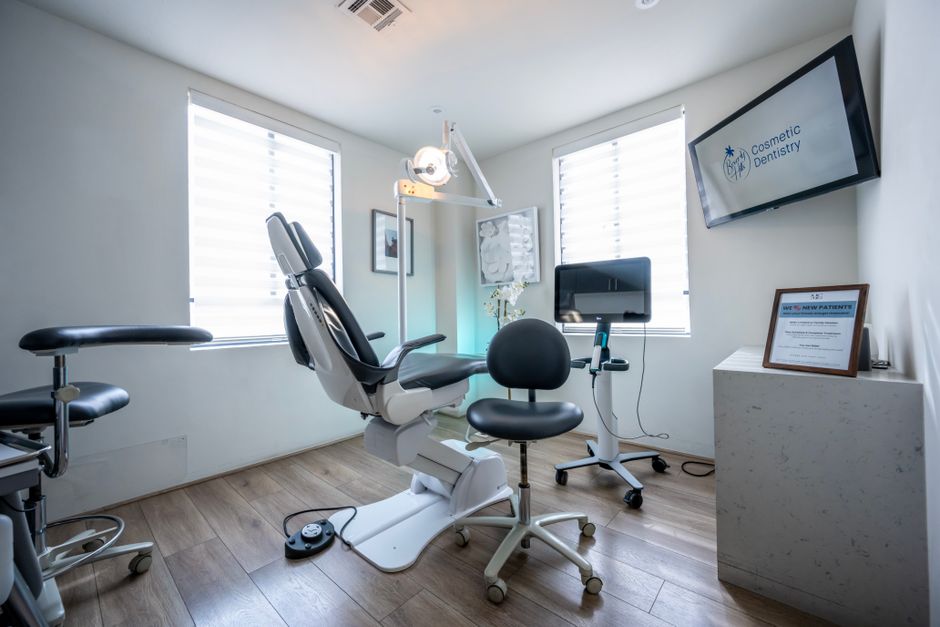
A boutique implant-focused practice in Phoenix competing against DSOs with bigger domains was pouring budget into national implant thought leadership that never ranked locally. Map pack visibility was weak because the GBP categories were generic, photos were stock, and review replies were rare. They flipped the plan. Weekly authentic operatory and team photos, service categories tightened to implants and full arch, location landing page rewritten around CBCT-guided planning and sedation options, and a simple call tracking pool on organic landing pages so they could see which queries became consults. They cut two monthly “education” posts that never converted-posts that never mentioned financing or recovery, so patients still called asking the same three questions-and replaced them with one deep candidacy guide plus ongoing GBP posts, putting those answers directly on the service pages so the front desk stopped dreading website leads. Call volume from the pack rose first. Website organic followed as the entity signals and on-site alignment reinforced each other. Oddly specific operational win: form completion nearly tripled after reducing fields and surfacing the financing explainer above the fold, without buying a single new backlink that month.
Both cases share the same pattern. Waste was not “SEO does not work.” Waste was SEO aimed at the wrong intent, with proof and response paths that did not match how dental patients actually book in US metros. Fix the mechanism, then scale the publishing.
Action checklist
Action checklist for dental practices
Use this as a working checklist for dental practices - specific steps you can run this week, not theory.
- Map the last 90 days of Search Console queries for dental practices into intent clusters that match how buyers actually book (high-intent service terms vs pure DIY research).
- Pick one money page that should own the primary commercial query in your US market. Demote or 301 any blog that outranks it for that term.
- Rewrite that page with a single primary CTA, proof above the fold, financing or pricing clarity where relevant, and a short form (name, phone, need, preferred time).
- Align Google Business Profile categories, services, hours, and real photos with the same money services (every location if multi-site).
- Add internal links from the top 5 support URLs into the money page with descriptive anchors.
- Track calls and forms by landing page for two weeks before you fund more content volume.
- Only then brief one support article that answers a pre-purchase question and links back to the money page.
Free tools - try these yourself
If the checklist shows a leak you cannot close in-house this month, request a free marketing audit - we will prioritize SEO, ads, and landing pages around the same outcome metrics above.
Frequently asked questions
How long before dental SEO in a competitive US city shows booked patients?
In our experience across competitive markets like LA and Miami, GBP call volume typically moves within 6-10 weeks of category and photo updates; website organic for implants terms usually needs 4-6 months of consistent on-page and entity work. Technical fixes can move call volume sooner than content alone. Anyone promising a full organic pipeline in a week is selling risk, not a program.
Should we prioritize Google Business Profile or the website first?
Do both, but sequence by leakage. If the map pack is invisible, fix categories, reviews, photos, and services immediately-we routinely see pack call share respond within one review-velocity cycle when operatory photos replace stock and primary categories match the money services. If you already win the pack and lose on the landing page, fix conversion proof, speed, and booking paths next. They reinforce each other; they are not a substitute for each other.
Is AI content worth using for dental SEO?
As a draft accelerator under clinical and brand review, yes. As unedited bulk publishing, no. We only ship AI-assisted drafts that a clinician has checked for procedure accuracy and that include at least one practice-specific detail-named technology, financing path, or candidacy filter-patients cannot get from a generic summary. Ranking and trust still depend on specificity, local proof, and information gain.
What should we track besides rankings?
Organic sessions to money pages, calls and forms from those pages, booked consults, show rate, and accepted treatment where systems allow. Add Core Web Vitals on key templates and review velocity by location. In our reporting, we flag any money page with form completion under 5% or median mobile LCP above ~2.5s before we spend another month on new content aimed at that URL. Rankings without those ties are a vanity layer.
When does it make sense to keep SEO in-house vs. hire a partner?
In-house works if you have durable strategy, clinical review capacity, technical help, and someone who will maintain GBP and content when the schedule gets busy. Most growing multi-location groups underestimate the ongoing load: roughly a steady weekly block for GBP photos, review replies, and service-page proof updates across every market, plus clinical review on every draft. A specialist partner is often the cleaner way to keep that cadence running without pulling doctors into content ops.
Putting it to work
Execution sprint
This week
- Pull 30-90 days of performance for dental practices (Search Console, ads, CRM, or call logs - whatever you have).
- Flag the top leak: wrong intent, weak page, slow response, or dirty conversion tracking.
- Ship one fix on the highest-traffic money path (page, campaign split, or response rule).
- Run the free tools below on that same URL or account and log the findings.
Free tools for this sprint
Next 30 days
- Expand the fix to the next one or two money paths only after the first one shows cleaner bookings.
- Align creative, keywords, or content with the same offer the page now states.
- Review booked outcomes weekly; cut anything that still only produces unqualified volume.
Next 30 days
- Expand the fix to the next one or two money paths only after the first one shows cleaner bookings.
- Align creative, keywords, or content with the same offer the page now states.
- Review booked outcomes weekly; cut anything that still only produces unqualified volume.
Next 30 days
- Expand the fix to the next one or two money paths only after the first one shows cleaner bookings.
- Align creative, keywords, or content with the same offer the page now states.
- Review booked outcomes weekly; cut anything that still only produces unqualified volume.
Free marketing audit, or reach Martin directly:
Get a free audit Chat with us on WhatsApp · [email protected]