
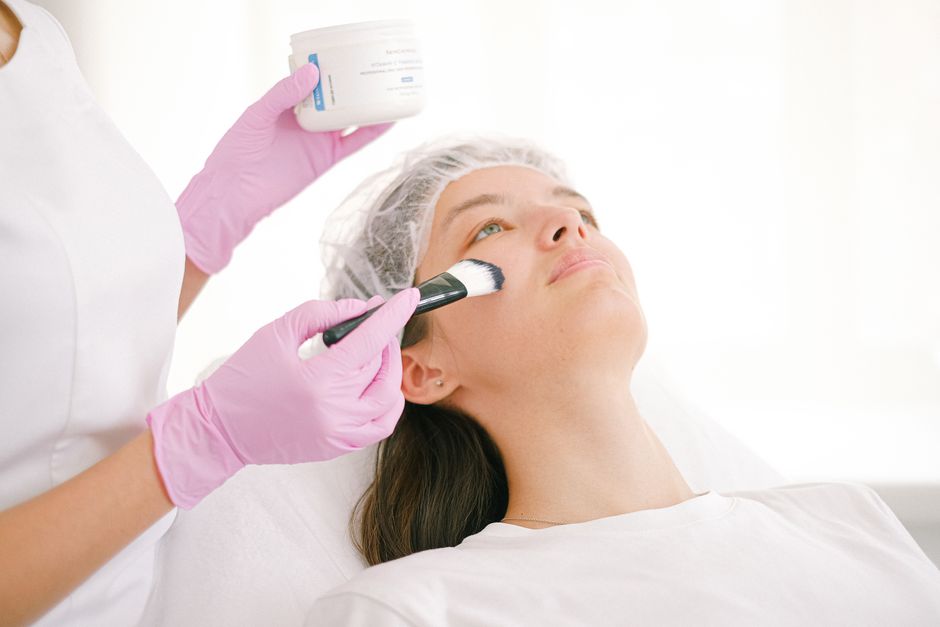
A Phoenix patient watches a 12-second Reels clip of a lip hydration treatment on her lunch break, screenshots the price range in the caption, and only later Googles the clinic name. That is how a lot of aesthetics demand starts in the US now. Not with a high-intent keyword. With a face, a result, and a short scroll stop.
If you own or run marketing for a medical aesthetics or cosmetic dermatology practice, Meta is often where awareness turns into a consult request. The channel can fill your front desk with forms. It can also bury your coordinators in price shoppers, tire-kickers, and leads that go cold in an hour. Social demand generation is the difference between those two outcomes: creative that attracts the right patient, offers that match real treatment intent, and a handoff fast enough that Instagram interest becomes a booked chair.
This explainer walks through how US buyers decide on injectables, laser, body contouring, and med-spa packages, what good Meta demand actually looks like for a clinic, and what has to be true before you scale spend.
How US aesthetics patients move from scroll to booked consult
Aesthetic buyers rarely wake up and search “best Botox near me” as their first move. More often they browse Instagram or Facebook for results that look like them: age range, skin tone, treatment area, and a clinic that feels clinical enough to trust and approachable enough to message. In markets like Dallas, Los Angeles, Atlanta, and Miami, patients compare multiple practices in parallel. They save Reels, read reviews, check before-and-after galleries, and only then decide whether to fill a form, call, or DM.
Urgency shows up differently by treatment. Neurotoxin and filler can be event-driven (wedding, reunion, work photos). Laser and skin programs are more research-heavy. Body contouring and surgical-adjacent offers carry longer consideration and higher sticker shock. A “good week” for most multi-provider clinics is not raw lead count. It is a steady mix of qualified consults that match provider capacity, with enough show rate that the schedule does not collapse on Monday morning.
That buyer path is why Meta behaves differently from search. Google often captures people already shopping a procedure name. Meta creates and shapes demand earlier. Creative does a lot of the targeting work. The ad has to stop the doom scroll, signal medical credibility, and set expectations on price, candidacy, and next step. If the creative only sells “glow” and the landing page suddenly asks for a full medical history and a $200 consult fee with no proof, trust breaks in seconds.
Owners who treat Meta like a cheaper version of Google Ads usually misread the lead. A form from a cold social click is not the same animal as a branded search call. Social leads need more proof, clearer offers, and faster human follow-up. Without that, your CPL looks fine while your calendar stays thin.
Where Meta lead gen quietly fails clinics
The common failure mode is simple: the account optimizes for cheap Instant Form volume while the practice needs show-ready consults. Advantage+ and broad delivery will find people who tap “Get offer.” They will not automatically find people ready to book dysport, a CO2 series, or a membership package if your creative, offer, and follow-up do not filter and educate.
You see the damage in operations before you see it in the ad dashboard. Coordinators complain that half the leads ghost after the first text. Providers get blocked with no-shows. Marketing celebrates a $28 CPL while front desk knows those leads never become deposits. Attribution gets muddy because Meta’s reported CPA and your practice management software disagree, especially when call tracking, Instant Forms, and website forms all sit in different buckets.
Creative fatigue hits aesthetics hard. UGC-style face videos and before-and-after carousels can work for a few days, then CPMs climb while lead quality softens. Teams often respond by stacking more lookalikes and interest layers from a 2020 playbook. In 2026 delivery, that usually underperforms broader setups with stronger creative variation. “Creative is your targeting” is not a slogan here. If every ad looks like the same filler lip shot with a generic “book now,” Meta has almost nothing distinctive to match against.
Post-click is the other leak. Many clinics still send traffic to a homepage packed with every service, a buried phone number, and a contact form that asks for too much too soon. Instant Forms reduce friction, but they also invite lower intent if questions are weak and the thank-you path is a slow email. Landing pages without real patient proof, provider credentials, city-level trust signals, and a clear consult offer convert social curiosity into bounce. Speed-to-lead compounds it. A Meta lead who filled a form at 8:15 p.m. and gets a callback at noon next day has already messaged two other clinics in Houston or Chicago.
If your funnel is leaking after the click, tighten the page and form path before you pour more budget into Meta Ads. Volume without handoff discipline just trains the algorithm on the wrong outcomes.
Get a free marketing audit - we review your search, ads, and landing pages and send back what to fix first.
Get a free audit
A practical Meta demand generation playbook for medical aesthetics
Start with offer clarity, not campaign clutter. Pick two or three services you actually want more of this quarter: for example neurotoxin new patients, a laser package with a defined series, or a consult-led body contouring path. Build creative around a specific result, candidacy cue, and next step. Price ranges or “from” framing help when done carefully and compliantly. Vague “transform your look” ads attract browsers. Specific “under-eye rejuvenation consult with board-certified providers in Buckhead” attracts people closer to a decision.
Structure lean. For a single-location clinic, that usually means one prospecting campaign with 2-3 ad sets (broad, site visitors excluded, and a first-party list exclusion), and shipping at least two new creative variants per week - not per month. Most aesthetics teams undertest hooks and over-rotate on audiences. Use first-party signals from site visitors, engagers, and past patients where policy and platform tools allow, but do not treat stacked interests as a strategy. Feed Meta clean conversion events that mirror business value: scheduled consult, qualified lead after staff review, or deposit where possible. Weak pixel events that fire on every thank-you page teach the system to find form fillers, not patients.
Decide Instant Form versus landing page by intent and capacity. Instant Forms work when questions qualify (treatment interest, timeline, prior treatment history, zip or neighborhood, and consent to text) and your team replies inside minutes during operating hours. Dedicated landing pages win when you need stronger proof: provider bios, before-and-after galleries matched to the ad, reviews, financing notes, and a single CTA. Match the ad hook to the first screen. If the Reel promised “no-downtime laser refresh,” the page should not open on a general med-spa homepage carousel.
Retargeting is where social demand often becomes efficient. People who watched most of a treatment video, visited a service page, or opened a form without finishing are warmer than cold traffic. Rotate proof-led creative: patient stories, provider explainers, objection handlers on downtime, bruising, and “is this safe.” Cap frequency so you do not annoy the same Dallas zip code for three weeks with the same static.
Measurement has to connect ad spend to booked consults and shown appointments, not only platform leads. Sync offline outcomes when you can. Review weekly at the level of creative, offer, and lead quality notes from front desk, not only blended CPL. In aesthetics accounts we run, blended Meta ROAS tends to trail branded Search - which is expected; the win is in new-patient acquisition cost and LTV, not ROAS parity with ecommerce.
For practices that want a partner already fluent in this niche, HeyLead’s Medical Aesthetics and Cosmetic Dermatology marketing work sits on the same loop: creative, offer, page, speed-to-lead, and closed-loop reporting rather than orphaned lead dumps.
Two US clinic scenarios where the Meta handoff changed the math
Scenario one: a multi-provider cosmetic dermatology group in the Chicago suburbs ran broad Meta prospecting into Instant Forms for “Botox specials.” CPL looked healthy for six weeks. Show rate did not. The break was not the auction. Forms asked only for name, email, and preferred day. No treatment area, no timeline, no text opt-in clarity. Leads sat in a shared inbox until morning huddle.
The fix was operational and creative together:
-
Rewrote form questions to capture treatment area, last treatment date, and best text window.
-
Routed new leads to SMS within five minutes during desk hours, with a short script tied to the exact ad offer.
-
Rebuilt creative around provider-on-camera explainers and real under-eye and crow’s feet results instead of stock “spa day” footage.
-
Paused the cheapest lead ad sets that consistently produced no-shows after two review cycles.
Lead volume dropped about 18%. Booked consults from Meta rose, and the front desk stopped treating the Facebook sheet like spam. The mechanism was qualification plus speed, not a bigger budget.
Scenario two: a medical aesthetics practice in Atlanta scaled Reels traffic to a homepage. Traffic was fine. Consult requests were not. Session behavior showed users hitting the gallery, then bouncing when the only CTA was a buried “Contact” link under membership upsells. They moved spend to a single-service landing page for a laser package, put three matched before-and-after sets above the fold, listed provider credentials, and cut the form to four fields plus a click-to-call option for mobile.
Tools like HeyLead Insights help here because heatmaps and session recordings show whether patients ever reach proof blocks, where they abandon forms, and which mobile layouts stall the thumb. In this Atlanta case, the page change and a 15-minute response SLA did more than another round of interest targeting. Cost per booked consult dropped from ~$180 to ~$110 over six weeks even though CPM was not the hero metric that week.
Patterns we see in audits
The short quotes below are illustrative composites drawn from patterns in account reviews. They are not quotes from named clients.
“We were celebrating a $31 CPL on Instagram filler ads until the coordinator showed me that only one in five would even reply to a text the same day. The creative was fine. Our form and follow-up were the leak.” - Owner, medical aesthetics practice, Texas
“Broad targeting finally worked when we stopped rotating the same three before-and-afters for a month. Once CPMs crept up, we killed winners on day six or seven and shipped new hooks instead of adding more interest layers.” - Head of Marketing, cosmetic dermatology group, Southeast US
Action checklist
Free tools
DIY free tools for this playbook
Before scaling Meta spend, make sure your landing pages and local search presence aren't leaking the patients you paid to attract. Run these on the pages and campaigns this article covers, then fix what they flag before you scale spend or content volume.
Run these on this playbook
If the checklist shows a leak you cannot close in-house, request a free marketing audit.
Frequently asked questions
Are Instant Forms bad for aesthetics clinics?
No. They are a tool. They fail when questions are thin and response is slow. They work when you qualify treatment intent, capture permission to text, and staff replies quickly with a path to schedule. For higher-ticket or higher-anxiety treatments, a proof-heavy landing page often converts better even at a higher CPL.
How fast should we respond to a Meta lead?
Treat social leads like warm walk-ins, not like a weekly CRM batch. During desk hours, minutes matter. Many clinics aim for first meaningful contact inside 5-15 minutes. In accounts we audit, leads contacted inside 10 minutes show rate is consistently 2-3x higher than those reached after an hour - which is why speed beats a polished next-day follow-up sequence. After hours, an automated text that sets expectations and offers the next booking window beats silence until morning.
Should we still use tight interest targeting and lookalikes?
Use first-party audiences and smart exclusions where they help, but do not rebuild 2020 audience stacks as your primary strategy. For most US aesthetics accounts, broader delivery plus stronger creative and cleaner conversion signals outperforms heavy manual nesting, especially once you have enough event volume.
What proof belongs on a Meta landing page?
Matched before-and-afters for the exact treatment in the ad, provider credentials, genuine reviews, plain-language downtime and candidacy notes, and a single clear CTA. City or neighborhood cues help local trust. Avoid sending every campaign to a general homepage that dilutes the promise that stopped the scroll.
How do we know Meta is working if platform CPA disagrees with our PMS?
Define one internal source of truth for booked and shown consults by channel. Compare creative and campaign trends directionally in Meta, but make budget decisions on consult quality, show rate, treatment start rate, and revenue where you can attribute it. If tracking is broken, fix events and offline feedback before you scale.
Next steps
Pull the last 30-45 days of Meta leads and tag each one with a simple internal label: booked, contacted no book, unqualified, and no response. Next to each label, note time-to-first-response and whether the person came from Instant Form or a landing page. Patterns show up fast, usually inside one working session with your coordinator.
If the gap is the social handoff between creative, lead quality, and consult booking for your aesthetics practice, HeyLead can run that Meta demand program end to end so your team is not stuck rebuilding forms, creative, and follow-up in between patient days. Reach out at [email protected].
Free marketing audit, or reach Martin directly:
Get a free audit Chat with us on WhatsApp · [email protected]