
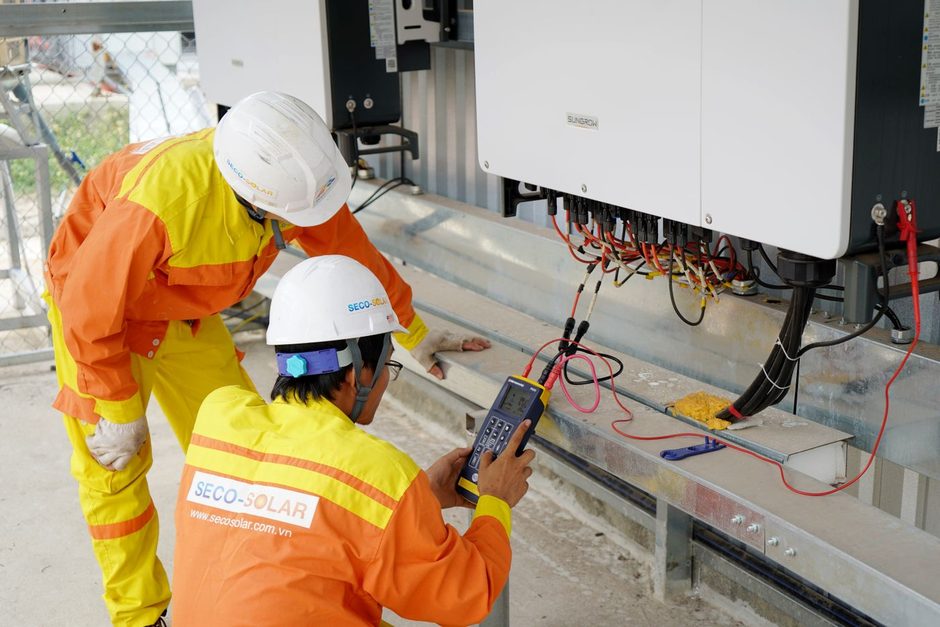
Facilities managers do not browse “battery brands.” They search when a UPS failed at 2am, a generator bid is due Friday, or a data hall cannot take another outage. That is the job PPC has to win for battery and backup power companies: high-intent searches for runtime, kVA, transfer switches, lithium vs VRLA, and install capacity, not generic “best battery” traffic that never becomes a site survey.
Search CPC averaged $2.96 in those same blended consumer-heavy datasets and climbed about 12% year over year. In commercial power verticals, UPS and generator CPCs typically run $15-40 on high-intent terms. If your quote form is a desktop PDF maze, you are paying for clicks your sales team never sees.
This piece is a working PPC playbook for battery, UPS, generator, and backup power marketers: how to structure campaigns around commercial intent, starve consumer noise, land traffic on pages that match the ad, and measure pipeline instead of form spam.
Where paid search money leaks on backup power queries
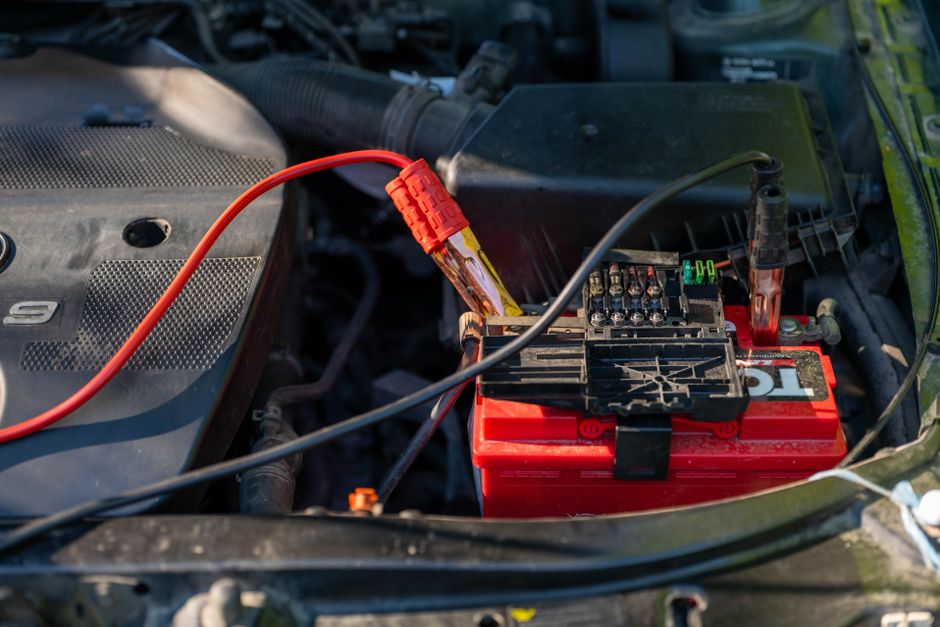
In this category the leak is specific. Someone searching “AA batteries bulk” or “car jump starter” is not your 200 kVA UPS buyer. Someone searching “home generator 22 kW” might be, if you actually sell residential standby. If you do not, that click is a tax.
You will also see smart bidding chase cheap conversions. A “download spec sheet” micro-conversion looks efficient in the UI and trains the algorithm to find more brochure hunters. Meanwhile the $180k lithium UPS replacement sits in a longer form nobody completed on a phone. Privacy and ad blockers already strip 20%+ of conversion data. If the remaining signal is the wrong event, automated bidding inflates spend without improving quote quality. Plenty of teams then “go back to manual” on new accounts because they do not trust the data, not because manual is magically better.
AI Overviews now sit on a large share of searches and can cut CTR sharply even when impressions look healthy. Zero-click behavior is real. Paid still earns the click when the query is commercial and urgent: outage, replacement, compliance, expansion. Your job is to bid where the buyer is ready to talk to an engineer, not where they want a blog post on how a UPS works.
If they send every ad to the homepage, run. A homepage that sells solar, EV chargers, and forklift batteries in one hero cannot carry a “N+1 UPS for colocation” ad. Message match is not a slogan. It is the difference between a qualified RFQ and a bounce.
If your account is already bleeding on mixed intent, a focused Google Ads program for industrial and commercial products usually starts by rebuilding query themes and landing URLs before touching daily budget.
Campaign architecture that follows load, runtime, and install intent
Do not run one “Batteries” campaign with 400 keywords. Split by the job the searcher is trying to buy. Commercial UPS and battery cabinets live in a different buying committee than portable power stations. Generators and automatic transfer switches are a different sales motion than rack-mount UPS. Energy storage systems (BESS) for C&I sites are another motion again.
Use intent clusters, not every SKU as its own ad group. Cluster 1: UPS replacement and capacity upgrades (kVA, runtime, lithium conversion). Cluster 2: generators and standby power (kW, diesel vs natural gas, ATS). Cluster 3: battery energy storage and peak shaving. Cluster 4: service, maintenance, and battery replacement contracts. Cluster 5 only if you truly sell it: residential standby. Brand and competitor terms sit separately so you can see interception cost without polluting Smart Bidding on non-brand.
Keywords still matter even as Google leans on signals. Phrase and exact on commercial modifiers: “commercial UPS quote,” “data center UPS replacement,” “500 kW generator install.” Broad can work if negatives are aggressive and the conversion is a qualified lead, not a newsletter. Performance Max can drive bulk once you have clean offline conversion imports from won jobs. Until then, Search plus tightly themed RSAs is easier to diagnose. Broad match paired with Smart Bidding often shows 12-18% lower CPCs than exact/phrase in broader accounts - Google’s own internal tests cite this range, though quality varies by landing page relevance. Treat that as a test, not a religion, because quality can slip if your landing pages are generic.
Bidding: start with Maximize conversions only after Enhanced Conversions and a real “request site survey / request quote” event fire. If volume is thin, Maximize clicks with a CPC cap is less romantic and more honest for two to four weeks while you collect 30-50 qualified conversions. Constant structure changes reset learning. Change one thing at a time.
Checklist
Action checklist
- Export 90 days of search terms. Tag each as commercial UPS, generator, BESS, service contract, residential, or junk (consumer cells, automotive, toys).
- Build four Search campaigns max for those commercial themes plus a brand campaign. Pause the kitchen-sink campaign.
- VRLA, install, and “site survey” rather than “quality batteries.”
- Add negatives in bulk: aa, aaa, 18650, jump starter, motorcycle, rv, camping, toy, wholesale cells, if those are not your SKUs.
- URL with matching H1, not the homepage.
- CRM within 48 hours.
- Cap geo to serviceable install regions. National “battery” traffic with no truck roll is vanity.
- Set a weekly search-term review, not a daily bid-tweak ritual that resets learning.
- Only then test Performance Max with asset groups that match the same four themes and feed it offline conversions.
- Kill any conversion action that is not a quote, callback, or booked survey. Spec-sheet downloads train junk.
Free tools - try these yourself
Get a free marketing audit - we review your search, ads, and landing pages and send back what to fix first.
Get a free audit
Landing pages a facilities buyer will finish on a phone
Backup power pages fail INP when product tables, 40MB PDFs, and chat widgets fight the quote form. Mobile already converts worse. A 4-second INP on “Request a load study” is how a $90 CPC becomes a bounce.
Build one page per intent cluster. The UPS replacement page should open with capacity, runtime at typical load, lithium conversion path, and a form that asks kVA, critical load, and preferred survey window. Do not ask for a life story. The generator page should show fuel type, kW bands you actually install, permitting language, and photos of real ATS rooms, not stock sunsets. Social proof that names industries (hospital, colocation, manufacturing) beats star widgets from consumer battery buyers.
Stop sending “commercial UPS” ads to a catalog grid. Put runtime calculators and a 3-field form above the fold; in one rebuild, conversion rate moved from 1.2% to 3.8% over six weeks. Require “facility type” on the form so sales can ignore residential spam without touching bids - quote quality jumped when that single field filtered out consumer packs. Keep quantified claims scarce; the mechanism is match and friction, not a miracle number.
Watch the handoff with session evidence. HeyLead Insights shows whether people stall on the PDF, miss the form below a 12-row spec table, or rage-click a “Call engineering” button that is not click-to-call on mobile. Guessing is how you keep paying for the same dead scroll.
UTMs on every RSA and PMax asset. If sales still say “the internet sent this,” you cannot protect smart bidding.

What a 60-day rebuild looks like for a UPS and generator seller
A head of marketing at a mid-market backup power distributor had Search and PMax dumped into one budget. CPCs on “UPS” looked cheap. Pipeline from paid was mostly 12V consumer packs and a handful of real RFQs. They pulled search terms, cut consumer negatives, split UPS vs generator vs service, and pointed each to a dedicated URL. They stopped counting brochure downloads as conversions. Smart bidding had been optimizing for the wrong event for months.
Week three they imported “survey booked” from the CRM. Volume dropped. Cost per booked survey rose, then settled. Sales stopped complaining about tire-kickers. That is the trade you want: fewer forms, more trucks on site. They did not promise a ROAS on day one. Realistic paid programs in this vertical take 3-6 months to stabilize because the sales cycle includes engineering, not a checkout. CPL dropped 40% over 8 weeks once survey-booked was the only conversion Smart Bidding could see.
A second pattern: a generator installer kept resetting campaigns every time a new product line launched. Learning never completed. They froze structure, added asset-group copy for gas vs diesel, and used sitelinks for permitting and maintenance SLAs. Performance Max started carrying more of the mix only after offline wins flowed back. “Performance Max drives the bulk now” is a fine end state. It is a bad starting point when tracking is messy.
Do not guarantee CPL before you have seen the account, pages, and unit economics. Anyone who does is selling you a screenshot.
Patterns we see in audits
The short quotes below are illustrative composites drawn from patterns in account reviews. They are not quotes from named clients.
In that same 60-day rebuild, the mid-market distributor had been optimizing to spec-sheet downloads. Smart bidding loved it. Sales hated every lead. The day they switched the conversion to booked site surveys, CPL looked worse for two weeks and pipeline actually showed up. If every UPS ad still lands on the homepage, you already know how the quarter ends.
FAQs
Should battery and backup power companies use Performance Max from day one?
No. Use Search until you have a qualified conversion (quote or survey) firing with Enhanced Conversions and enough volume to train. Then add PMax with themed asset groups.
Is automated bidding just going to inflate spend?
It will if the conversion is the wrong event or 20%+ of conversions never make it back due to broken tags. Fix signals first. Then automation is cheaper than living in the bid editor. Manual bidding is a diagnostic tool, not a strategy.
How do we stop consumer battery searches from eating budget?
Negatives, campaign splits, and landing pages that look industrial. If the page shows 18650 cells and forklift batteries next to 500 kVA UPS, Google will keep mixing audiences. Match the creative and the URL to commercial load language.
What should we report to leadership besides ROAS?
Booked surveys, qualified RFQs, win rate by campaign theme, and cost per won job. Last-click will double-count across channels. Use it tactically. Do not let it be the CFO answer. Offline import beats in-platform CPA when the cycle is long.
How long before this looks stable?
For most commercial UPS and generator accounts, expect 60-90 days to reach stable CPL once Enhanced Conversions and CRM imports are live. Accounts starting with messy structure or no offline data take 4-6 months. The signal that you’re stable: Smart Bidding stops swinging week-over-week and survey-booked volume is consistent.
Putting it to work
Execution sprint
This week
- Pull 30-90 days of performance for battery and backup power (Search Console, ads, CRM, or call logs - whatever you have).
- Flag the top leak: wrong intent, weak page, slow response, or dirty conversion tracking.
- Ship one fix on the highest-traffic money path (page, campaign split, or response rule).
- Run the free tools below on that same URL or account and log the findings.
Free tools for this sprint
Next 30 days
- Expand the fix to the next one or two money paths only after the first one shows cleaner bookings.
- Align creative, keywords, or content with the same offer the page now states.
- Review booked outcomes weekly; cut anything that still only produces unqualified volume.
This week
-
Pull 90 days of search terms and mark consumer vs commercial UPS, generator, BESS, and service.
-
Pause any conversion action that is not a quote, callback, or booked survey.
-
Point each live RSA to a matching intent page; check H1 and form fields against the ad.
-
Run the Core Web Vitals checker on those URLs and fix the worst INP offender (usually the form under a heavy table).
-
Build UTM conventions so sales source is not “website.”
Next 30 days
-
Split campaigns by intent cluster and freeze structure while learning completes.
-
Turn on Enhanced Conversions and import closed-won or survey-booked from CRM.
-
Test one Performance Max asset group only after Search is clean.
-
Review negatives every week, not bids every morning.
Start by dumping last quarter’s paid search terms into a spreadsheet and tagging every query that could never become an install or a battery cabinet swap. That single list usually funds the restructure. If you want a partner to own the messy loop between commercial query themes, dedicated quote pages, and CRM conversions so smart bidding stops chasing brochure hunters, HeyLead can run that PPC system for battery and backup power companies. Chat with us on WhatsApp
Free marketing audit, or reach Martin directly:
Get a free audit Connect on WhatsApp · [email protected]