
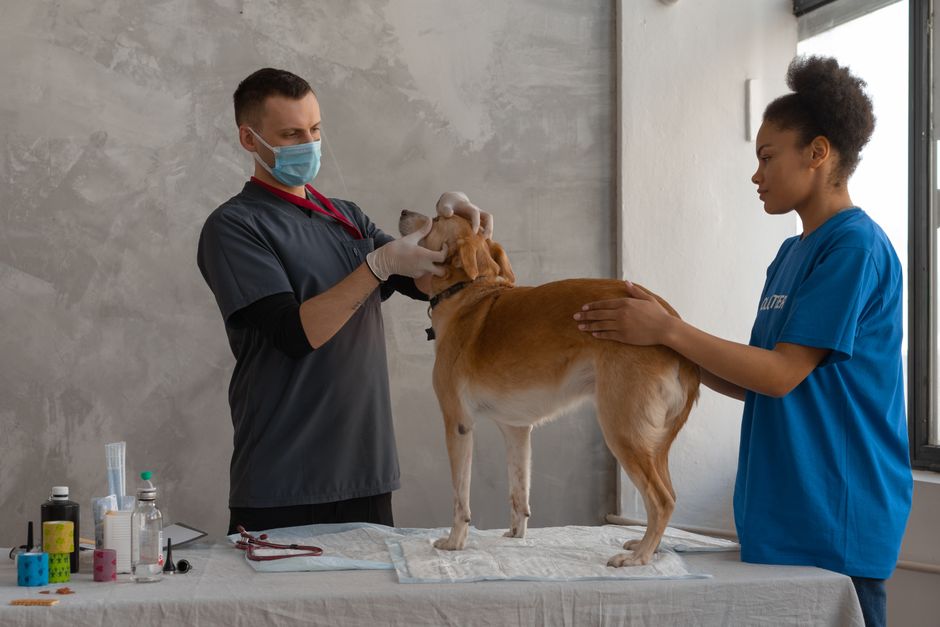
Where does a pet owner land after they tap your “emergency vet near me” ad at eleven at night? If the answer is your homepage, with a rotating banner of staff photos and a tab marked “Our Philosophy,” you’ve already lost that click. The owner doesn’t want your philosophy. They want to know if you’re open, if you can see a dog that just ate a box of raisins, and what it’s going to cost before they hand over a credit card. Here’s the part that stings: you probably paid for that click. Veterinary keywords are not cheap, and a frightened owner searching at night converts fast or not at all. Every minute they spend scrolling past your bios and your community-event photos is a minute they’re also opening the next tab, calling the ER clinic across town, or texting a neighbor who “knows a good vet.” Throwing more budget at Google Ads or Meta doesn’t fix this. It just buys you more chances to lose the same owner to the same homepage, faster and more expensively than before.
The clinics that book the click split their landing pages by decision, not by department. An owner staring at a swollen paw at midnight is making a completely different decision than a new client comparing wellness-exam pricing on a Tuesday afternoon, and a page trying to serve both ends up serving neither. That split, more than any headline or color scheme, is the real mechanism behind a landing page that turns traffic into a filled exam room.
What actually happens between the click and the appointment on your schedule
An ad is a promise. “Same-day appointments,” “walk-in vaccinations,” “24-hour emergency care” - whatever the headline says, the landing page’s only job is to prove that promise true within about three seconds of load. Pet owners on a phone in a parking lot aren’t reading your page the way you’d read a brochure. They’re scanning for one fact: can this clinic solve my problem right now, and what do I do next.
Google and Meta both read this mismatch even when the owner doesn’t consciously notice it. A slow-loading page, or one where the booking button sits three scrolls down, shows up as a weak signal in your account: fewer conversions logged against the same spend, which pushes automated bidding to guess harder about who to show your ads to next. Interaction to Next Paint, the Core Web Vitals metric that replaced First Input Delay, measures exactly this kind of friction: how long it takes the page to respond once someone actually taps something. On a clinic page, that’s usually the “Book Now” button, a phone number, or a symptom checklist. If tapping it feels sluggish on a mid-range Android phone in a dead zone near the highway, you’ve lost trust before the owner even sees your pricing.
There’s a second moving part specific to this industry that most agencies building generic landing pages never touch: the veterinarian-client-patient relationship, or VCPR. Many state veterinary boards require an in-person exam before a doctor can prescribe medication or diagnose remotely, which means a landing page promising “virtual vet visits tonight” can set up a promise your doctors legally can’t keep in that state. A telehealth landing page that doesn’t account for your state board’s rules isn’t just a conversion problem. It’s a page that quietly manufactures angry calls and one-star reviews from owners who booked a virtual consult expecting a prescription they were never going to get.
Put those two things together and you get the real structure of a page that works: fast enough to respond the instant someone taps, and honest enough about what can and can’t happen next that the owner isn’t surprised twenty minutes later.
What a landing page that books appointments actually looks like
Walk through a clinic’s analytics and you can usually tell within a minute whether the landing page was built around the ad or just happens to exist near it. A page built around the ad answers the one question that brought the owner there: is this an emergency, a scheduled visit, or something in between. A page that’s really just the homepage with tracking attached tries to answer every question a pet owner might ever have, which means it answers none of them quickly.
The clinics getting this right run separate pages for separate entry points: one for after-hours emergencies, one for new-patient wellness exams, one for dental cleanings, one for boarding, sometimes one for a specific seasonal spike like heartworm prevention in spring or holiday toxicity cases around Thanksgiving and Christmas. Each page carries its own proof: AAHA accreditation badges on the wellness page, a visible after-hours phone number and live hours on the emergency page, CareCredit or payment-plan language wherever cost is likely to stop someone cold.
If you want a second set of eyes on where your current page is losing pet owners before they book, HeyLead’s web design team can run that audit alongside whatever ad accounts are sending the traffic, so the fix isn’t guesswork.
Watching what actually happens on the page matters as much as building it right the first time. Session recordings and heatmaps, through something like HeyLead Insights, show you exactly where an owner’s thumb hesitates: do they scroll past your booking form looking for a price, do they abandon a four-field form on the third field, do they tap your phone number and then never actually call because it’s a landline nobody answers after 6pm. Guessing at this from a conversion-rate number in Google Ads tells you something broke. Watching the session tells you what.
Audit scorecard
- 1One page, one decision
Emergency, wellness, dental, and boarding traffic should never land on the same URL. If your ad says "emergency" and the page lists six services in a nav bar, you've reintroduced the homepage problem under a new name.
- 2Urgency answered above the fold
Open hours, whether you're taking walk-ins today, and a tappable phone number should all be visible without scrolling, on a phone screen, not just a desktop monitor.
- 3A phone number that someone actually answers
Call tracking tells you whether that number rings through during the hours your page claims to be open. A disconnect here is one of the most common reasons paid clicks don't turn into booked exams.
- 4A price range, not a wall of silence
You don't have to quote an exact fee for surgery. You do need to give a wellness exam or vaccination page a real range, because "contact us for pricing" reads as "expensive" to most pet owners.
- 5A form short enough to finish one-handed
Pet name, owner phone, reason for visit. Three or four fields, not a twelve-field intake form that belongs in your practice management software, not on the landing page.
- 6Reviews that could survive an FTC audit
Under the FTC's 2024 rule on consumer reviews and testimonials, you cannot buy, fabricate, or selectively suppress reviews, and you must disclose any material connection, including a staff member's own review. Real, unedited reviews still convert better than a polished wall of five-star quotes anyway.
- 7Honest telehealth language
If your state board requires an in-person exam before a virtual visit can lead to a prescription, say so on the page. It prevents the exact complaint call that undoes a week of good ad performance.
Once you know where the page is weak, the fix is mostly a build order, not a mystery. This is the sequence we run with clinic clients, roughly in this order:
Build sequence
- 1Pull your last 90 days of Google Ads and Meta traffic and see which landing URL each ad group actually points to. Most clinics find at least one campaign still pointing at the homepage.
- 2List every distinct reason a pet owner contacts you under urgency: tonight, this week, this month. Emergency, sick-pet same-day, new-patient wellness, dental, boarding, and any seasonal spike specific to your region.
- 3Build one dedicated page per urgency tier, each with its own headline that mirrors the ad copy word for word, so the owner feels like they landed in the right place.
- 4Add schema markup for your clinic's hours, location, and services so Google can show accurate open/closed status directly in search results, not just on your page.
- 5Set up call tracking on every phone number listed, broken out by landing page, so you can see which pages generate calls that actually get answered and booked.
- 6Run a mobile speed check on each page under real-world conditions, not just a desktop connection, since most of this traffic lands on a phone with a weak signal.
- 7Review your current testimonial or review widget against the FTC's 2024 rule and strip anything incentivized or undisclosed before it becomes a liability.
DIY tools for this section
Get a free marketing audit. We review your search, ads, and landing pages and send back what to fix first.
Get a free audit
The habits that feel productive but never move a vet practice’s book
A lot of what gets added to a clinic’s landing page makes someone on the marketing side feel better without making a single owner more likely to book. The “Meet Our Doctors” section with four paragraphs per veterinarian is a good example. It belongs on your about page. On a landing page an owner reached by tapping “emergency vet near me,” it just pushes the phone number and the hours further down the screen.
Stock photography is another one. A golden retriever stock photo tells a worried owner nothing about whether you can see their specific animal tonight, and it tells Google nothing either, since the image has no connection to your actual location or services. Real photos of your waiting room, your actual doctors, and your actual equipment do more work, even if they’re less polished.
Chasing a flawless star rating is the habit most likely to get a clinic in trouble, not just underperform. The FTC’s 2024 rule specifically targets review-gating, the practice of only asking happy clients to leave reviews while steering unhappy ones to a private form, along with buying reviews or failing to disclose that a reviewer works for the clinic. Front desk teams sometimes do this with good intentions, trying to protect the clinic’s reputation, but it creates real regulatory exposure, and ironically a page with a handful of specific, slightly imperfect reviews tends to convert better than one with a suspiciously perfect five stars across two hundred reviews anyway.
And a single generic contact form sitting at the bottom of every page, regardless of whether the visitor arrived worried about a seizure or looking for a nail trim, is a missed signal every time. That form can’t triage. A receptionist reading “my dog can’t stand up” in a generic inbox at 9am, three hours after it was submitted, is not the emergency response that owner needed.
What front desk staff notice when the landing page is doing its job
“We used to get three or four emergency form fills a week that were really just people who wanted a Saturday wellness appointment. Splitting the pages fixed that almost immediately. Now when someone fills out the emergency form, it’s actually an emergency, and we can prep for it before they walk in.”
Practice manager, three-doctor small animal clinic
“The thing nobody warned me about was the reviews. We had a front desk person asking happy clients to leave a Google review and quietly not mentioning it to the ones who seemed annoyed. Once I understood that could actually get us in trouble under the new FTC rule, we changed how we ask, and honestly the reviews we get now read more real anyway.”
Owner, two-location veterinary hospital

FAQ
Do we really need a different landing page for every service line, or can one strong page cover everything? One page can work for a very small single-doctor practice running one or two campaigns. Past that, separate pages for emergency, new-patient wellness, and any high-ticket service like dental or surgery consistently outperform a single page, because the urgency and the proof an owner needs are different each time.
Should an emergency landing page look different from a wellness exam page? Yes, and not just cosmetically. An emergency page should lead with hours, phone number, and what conditions you can treat tonight. A wellness page can lead with pricing, what’s included in the exam, and the doctor’s credentials, since that owner is comparing options, not panicking.
Can we use client testimonials on our landing pages under the FTC’s rules? Yes, real and unedited testimonials are fine. What’s not fine is fabricating a review, paying for one without disclosure, having a staff member post a review without identifying their connection to the clinic, or suppressing negative reviews to keep your rating artificially high. Audit your widget against those four points.
Does the virtual vet / telehealth trend apply to us, or is it mostly for human health platforms? It applies, but carefully. Check your state veterinary board’s rules on the veterinarian-client-patient relationship before you promise same-day prescriptions through a virtual visit. Many states still require an in-person exam first, and a landing page that overpromises here creates complaints, not bookings.
How fast does our landing page actually need to load? Fast enough that tapping the booking button or phone number feels instant on a mid-range phone with average signal, not your office wifi. If you’re not sure where your pages stand, run them through a free Core Web Vitals check rather than guessing from how fast they feel on your own desktop.
Putting it to work
Start this week by pulling your last 90 days of paid traffic and matching every ad group to its actual landing URL. It takes about twenty minutes in Google Ads and Meta Ads Manager combined. You’re looking for any campaign, especially anything with “emergency,” “same-day,” or “walk-in” in the ad copy, that’s still pointing traffic at your homepage instead of a dedicated page built for that exact promise.
That gap, between what the ad promises and what the page actually proves in the first three seconds, is the specific thing most veterinary clinics lose money on every month without realizing it. HeyLead builds and maintains the dedicated, state-aware landing pages and the tracking behind them so that gap closes and stays closed as your campaigns change. Chat with us on WhatsApp.
Free marketing audit, or reach Martin directly:
Get a free audit Connect on WhatsApp · [email protected]