

Late spring in Phoenix or Dallas, a homeowner’s filter is screaming, the water looks wrong, and they type “pool repair near me” or “pool leak detection” before they call a neighbor. That search is money on the table. The next search, “how to clean green pool DIY,” is research, not a truck roll. If your Google Ads treat both like the same lead, you pay contractor-level CPCs for people who never wanted a quote.
US swimming pool companies live on seasonal spikes, weather-driven urgency, and thin crews. A “good week” is booked service slots and installs with deposit checks, not a CRM full of nameless form fills. This piece is about paid search that books jobs versus spend that only fills forms, and how SEM / Google Ads has to be run against cost per booked job, not vanity CPL.
Why form-heavy pool campaigns feel busy while the calendar stays empty
Plenty of pool operators still optimize Google Ads for “leads.” The dashboard looks healthy. Cost per lead sits in a range that felt fine last year. Sales still says the phone is quiet or the callbacks are tire-kickers. What happened is simple: you bought intent that never planned to hire anyone this week.
Pool search in the US mixes emergency repair, opening and closing, cleaning routes, renovations, and new builds. Emergency and equipment-failure language converts differently from “pool ideas” or “best pool chemicals.” When you dump everything into one Search campaign with broad match and weak negatives, Google happily spends on the cheap, high-volume terms. Those clicks convert on soft landing pages that ask for an email “for a free guide.” You get volume. You do not get a tech on site.
Response capacity makes it worse. A form at 7:40pm in Houston after a storm may sit until morning. By then the homeowner already booked the company that answered the call. Call extensions and call-only paths on high-intent mobile queries often beat forms for same-day work. Forms still matter for renovations and new construction, where people want photos and financing notes, but if every campaign pushes the same long form, you train Google that a half-filled contact is success.
Tracking seals the failure. If “conversion” means any form submit and you never import booked jobs or closed revenue from the CRM or dispatch system, Smart Bidding chases form spam and low-intent research. You will keep buying more of what the algorithm already “won.”
High-intent queries and negatives that protect a pool company’s budget
Start with intent clusters that map to real work tickets: leak detection, pump and motor replacement, green pool recovery when they want service not tips, heater repair, salt system issues, plaster or pebble reno, pool opening or closing by metro, and commercial or HOA maintenance where you actually serve that segment. Match types and exact or phrase structure still matter on the money terms even when AI and broad tools are in the account. Broad without ruthless negatives is the single fastest way to bleed budget on irrelevance.
Build negatives like an ops list, not a one-time spreadsheet. DIY, parts only, jobs, career, salary, free, YouTube, Reddit, “how to,” “cost to build” when you are a service shop not a builder, above-ground kits if you do not sell them, and city names outside your service radius. In multi-metro plays (say LA county vs inland, or Miami-Dade vs the Keys), geo negatives and location bid adjustments stop you from paying for clicks you will never drive to.
Separate campaigns or ad groups by commercial temperature. Repair and leak terms deserve their own budgets, ad copy that mentions same-day or next-day where you can staff it, and call-forwarding as a primary conversion. Design and new-pool terms need longer proof and a different success event: qualified estimate booked, not “we got your email.” Dayparting should follow when your office or on-call actually answers. Running full blast overnight with form-only conversion and no night dispatcher is paid hope.
Ad copy has to promise the job outcome: licensed techs, service area, emergency language only if true, financing for renos if true. Generic “#1 pool company” claims without a concrete next step underperform against ads that say call now for leak detection or schedule a green-to-clean service. Extensions (call, location, sitelinks to specific services, structured snippets for services you really offer) are not decoration. They are filters for people who want a truck, not a brochure.
If you are rebuilding structure, keep changes deliberate. Constant reshuffles reset learning. Prefer fewer, cleaner campaigns with tight conversion definitions over a maze of micro-campaigns you tweak daily.
Get a free marketing audit - we review your search, ads, and landing pages and send back what to fix first.
Get a free audit
Landing pages and response speed that turn clicks into dispatched jobs
Sending high-CPC pool traffic to the homepage is still one of the fastest ways to burn budget. The ad said leak detection in Atlanta. The homepage opens on summer parties and a buried phone number. Bounce is not a mystery. Build message-matched pages per major service: headline mirrors the query, proof is local (licenses, insurance, before/after of real plaster or equipment work, review snippets with metro names), and the primary action matches intent. Call-first for emergency. Short form plus call for scheduled service. Longer form only when the job truly needs photos and scope.
Mobile is most of paid search clicks, and pool emergencies are phone-in-hand moments. If the tap-to-call is below the fold or the form asks for six fields before a human will call back, you lose to the competitor who answers in two rings. Publish honest response expectations on the page. Then staff them. Ads cannot fix a crew that ignores after-hours leads in peak season.
Post-click proof is where many US pool accounts quietly fail. Heatmaps and session recordings show people stall on weak galleries, bounce when financing is vague, or abandon when the form asks for a gate code before they trust you. A short pass with behaviour data beats arguing about headline opinions. HeyLead Insights surfaces exactly this - scroll depth, rage clicks, form field drop-off - so the fix is obvious rather than a team argument. Fix the leak you can see: proof above the fold, fewer fields, sticky call button, service-area clarity so you stop paying for out-of-radius tire-kickers.
Speed and stability count. Slow mobile pages and broken click-to-call tracking look like “Google got worse” in the weekly report. They are usually self-inflicted. Align the thank-you state and call tracking so marketing and the office argue from the same numbers.
For a niche playbook tied to how pool buyers actually hire, keep Swimming Pools marketing in the same conversation as the ad account, not as a separate brand project.
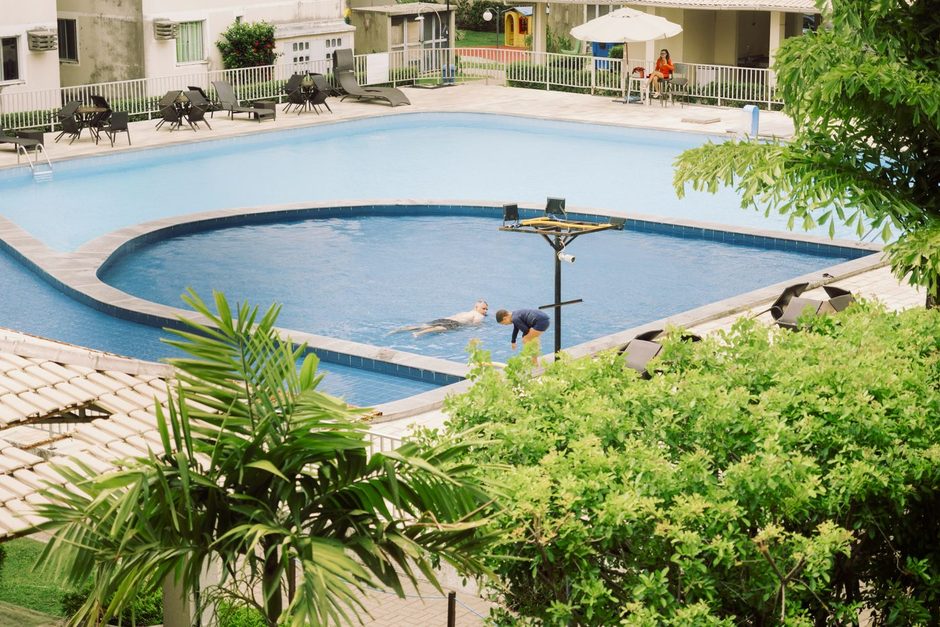
Two US pool scenarios: booked jobs versus form factories
Scenario A: Phoenix repair shop drowning in $42 “leads.” An owner-operator ran one broad Search campaign on “pool,” “swimming pool,” and “pool service.” CPL looked fine at about $38-$45. Close rate on forms was under 12%, and half the callbacks were DIY chemical questions. The fix was mechanical, not magical:
-
Split emergency repair and leak terms into their own campaign with call conversions weighted highest.
-
Added negatives for DIY, chemicals, jobs, and neighboring cities they refuse to drive.
-
Swapped the homepage for a leak/repair landing page with tap-to-call first and a three-field form second.
-
Office SLA: missed calls returned inside 12 minutes during posted hours; after-hours routed to on-call.
-
Imported “job booked” from the scheduling tool weekly so bidding stopped worshipping empty forms.
Within roughly six weeks, form volume dropped. In accounts structured this way, we typically see CPB fall 30-45% within two learning cycles (results vary). The win was not more leads. It was fewer wrong ones.
Scenario B: Chicago-area reno crew selling from Search in a short season. They needed deposits on remodels, not same-hour truck rolls. Forms made sense, but the page asked for budget before showing a single project photo. Bounce on mobile sat ugly. They rebuilt the page around three local before/afters, a clear “design consult” CTA, and call tracking only on the consult line. Ads spoke renovation language, not “pool guy near me.” They dayparted heavier on evenings when homeowners actually browse big-ticket work. Booked consults rose even while raw lead count stayed flat. Sales stopped complaining that “Google leads are junk” because the junk was no longer the optimization target.
If your account still reports only CPL, run the same exercise: pick one service line, redefine the conversion, fix the page, and measure jobs, not inbox volume.
Patterns we see in audits
The short quotes below are illustrative composites drawn from patterns in account reviews. They are not quotes from named clients.
“We cut DIY and ‘how to’ queries and made call booking the primary conversion on repair. CPL went up about 18%, but cost per dispatched job dropped hard enough that we stopped dreading the Google bill in July.” - Owner, residential pool service, Southwest US
“Our forms looked great until we matched them to the schedule. Half never wanted a visit. Once landing pages matched the ad and we answered in under ten minutes, Search finally filled real slots.” - Head of Marketing, pool renovation company, Southeast US

FAQ
What should I optimize Google Ads for as a swimming pool company?
Optimize for booked jobs or qualified estimate appointments you can staff, not raw form fills. Import offline or CRM outcomes when you can so bidding learns from revenue-shaped events.
Are calls better than forms for pool service ads?
For emergency repair, leaks, and green-to-clean service, calls usually win when someone answers. Forms fit renos and new work if the page carries proof and the follow-up is fast. Many accounts need both, with different conversion values.
How tight should my service area be in Google Ads?
Only bid where you will actually drive. Use location settings, radius or zip controls, and negatives for out-of-area cities. Paying for Scottsdale clicks when your crew is based in Tempe and already booked solid is pure waste.
Why did my CPL look good while sales hated the leads?
Usually weak intent mix, soft offers, slow response, or conversion tracking that rewards any submit. Align ads, landing pages, and success metrics to jobs you want on the calendar.
How often should I refresh negatives on pool campaigns?
Review search terms on a steady cadence through peak season. Weather and DIY spikes change weekly. Treat negatives as ops hygiene, not a once-a-year cleanup.
Free tools
DIY free tools for this playbook
Run these on the pages and campaigns this article covers, then fix what they flag before you scale spend or content volume.
Run these on this playbook
If the checklist shows a leak you cannot close in-house, request a free marketing audit.
Putting it to work
Pull the last 60 days of Google Ads search terms and conversions, tag every converting query as job-like or research-like, and pause or negative the research cluster before you add budget. Then confirm call tracking and at least one “job booked” signal so the next spend cycle is judged on dispatched work, not form vanity.
When you want a partner to own the messy loop between high-intent pool queries, call-versus-form setup, landing-page proof, and cost per booked job in the US, HeyLead can run that SEM program with you. Reach out at [email protected].
Free marketing audit, or reach Martin directly:
Get a free audit Chat with us on WhatsApp · [email protected]