
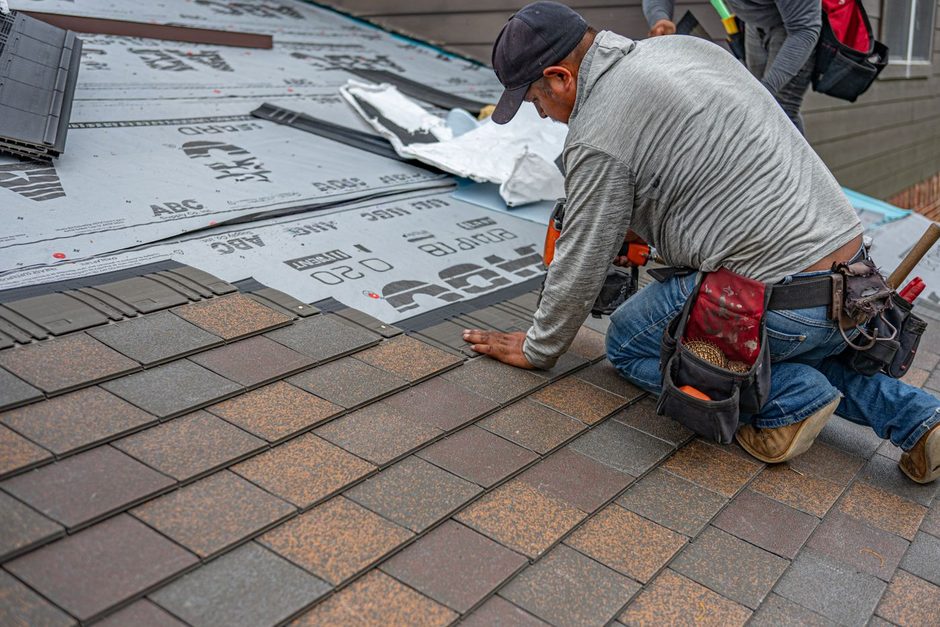
A condo board in Miami gets three callbacks on a failing podium deck. One contractor wants to roll on elastomeric paint. One is a shared-lead reseller who sold the same enquiry to five companies. The third actually installs commercial podium waterproofing systems, carries manufacturer-backed warranties, and never got the first call because their Google Ads campaign was dumping budget into “how to waterproof a balcony DIY” traffic. That pattern repeats from Houston HOAs to Chicago basement seepage seasons, and it is why generic home-services marketing quietly burns waterproofing budgets.
Waterproofing is not locksmiths, HVAC, or pest control with a different logo. Ticket sizes run high. Failure modes trigger lawsuits, mold claims, and warranty disputes. Intent splits hard between emergency leak investigation and planned bathroom wet-area membranes or basement waterproofing. If your acquisition mix treats every click like a paint job lead, you will fill the calendar with tire-kickers and starve the crews of the diagnostic and install work that actually pays.
This piece is for owners and marketing leads at waterproofing contractors across the US who need qualified waterproofing leads, not more form spam. We will separate high-intent search from DIY noise, build landing pages that prove sealed failures, track by job type, and keep paid and organic spend honest when ROAS on a dashboard does not match crew utilization.
High-intent leak and seepage searches versus DIY membrane traffic
Most waterproofing accounts bleed money in the same place: keyword and creative strategy that cannot tell a panicked property manager from a homeowner watching a YouTube tutorial. High-intent queries look like “balcony waterproofing failure,” “basement seepage repair near me,” “commercial podium leak investigation,” and “foundation waterproofing contractor Dallas.” Those searchers already know something is wrong. They want diagnosis, scope, and a crew that will still answer the phone when the warranty matters.
Low-intent traffic sounds similar in a keyword planner and behaves nothing like a buyer. “How to waterproof a bathroom floor,” “best deck coating,” and “DIY wet area membrane” pull volume, especially in Sun Belt markets where humidity and HOA balcony issues spike seasonal curiosity. CPC on those terms can look cheap next to emergency leak keywords. Conversion rate collapses because the visitor wanted a product aisle, not a $12,000 install. When 20 to 30 percent of SEM budgets routinely waste on irrelevant queries and weak negatives, waterproofing is usually overrepresented in that bucket.
Build intent clusters, not a single “waterproofing” campaign. Separate leak investigation and emergency seepage from planned basement waterproofing and bathroom wet-area membranes. Give commercial podium and HOA balcony work its own ad groups and landing paths. Match ad copy to the failure mode: freeze-thaw cracking language for Chicago and Denver, humidity and condo podium language for Miami, Houston, and Phoenix. Negatives should be ruthless on DIY, coating-only, and product-shopping modifiers. If Performance Max is carrying bulk spend in your account, feed it clean conversion signals tied to booked diagnostics, not raw form fills, or it will happily optimize toward the cheapest curiosity click.
Organic work follows the same split. Basement waterproofing SEO that ranks for educational how-to pages can brand-build, but pipeline comes from pages that answer “who fixes active seepage in my crawl space” with proof, process, and local service clarity. Zero-click search and AI Overviews already suppress a large share of informational CTR. Treat information-gain content as supporting material. Put commercial weight on service pages and city pages that capture people ready to hire, not people ready to shop at a big-box store.
Builder and property-manager funnels need different offers than homeowner ads
A production builder in Atlanta buying bathroom wet-area membranes for a multi-unit schedule does not respond to the same creative as a homeowner in Seattle who just found water staining under a sliding door. Builder and property-manager demand is relationship-heavy, specification-driven, and sensitive to schedule risk. Homeowner demand is fear-driven, review-driven, and often emergency-timed. Running one Meta or Google message for both is how you get polite form fills that never book.
For homeowners, lead with the failure and the consequence. Photos of active leaks, before-and-after sealed balconies, and clear language about mold risk and interior damage outperform stock “we care about quality” lines. Response speed matters more than brand polish when water is already inside. Mobile still drives the majority of paid search clicks, yet conversion lags desktop hard if your click-to-call path is buried or your form asks for a novel before offering a diagnostic slot.
For builders, GCs, and condo boards, the offer shifts to process proof: membrane systems you install, inspection readiness, warranty documentation, and crew capacity. LinkedIn and targeted search on commercial podium waterproofing, balcony remediation packages, and leak investigation scopes outperform broad home-services lookalikes. These buyers compare liability, not just price. Your landing page should make the warranty path and documentation trail obvious before they ever ask for a bid.
Budget allocation should reflect unit economics, not vanity volume. A single commercial podium job can dwarf a month of small residential coating enquiries. If your Google Ads account celebrates form volume while the estimating team is buried in paint-vs-membrane confusion calls, you are optimizing the wrong number. Quality waterproofing leads means diagnostic appointments and qualified install scopes, tracked separately from brochure requests. That is also where Waterproofing marketing programs diverge from generic home-services retainers that only report blended CPL.
Get a free marketing audit - we review your search, ads, and landing pages and send back what to fix first.
Get a free audit
Landing pages that show sealed failures, not stock concrete photos
Sending paid traffic to a homepage that opens with a smiling crew and a contact form is still one of the fastest ways to waste waterproofing ad spend. The visitor who searched “balcony waterproofing Los Angeles HOA” needs proof you understand balcony assemblies, drainage planes, and board politics. The visitor who searched “basement waterproofing Chicago” needs French drain, interior drain tile, or exterior excavation clarity, not a generic “residential and commercial” blur.
Build dedicated pages by job type: balcony waterproofing, basement and foundation waterproofing, bathroom wet-area membranes, commercial podium waterproofing, and leak investigation. Each page should open on the failure mode, show real photo proof of sealed work (active leaks, peeled membranes, completed details), and state what happens in the first visit. Warranty language belongs above the fold when lawsuit-level stakes are part of why people hire you. Soft claims like “quality craftsmanship” do not reduce anxiety the way a clear system name, manufacturer backing, and photo of a completed edge detail do.
Trust elements that move waterproofing conversion rates are specific. Project galleries tied to the exact service, not a mixed masonry dump. License and insurance cues without inventing regulatory theater. Response expectations (“diagnostic calls returned same business day”) and a single primary CTA. If you run Google Ads into a page that talks about coatings while the ad promised membrane repair, you train the algorithm on mismatched conversions and teach the prospect you are another paint contractor. Align message match tightly. CRO gains in other verticals often come from social proof lifts; in waterproofing, proof of sealed failures beats star counts alone.
Page speed and mobile UX are not vanity metrics here. Emergency leak traffic is impatient. If Interaction to Next Paint drags on a phone in a wet basement, the next contractor gets the job. Core Web Vitals still separate sites that convert paid clicks from sites that merely receive them. Keep forms short for emergency paths. Offer click-to-call prominently. Save longer qualification forms for planned commercial podium and multi-unit membrane work where scope details actually help estimating.
Response speed and job-type tracking that keep ROAS honest
Waterproofing lead value decays fast. An HOA manager with an active podium leak will take the first credible contractor who answers with a diagnostic plan. If your shared inbox treats that enquiry like a Tuesday brochure request, you will lose to a smaller shop that calls back in four minutes. Speed-to-lead is not a slogan for this trade. It is the difference between a $40,000 remediation and a polite “we already hired someone.”
Operationally, route emergency leak investigation and basement seepage leads differently from planned bathroom membrane quotes. Use call tracking and form source tags that carry job type into whatever CRM or job board you actually live in. When marketing reports a blended cost per lead of $87 and operations says half those leads were DIY coating shoppers, the dashboard is lying by averaging. Split reporting by balcony, basement, wet-area, commercial podium, and leak investigation. Then judge channels on cost per qualified diagnostic and eventual booked install, not on raw form count.
Attribution will not be perfect. Privacy changes and ad blockers still eat conversion signals, and last-click models double-count across search and remarketing. That does not mean you fly blind. Tighten first-party capture on the thank-you path, use Enhanced Conversions where you run Google Ads, and reconcile weekly against jobs won, not only platform ROAS. Meta averages lower and burns creative faster; if you test paid social for homeowner education or retargeting, expect creative fatigue to show in rising CPMs before lead volume drops, and refresh proof-heavy assets on a short cycle.
Watch for the classic agency failure mode of promising a CPL before seeing your close rates by job type. Waterproofing unit economics vary wildly between a simple interior crack injection and a full exterior excavation. Healthy programs set targets after mapping average job value and close rate by segment. They also keep negative keywords and landing-page tests on a real cadence without resetting learning every other day with chaotic structure changes. Fewer campaigns, clearer job-type signals, and honest offline conversion imports beat a dashboard full of vanity events.
Patterns we see in audits
The short quotes below are illustrative composites drawn from patterns in account reviews. They are not quotes from named clients.
“We were paying for ‘waterproofing’ clicks that wanted paint kits. Once we split leak investigation from basement installs and put sealed-failure photos on the balcony page, our cost per booked diagnostic dropped and the tire-kickers mostly disappeared.”
- Owner, waterproofing contractor, Sun Belt multi-family
“HOA podium work only started converting when the landing page showed warranty docs and edge details. Star ratings alone did not move those boards.”
- Head of Growth, commercial waterproofing firm, coastal US
Action checklist
Action checklist for waterproofing
Use this as a working checklist for waterproofing - specific steps you can run this week, not theory.
- Audit the last 60-90 days of enquiries for waterproofing by source and by job or case type that actually produces revenue.
- Pick the single highest-ROI channel for your US market (search, local SEO, paid social, or referral content) and put 70% of near-term effort there.
- Build or fix one landing path that matches that channel's intent with a short form and live response plan.
- Set a speed-to-lead standard the front desk or sales team can keep (minutes during open hours, morning callback window after hours).
- Track booked outcomes, show rate, and accepted work by source - not form fills alone.
- Kill or pause any campaign or content cluster that drives volume without booked work.
- Schedule a monthly review that decides what to scale, fix, or stop based on those outcomes.
Free tools - try these yourself
If the checklist shows a leak you cannot close in-house this month, request a free marketing audit - we will prioritize SEO, ads, and landing pages around the same outcome metrics above.
Questions waterproofing contractors ask before scaling spend
Should we run Google Ads, SEO, or both for waterproofing leads?
Most US waterproofing companies need both, for different jobs. Paid search captures emergency leak investigation and basement seepage intent this week. Basement waterproofing SEO and service-area pages compound for planned work and brand searches over months. If budget is tight, start paid on the highest-intent job types you can staff, and build organic pages that match those same clusters so you are not renting every click forever.
How do we stop DIY and coating shoppers from wasting ad budget?
Separate campaigns and landing pages by intent, write ad copy that names membranes, diagnostics, and structural waterproofing, and load negatives for DIY, paint, coating, and product modifiers. Send traffic to proof-heavy pages, not a homepage. Qualify on the form or call script with job type and timeline so sales is not guessing.
What should a waterproofing landing page include to convert HOA and condo work?
Show the assembly you repair, photo proof of similar podium or balcony failures sealed, warranty and documentation posture, insurance cues, and a clear diagnostic CTA. Speak to board risk and schedule, not only homeowner fear. Message-match the ad that got them there.
Why does platform ROAS look fine while crews are still slow?
Blended lead metrics hide junk intent. Track by job type through to booked diagnostics and won jobs. Import offline conversions. If creative, keywords, and pages are misaligned, smart bidding optimizes toward cheap curiosity. Fix the funnel definition before you raise budgets.
How fast do we need to respond to leak investigation leads?
Treat active water as urgent. Same-hour callback targets beat same-day averages in competitive metros like New York, Los Angeles, Dallas, and Miami. Route those enquiries to a live path. Planned wet-area membrane quotes can tolerate a tighter qualification sequence without the same decay curve.
Putting it to work
Execution sprint
This week
- Pull 30-90 days of performance for waterproofing (Search Console, ads, CRM, or call logs - whatever you have).
- Flag the top leak: wrong intent, weak page, slow response, or dirty conversion tracking.
- Ship one fix on the highest-traffic money path (page, campaign split, or response rule).
- Run the free tools below on that same URL or account and log the findings.
Free tools for this sprint
Next 30 days
- Expand the fix to the next one or two money paths only after the first one shows cleaner bookings.
- Align creative, keywords, or content with the same offer the page now states.
- Review booked outcomes weekly; cut anything that still only produces unqualified volume.
Next 30 days
- Expand the fix to the next one or two money paths only after the first one shows cleaner bookings.
- Align creative, keywords, or content with the same offer the page now states.
- Review booked outcomes weekly; cut anything that still only produces unqualified volume.
Next 30 days
- Expand the fix to the next one or two money paths only after the first one shows cleaner bookings.
- Align creative, keywords, or content with the same offer the page now states.
- Review booked outcomes weekly; cut anything that still only produces unqualified volume.
Free marketing audit, or reach Martin directly:
Get a free audit Chat with us on WhatsApp · [email protected]