
Residential Locksmith Web Design
Built to Convert
stressed mobile users locked out who call the first credible result.
When homeowners, strata managers and facilities teams search "locksmith near me", they choose the operator who answers urgency with proof, not a generic agency page. Most residential locksmith businesses lose demand to thin landings, misaligned tracking and DIY bypass, training, job-seeker and out-of-area traffic. HeyLead builds Web Design programs that turn those searches into measurable booked emergency call and lasting repeat lock and key customer.
Residential locksmith work is won in the first sixty seconds. When someone is locked out or upgrading home security, they call the name they trust. We go deeper than checklist Web Design: trade-specific architecture, landing alignment, weekly governance and reporting on booked jobs, not vanity metrics.
Why Residential Locksmith Web Design is not generic agency work
Context from how your customers search, compare and book.
Homeowners choosing a residential locksmith weigh urgency, trust and proof of legitimacy before price. Marketing wins when licensing, response time and local reviews are visible before the first call.
Residential locksmith demand splits sharply between panic searches and planned security upgrades. We structure campaigns around each stage so emergency spend does not dilute high-margin installation work.
For Web Design, that means campaigns, pages and creative aligned to "locksmith near me", "locked out of house" and "emergency locksmith", with negatives and qualifiers that block DIY bypass, training, job-seeker and out-of-area spend.
Residential locksmith economics depend on average job value, emergency premium and how shared lead marketplaces split intent. We model cost per booked call against revenue, not raw lead volume.
Emergency clicks are expensive but convert fast when you answer first. Planned upgrade campaigns usually deliver lower cost per lead and higher average job value over a longer window.
We capture residential locksmith demand where urgency is highest: map pack, mobile paid search, suburb service pages and call-first landing experiences that remove friction at the moment of need.
Who we reach
Homeowners choosing a residential locksmith weigh urgency, trust and proof of legitimacy before price. Marketing wins when licensing, response time and local reviews are visible before the first call.
groups Customer segments
- person Homeowners locked out or dealing with a broken lock after hours
- person New homeowners rekeying or upgrading locks after purchase
- person Landlords and property managers booking lock changes between tenancies
- person Households researching smart locks and keyless entry upgrades
- person Repeat customers who saved your number after a previous callout
psychology What drives their decision
- check_circle Licensed, insured credentials visible on ads and landing pages
- check_circle Map pack position and review count for near-me searches
- check_circle Clear emergency response time and service area
- check_circle Transparent callout and after-hours pricing signals
The Residential Locksmith web design playbook
Five pillars that turn residential locksmith websites into booking engines.
Conversion-first UX
Design for booked emergency call, not awards.
- arrow_right Click-to-call and tap-to-text on mobile header
- arrow_right Short forms: name, phone, service, urgency only
- arrow_right Guarantee and availability above the fold
- arrow_right Trust strip: licenses, reviews, team photos
- arrow_right One primary CTA per landing
Service and area architecture
Structure the site like search intent.
- arrow_right Hub pages per core service with area spokes
- arrow_right Commercial branch separate from residential
- arrow_right Comparison and pricing answers visible
- arrow_right Blog and guides support SEO and AI citations
- arrow_right Template system for suburb scale
Performance engineering
Fast pages for stressed mobile users locked out who call the first credible result.
- arrow_right LCP and CLS targets on money templates
- arrow_right Optimized images and font strategy
- arrow_right Lazy load below-fold media
- arrow_right Caching and CDN configuration
- arrow_right Monthly speed regression checks
SEO and schema at build
Technical hooks baked in at launch.
- arrow_right Service and FAQ schema on templates
- arrow_right Editable meta and heading hierarchy
- arrow_right Clean URL patterns for new area pages
- arrow_right Analytics and ad tag containers ready
- arrow_right Accessibility baseline on forms and CTAs
CRO after launch
Test on live traffic from day one.
- arrow_right Headline and CTA tests on priority landings
- arrow_right Form field reduction experiments
- arrow_right Social proof placement tests
- arrow_right Heatmap review on mobile money pages
- arrow_right Winner rollout playbook
Core deliverable
Residential Locksmith web design on every device
Mobile-first templates built for stressed mobile users locked out who call the first credible result. Click-to-call, short forms and proof above the fold.
Mobile
Urgent searches convert on phones
-
1
Sticky click-to-call and tap-to-text for homeowners, strata managers and facilities teams
-
2
Short booking form: name, phone, service, urgency
-
3
Guarantee and availability visible without scrolling
Tablet
Service browsing between jobs
-
1
Service hub layout with area spokes
-
2
Review carousel and credential strip
-
3
Comparison tables for packages and plans
Desktop
Commercial and research sessions
-
1
Commercial enquiry paths separate from residential
-
2
Portfolio and case proof modules
-
3
SEO-ready templates your team can publish
Multi-city and service-area scale
Operators winning organic search rarely rank for one city name. They build a network of service plus suburb pages until they appear across the full radius they cover.
- pin_drop Priority suburbs first: highest booked emergency call volume and weakest incumbent competition
- pin_drop Service hub in the middle, suburb spokes outward aligned to how homeowners, strata managers and facilities teams search
- pin_drop High-ticket services as a separate scale path with proof and financing signals
- pin_drop Commercial or B2B city pages for facility clusters, not residential templates reused
- pin_drop GBP service areas expanded in step with published suburb landings
- pin_drop 90-day sprint model: first dozen areas live, then expand based on call data and capacity
Keywords and pages we build
Real search targets for residential locksmith, mapped to the landing page type that should rank and convert.
| Search target | Buyer intent | Page we build |
|---|---|---|
| locksmith near me | Urgent or high-intent local need | Conversion template with mobile panic UX and service architecture |
| locked out of house | Comparison and pricing research | Package comparison page with proof and FAQ schema |
| emergency locksmith | Vendor shortlist and trust check | Reviews, credentials and case proof landing |
| residential locksmith near me | Map pack and local discovery | GBP-aligned local page with NAP and service area map |
| emergency residential locksmith | Same-day or after-hours demand | Urgent landing with click-to-call and availability above fold |
Web Design plays that compound
Service and problem page architecture
Hub pages for core residential locksmith services link to suburb landings with localized proof.
Map pack and organic alignment
Google Business Profile services mirror site taxonomy with matching landing URLs.
Seasonal content calendar
Publish and refresh pages ahead of peak demand in your market.
Repeat customer content cluster
Comparison guides and guarantee explainers push repeat lock and key customer attach.
Commercial or high-ticket SEO
Facility-type pages with documentation and contract enquiry forms.
AI and local search readiness
Answer-engine optimization on FAQs and service areas so AI Overviews cite accurate residential locksmith details.
How we deliver Web Design
Residential Locksmith web design follows how homeowners, strata managers and facilities teams search and book on mobile first.
Conversion audit and page map
We map the paths from "locksmith near me", "locked out of house" and direct visits to enquiry. Gaps in trust, speed and mobile usability on residential locksmith pages are documented before design starts.
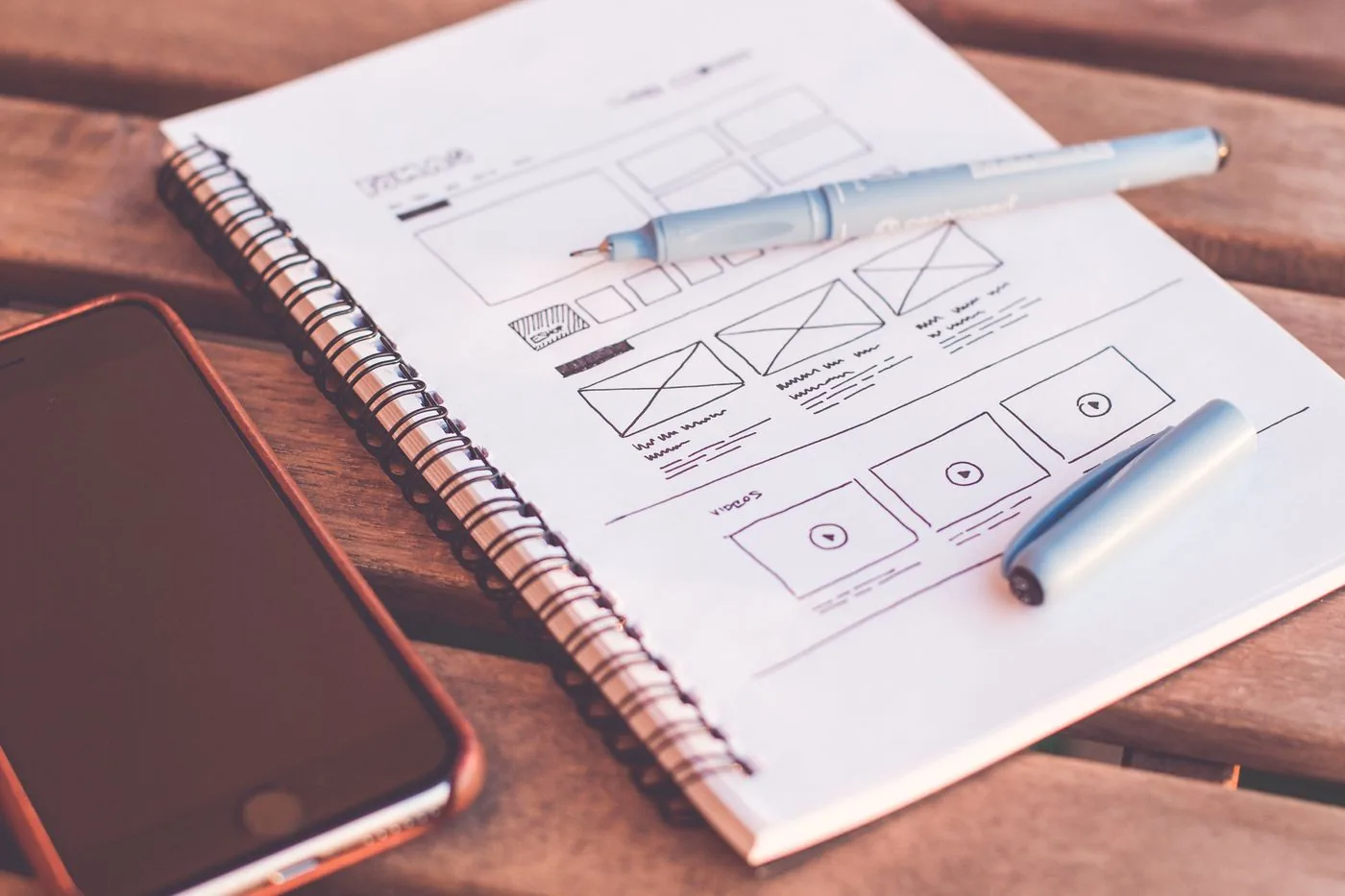
Wireframes and content hierarchy
Service pages lead with proof, service area, response time and credentials. Comparison and pricing questions get visible answers without burying the call to action.
Build, speed and accessibility
Lightweight templates, optimized media and accessible forms keep pages fast on mobile networks. Technical SEO hooks are built in, not bolted on after launch.
Tracking and form integration
Events for calls, chats, forms and bookings fire correctly into analytics and ad platforms so redesigns can be judged on pipeline impact.
CRO testing after launch
Headline, form, button and social-proof tests run on live traffic. Winners roll site-wide; losers revert quickly so residential locksmith conversion rate keeps climbing.
Measure by booked job and repeat lock and key customer attach
Rankings reported alongside organic form fills, calls and CRM-tagged bookings by service type.
Quarterly scale and consolidation review
We retire thin URLs, refresh seasonal content and expand into suburbs where call data proves capacity.
What Residential Locksmith Web Design includes
Conversion-focused residential locksmith pages that turn clicks into calls and bookings
- check_circle Service-specific landing pages for "emergency locksmith" and quote intent
- check_circle Trust signals: licensing, reviews, service area and response time above the fold
- check_circle Ongoing CRO testing on forms, click-to-call and booking flows
- check_circle Strategy workshops aligned to your service area, capacity and margins
- check_circle Monthly reporting tied to enquiries and booked jobs, not vanity metrics
- check_circle Direct access to specialists who understand the residential locksmith market
- check_circle Intent signal tracking: Mobile searches late evening and early morning for lockouts
What you can expect
- verified Web Design programs scoped to residential locksmith buyer intent, not generic templates
- verified Clear visibility into which keywords, ads or pages drive booked work
- verified Faster iteration using real enquiry and conversion data from your market
- verified Integration with your sales process so marketing supports close rate
- verified A compounding asset that reduces reliance on shared directory leads over time
- verified Radius and postcode targeting around your real service area, with separate emergency and scheduled campaigns when coverage spans multiple territories.
Deliverables you receive
Technical approach
The mechanics behind Web Design for residential locksmith, explained plainly.
Performance budget
LCP, CLS and INP targets are set per template. Heavy sliders and unoptimized galleries are replaced or lazy-loaded so residential locksmith pages stay fast on 4G.
Form and call UX
Field count, autofill, click-to-call prominence and error states are tuned for stressed mobile users booking urgent residential locksmith work.
SEO-safe templates
Heading hierarchy, meta fields and schema hooks are baked into components so marketing can publish new service pages without breaking technical SEO.
Intent signals and how we capture them
What buyers do before they enquire, and the on-page or tracking response we build.
Common mistakes we fix
One "locksmith near me" page targeting every service variant
Split by service type and intent so Google can match urgent, comparison and commercial queries to the right URL.
Chasing free or coupon keywords without qualifying intent
Pair offers with service context and area limits so SEO brings booked jobs, not DIY bypass, training, job-seeker and out-of-area clicks.
Mixing high-ticket and general services on one landing page
Different proof, pricing and sales cycles need separate pillars.
Duplicate suburb pages with swapped city names
Each area page needs unique proof, service notes and internal links.
Ranking without conversion elements for urgent searches
Availability, guarantee badges and short booking paths reduce drop-off.
Inconsistent NAP across GBP, website and directories
Audit and fix name, address and phone formatting everywhere.
Optimizing the website but ignoring GBP and map pack
Treat GBP services, photos, posts and reviews as part of SEO.
KPIs we report every month
Specialist residential locksmith Web Design is judged on pipeline, not vanity charts alone.
How we work with residential locksmith operators
Transparent process, no call-center handoff. You speak with specialists who know residential locksmith economics.
Fit call and site review
We review your site, GBP, service area and capacity. You see where thin landings or NAP gaps cost calls. Mutual fit first.
SEO discovery and intent map
Together we build the service x area x buyer-type matrix, competitor gap analysis and 90-day priority list.
Scoped proposal
Clear fees, deliverables and timeline tied to your branch count and growth goals.
Execution and measured ROI
Monthly sprints on pages, technical fixes and local SEO. Reporting on calls, bookings and repeat lock and key customer attach.
Residential Locksmith economics and benchmarks
Residential locksmith economics depend on average job value, emergency premium and how shared lead marketplaces split intent. We model cost per booked call against revenue, not raw lead volume.
Emergency clicks are expensive but convert fast when you answer first. Planned upgrade campaigns usually deliver lower cost per lead and higher average job value over a longer window.
What to expect
Timelines depend on your starting point, but most {trade} clients follow a similar rhythm on Web Design.
Audit, account access, intent map and work plan. You see the diagnosis and priorities before spend scales.
Campaign, page or tagging implementation depending on channel. First qualified residential locksmith enquiries usually appear here when tracking is sound.
Ongoing optimization, monthly reporting and testing. The goal is lower cost per booked job and higher enquiry volume your team can close.
Other Residential Locksmith marketing services
Frequently Asked Questions
Which residential locksmith pages should we publish first for SEO? expand_more
How is residential locksmith SEO different from ranking "locksmith near me" alone? expand_more
Can SEO help us sell repeat repeat lock and key customer, not one-off jobs? expand_more
How long until residential locksmith SEO generates booked jobs? expand_more
What KPIs should we track for residential locksmith SEO? expand_more
Why hire a specialist instead of a general local SEO agency? expand_more
How do you get us more emergency lockout calls? expand_more
Can you help us sell smart locks and planned upgrades, not just emergencies? expand_more
We are buried on page three. How do we fix local visibility? expand_more
Directory leads look cheap. Why invest in owned marketing? expand_more
How fast should we respond to new enquiries? expand_more
How do you prove which marketing booked the job? expand_more
Ready to scale Residential Locksmith Web Design?
Get a free audit and we will show you where your next enquiries are hiding.
Get a Free Audit arrow_forward