

Martin
Founder, strategy and audits
Writes every audit and takes every first call. On your account from day one, running growth for SMEs since 2010.
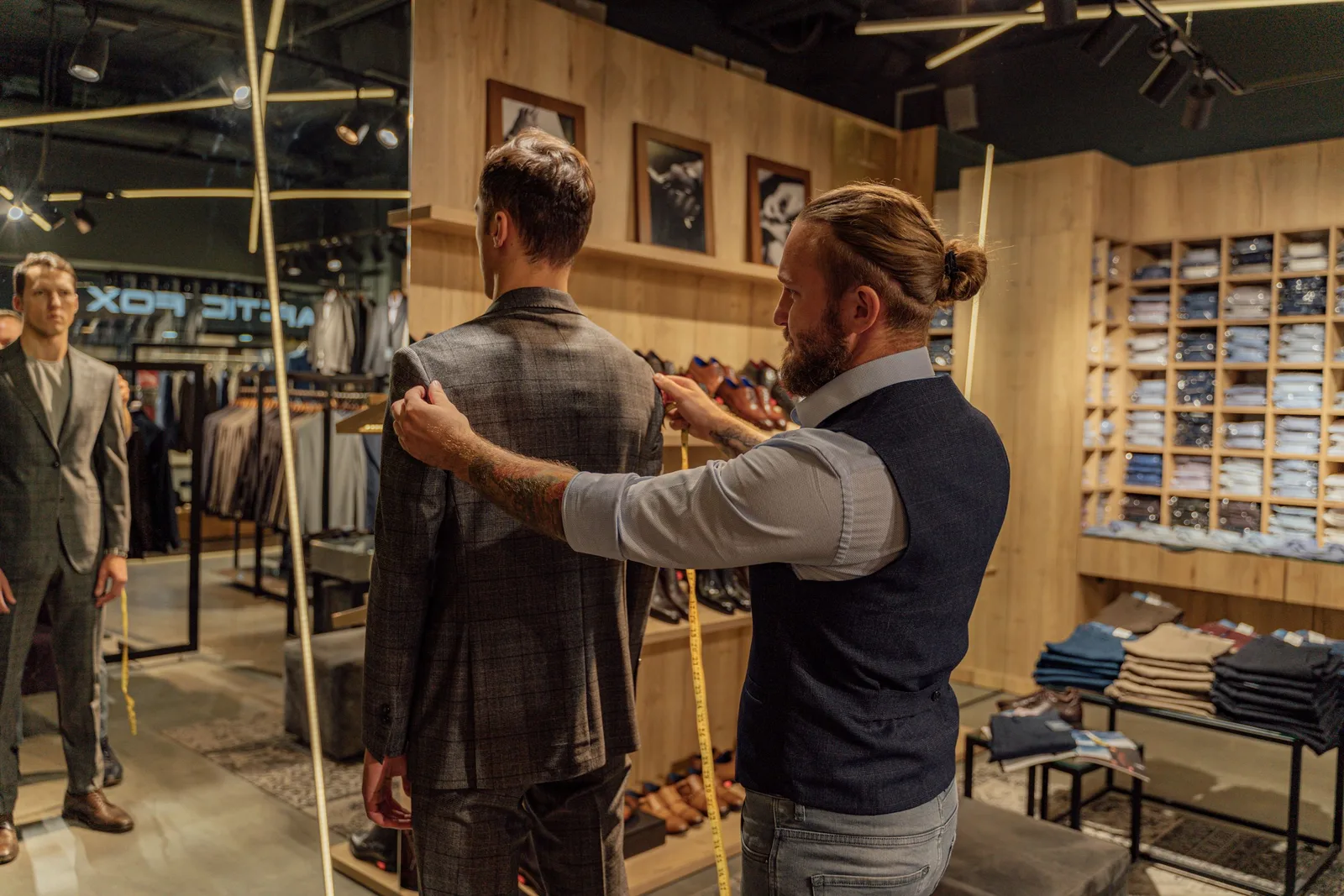
A tailor works with a pin in one hand and a ringing phone in the other. Many calls about a hem or a wedding fitting go unanswered, and nobody knows where the caller found you. Analytics counts bookings and missed calls and traces them back to the search or ad behind them.
For tailors and alterations shops that want to know which listings, ads and bridal partners bring fitting appointments, rush jobs and made-to-measure requests.
Context from how your customers search, compare and book.
In this trade the booking is a fitting or drop-off appointment, and it usually comes with a date attached. A bride has a wedding in nine weeks. A guest has a dinner on Friday. The date tells you how urgent the job is, so the request form should capture it and the report should group requests by it.
Different jobs have very different value. A hem on work trousers, a suit taken in, a bridal gown with a bustle and a bespoke jacket are not the same sale. Analytics should label each request by garment and job type, so cost per booked fitting is shown for bridal work and for everyday repairs separately.
Calls are lost easily. The tailor is at the machine or in a fitting room, and the shop phone rings out. Many callers then try the next shop on the list. Tracked numbers show how many calls came from search, the map listing or a bridal shop referral, and how many went unanswered by hour.
Some trails cannot be followed. Brides sent by a dress boutique, walk-ins from the dry cleaner next door and repeat suit customers rarely leave a click behind. We add a referral question to every booking, count partner codes and show the remainder as an estimate, so you are not guessing about where fittings come from.
A clear, repeatable process built around how tailors and alterations customers search and decide.

We agree the events: a fitting booked, a drop-off appointment, a rush request, a bridal request, a bespoke consultation and a photo quote sent. Each is named once, so reports count the same thing the same way every month.

Booking forms get two required fields, the occasion date and the garment type. Those fields let us show demand by season and cost per booked fitting for bridal gowns, suits and everyday repairs as separate numbers.

Tracked numbers go on the map listing, website and ads. Partners such as boutiques and dry cleaners receive their own code or a card with a short referral name, so a fitting that came by recommendation is not credited to search.

We book a fitting from a phone, request a rush job, call the tracked number and send a photo quote. Each action should create one event with the right label. Any form that drops the date field is fixed before launch.

Each month you get bookings, calls, missed calls and cost per fitting by source, split by bridal and everyday work. We point out busy and quiet periods, so a slow week after prom season is not blamed on marketing.
See which channels bring real inquiries and new customers

The mechanics behind Analytics for tailors and alterations, explained plainly.
The form passes the occasion date into the report. That lets us group requests by lead time, such as less than a week or several weeks away, and see which sources bring urgent work and which bring planned bridal fittings.
Many customers send a photo of the garment before booking. We count each photo quote as a step, then follow it to a booked fitting or a lost quote, so you see how often a photo becomes a customer.
Measurements, photos and names stay in your job system, not in marketing reports. Tracking runs under local rules, with consent notices where required, and call recordings are optional, announced and kept only for the period you choose.
Tailors and Alterations analytics setup starts at $500 USD one-time. Ongoing monthly reporting and reviews are scoped separately.
What's included
A short plan naming the calls, forms and bookings that count as a real lead or sale for your business.
Tracking set up and tested so each lead is tied to the search or ad behind it.
A simple report layout and a walkthrough so your team can read it without help.
Monthly reviews, extra dashboards and data clean-up are scoped separately. Talk to us for a fit.
Setup is quick, while the useful patterns need a season or two of bookings to appear.
We list the events, add the date and job type fields, place tracked numbers and codes, and test every path. By the end you have a first count of calls, missed calls and bookings, and a note of what we cannot measure.
Referral questions and partner codes begin to fill in the picture. You see which sources bring bridal work and which bring quick repairs. We correct mislabelled events and set the layout of the monthly report with you.
After a few months, seasons show up: wedding peaks, prom weeks, the back-to-office rush. You can compare cost per fitting by job type and move effort accordingly. Some customers will never be traced, so we mark those parts as estimates.
Our team
Martin writes every audit and takes the first call. The same team stays on the account. 160+ businesses since 2010.
Founder, strategy and audits
Writes every audit and takes every first call. On your account from day one, running growth for SMEs since 2010.

Social and app development
Shapes social strategy and builds practical app experiences that turn attention into action.

SEO
Owns technical, local and content SEO so the right buyers find you when demand is highest.

Paid media
Plans and manages paid search and social campaigns around qualified leads.

Analytics
Connects tracking, attribution and reporting so decisions are based on revenue-quality data.

Design
Creates clear brand and conversion-focused design across landing pages, campaigns and product experiences.
Certified and experienced
Verified platform knowledge, 25+ years of hands-on experience, and an operating track record since 2010.
Get a free audit and we will show you where you are losing inquiries today.
Get a Free Audit arrow_forward