
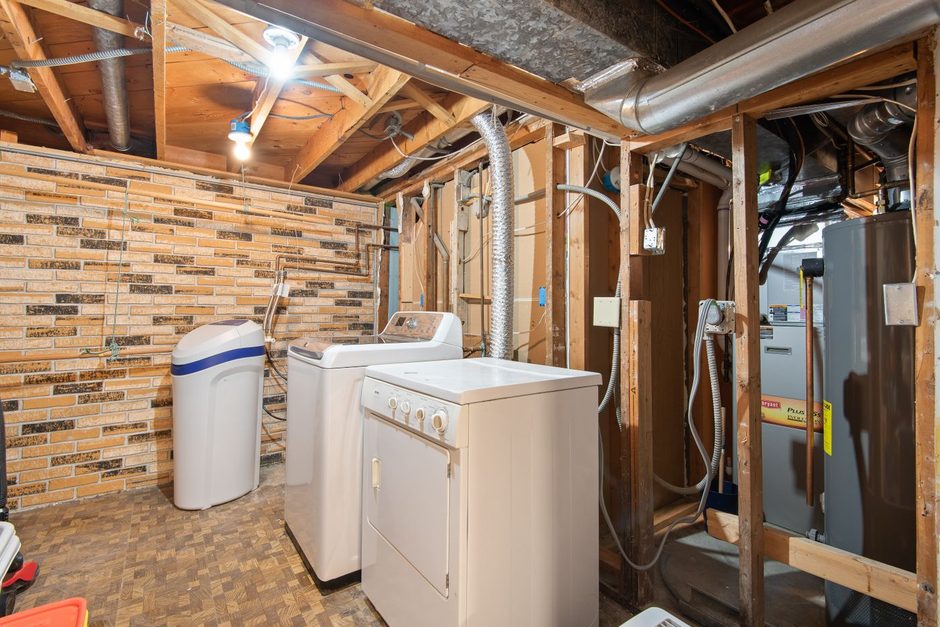
A homeowner in the Denver metro area gets a kit result over 4.0 pCi/L on a Tuesday night. By Wednesday morning they are typing “radon mitigation near me,” “radon system install cost,” and the name of their suburb plus “radon contractor.” They are not browsing for inspiration. They want a licensed crew, a clear process, and proof the system will pass a post-mitigation test. That same week, a property manager for a small multifamily portfolio in Chicago is comparing three local firms after a failed inspection delayed a unit turnover.
For radon mitigation companies in the US, that is the real search market: high-stakes, local, and often time-bound by closings, rentals, or school-year schedules. Good SEO is not a blog about “what is radon.” It is an organic system that shows up when intent is already hot, proves you are the right operator, and turns the click into a booked inspection or mitigation job without burning the budget on every generic home-services query in the country.
This guide walks through how buyers actually search and decide, where most radon SEO programs leak demand, and what a durable organic setup looks like for owners and marketing leads who own the lead number.
How US buyers search before they hire a radon crew
Radon demand clusters differently than lawn care or general HVAC. People often arrive after a test, a realtor flag, or a lender requirement. The language is blunt: “radon mitigation [city],” “radon fan installation,” “sub slab depressurization,” “radon system for crawl space,” “how long does radon mitigation take,” “does radon mitigation lower home value.” In markets like Phoenix, Dallas, Atlanta, and parts of the Northeast and Midwest where awareness spikes with real estate volume, mobile search dominates the first look.
Intent usually falls into a few buckets you can map in Search Console and your CRM:
-
Emergency or deadline jobs - failed test before closing, rental turnover, HOA or property-manager pressure. These convert fastest when NAP, hours, license cues, and call buttons are impossible to miss.
-
Solution research - system types, crawl space vs basement, active soil depressurization, fan noise, aesthetics. Content here should still route to a local consult, not a 2,000-word essay with no next step.
-
Trust and comparison - reviews, certifications, photos of installed systems, post-mitigation test results, warranty language.
-
Cost framing - ranges and what drives price (entry points, slab vs crawl, multi-unit). Vague “call for quote” pages lose people who already compared two competitors.
Zero-click behavior is real in 2026. A large share of US Google searches end without a visit, and AI Overviews sit on a meaningful slice of informational queries. That does not kill radon SEO. It raises the bar on entity clarity (who you are, where you work, what you install), Google Business Profile strength, and pages that still earn the click when the SERP offers a summary. Citation-ready facts, clear service-area pages, and review volume matter more than stuffing another generic “radon facts” post.
Good demand looks like booked diagnostics and mitigations from organic, not vanity traffic on national radon statistics. If your top pages are encyclopedia pieces while “radon mitigation [your metro]” is owned by a competitor with thinner content but stronger local proof, you are winning the wrong race.
Where radon mitigation SEO quietly fails
Most programs fail because the site treats radon as a service category rather than a local, high-stakes job with real operational constraints buyers are already screening for.
Common failure modes we see across home-services radon accounts:
-
One thin service page for the whole footprint. A single “Radon Mitigation” URL trying to rank for Houston, Dallas, and half of Texas, with no city or county pages, weak GBP categories, and no entity links between locations.
-
Content that educates but never books. Long explainers with no license numbers, no before/after system photos, no post-test process, and a form that asks for a novel’s worth of fields on mobile.
-
Reviews that never make it into the ranking story. Great job photos live on a tech’s phone. GBP posts are empty. Service pages cite “fully licensed” with no state-specific cues buyers in that market actually check.
-
Tracking that stops at form submit. Organic gets credit for tire-kickers while booked mitigations from calls never reconnect to the landing page or the query cluster that started the job.
-
Speed and layout that punish the scared homeowner at 10 p.m. Fewer than half of origins pass all three Core Web Vitals on mobile. Heavy hero videos, third-party widgets, and buried click-to-call kill conversion even when you rank.
Paid search will paper over some of this for a quarter. It will not fix a site that cannot convert “radon mitigation near me” into a scheduled test. If your agency or in-house lead is shipping traffic to the homepage, treat that as a red flag. Dedicated service and location intent pages are the baseline.
If you want a partner that already thinks in booked jobs rather than rankings alone, skim how we approach Radon Mitigation marketing and keep reading for the DIY playbook.
Get a free marketing audit - we review your search, ads, and landing pages and send back what to fix first.
Get a free audit
The organic playbook that actually books mitigations
Good SEO for radon mitigation companies is local entity strength plus intent-matched pages plus proof plus a publishing cadence you can sustain. Here is the operational shape.
Audit scorecard
-
Map intent, not vanity topics Build a simple inventory: mitigation install, testing and retesting, crawl space and basement variants, commercial or multifamily if you take those jobs, and cost or timeline questions that precede a call. Tag each cluster to one primary URL. Kill or consolidate orphan posts that rank for curiosity but never produce a consult. Pull query data from Search Console and compare against closed jobs in your CRM for the last 90 days.
-
Own local entity signals Google Business Profile categories, service areas, products/services, weekly photo posts of real installs, Q&A seeded with real homeowner questions, and NAP consistency across directories. City or metro pages should name neighborhoods carefully, list typical building types (slab, crawl, older Midwest basements), and link to the same GBP. Schema for LocalBusiness and service where it fits. Validate with a schema tool before you celebrate.
-
Build conversion-first service pages Above the fold: who you serve, license/cert cues, click-to-call, and what happens in the first visit. Mid-page: system photos, fan placement examples, expected timeline, post-mitigation test process. Bottom: FAQs that match People Also Ask without keyword stuffing. Match H1 and title to the job people hire you for, not a clever brand line. Check titles, H1s, and meta descriptions the way you would for a paid landing page.
-
Proof that radon buyers trust Review velocity on GBP and major directories, response templates that invite photos, case blurbs with city and building type (never invent lab numbers), warranty and retest language, and crew consistency. Property managers care about schedule reliability as much as pCi/L charts. Put that on the page.
-
Technical floor that does not waste rankings Core Web Vitals, especially mobile INP and LCP on service pages. Clean indexation, sane internal links from blog posts to money pages, canonical hygiene, XML sitemap accuracy. AI-assisted drafts are increasingly common in web content - which makes field-specific knowledge, verifiable local detail, and demonstrable E-E-A-T the actual differentiators for radon pages that rank and convert.
-
Measurement tied to booked work UTMs on GBP links and organic CTAs, call tracking that can roll up to landing page, form events that fire on success not page load, and a weekly look at which URLs produce scheduled tests and installs. Behaviour tools matter when traffic is up and bookings are flat: scroll depth, rage clicks on the form, and drop-off before “request estimate.”
DIY playbook
-
Export last 90 days of organic landing pages and calls or forms. Mark which ones became paid mitigations or paid tests.
-
Rewrite the primary mitigation service page for one metro first. Add proof, process, and a single primary CTA.
-
Stand up or fix 3-5 location or service-area pages only where you truly dispatch. No doorway spam.
-
Refresh GBP with 10 recent install photos and accurate services. Ask every closed job this week for a review with a simple SMS template.
-
Publish two field-led pieces per month: e.g. crawl space installs in humid Southeast homes, or what buyers should expect after a failed real-estate test. Link both hard to the money page.
-
Run Core Web Vitals and fix the worst mobile offenders on service templates before you scale content.
-
Wire GA4 events for call click, form success, and “schedule test” if you use online booking. Review with ops weekly, not only marketing monthly.
Free tools - try these yourself
Sustainable publishing is the part owners underestimate. Two field-led posts a month - one on a common install variant, one on a local market question - compounds faster than twelve generic ‘what is radon’ pieces a year and doesn’t require a dedicated writer. HeyLead Auto Blogger is built for that cadence under human strategy: consistent local and service content without hiring a full editorial team. Pair it with real tech notes from the field so pages stay specific to radon work, not generic home-services filler.
When rankings move but forms stall, watch on-page behaviour. HeyLead Insights (session patterns, heatmaps, scroll and form abandon) shows whether homeowners bounce at the cost section, never reach license proof, or fail the form on mobile. Fix the leak before you buy more content.
For teams that want the channel owned end to end, our SEO work sits beside landing-page and measurement discipline so organic is judged on pipeline, not only positions.
Two US scenarios where organic finally matched the job board
Multi-crew operator outside Denver. Organic sat on broad “what is radon” articles. Money queries went to two competitors with stronger GBP photo cadence and clearer install pages. The fix was not twenty new posts. They collapsed thin blogs into one strong mitigation hub, built three county pages they actually served, added crawl-space-specific proof, and trained office staff to log “organic + city” on every booked test. Within a busy real-estate stretch over roughly 90 days, organic consult requests from location pages rose from about 3 to 11 per week, outpacing the old blog, and average response time on web leads dropped because routing finally matched metro. The mechanism was focus: one hub, real areas, proof that looked like Colorado housing stock.
Owner-led firm in the Atlanta suburbs. They ranked for a handful of brand and semi-brand terms but lost “radon mitigation near me” pack visibility. Reviews were strong offline and invisible online. They ran a 30-day review sprint, posted weekly system photos to GBP, fixed NAP duplicates, and rebuilt the mobile service template so call and “book test” sat sticky. Heatmap review showed users tapping non-linked phone numbers in the footer copy. Making numbers live links and shortening the form from nine fields to five improved connected call rate from the service page from roughly 1-in-8 impressions to about 1-in-5 at similar impression levels. Rankings helped. Friction removal booked the trucks.
Patterns we see in audits
The short quotes below are illustrative composites drawn from patterns in account reviews. They are not quotes from named clients.
“We kept publishing radon 101 posts while our Google Business Profile looked abandoned. The week we matched install photos and city pages to real dispatch zones, the phone finally tracked back to organic the way the ranking report promised.” - Owner, radon mitigation company, Mountain West
“Forms looked fine in GA until we watched sessions. People stalled on a vague ‘call for pricing’ block. Adding a simple range and retest promise on the service page did more than another blog ever did.” - Marketing lead, home services group, Southeast
FAQs
How long before SEO produces booked radon jobs?
Local pack and service-page moves often show directional change in a few months if technical and GBP basics are healthy. Competitive metros can take longer. Treat 3-6 months as a serious program horizon, not a promise of overnight pack dominance. Track booked tests and installs, not only average position.
Should we still invest in content if AI Overviews steal clicks?
Yes, but change the job of content. Prioritize pages that earn the click for commercial and local intent, strengthen entity and review signals, and write field-specific answers worth citing. Pure commodity explainers are weaker than process, proof, and local execution detail.
Do we need a page for every suburb?
No. Build pages for areas you staff and can prove with reviews, photos, and consistent NAP. Thin doorway pages across an entire state usually underperform and can dilute quality. Depth beats fake breadth.
What should we measure weekly?
GBP actions, organic calls and qualified forms by landing page, Core Web Vitals on templates, review velocity, and closed-won mitigations tagged to organic. If marketing and ops disagree on “what a lead is,” fix definitions before you scale publishing.
Is SEO enough without paid search?
In peak closing seasons many firms still use paid for overflow and brand defense. SEO should carry efficient baseline demand. Running only paid while the service pages stay weak usually means you pay again for the same trust gaps.
Putting it to work
Execution sprint
This week
- Pull 30-90 days of performance for what good seo looks like for radon mitigation companies (Search Console, ads, CRM, or call logs - whatever you have).
- Flag the top leak: wrong intent, weak page, slow response, or dirty conversion tracking.
- Ship one fix on the highest-traffic money path (page, campaign split, or response rule).
- Run the free tools below on that same URL or account and log the findings.
Free tools for this sprint
Next 30 days
- Expand the fix to the next one or two money paths only after the first one shows cleaner bookings.
- Align creative, keywords, or content with the same offer the page now states.
- Review booked outcomes weekly; cut anything that still only produces unqualified volume.
This week
-
Pull 90 days of organic landing pages and mark which produced a paid test or mitigation.
-
Rewrite one primary radon mitigation service page with proof, process, and mobile call CTA.
-
Upload fresh install photos to GBP and request reviews from the last ten closed jobs.
-
Run the Core Web Vitals checker on your service template and fix the worst mobile issue.
-
Generate one content brief for a field topic you actually install this month, then link it to the money page.
Next 30 days
-
Launch or prune location pages to match real dispatch only.
-
Align call and form events so booked work can be traced to URLs.
-
Set a sustainable publishing rhythm (human strategy plus tools like Auto Blogger if capacity is tight).
-
Review session behaviour on the top two organic entry pages and remove one friction point each.
Start by reconciling last quarter’s organic URLs with jobs that actually got a fan in the ground or a passing retest on the calendar. That single list tells you whether you have an SEO problem, a conversion problem, or both. When you want the full loop of local entity work, intent pages, proof, and measurement handled as an ongoing program rather than a one-off redesign, HeyLead can own the organic system that turns radon search demand into scheduled work. Call us.
Free marketing audit, or reach Martin directly:
Get a free audit Chat with us on WhatsApp · [email protected]