
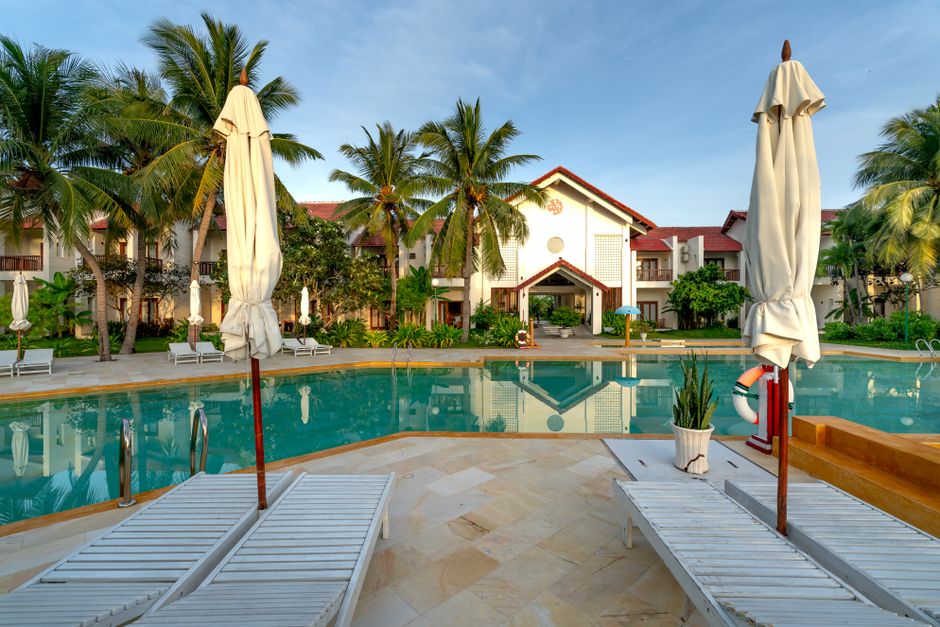
School-holiday inventory at a 94-key Noosa property does not wait for a content calendar. Families search “pet friendly resort Sunshine Coast January” on a Tuesday night, compare three properties on Maps, then bounce if the rooms page still talks about “unforgettable escapes” instead of inter-connecting rooms, late checkout, and a real AUD rate band. That is the Australian hospitality SERP in 2026: zero-click AI Overviews sitting on top of the query, OTAs still occupying the pack, and your own domain fighting for the one click that should become a direct booking.
This piece is for marketing and revenue leads who own the direct channel, not for guests shopping a long weekend. We will walk the failure mode (rankings that never turn into room nights), then a property-first SEO system you can run in AUD markets from the Gold Coast to the Snowy Mountains, with checklists, tools, and a sprint you can start without waiting for next season’s brand campaign.
When Australian resort organic traffic never becomes a paid stay
You already rank for the brand name. Search Console looks healthy on branded queries. Direct bookings still sit under the OTA mix, and the revenue meeting treats organic as “awareness.” The leak is not usually a missing blog about “top things to do in Byron.” It is a rooms or villa URL that cannot answer the same questions Booking.com answers in one screen: cancellation, kids stay free, parking, spa surcharge, and whether the rate is from AUD 289 or AUD 620 in peak.
AI Overviews now reach billions of monthly users globally. Plenty of stay-intent queries in Australia (“family resort Port Stephens school holidays,” “ski in ski out Thredbo”) trigger a summary that cites OTAs, tourism boards, and a Reddit thread before your official site. Impression share can rise while CTR falls. If you still report “organic sessions” as the north star, you will keep publishing more of the same and miss the information-gain test Google applied after the March 2026 core update: pages that add unique, verifiable property facts beat pages that remix destination copy.
Mobile is most of the journey. Guests tap from Maps, Hotel knowledge panels, and Instagram bios. If Interaction to Next Paint on the booking path is sluggish, they never hit the engine. Resort sites with hero video, third-party widgets, and a PMS overlay are often in the failing half. Marketing still gets blamed for “SEO not working” when the click died on a 4-second calendar load.
Attribution makes the argument worse. Last-click credits the OTA email or the brand PPC click even when organic research filled the consideration week. You will hear that “attribution is basically dead” if you only look at last click. For hospitality, you still need a tactical view: organic landing URL to booking engine start to confirmed stay, with UTM hygiene on every campaign so school-holiday content is not dumped into (direct)/(none).
If the rooms templates are the bottleneck, a partner that already runs SEO services for multi-property groups can rebuild those templates without parking the rest of the program.
How Australian property pages actually win the stay-intent query
Treat each bookable unit type as a product page, not a gallery. “Ocean view king” and “two-bedroom spa villa” are different jobs. Searchers type the job. Your H1, first 80 words, and schema should name the location, the unit, the guest type, and a constraint (minimum nights, pet policy, accessible room). Destination fluff belongs below the fold or on a separate guide.
Compete on facts OTAs scrape poorly. Staff-written notes beat 86.5% AI-generated SERP clones: which rooms hear the Pacific Highway, which villas have a full kitchen for a seven-night family stay, what “near the snow” means in minutes from Jindabyne, whether the restaurant is closed Mondays in shoulder season. That is information gain. Volume of posts is a dead metric here.
Local pack and Google Business Profile still decide last-metre demand for day spa, restaurant, and “hotels near me” on the drive up the Hume. Keep GBP categories honest (Resort hotel vs Motel), holiday hours, and photo cadence. Do not let the restaurant listing cannibalise the rooms listing with the same NAP if they are different entities.
Seasonality is the Australian twist. NSW and VIC school holidays, QLD wet season, WA mining FIFO long weekends, and ski opening are not “evergreen blog” problems. Build URL clusters that match the calendar: /school-holidays/, /ski-season/, /whale-season-hervey-bay/, each pointing to live availability, not a 2022 roundup. Internal links from those hubs to the exact room types you want to fill that week.
After the organic click, watch behaviour, not vanity bounce. HeyLead Insights shows whether guests stall on rate-calendar iframes, ignore the “book direct” banner, or never see cancellation copy. That evidence beats another homepage redesign.
Audit scorecard
-
Intent vs URL
Map the last 90 days of Search Console queries that contain stay, hotel, resort, villa, spa, ski, or school holiday language. Each cluster needs a dedicated rooms or offer URL, not a blog. If "family rooms Gold Coast" lands on the brand homepage, that is the first fix.
-
Rate honesty
Show an AUD from-price or a live calendar above the fold. Hidden "best rate" widgets that load after 3 seconds lose the comparison shopper who already has OTA tabs open.
-
Proof that books
Put recent guest photos, TripAdvisor or Google rating, and one specific amenity (heated lagoon, kids club hours, EV chargers) in the first viewport. If the first viewport says 'luxury' or 'unforgettable' but not the heated lagoon hours, kids-club age range, or EV charger count, you are failing the comparison shopper who already has a Booking.com tab open.
-
Schema that matches inventory
Hotel, Offer, and Room markup must match live types. Stale "sold out" schema or missing address in regional NSW towns costs you Hotel pack eligibility.
-
Core Web Vitals on the book path
Measure INP and LCP on the rooms template and the engine, not the blog. Lazy-load gallery, delay chat widgets, keep the calendar first-party if the PMS allows it.
-
AIO and citation share
For queries that trigger AI Overviews, publish unique facts tourism sites cannot copy: access notes, room measurements, noise, and on-property dining hours. Aim to be the cited property, not another paraphrased listicle.
-
Cannibalisation
One URL per intent. If three "weekend getaway Hunter Valley" posts fight the lodge page, consolidate. Redirect the losers. Internal links should all point to the bookable page.
-
Tracking that revenue trusts
Fire a booking-start event and a confirmed-stay event with property ID and stay dates. UTMs on every organic landing so school-holiday content is not mixed with brand navigational traffic.
Get a free marketing audit - we review your search, ads, and landing pages and send back what to fix first.
Get a free audit
A working sequence for multi-property Australian groups
A regional group with a 40-key eco lodge in the Daintree and a 120-key beach hotel on the Sunshine Coast had one template and one blog. Organic sat on “tropical holiday Australia.” Direct mix did not move. The mechanism was simple: Google could not tell which property answered which query, and the booking engine sat behind a “check rates” button that loaded a third-party domain.
They split templates. Daintree URLs talked rainforest, cassowary, and wet-season closures. Sunshine Coast URLs talked school holidays, kids club, and parking. They added Hotel schema per property, trimmed the hero video, and linked seasonal hubs only to the property that could take the stay. Within eight weeks, non-brand organic was producing booking-starts the engine could attribute to specific school-holiday URLs - not a headline traffic lift, but actual room nights the PMS could verify.
Do not copy a UK OTA playbook onto this market. Australian guests still compare OTAs, but they also search “best rate guarantee” and “book direct package” when the offer is real (breakfast, parking, late checkout). If the organic page cannot state the package in AUD, paid search will keep buying the same click at a rising CPC (search CPC averaged about $2.96 in 2026 globally, up 12% year on year). Organic should take the research click; paid should defend brand and last-room urgency, not replace a broken rooms page.
Content cadence is the other operational load. Two properties times four seasons times room types is more than a brand team writes by hand. HeyLead Auto Blogger is built for that kind of region- and property-aware publishing under human strategy: school-holiday pages, event weekends, and destination facts that do not read like the same AI block every competitor already ranked with.
Action checklist
- Export 90 days of Australian-geo Search Console queries. Tag stay-intent vs tourism-inspiration. Park inspiration until rooms URLs convert.
- Rewrite the top three room-type templates with location, unit facts, AUD from-price, and a single primary CTA into the engine.
- Implement Hotel and Offer schema, then validate. Fix NAP mismatches between the site, GBP, and the PMS.
- Run Core Web Vitals on the rooms URL on a mid-range Android, not the office Mac. Kill autoplay video on that template.
- Build one seasonal hub for the next school-holiday window and internal-link only to fillable room types.
- Add booking-start and confirmation events with property ID. Reconcile 20 sample stays against GA4 before you brief the board.
- Claim citation opportunities: unique access, room sizes, dining hours. That is how you show up when AI Overviews summarise the stay.
Free tools - try these yourself
Where Australian marketers still burn the organic budget
They write for tourists, not for the person who will pay the folio. “Things to do in Cairns” without a path to a room night is a tourism-board job. Your job is qualified stays at a contribution you can defend versus OTA commission.
They chase national head terms (“best resorts Australia”) against hotel groups with PR machines. The winnable set is city + property type + constraint: “adults only resort Margaret River,” “accessible hotel Melbourne CBD,” “dog friendly cabins Jervis Bay.” Those convert because the guest already knows the trip shape.
GBP photos and Q&A are the most neglected lever. Maps is often the last click before a same-week stay. Outdated pool photos and unanswered “is the spa open Sunday” questions leak more revenue than a missing H2.
They measure rankings in Ahrefs and never sit in the booking engine as a guest on 4G from the car park. If the engine is a different domain without consistent branding, Google and the guest both treat it as a handoff. Keep titles, H1, and meta aligned with the query, then keep the visual thread into checkout.
If you need a second pair of eyes on templates before peak, use the free audit rather than waiting until December school holidays are already sold to OTAs.
Patterns we see in audits
The short quotes below are illustrative composites drawn from patterns in account reviews. They are not quotes from named clients.
A pattern we see repeatedly across Queensland coastal properties: ranking for the town name while OTAs take the booking because the rooms page never stated kids-stay-free or an AUD from-rate.
A pattern we see repeatedly across regional lodge groups: AI Overviews citing the tourism board until the site added room dimensions, wet-season road notes, and real dining hours - citation returning before the traffic graph did.
FAQs
How long until SEO moves direct room nights for an Australian resort?
Technical and template fixes can change conversion on existing clicks within weeks. New non-brand rankings for competitive coastal or ski terms usually take 3-6 months for competitive coastal terms like Noosa or Byron; regional or niche terms (accessible lodges Snowy Mountains, adults-only Margaret River) often rank and convert within 6-10 weeks because competition is thin and the searcher intent is exact. Anyone promising a national #1 in a week is selling a different product.
Should we still blog if AI Overviews steal the click?
Blog only when the piece adds facts a rooms URL cannot hold: event weekends, access after floods, ski-open status. Measure booking-starts from those URLs, not sessions. Citation share in AI results is a visibility KPI alongside CTR.
Do we need separate sites for each property?
Usually no. A clear subdirectory or subdomain per property with unique NAP, schema, and rooms templates is enough. Duplicate templates with only the town name swapped will cannibalise and look thin.
How does SEO sit next to Google Hotel Ads and brand PPC?
Organic should win research and comparison. Hotel Ads and brand search defend the last click and OTA conquest. If organic landing pages cannot convert, paid will keep buying expensive clicks for the same leak.
What should we report to the owner or asset manager?
Non-brand organic booking-starts, confirmed stays, and direct revenue versus OTA mix for the same stay dates. Rankings and sessions are supporting evidence, not the board metric.
Putting it to work
Execution sprint
This week
- Pull 30-90 days of performance for hospitality and resort (Search Console, ads, CRM, or call logs - whatever you have).
- Flag the top leak: wrong intent, weak page, slow response, or dirty conversion tracking.
- Ship one fix on the highest-traffic money path (page, campaign split, or response rule).
- Run the free tools below on that same URL or account and log the findings.
Free tools for this sprint
Next 30 days
- Expand the fix to the next one or two money paths only after the first one shows cleaner bookings.
- Align creative, keywords, or content with the same offer the page now states.
- Review booked outcomes weekly; cut anything that still only produces unqualified volume.
This week
-
Pull 90 days of Search Console for Australia and tag stay-intent queries that hit the homepage.
-
Rewrite one rooms template with AUD from-price, unit facts, and a single engine CTA.
-
Run the Core Web Vitals checker on that URL on mobile.
-
Validate Hotel schema and GBP category alignment.
-
Wire booking-start events with property ID on the engine thank-you path.
Next 30 days
-
Ship one seasonal hub for the next school-holiday or ski window with internal links only to fillable types.
-
Reconcile 20 organic-attributed stays against the PMS.
-
Add unique access and amenity facts aimed at AI Overview citation.
-
Repeat the template pattern on the next two room types.
Start by opening the three rooms URLs that already get impressions and reading them like a family on 4G who has Booking.com in the next tab. If those pages cannot state the stay in AUD with proof and a working calendar, rankings will keep looking better than the folio. HeyLead works with Australian hospitality teams on the property-page stack - stay-intent mapping, schema, speed on the book path, and seasonal content built to produce room nights rather than traffic graphs. Chat with us on WhatsApp
Free marketing audit, or reach Martin directly:
Get a free audit Connect on WhatsApp · [email protected]