
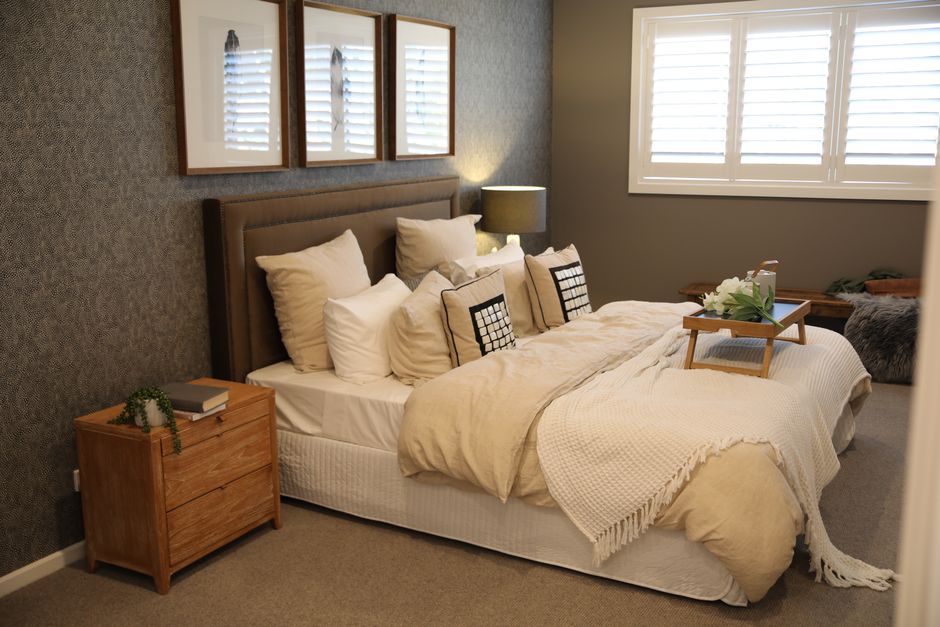
Saturday 10 a.m. in Paddington, a vendor walks a buyer through a vacant terrace that still smells like last week’s paint. The listing agent has already texted two staging studios. She did not open a mood board. She typed “home staging Brisbane vacant 3 bed” and “property styling Melbourne auction” and booked whoever looked ready this week. That is the job your organic pages have to win: not inspiration traffic, a walkthrough on a calendar that is already full.
Australian staging and styling companies live on agent shortlists, vendor referrals, and a handful of high-intent searches around auction week, off-market appraisals, and furniture hire. Rankings that pull Pinterest-style “living room ideas” do not pay for a truck, a warehouse, or a Saturday crew. SEO for home staging and styling Australia is the work of mapping those commercial queries, proving you can turn a dead house into a sale-ready set, and making the site fast enough that an agent on Domain does not bounce.
Where Australian staging sites leak walkthroughs before the quote
Most studios publish a homepage gallery and a blog about throw pillows. Agents search for suburb plus vacant staging, occupied styling, or a fixed package for a two-week campaign. If those phrases never appear in titles, H1s, or service copy, Google has no reason to send the click. You then wonder why “brand awareness” grew while the phone stayed quiet.
The second leak is proof that is too pretty and too thin. A full-width hero of a Hamptons kitchen does not tell a listing agent in Perth whether you can clear a four-bed in 72 hours, insure the hire stock, or work around a tenant still in situ. Pages that convert name the job: vacant versus occupied, auction versus private treaty, metro versus regional travel, and what the package includes in AUD so nobody has to guess on a call.
Speed is the third leak. Fewer than half of mobile origins pass all three Core Web Vitals - check your own URLs at web.dev/measure. Agents compare you on a phone between inspections. A 4 MB gallery that stalls Interaction to Next Paint loses the enquiry even if you rank. Mobile already carries most search clicks; if your form is below three carousels, they never submit.
Zero-click search makes this worse. AI Overviews now sit on a large share of “how to stage a house for sale” queries. Visibility can rise while clicks fall. If your only KPI is last-click organic sessions, you will cut the pages that still get cited in the overview and keep the fluffy posts that never booked a walkthrough. Track branded search, calls from the listing suburb, and form starts that name a property address, not just traffic volume.
If your service pages still dump every suburb into one undifferentiated gallery, a dedicated SEO program for service businesses is usually cheaper than another round of homepage redesigns that never mention vacant staging.
The intent map that books Australian walkthroughs, not mood boards
Treat search as three buckets. Bucket one is agent commercial intent: “home staging company Sydney”, “property stylist Melbourne for agents”, “vacant home staging Perth”. Bucket two is vendor urgency: “stage house for auction Brisbane”, “furniture hire for sale Adelaide”, “occupied home styling before photos”. Bucket three is research that almost never converts on first click: colour palettes, “should I stage an investment property”, DIY checklists. Rank for bucket three only if those articles internally link to a package page with a booking form.
Write one money page per job, not one page for the whole brand. Vacant staging in inner Sydney is a different offer from occupied styling on the Gold Coast. Suburb pages work when you have real jobs there: before/after from that postcode, travel notes, and a line about auction calendars. Fake suburb pages with the same three paragraphs get ignored, and they should.
Language should match how agents talk. They say walkthrough, campaign, hire stock, styling day, pack-out, and settlement. They do not say “elevate your space”. Put those words in titles and FAQs. Schema that marks your services, service area, and frequently asked questions helps both classic results and the generative layer that now sits above them. Pages that still rank after recent core updates tend to add something a generic interiors blog cannot: local job photos, named suburbs, real process detail.
Information gain matters more than word count after recent core updates. A 900-word page that lists your 48-hour vacant process, insurance, and a $2,400 starter package in AUD beats a 2,500-word essay on Scandinavian interiors. Volume is a dead metric here. The page has to add something an agent cannot get from a generic interiors blog.
Audit scorecard
-
Money-page inventory
List every URL that should rank for vacant staging, occupied styling, furniture hire, and agent partnership. If two jobs share one URL, split them. Title tags must name the job and Australia or the city, never just "our work".
-
Query-to-package match
For each high-intent query, the first screen must show the matching package, a starting price band in AUD, and a form that asks for suburb and listing date. Do not send "home staging Melbourne" to a journal post.
-
Proof that survives a 12-second skim
Place one before/after from the last 90 days above the fold, plus a line on turnaround (for example 72 hours vacant inner-metro) and whether you work occupied homes. Agent logos help only if they are current clients, not decade-old PDFs.
-
Local signals that Google can trust
Google Business Profile categories, NAP consistency, and suburb mentions that match real jobs. Reviews should mention staging for sale, not cafe fitouts. Embed the map only if you actually take walk-ins or warehouse visits.
-
Speed and form friction
Compress galleries, lazy-load below-fold images, and keep the enquiry form to suburb, listing date, vacant or occupied, and phone. If Interaction to Next Paint fails on mobile, fix that before you commission another blog series.
-
Measurement that ignores vanity traffic
In GA4, mark walkthrough booked and quote sent as conversions. Tie UTMs on agent emails. Compare Search Console queries that contain staging, styling, vacant, and auction against sessions that never hit a service page.
Get a free marketing audit - we review your search, ads, and landing pages and send back what to fix first.
Get a free audit
What a working build looks like
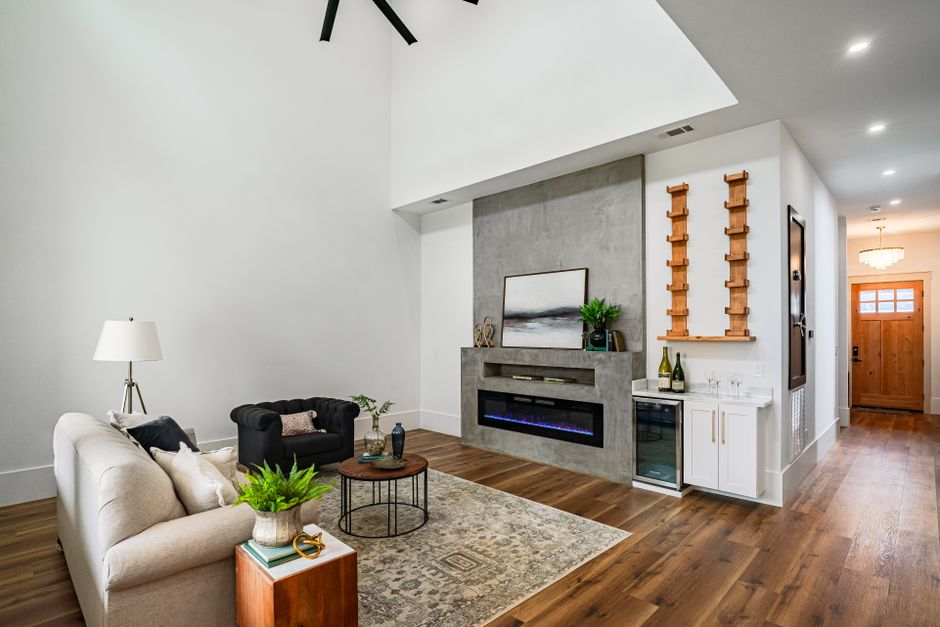
A Melbourne studio of eight stylists had a beautiful site and almost no organic walkthroughs. The mechanism was simple: every city sat on one “Locations” page, and the only conversion event was “newsletter”. They split vacant and occupied into two service URLs, added a $1,850 occupied half-day package in plain AUD, and moved the form above the third image. Organic enquiry volume did not explode overnight. What changed in 11 days was that agents started arriving on the vacant page from “vacant home staging inner west” instead of bouncing from a journal post about linen curtains.
Do not wait for a perfect CMS rebuild. Ship the intent map, then the pages, then the proof. HeyLead Auto Blogger can keep suburb and job-type articles shipping under a human editor so you are not stuck with one exhausted in-house writer. Use it for cadence, not for fake city pages with no jobs behind them.
Post-click, watch where agents stall. If they tap the gallery and never reach the form, the page is a lookbook. HeyLead Insights is the honest way to see scroll depth and abandoned fields without guessing from last-click reports that already lie when AI Overviews steal the click.
Action checklist
- Export 90 days of Search Console queries. Keep rows with staging, styling, vacant, occupied, auction, furniture hire, and city names. Drop "living room ideas".
- Map each keeper query to one URL. Create missing vacant, occupied, hire, and agent-partner pages.
- Rewrite title tags to name the firm-type job and city, for example "Vacant home staging for Brisbane auction listings".
- Put package scope and an AUD starting band in the first 120 words. Agents will not hunt a PDF.
- Add one recent before/after per page with suburb and listing type in the caption, not "project 12".
- Internal-link every journal post to the matching money page with anchor text that names the job.
- Fix Core Web Vitals on those URLs first: compress hero images, defer third-party chat widgets, test INP on a mid-range Android.
- Align Google Business Profile services with vacant staging and property styling, and ask agents for reviews that mention the walkthrough, not "nice people".
- Mark up FAQ and LocalBusiness schema from questions you actually get on the phone: lead time, occupied homes, travel outside the CBD.
- Set GA4 events for form start, form submit, and click-to-call. Exclude newsletter signups from the conversion column you show the owner.
- Publish one information-gain article per month that only a working stylist could write: pack-out sequencing, tenant-in-situ rules, or how you shoot for Domain versus a brochure.
- Re-check rankings and enquiry quality after 6-8 weeks. Kill pages that attract DIY homeowners if they never become paid campaigns.
Free tools - try these yourself
A Perth owner-operator ran the opposite mistake: five blog posts a week, zero service-page edits. Traffic looked healthy in the median organic range for a small site, then every lead was a homeowner asking for free colour advice. They paused the blog, rewrote the vacant page around 48-hour pack-ins for coastal auctions, and asked two agencies for reviews that named vacant staging. Quote requests from agents overtook homeowner emails within a month. The lesson is not “blog less”. It is stop feeding the wrong intent cluster.
What we hear from studios
A common pattern: ranking for styling inspiration while losing Saturday walkthroughs to a slower site that named the suburb and a 72-hour turnaround on its vacant page.
Another pattern: last-click organic looking fine until forms are filtered for a listing address - half the “leads” are students saving mood boards.
FAQs
How long until SEO produces walkthroughs for an Australian staging firm?
Honest programs take 3-6 months before rankings and enquiry quality are stable, especially if you are rebuilding thin suburb pages. Studios that already have 10+ real before/afters, consistent GBP reviews mentioning auction or vacant staging, and a domain older than two years typically see enquiry quality shift within 60-90 days. Starting from a gallery-only site with no service pages, budget closer to 5-6 months before agent-sourced quotes outpace homeowner tyre-kickers. Faster claims usually mean you already had domain strength or you are buying the traffic. Treat the first 30 days as inventory, titles, speed, and conversion events, not as a ranking miracle.
Should we still blog if AI Overviews steal the click?
Yes, if each article adds information an interiors magazine will not: pack-out order, insurance, occupied-home rules, Domain photo specs. Use those pieces to earn citations and to pass internal links to vacant and occupied service pages. Do not measure them on last-click sessions alone.
Is Google Business Profile enough without a full site rebuild?
GBP helps agents who search the map, but high-intent queries still land on URLs. If those URLs are a single gallery homepage, you will lose the click to a competitor who named vacant staging and a city. Fix the money pages even if the profile is already complete.
Do we need separate pages for Sydney, Melbourne, and Brisbane?
Only where you actually take jobs and can show local proof. One honest metro page with real before/afters beats five cloned city URLs. If you fly crews, say so and name travel charges in AUD instead of pretending you have a warehouse in every CBD.
What should we track besides rankings?
Walkthroughs booked, quotes sent, jobs won, and the query that started the session. Watch Core Web Vitals on service URLs. If AI Overviews appear on your head terms, track impression share and branded search as well as CTR, because CTR will look worse even when you are the cited brand.
Putting it to work
Execution sprint
This week
- Pull 30-90 days of performance for Australian home staging and styling firms (Search Console, ads, CRM, or call logs - whatever you have).
- Flag the top leak: wrong intent, weak page, slow response, or dirty conversion tracking.
- Ship one fix on the highest-traffic money path (page, campaign split, or response rule).
- Run the free tools below on that same URL or account and log the findings.
Free tools for this sprint
Next 30 days
- Expand the fix to the next one or two money paths only after the first one shows cleaner bookings.
- Align creative, keywords, or content with the same offer the page now states.
- Review booked outcomes weekly; cut anything that still only produces unqualified volume.
This week
-
Pull 90 days of Search Console queries and highlight staging, vacant, occupied, auction, and hire terms.
-
Assign each term to one URL and note gaps where two jobs share a gallery homepage.
-
Rewrite the vacant-staging title, H1, and first 120 words with city, turnaround, and an AUD starting band.
-
Run the Core Web Vitals checker on that URL and compress anything blocking mobile INP.
-
Turn on form-start and click-to-call events; stop counting newsletter signups as leads.
-
Ask two agents for a review that names vacant staging or auction styling, not “great team”.
Next 30 days
-
Ship occupied and furniture-hire pages with the same proof standard.
-
Add FAQ schema from real phone questions and internal links from old journal posts.
-
Compare enquiry quality: listing address present versus mood-board tyre-kickers.
-
Decide which suburb pages have real jobs behind them and delete the rest.
-
If publishing cadence is the bottleneck, use a managed article system under human strategy rather than another burst of generic interiors posts.
Start by lining every commercial query against a page that can book a walkthrough this week, then fix the form and the photos that sit above it. HeyLead can own that loop for Australian staging and styling firms: intent mapping, money-page copy, speed, and the tracking that separates agent jobs from inspiration traffic. Chat with us on WhatsApp
Free marketing audit, or reach Martin directly:
Get a free audit Connect on WhatsApp · [email protected]