
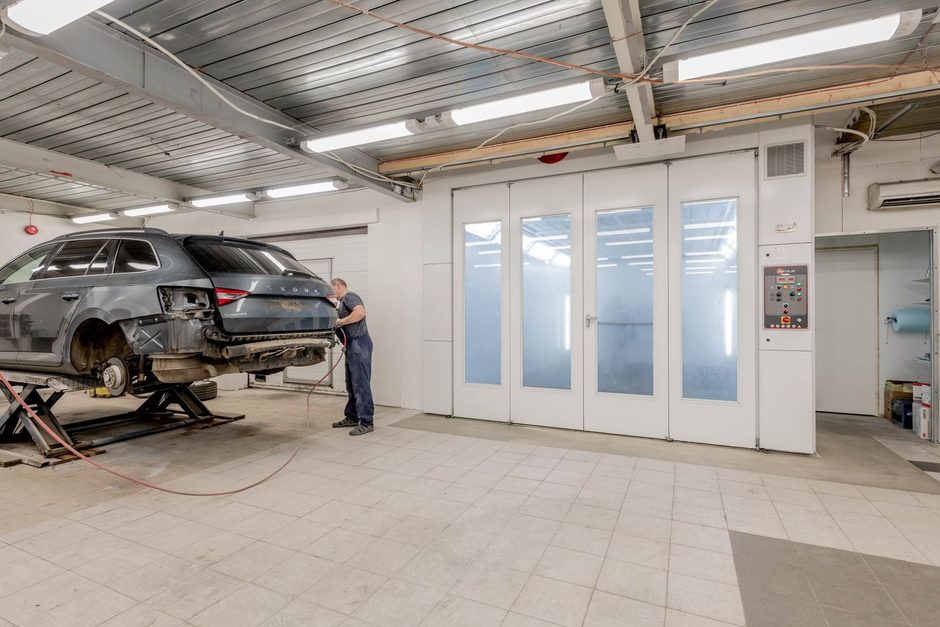
The estimator at a Leeds accident-repair centre still starts the day in the same place: the Google Business Profile inbox and the “request a repair estimate” form. Not a brand awareness dashboard. A driver with a crumpled rear quarter, an insurer’s approved-repairer list, and a postcode they typed at 07.12 on the M62. If your organic presence does not win that moment, you are not doing SEO for UK body shop companies. You are publishing content that never meets a damaged car.
Paid search still matters. CPC for local accident-repair terms has climbed year on year - which is exactly why organic has to carry the repeatable jobs you cannot afford to keep buying at auction. That is exactly why organic has to carry the jobs you cannot afford to keep buying: bumper resprays, SMART repairs, insurance write-off assessments, alloy refurb, and courtesy-car-backed accident work. This piece is the UK-specific organic system behind those jobs, not another lecture on “local SEO basics”.
Where UK body shop search actually starts (and why blogs miss it)
Most UK body shop searches are not “how does paint blending work”. They are “body shop near me insurance approved”, “rear bumper repair Manchester”, “mobile SMART repair Birmingham”, or “accident repair centre [town] courtesy car”. The intent is an estimate, a collection slot, and proof you can deal with their insurer. Rank for the wrong cluster and you fill the diary with DIY respray tyre-kickers who ghost after they see labour rates.
Zero-click search makes this worse. Early 2026 US data showed 68.01% of Google searches ending without a click, and AI Overviews now reach about 2 billion monthly users. UK drivers still tap a map pin faster than they read a 2,000-word guide. Your Map Pack listing, NAP consistency, photos of actual bays, and the first 80 words on the service URL do more work than a thought-leadership post about “the future of EV bodywork”.
You will also lose jobs if the page is slow. A photo-heavy gallery of before-and-after repairs that tanks INP on mobile is a tax on every organic visit. Organic body shop traffic behaves the same: people are in a car park, not at a desk.
Information gain beats volume after Google’s March 2026 core update. A page that lists every paint code in the UK does not outrank a page that names the insurers you work with, typical cycle times for a rear-end Civic, VAT-inclusive estimate ranges, and whether you collect from the recovery yard. Volume is a dead metric here. The shop that gets mentioned and clicked in local results and AI snapshots is the one that writes like a workshop manager, not a content mill. 86.5% of top-ranking pages contain AI-generated content. That is not permission to dump generic copy. It is a warning that undifferentiated AI pages get ignored.
If organic traffic already hits the site and estimates still die, treat that as a marketing problem, not a “sales didn’t follow up” story. Form fields that ask for chassis numbers before a photo upload, no click-to-call on mobile, and a homepage that talks about “excellence in collision” without a postcode-level service area all leak qualified jobs. HeyLead Insights is useful here because session recordings and heatmaps show whether people stall on the insurer dropdown or never reach the estimate CTA at all.
GBP, insurance-intent pages, and the organic stack that books bays
UK body shop SEO is a three-layer stack: Google Business Profile that looks like a working shop, service URLs that match insurance and damage intent, and a measurement loop that counts booked estimates, not “contact us” vanity events.
On GBP, categories and photos do the targeting. Primary category should match how you actually trade (car body shop, accident repair centre, or SMART repair), not a vanity category you hoped would steal extra impressions. Weekly photo drops of real jobs beat a single hero shot of a freshly painted BMW. Review replies should mention the job type (rear quarter, hail, lease-return scrape) so later queries pick up those phrases. Opening hours must include the Saturday collection window you actually staff. If you hide that, you train Google to send the work to the chain with a 24-hour key-drop.
Service pages should map to jobs, not blog themes. One URL for insurance accident repair, one for bumper and parking-scrape SMART work, one for alloy and body-kit, one for commercial vans if that is real revenue. Each page needs: postcode towns you cover, insurer names you are approved with if you can say so honestly, cycle-time ranges, courtesy car / collection, and a form that starts with photos plus registration, not a novel. Internal links from those pages to the GBP-aligned location page keep authority in the commercial cluster instead of leaking it into “history of cellulose paint” articles.
Do not send every query to the homepage. Buyers already use that as a filter: if they say we just send traffic to the homepage, run. Organic is no different. A “body shop Leeds insurance approved” click that lands on a brand story will bounce. Align H1, title tag, and first paragraph to the query. Then prove you fix cars in that city.
For content cadence across multiple sites or groups, HeyLead Auto Blogger can ship region- and niche-aware articles under human strategy so you are not asking estimators to write “10 winter driving tips” between booking slots. Keep the human layer on E-E-A-T: named technicians, real paint-booth photos, and insurance process notes AI cannot fake.
If you need a partner on the organic programme rather than a one-off content dump, HeyLead’s SEO services are built around this job-led structure, not generic ranking reports.
Get a free marketing audit - we review your search, ads, and landing pages and send back what to fix first.
Get a free audit
A UK body shop SEO scorecard you can run this month
Use this as an audit, not a philosophy. Tick what is live in Search Console and GBP, then fix in that order. The goal is booked estimates from organic, not a prettier traffic chart.
Audit scorecard
-
Intent inventory, not keyword soup
Export 90 days of Search Console queries. Tag each as insurance accident, SMART/scrape, alloy, commercial, or DIY tyre-kicker. Kill content plans for the last group. Keep only clusters that historically produce estimate forms or calls.
-
One URL per paying job
Build or rewrite pages for insurance accident repair, bumper SMART, and any specialist line that actually fills a bay. H1 names the job and the town cluster. First 80 words include collection, courtesy car, and insurer process.
-
GBP that looks like a workshop
Primary category, service list, and 20+ recent job photos. Q&A filled with real answers on cycle times and VAT. Review responses that name the repair type. Hours that match Saturday collections.
-
NAP and citation hygiene
Company name, phone, and address identical on the site footer, GBP, and major UK directories. Dual trading names (group brand vs site name) are a common Map Pack split. Pick one public name.
-
Mobile estimate path
Click-to-call sticky, photo upload before chassis trivia, postcode field, and a promise of same-day callback windows. If the form is longer than an insurer’s first-notification screen, cut it.
-
Core Web Vitals on gallery pages
Compress before-and-after sets. Lazy-load below-fold images. Watch INP on the estimate button. A fail here quietly taxes every Map Pack click.
-
Schema that matches the shop
AutomotiveBodyShop markup (the correct Schema.org type), opening hours, geo, and FAQ schema only for questions you actually answer (courtesy car, insurance process, typical SMART timelines).
-
Internal links from job pages
Every service URL links to the location page, GBP-driven contact block, and one related job (bumper to full respray). Do not orphan commercial van repair if that is 30% of revenue.
-
Booked-estimate events, not “thank you” vanity
Fire a conversion when the estimator marks the job booked, not when the form submits. Call tracking that tags organic vs GBP vs paid. Last-click will lie when the same driver saw you in Maps and then branded search.
-
AI Overview and citation share
Write short, sourced answers insurers and drivers can quote: typical SMART timelines, what “insurance approved” actually means at your site, and when a write-off assessment is worth the visit. You want mention plus click, not a pretty impression with no bay booked.
Action checklist
- Pull Search Console for 90 days and highlight the ten queries that already produce estimate forms.
- Rewrite the matching service URL so the H1, title, and form match that query in UK English.
- Upload ten new job photos to GBP this week, each captioned with damage type and town.
- Run Core Web Vitals on the busiest service URL and fix the heaviest image set first.
- Change the analytics event from form-submit to booked-estimate once the diary confirms the slot.
Free tools - try these yourself
A Midlands group we see in similar work had Map Pack visibility for “body shop” but almost no insurance-accident organic forms. The mechanism was blunt: their only indexed commercial URL was a brand homepage, while a competitor owned “insurance approved accident repair [town]” with cycle times and a photo upload. They split one service page, aligned GBP categories, and stopped measuring success as sessions. Estimate volume from organic moved because the query finally met a page that sounded like a shop, not a brochure.
Realistic timelines still sit in the 3-6 month band for competitive towns. Anyone promising Map Pack domination in a week is selling GEO theatre. You can ship the page and GBP fixes in days. Rankings and booked bays lag, especially where dealer-backed accident centres already sit in the pack.

Patterns we see in audits
The short quotes below are illustrative composites drawn from patterns in account reviews. They are not quotes from named clients.
“We were ranking for body shop plus the town, then wondering why the diary was full of cash-job scrapes. The moment we rebuilt the insurance accident URL and started counting booked estimates instead of form fills, the organic number finally matched the bays we wanted.” - Head of Marketing, UK accident repair group
Questions UK body shop marketers ask before they fund SEO
Is SEO still worth it when AI Overviews steal clicks?
Yes, if you measure booked estimates and Map Pack actions, not raw CTR. AI Overviews can cut clicks even when visibility rises. Your job is to be the brand named in the snapshot and the pin people tap. Thin blog posts will not do that. Job pages, GBP, and clear insurer process copy will.
Should we pause SEO and put everything into Google Ads?
No. Organic should own the repeatable local jobs so paid can hunt overflow and brand defence. Running only ads trains you to rent every bumper repair forever.
Can we just generate the service pages with AI?
You can draft with AI. You cannot ship unedited AI and expect information gain. Pages still need human editing, real photos, insurer specifics, and external trust. 86.5% of top pages contain some AI-generated content. The winners are the ones that still sound like a UK workshop.
What should we track besides rankings?
GBP calls, direction requests, estimate-form starts, photo uploads, and booked slots tagged by source. If attribution across tools disagrees, trust the diary. Last-click will double-count a driver who saw Maps, then branded search, then called.
How long before we should judge the programme?
Give structural page and GBP work 3-6 months in competitive postcodes. Judge weekly on leading indicators (indexed job URLs, review velocity, CWV, form completion) so you are not waiting blindly for a ranking screenshot.
Putting it to work
Execution sprint
This week
- Pull 30-90 days of performance for UK body shop (Search Console, ads, CRM, or call logs - whatever you have).
- Flag the top leak: wrong intent, weak page, slow response, or dirty conversion tracking.
- Ship one fix on the highest-traffic money path (page, campaign split, or response rule).
- Run the free tools below on that same URL or account and log the findings.
Free tools for this sprint
Next 30 days
- Expand the fix to the next one or two money paths only after the first one shows cleaner bookings.
- Align creative, keywords, or content with the same offer the page now states.
- Review booked outcomes weekly; cut anything that still only produces unqualified volume.
This week
-
Export 90 days of Search Console queries and mark insurance vs scrape vs junk.
-
Rewrite one service URL so the H1 and form match the highest-value cluster.
-
Add ten captioned job photos to GBP and reply to every review with the repair type.
-
Run the Core Web Vitals checker on that service URL and compress the gallery.
-
Change the conversion definition from form submit to booked estimate in the diary.
Next 30 days
-
Publish or split remaining job URLs (SMART, alloys, commercial) with town coverage.
-
Align NAP across site, GBP, and directories; pick one public trading name.
-
Add FAQ schema only for questions estimators already answer on the phone.
-
Review organic vs GBP vs paid estimate quality with the workshop manager, not just the dashboard.
Start by lining last month’s booked bays against the landing URLs that produced them. If insurance accident work never touches a dedicated page, that is the gap. HeyLead can own the UK body shop SEO loop from insurance-intent pages and GBP through to booked-estimate tracking so your team is not guessing from session counts. Chat with us on WhatsApp
Free marketing audit, or reach Martin directly:
Get a free audit Connect on WhatsApp · [email protected]