
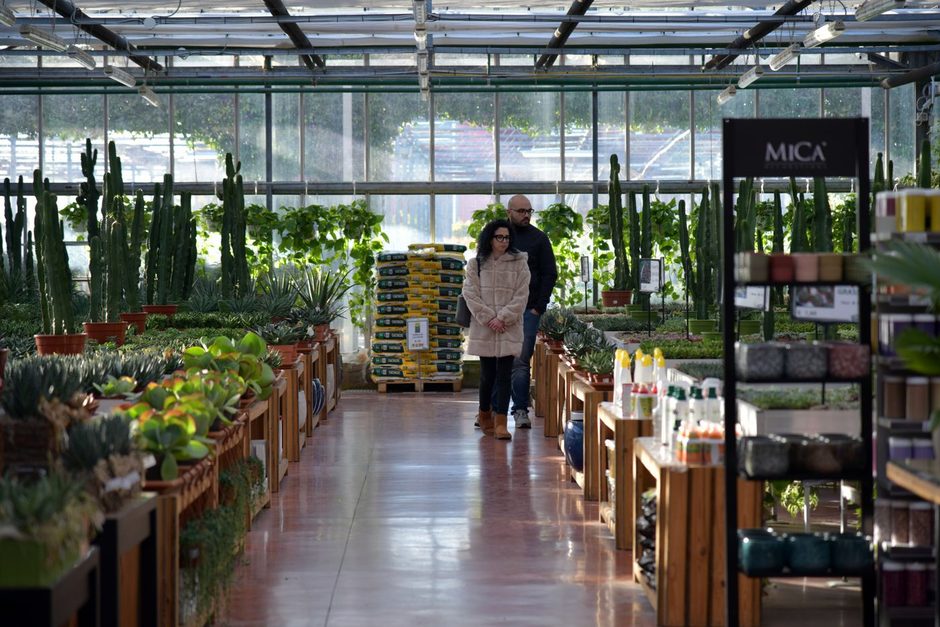
At 7.40am a merchandiser in Yishun is already moving pallets of 40-litre compost under a zinc roof because the 10-day forecast just flipped from haze to a three-day downpour. By 8.15am someone in a Tampines HDB types “bird nest fern delivery Singapore” on a phone that is still on prepaid data. That query is worth money if it lands on a page that shows stock, GST-inclusive price in SGD, and a collect-today slot. It is wasted if it lands on a homepage carousel of Christmas lights from last December.
PPC for garden centre companies in Singapore is not a UK catalogue job with extra humidity. The buyer is often an HDB owner with a 1.2m balcony, a condo facilities team restocking planters before CNY, or a landscaper who needs 20 bags of soil before a Friday site start in Jurong. Twenty to 30 percent of SEM budgets still leak on irrelevant queries, neglected negatives, or pages that do not match the ad.
This piece is the Singapore operating version: how you keep Google Ads (and a tight Meta assist) from funding curiosity about “free plants near me”, how you structure campaigns around monsoon, CNY, and Hari Raya, and how you send the click to a page that can actually sell a trolley, not a bounce.
The HDB balcony query that quietly eats your Search budget
Garden centre PPC in Singapore fails first on intent, not on bid strategy. “Plants Singapore” looks horticultural. It is mostly students, tourists, and people collecting Pinterest ideas. “Monstera deliciosa 1m pickup Ang Mo Kio”, “premium potting mix 40L Bedok”, and “CNY mandarin tree same day” are till queries. If you treat them as one campaign with one RSA, Smart Bidding will average them into mush.
You also compete with grocery and lifestyle inventory you do not control. Cold Storage, FairPrice Finest, IKEA plants, and marketplace listings sit on the same SERP for indoor foliage. Your job is not to win every impression. Your job is to win the queries where the shopper already wants a specialist: orchids, succulents with drainage, bulk compost, landscape quantities, gift hampers with live plants, and click-and-collect before a weekend.
AI Overviews now sit on a large slice of informational plant-care searches. Clicks drop even when you “rank”. Do not pour Search budget into “how to care for peace lily” unless that page is a conversion asset with a related SKU block. Paid search here should intercept commercial intent. Organic and content can own the care guides.
A realistic leak: a three-site group in the east ran one branded-plus-generic campaign into the homepage. Search terms filled with “community garden volunteer”, “NParks plant sale”, and “IKEA plant pot”. Cost per add-to-cart looked fine in-platform because “contact form” counted newsletter signups. Till data did not move. The fix was not a bigger budget. It was splitting intent, adding a 200-line negative list, and sending commercial clicks to SKU-level landing pages. Conversion rate on those ad groups moved from a thin 2.1% to 6.8% over 11 days once the page showed live stock and a map pin for the actual centre.
If your agency or in-house lead cannot show you last week’s search terms next to till SKUs, you are still buying traffic, not trolleys. For a tighter Search build, our Google Ads and paid search work starts from query-to-SKU mapping, not from a generic retail template.
Get a free marketing audit - we review your search, ads, and landing pages and send back what to fix first.
Get a free audit
How Search and Performance Max should split around monsoon stock
Singapore does not have a temperate “spring rush”. You have CNY citrus and orchids, Hari Raya outdoor refresh, mid-year monsoon when indoor foliage and potting mix spike, and year-end gift plants. Campaign architecture should follow those windows and the physical stock you can actually pick, not a product feed dumped into one Performance Max asset group.
Keep branded Search separate. Protect it with exact and phrase on your centre names and “near [estate]”. Do not let PMax cannibalise brand unless you have proven incrementality. Use standard Search for high-intent clusters: indoor plants + pickup, compost and soil, pots and drainage, landscaping bulk, CNY gift plants. Let PMax sit on shopping-style SKUs and remarketing once conversion signals are clean. Operators who say “Performance Max drives the bulk now” are usually right after the account has Enhanced Conversions and a feed that matches shelf reality. They are wrong if PMax is the first campaign they switch on with a homepage URL.
AI Max and broader matching can cut CPCs 12-18% versus tight legacy Search in some accounts, but only if negatives and landing pages are already adult. Automated bidding will inflate spend on junk if your conversion action is “page view” or a footer form. Garden retail in a high-CPC city will not hit that on informational traffic. Aim first at cost per collected order or cost per in-store visit, then ROAS once offline imports work.
Checklist
Checklist
-
Map intent to SKU families
List the 12-20 commercial clusters that actually hit the till: orchids, succulents, indoor foliage by size, potting mix volumes, pots, fertiliser, CNY citrus, landscape bulk. Assign one primary landing URL per cluster. Do not send “40L compost Jurong” to a blog on watering.
-
Build Search before PMax
Stand up branded Search plus 4-6 themed Search campaigns. Prove conversion actions on collect, call, and WhatsApp click. Only then add PMax with a product feed that excludes out-of-stock and gift-card SKUs.
-
Write RSA copy in Singapore English
Name the estate, GST-inclusive pricing, click-and-collect, and same-day cutoff (for example 3pm for evening pickup). Skip “best garden centre in Asia”. Mention parking, trolley access, and plant sizes that fit HDB lifts.
-
Season the budgets, not the whole account
Lift CNY citrus and orchid campaigns 3-4 weeks out. Cut outdoor furniture queries when NEA haze or monsoon makes patio sets unsellable. Do not rebuild the account every festival. Constant structure changes reset learning.
-
Negatives as a weekly ops habit
Add jobs, DIY tutorials, wholesale-only if you are retail, competitor mall names you cannot serve, “free”, “NParks”, “community garden”, “school project”, and “IKEA” unless you are running a conquest test with a dedicated page.
-
Clean conversion setup
Use Google Tag Manager, Enhanced Conversions, and (if you run Meta) a Conversions API. Clients routinely lose 20%+ of conversion data to ad blockers and privacy changes. Smart bidding cannot save a broken signal.
-
Mobile speed as a bid factor
As of Q4 2024 CrUX data, fewer than half of origins pass all three Core Web Vitals. A 4MB homepage of plant photography will lose the Tampines commuter. Check INP on the collect form, not just LCP on the hero image.
-
Match ads to a dedicated page
If someone says they just send traffic to the homepage, that is the leak. Align headline, SKU, price band, and CTA. Session recordings will show where shoppers stall on shipping vs collect.
Action checklist
- Export 90 days of search terms. Tag each row till, research, or junk. Pause anything in junk before you touch bids.
- Build UTM conventions for Search, PMax, and any Meta assist so till reports can split channel without last-click fiction.
- Create one collect-focused landing URL per cluster with GST-inclusive prices, stock honesty, map, parking note, and a 3pm cutoff.
- Turn on Enhanced Conversions. Import offline collect tickets if your POS can pass order value within 24 hours.
- Give Smart Bidding at least 7-10 days of stable structure before changing targets. A hazy Tuesday is not a trend.
Free tools - try these yourself
Pages that sell orchids in SGD, not bounce reports
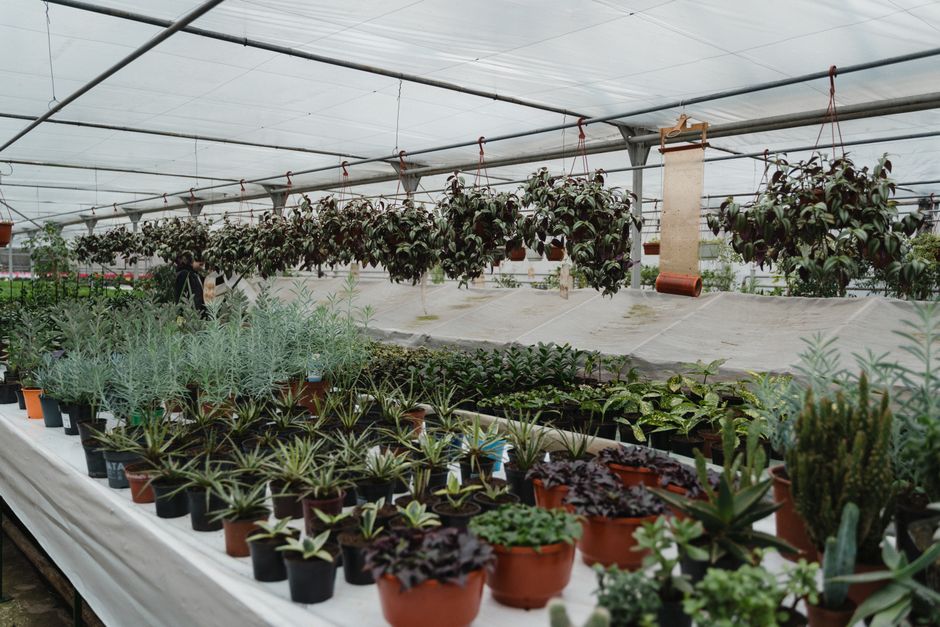
The click is not the sale. Garden centre shoppers in Singapore compare pot size, delivery to HDB (many centres refuse high-rise soil bags), and whether the plant will survive a lift ride. If the ad says “same-day pickup Thomson” and the page opens on a brand story, you paid for a bounce. Dedicated pages should lead with the SKU family, GST-inclusive price range, collect vs Grab, and a photo of the actual bench, not a stock jungle.
Form friction is ugly here because the “lead” is often a 90-second collect ticket, not a 14-day B2B demo. Keep fields to name, mobile, collect slot, and optional plant size. WhatsApp click-to-chat can outperform forms for landscapers, but still fire a conversion event so bidding sees it. Use HeyLead Insights to watch scroll depth and form abandon on those collect pages. You will usually find the leak at shipping policy, not at the headline.
Proof that works locally: recent collect times, a photo of the parking lot at peak Saturday, “plants sized for HDB lifts”, and review snippets that mention a named estate. A VWO CRO case study showed CVR rising from 33% to 43% after social proof additions. You do not need a fake 73% study. You need three reviews that mention orchids arriving upright.
A west-side operator sent PMax traffic to a slow homepage. INP on the collect button was painful on mid-range Androids. After compressing gallery images and moving collect above the fold, paid conversion rate on indoor foliage rose from 4.2% to 11% in a fortnight, with no bid change. The mechanism was the button, not the keyword.
Meta is optional, not mandatory. Use Meta when you have a visual SKU (CNY citrus, hanging baskets) and a catalog, and when creative can refresh inside a week. UGC-style clips die in 5-6 days. If you cannot reshoot benches, keep Meta as a remarketing cap, not a cold-traffic engine. Creative is your targeting on that platform. Weak creative plus broad delivery will fund other people’s weekends.

Questions Singapore garden centre marketers still ask about PPC
Should we start with Performance Max or standard Search?
Start with branded Search and a handful of commercial Search campaigns. PMax needs clean conversion value and a feed that matches stock. Switching PMax on first is how you fund “free plants” and mall browsers.
Is automated bidding just going to inflate spend?
It will if the conversion action is soft or delayed. It will not if you import collect value, use Enhanced Conversions, and give the algorithm a week of stable structure. Manual CPC on a brand-new account can be a short training-wheels phase, not a philosophy.
How do we handle haze, monsoon, and CNY without rebuilding the account?
Use budget and pin-headline changes inside existing campaigns. Pause outdoor furniture and push indoor foliage and potting mix when weather kills patio demand. Rebuilds reset learning and usually cost more than a week of “bad” weather.
Do we need Meta if Search already sells collect tickets?
Only if you can refresh creative weekly and you have visual SKUs. Otherwise remarketing with a tight frequency cap is enough. Do not expect Meta diagnostics to predict till profit.
What reporting cadence actually helps?
Weekly search-term and collect-ticket notes beat a monthly ROAS slide. Last-click will double-count. Tie ads to POS or at least to collect SKUs. Nobody can honestly guarantee a ROAS before seeing your account, pages, and margins.
Putting it to work
Execution sprint
This week
- Pull 30-90 days of performance for garden centre (Search Console, ads, CRM, or call logs - whatever you have).
- Flag the top leak: wrong intent, weak page, slow response, or dirty conversion tracking.
- Ship one fix on the highest-traffic money path (page, campaign split, or response rule).
- Run the free tools below on that same URL or account and log the findings.
Free tools for this sprint
Next 30 days
- Expand the fix to the next one or two money paths only after the first one shows cleaner bookings.
- Align creative, keywords, or content with the same offer the page now states.
- Review booked outcomes weekly; cut anything that still only produces unqualified volume.
This week
-
Pull 90 days of search terms and mark till versus junk. Add the junk as negatives today.
-
Stop sending commercial ads to the homepage. One collect URL per cluster, prices in SGD with GST called out.
-
Set primary conversions to collect ticket, call, and WhatsApp click. Demote newsletter.
-
Run the Core Web Vitals checker on the collect template, especially INP on mobile.
-
Write UTM rules so weekend till reports can see Search versus PMax.
Next 30 days
-
Stand up branded Search plus themed campaigns before any PMax expansion.
-
Import offline collect value and watch whether Target ROAS still chases junk.
-
Build a seasonal budget calendar for CNY, monsoon indoor, and year-end gifts without restructuring weekly.
-
If Meta is live, replace tired UGC inside 5-6 days or pause cold prospecting.
Pull last weekend’s paid clicks against collect tickets by SKU family and you will see, in one spreadsheet, whether PPC for garden centre companies in Singapore is buying trolleys or tutorials. When the gap is the query-to-page handoff and the conversion signal Smart Bidding actually trusts, HeyLead can run that Search and landing loop so your merchandisers are not also doing bid strategy. Chat with us on WhatsApp
Free marketing audit, or reach Martin directly:
Get a free audit Connect on WhatsApp · [email protected]