
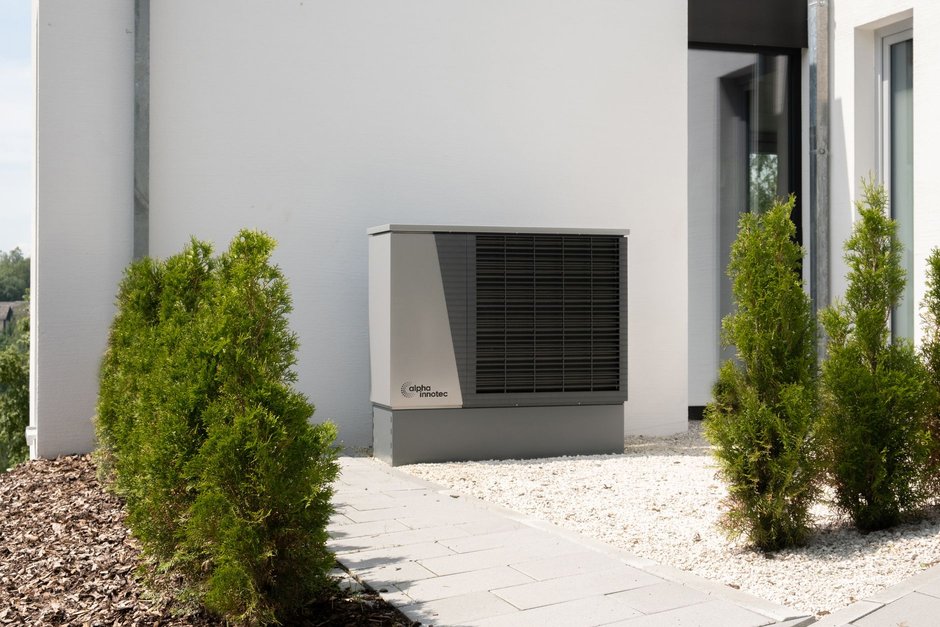
On 13 November 2026, the Oregon Department of Energy announced that the U.S. Department of Energy approved the launch of Oregon’s HOMES and HEAR home energy rebate programs. Single-family rebate applications open in early 2027. If you install heat pumps, HVAC systems or insulation in Oregon, you now have a short window to get your website ready before homeowners start asking about Oregon home energy rebates.
The detail that matters most for your business is this: most projects must be completed by enrolled contractors to qualify. Contractor registration and training opened in October. Homeowners will want to know whether you are enrolled before they book you. That decision will likely be made on your quote page.
So the job right now has three parts. Register and finish training. Put clear proof of your enrollment on the pages where people request quotes. Collect waitlist leads now, without promising rebate amounts the program has not published on its own pages.
What the approval says, and what it leaves open
Here is the full list of facts we are working from, taken from ODOE’s announcement of federal approval for Oregon’s rebate programs:
- The U.S. Department of Energy approved the launch of Oregon’s HOMES and HEAR programs.
- Single-family rebate applications open in early 2027.
- Multifamily applications and HEAR retailer coupons are planned as later phases in 2027.
- Most projects must be completed by enrolled contractors to qualify.
- Contractor registration and training opened in October.
- Energy Trust of Oregon and Earth Advantage deliver the programs together with ODOE.
That is enough to plan your marketing. It is not enough to write copy about specific dollar amounts, income rules or which equipment qualifies. Get those details directly from the program as they are published. Until then, your pages should say what you know and point to the program for the rest.
This matters for more than accuracy. If a homeowner books you because your page suggested a rebate, and the real number turns out different, the complaint comes to you, not the state. Vague is better than wrong. Better still is specific about the things you control: your enrollment, your process and your response time.
Your enrolled contractor status is the selling point
For years, rebate copy on contractor sites has said things like “Ask us about rebates.” That line will not carry much weight in 2027. When the rules say most projects need an enrolled contractor, a homeowner searching for an “enrolled contractor oregon” or “HEAR rebate contractor” is not browsing. They are trying to rule people out.
Your quote page has to answer one question before anything else: “If I hire you, can my project qualify?”
That means showing your status where people decide, not burying it on an About page. Put it near the top of your heat pump, HVAC and insulation quote pages, and again next to the form.
What counts as proof
Use whatever the program actually gives you. If enrolled contractors get a confirmation, a listing or approved wording, use that exactly as the program allows. If there is a public way for homeowners to check a contractor’s status, tell them how to do it. Inviting people to verify you builds more trust than any badge you design yourself.
Do not make up a logo or a “certified” seal. Do not call yourself “approved” or “certified” unless the program uses those words. “Registered and trained for Oregon’s HOMES and HEAR rebate programs” is plain and true once you have finished registration and training. Before then, say you are in the process. Never claim you are enrolled before you are.
Building quote pages for Oregon home energy rebates
Most contractor sites have one services page and one contact form. That works for routine repair calls. It works poorly for rebate projects, because the homeowner arrives with a specific question and leaves if they do not find the answer fast.
Build a dedicated quote page for each main service tied to the rebates. Say, one for heat pumps and one for insulation. Each page should do a few jobs in a clear order: confirm you are enrolled, explain what you do, explain what happens next, and capture the lead.
Here is the build list we would hand to you or your web person:
- Finish contractor registration and training first. The rest of the page depends on being able to say this truthfully. If you are partway through, write the page now and update the status line the day you are done.
- Write a headline that matches the search. Something like “Heat pump installation in [your area] from a contractor enrolled in Oregon’s rebate programs.” Use your real service area, not just “Oregon.”
- Add a short “where things stand” box. Two or three sentences: the programs were approved on 13 November 2026, single-family applications open in early 2027, and you will contact waitlist customers when they open. Date the box so visitors know it is current.
- Put your enrollment proof beside the form. Use the program’s own wording, plus how a homeowner can confirm your status if the program offers a way to do that.
- Explain your process in plain steps. For example: home visit, equipment or insulation recommendation, written quote, then help with the rebate paperwork once applications open. Only list paperwork help if you will actually provide it.
- Add a disclaimer near any rebate mention. “Rebate amounts and eligibility are set by the program. We will confirm what applies to your project once applications open.” Keep it short and visible.
- Make calling easy on mobile. Most homeowners will tap to call or fill out a short form from their phone. Put a click-to-call button at the top and keep the form above the fold.
- Add LocalBusiness structured data so search engines read your name, service area and phone number correctly. Our local business schema generator builds the code for you.
- Check that Google can find the page. New pages sometimes sit unindexed for weeks. Run the URL through our Google index checker a few days after it goes live.
If you want help building pages like this that turn rebate interest into booked estimates, that is exactly what our high-converting landing pages work covers.
A waitlist form that sets honest expectations
Between now and early 2027, homeowners will hear about the rebates from neighbors, news stories and utility mailers. Some will search for an “oregon heat pump rebate” long before they can apply. Those people are your waitlist.
A waitlist form is different from a quote form. The visitor is not ready to book. They want to be first in line and get a clear answer later. Ask for just enough to sort and prioritize them:
- Name, phone number and email
- Street address or ZIP code, so you know they are in your service area
- Home type: single-family, or multifamily building
- What they are interested in: heat pump, insulation, air sealing, or not sure yet
- How they heat their home today
- A rough timeline: as soon as applications open, later in 2027, or just researching
Leave out anything the program will decide, especially income questions. You do not need sensitive financial details on a website form, and asking for them early makes people nervous. Let the program handle eligibility.
Separate single-family from multifamily
Single-family applications come first. Multifamily applications and HEAR retailer coupons are planned for later in 2027. If a landlord or building owner joins your waitlist, tag them separately so you do not call them in early 2027 with news that does not apply to them yet. A home type field handles this automatically.
Tell people exactly what happens after they sign up
The confirmation message is part of the page. Say something like: “You are on our list. When single-family rebate applications open, we will call or text you to schedule a home visit. We will not quote a rebate amount until the program confirms it for your project.” Then do exactly that.
If you send texts, get clear permission on the form for that, and keep the wording plain.
Getting found when homeowners search for the rebate
Homeowners who search will not all type the same thing. Some will type the program name. Others will type “heat pump rebate,” or ask an AI assistant who in their town is an enrolled contractor. Your pages need to answer all of these in plain language.
A few practical moves:
- Use the program names on the page. Write “HOMES” and “HEAR” in your copy alongside plain phrases like “Oregon heat pump rebate,” because homeowners will use both.
- Post an update on your Google Business Profile. A short post saying you are registered for the rebate programs, with a link to your waitlist page, helps people who find you through Maps.
- Keep your name, address and phone number identical across your site, Google Business Profile and directories. Our local SEO work starts here because mismatches cost you local visibility.
- Be careful with ad copy. If you run Google Ads on rebate searches, do not put dollar amounts in headlines. Send the clicks to the waitlist page, not your homepage.
Track waitlist leads to the jobs they become
Waitlist leads take months to turn into jobs. Say someone signs up from an ad in December and books an install in March. Without tracking, your ad account never learns that click was worth anything. Importing those later sales back into Google Ads fixes that, and our offline conversion tracking setup connects your CRM or job software so the right campaigns get credit.
Frequently asked questions
Can I tell homeowners how much rebate they will get?
Not until the program publishes those details, and even then, only in the program’s own words. Your page can say the programs are approved and that single-family applications open in early 2027. Leave amounts and eligibility to the program, and promise to confirm them for each project once applications open.
I registered in October. What can I put on my website right now?
Once you have finished registration and training, you can say you are registered and trained for Oregon’s HOMES and HEAR rebate programs. Use any wording or listing the program provides. If you are still partway through training, say that, and update the page the day you finish.
Should I run ads for “oregon heat pump rebate” before applications open?
It can make sense if you send the traffic to a waitlist page, not a booking page, and keep dollar amounts out of the ads. Treat it as building a list for early 2027. Watch your costs closely, because people searching this early are often still researching.
I am not enrolled yet. Is it worth building the page?
Yes, but do not claim enrollment you do not have. Build the page, register and complete training, then switch on the enrollment line. Since most projects need an enrolled contractor, homeowners may pass over a quote page without one.
Do multifamily building owners belong on the same waitlist?
Collect them on the same form, but tag them separately. Multifamily applications are planned as a later 2027 phase, after single-family. Contacting them at the wrong time wastes their patience and your call time.
Who should homeowners contact about eligibility, me or the program?
The program. ODOE delivers the rebates with Energy Trust of Oregon and Earth Advantage, and they set the rules. Your page should say that eligibility is decided by the program, and that you will help with your part once applications open.
Your next step
This week, finish your contractor registration and training if you have not already, then add a dated “where things stand” box and a short waitlist form to your heat pump or insulation quote page. If you want us to build or review those pages before homeowners start searching in earnest, Call us+1 (415) 420-4059 or start with our free marketing audit.