
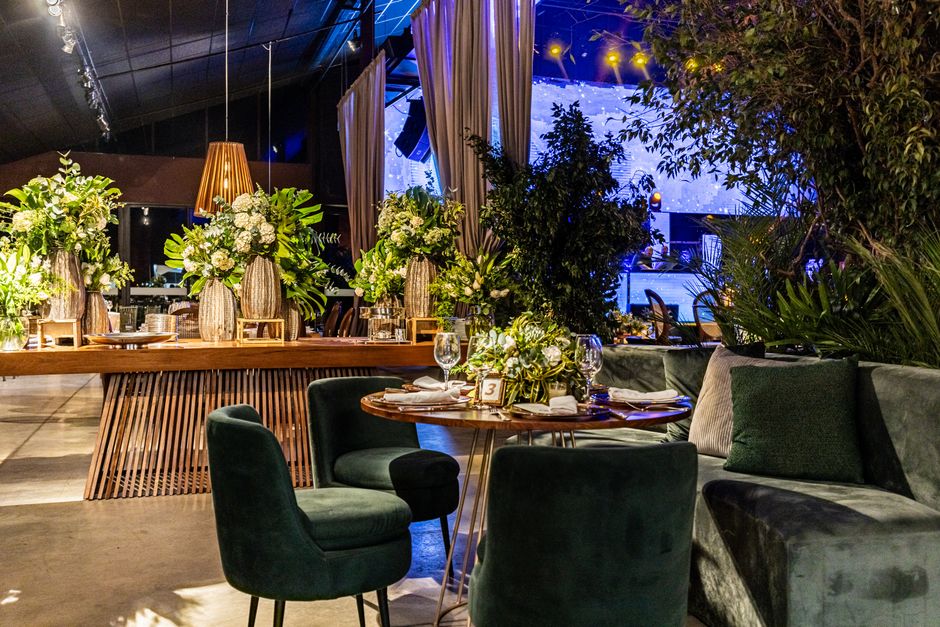
Saturday 9.12am. A head of marketing at a 420-capacity warehouse venue is staring at Google Business Profile insights while sales Slack pings about a 180-person product launch that still has no inbound enquiry. The search was never “cool industrial space.” It was “private event venue near [city] with AV” plus a Maps pin, three photos, and a review that mentions loading docks. If that pack does not name you, the RFP never starts.
Local SEO for venues and events companies is not a blog cadence problem first. It is a pack-and-proof problem: which rooms, which capacities, which neighbourhoods, which lead times, and whether the page that wins the click can book a site tour before the planner moves on. Paid can paper over gaps for a quarter. It does not replace the query that happens at 11pm when someone is shortlisting spaces on their phone.
This piece is a working playbook for marketing leads who own enquiry volume: Google Business Profile (GBP) as inventory, location and intent pages as the close, and measurement that tracks tours and holds, not just sessions. You will get a scorecard, ordered steps, and the tools to run the first pass yourself.
Why venue “near me” demand never hits your enquiry form
Planners do not browse the way a SaaS buyer does. They cluster: neighbourhood plus capacity plus use case. “Rooftop wedding venue 150 guests,” “conference hall with breakout rooms,” “warehouse for product launch with street-level load-in.” If your GBP category is a generic “Event venue” and your website homepage talks brand story, Google has almost nothing to match against those clusters. The pack fills with whoever named the room, the postcode, and the use case in titles, photos, and reviews.
Zero-click search makes this worse. A large share of local queries now end in the pack, an AI Overview, or a knowledge panel. Your brand can look “visible” in Search Console while enquiry volume is flat. Impression share without a Maps action (call, direction, website, or message) is a vanity number. You need pack presence plus a page that converts the people who still click through. AI Overviews already reach billions of monthly users; if you are not the cited local operator with hours, address, and event types in structured data, you are background texture.
The other leak is inventory mismatch. A multi-space operator (theatre, gallery, rooftop, boardroom) often has one GBP and one URL. Google then treats you as a single pin with mixed photos: a black-box gig next to a daylight boardroom. Planners bounce. Sales then blames “lead quality” when the real issue is that the wrong room was advertised as the whole business. Split the intent: one primary GBP for the legal entity, then distinct landing URLs (and, where Google allows, additional listings or distinct departments) for hireable products that actually sell.
Speed and proof still kill tours. Roughly half of origins still fail at least one Core Web Vitals threshold. Venue sites are image-heavy: empty-room galleries, floorplans, AV rigs. If Interaction to Next Paint stalls on mobile (most local research is on a phone), the “check availability” form never loads. Reviews that say “great night” help concerts. They do not help a corporate booker who needs to see “load-in from 7am” and “in-house PA.” You are ranking for the wrong sentence.
Check your own account; the economics usually favour organic once room pages exist. Local SEO is the cheaper way to own the same high-intent clusters, as long as the pack and the page agree.
If the gap is clearly organic visibility plus pages that cannot book a tour, a focused SEO program for venues is usually cheaper than another round of generic homepage copy.
Get a free marketing audit - we review your search, ads, and landing pages and send back what to fix first.
Get a free audit
A Maps, pages, and review playbook that actually books site tours
Treat GBP as a live inventory feed, not a listing you set in 2022. Primary category should match how planners search (event venue, banquet hall, performing arts theater, conference center), with secondary categories only if they are true. Hours must reflect when the box office or hire team answers, not when the bar opens for public gigs. The description should name neighbourhoods, standing vs seated capacity, and the two or three products you actually sell (weddings, conferences, ticketed shows), not a mission statement.
Photos and Products do more ranking work than most venue marketers admit. Shoot each hireable room empty and in a real event, plus load-in, restrooms, and accessibility. Upload floorplans as images with filenames that include the room name. Use Products or Services for packages: “half-day boardroom hire,” “weekend wedding exclusive,” “weekday tech rehearsal.” Posts should be weekly when you have a public programme, and still useful when you do not: a post that says “January weekday availability for 80-120 seated” is a ranking and conversion asset.
On-site, stop sending every query to the homepage. Build (or fix) URL patterns that match clusters: /venues/[neighbourhood]/, /private-hire/[room]/, /weddings/, /conferences/. Each page needs capacity, dimensions, AV, catering rules, lead time, a map, and a tour CTA above the fold. Schema should cover LocalBusiness or EventVenue plus FAQ where you answer load-in, curfew, and accessibility. Event markup belongs on public ticketed shows, not on every hire page. Internal links should flow from neighbourhood pages to rooms and back, so Google can tell you operate in more than one intent.
Reviews are a product problem. Ask for them after site tours and after events, with a prompt that names the room and the use case. “Hired the Mezzanine for a 90-person product launch, AV team was on time” beats five-star noise. Respond to every review in the voice of operations, not legal. Q&A on GBP should be seeded with the questions sales already answers on calls: corkage, union rules, neighbour noise, parking for coaches.
Audit scorecard
-
Pack vs enquiry gap
For your top three cities or neighbourhoods, search the exact phrases sales hears. Screenshot the pack. If you are missing from the local 3-pack, GBP category, NAP consistency, review velocity, and proximity signals are the first fix, not a new blog.
-
One URL per hireable product
List every room or outdoor plot that can be sold alone. Each needs a unique title, H1, capacity block, and tour form. Duplicate copy across rooms is how two spaces cannibalise each other in Search Console.
-
NAP and entity hygiene
Legal name, trading name, address, and phone must match GBP, the footer, schema, and directories. Venues with a street address plus a "correspondence" office confuse the pin. Pick the public entrance.
-
Review sentences that match intent
Count how many recent reviews mention capacity, AV, load-in, or neighbourhood. If they only mention the DJ, corporate hire will not trust you. Change the ask, not the star target.
-
Mobile tour path
On a mid-range phone, time the path from pack click to submitted tour request. If galleries block INP or the form sits under a 40-image slider, you are paying for clicks you cannot convert. Check Core Web Vitals on the actual room URLs, not the homepage.
-
Query-to-page map
Export Search Console queries containing venue, hire, wedding, conference, warehouse, rooftop, and your neighbourhood names. Assign each cluster a single owner URL. Anything with impressions and no page is a brief, not a mystery.
-
Citation and competitor gaps
Check wedding and conference directories, tourism boards, and "things to do" roundups. If a competitor is listed with the same capacity band and you are not, that is a local SEO task, not a brand campaign.
-
Conversion events that sales will trust
Track tour booked, brochure download, and call from GBP as separate events. Last-click will double-count. You still need the events so organic contribution to pipeline is not an argument every quarter.
Action checklist
- Export 90 days of GBP actions and Search Console queries. Highlight clusters with impressions but no pack presence or no landing URL.
- Rewrite the GBP primary category, description, and services to name rooms, capacities, and neighbourhoods the way planners talk.
- Upload a photo set per room (empty, dressed, load-in, accessibility) and a Product/Service for each sellable package.
- Publish or repair one URL per hireable space with capacity, AV, lead time, map, and a tour form in the first viewport.
- Add FAQ schema for load-in, curfew, parking, and accessibility using the same answers ops already emails.
- Ask the last 20 tour guests for a review that names the room and event type. Reply to every existing review this week.
- Fix title tags and H1s so they include neighbourhood plus use case, then validate they are unique across rooms.
- Run Core Web Vitals on room pages. Compress galleries, lazy-load below the fold, keep the form unblocked.
- Wire UTM parameters on GBP website buttons so Maps traffic is not dumped into "direct."
- Brief two neighbourhood or use-case articles only after the room URLs exist. Cadence without inventory pages is noise. If you need articles faster than your team can write them, HeyLead Auto Blogger drafts the structure - a human editor who knows the venue adds the ops detail before it goes live.
Free tools - try these yourself
Volume of posts is a dead metric if the room pages are thin. Information gain (specific capacities, real constraints, photos Google has not seen on 40 other venues) is what still moves local rankings after core updates. AI-assisted copy is now common in top-ranking pages - which is exactly why ops-accurate detail, real constraints, and original photos are the differentiator. That is not permission to publish generic “host your dream event” copy. Human ops detail is the differentiator.
Two venue scenarios where the pack won and the form still lost
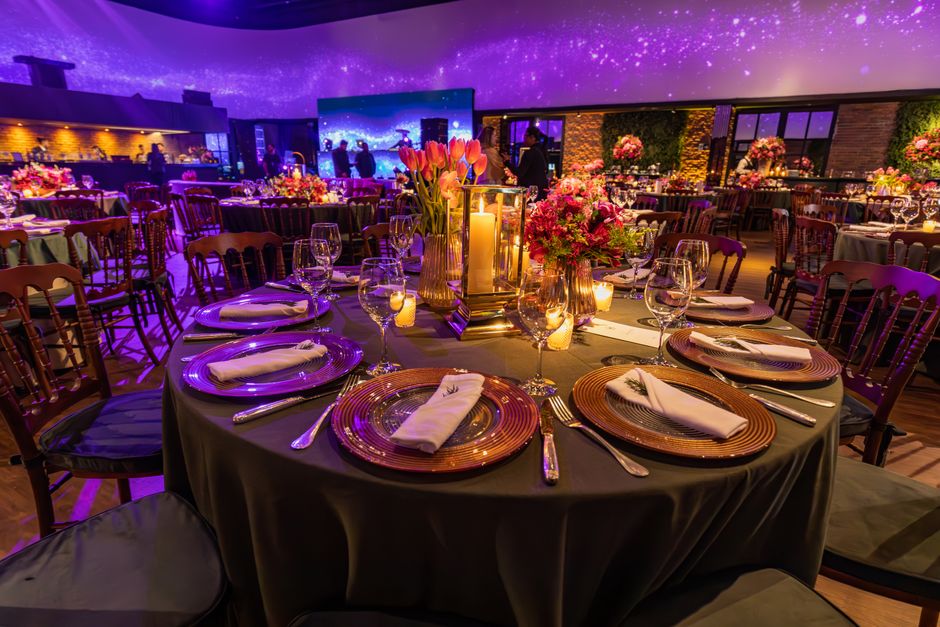
A 12,000 sq ft inner-city warehouse had pack presence for “event space [neighbourhood]” after a review burst. Enquiries stayed at 4-6 a month. The landing URL was the homepage: autoplay showreel, no capacity table, form below a 28-image carousel. Heat and session evidence (use HeyLead Insights or equivalent behaviour data, not guesses) showed mobile users never reached the form. The fix was a /private-hire/warehouse URL with standing vs seated numbers, a load-in photo, and the form in the first screen. Tour requests moved to 19 in the following 28 days. Same pack. Different page. Here is what the fix looked like in practice - they were in the pack for the neighbourhood query and still had 11 days with zero tour forms because the GBP website button pointed at the homepage. Once it pointed at /hire/gallery, weekday corporate tours actually showed up.
A regional arts centre ranked for the theatre name and almost nothing else. Corporate hire lived in a PDF. Search Console showed queries for “conference venue [town] 80 people” going to competitors with ugly but specific pages. They built one conference URL, added GBP services for “day delegate” and “theatre-style seating,” and asked post-show hirers for reviews that named the studio. Rankings for the town-plus-conference cluster showed up in about 11 weeks. Ticketed-show SEO did not move B2B hire. Separate intents, separate URLs. Here is what the fix looked like in practice - reviews said “great gig” and nothing about the 200-seat hall, so planners ignored them. They changed the ask after site visits. The next 14 reviews named capacity and AV. That is when the conference queries started converting.
Do not wait for a redesign committee. Swap the first viewport proof, unique titles, and GBP services before you touch the brand film. Message match between a “rooftop wedding” ad and a generic homepage is how you buy the same failure twice.
Measurement stays ugly if you only look at last click. A planner may hit Maps, an AI Overview citation, then a room page a week later. Count tour booked as the marketing conversion. Let sales own hold-to-contract. If dashboards disagree, trust the CRM timestamp on the tour, then work backwards to source. Cleaner first-party events beat arguing about platform ROAS (Google Ads still prints healthier average ROAS than social in many accounts; that does not mean you should pause local SEO).
FAQs
Do we need a separate Google Business Profile for every room?
Usually no. One primary listing for the public entrance, then strong room-level pages and GBP services/products. Extra listings only when Google’s rules fit (distinct departments or clearly separate storefronts with their own entrance and staff). Fake listings get suspended and take the whole entity down.
How long before local SEO moves tour volume?
Pack movement can start in weeks if NAP, categories, and photos were the blocker. New room URLs typically need 8-16 weeks of consistent signals. Anyone promising a specific enquiry number before seeing your listings and pages is guessing. Three to six months is a honest programme window, not a stall tactic.
Should we still run Google Ads for venue hire?
Yes for peak months, competitor names, and net-new cities, with dedicated landers. Do not use ads as a substitute for missing room pages. Rising CPCs make that expensive. Align query, ad, and URL, then let organic hold the always-on clusters.
What should we track besides rankings?
GBP calls, direction requests, website clicks with UTMs, tour form submits, and qualified tours in the CRM. Rankings without those actions are a reporting hobby. If privacy tools drop 20%+ of conversion hits, use server-side or enhanced conversions so you are not flying blind.
Is AI content enough for venue pages?
No. Generic AI copy is already everywhere. Pages that rank and convert still need ops-accurate capacities, constraints, and photos. Use AI to draft structure. A human who has walked the loading dock should own the facts.
Next steps
Execution sprint
This week
- Pull 30-90 days of performance for venues and events (Search Console, ads, CRM, or call logs - whatever you have).
- Flag the top leak: wrong intent, weak page, slow response, or dirty conversion tracking.
- Ship one fix on the highest-traffic money path (page, campaign split, or response rule).
- Run the free tools below on that same URL or account and log the findings.
Free tools for this sprint
Next 30 days
- Expand the fix to the next one or two money paths only after the first one shows cleaner bookings.
- Align creative, keywords, or content with the same offer the page now states.
- Review booked outcomes weekly; cut anything that still only produces unqualified volume.
This week
-
Screenshot the local pack for your three highest-value hire queries and note whether the GBP website button hits a room URL or the homepage.
-
Rewrite one room page so capacity, neighbourhood, and the tour form sit in the first viewport.
-
Upload a per-room photo set and at least one Product/Service on GBP.
-
Run the local SEO checklist plus Core Web Vitals on that same URL.
-
Ask five recent tour guests for a review that names the space and event type.
Next 30 days
-
Finish unique URLs for every hireable room and unique title tags across them.
-
Map Search Console clusters to owners and close citation gaps on wedding and conference directories.
-
Separate tour-booked events from generic form fills in analytics.
-
Only then add neighbourhood or use-case articles on a sustainable cadence.
Pull your last 90 days of GBP actions next to Search Console queries that include hire, wedding, conference, or your neighbourhood names, and you will see exactly where the pack and the pages disagree. HeyLead can own that loop for venues and events companies: listings, room-level pages, review prompts, and the tracking that ties Maps clicks to actual site tours. Chat with us on WhatsApp
Free marketing audit, or reach Martin directly:
Get a free audit Connect on WhatsApp · [email protected]