
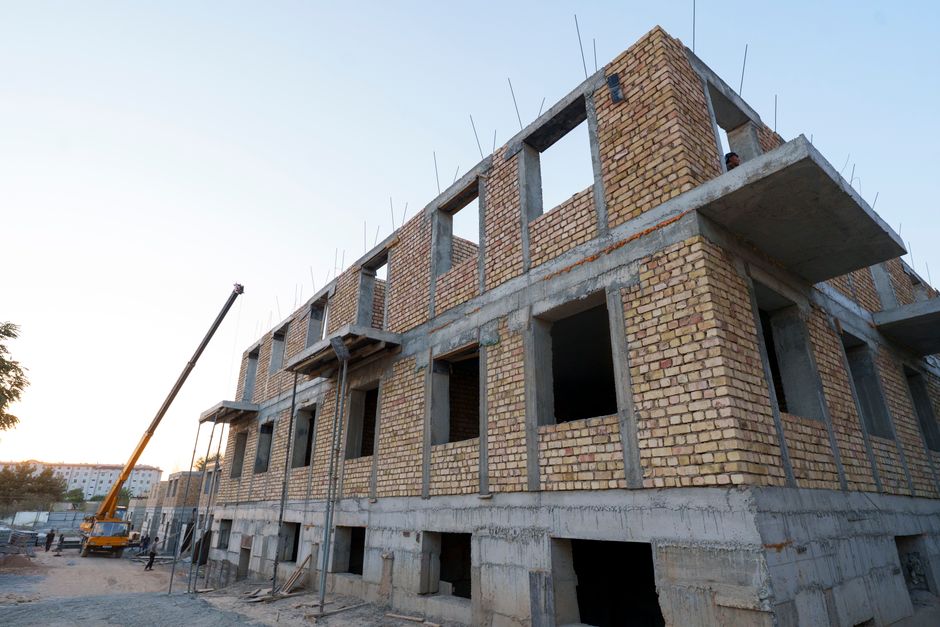
The most expensive line in a new-community marketing budget isn’t the sales center lease or the leasing agent’s commission. It’s the stretch between groundbreaking and the day “new homes in [submarket]” actually points a buyer to your community page instead of the builder two exits down the highway. That gap can run eight, ten, twelve weeks. During it, your sales office sits on Google with no reviews, no verified address half the time, and a page that technically exists but has zero authority to rank for anything.
Here’s what that costs in real terms: absorption pace. Construction loans and investor pro formas are often tied to pre-sale thresholds, meaning the first ninety days of a phase matter more than any quarter that follows. If your community page can’t surface for local search while the model home is new and the incentives are strongest, you don’t just lose a few leads. You lose the reservation velocity that justifies the next phase’s pricing, and you end up discounting units later to make up for momentum you never built. More ad spend doesn’t fix this. You can pay for clicks to a page that has no local trust signals, but you’re paying retail for traffic that organic search would have sent for a fraction of the cost, if the groundwork existed.
Here’s the real insight most builders miss: in Google’s eyes, every new community is a brand-new local business, not a new page on an established site. Your corporate domain’s age and authority don’t transfer. A buyer searching “homes for sale near Lincoln Elementary” isn’t finding your brand, they’re finding whichever sales office has a verified Google Business Profile, matching citations, and a page built around that specific submarket. If you treat each launch like a fresh business you have to build from zero, instead of a brochure page under your main site, you stop losing those first ninety days every single time.
What has to be true before you touch a keyword
Local SEO for a working business is mostly maintenance: you’re polishing signals that already exist. Off-plan is different. Nothing exists yet. Before you can rank for anything, a few pieces have to be in place, and skipping any one of them is the reason most community launches stall out in search for months.
You need a real, usable address, even if it’s a temporary sales trailer rather than the finished clubhouse. Google will not reliably verify a profile tied to a site plan. You need your state’s contractor or real estate broker license number on hand, since several directories and your own site’s disclosures will ask for it, and buyers increasingly check it before they’ll trust a pre-sale deposit. You need a phone number assigned specifically to that community, not the corporate switchboard, so you can later see which channel actually drove the call. You need Search Console and GA4 access set up before the page goes live, not bolted on after launch when you’ve already lost the baseline data. And you need at least one legitimate signed reservation or closing before you ask anyone for a review, because asking before that point usually ends in either silence or a review that creates more problems than it solves.
-
A usable street address (sales trailer or model home counts)
-
Your state broker or builder license number, ready to display
-
A community-specific tracked phone number
-
Search Console and GA4 access configured before launch
-
A dedicated URL, not a PDF or a tab on the corporate site
If you’re working with an agency or an in-house marketer who wants to start with keyword research before any of this is confirmed, push back. Keyword research on a page that can’t be verified locally is wasted effort, and it’s the single most common reason a community’s first quarter underperforms its second.
Once these are locked, a local SEO program built around the launch sequence below can start doing real work instead of guessing.
The ten-step local SEO launch sequence for a new sales office
How-to
- 1Build a dedicated URL for the community, not a brochure page buried three clicks deep. Something like yourbuilder.com/[community-name] or a clean subfolder. A PDF floor plan sheet and a slide carousel will not rank, no matter how good the renderings are.
- 2Claim and verify the Google Business Profile the day the sales office or model home opens, not after the first closing. Choose the right primary category (Real Estate Developer or New Home Builder, depending on your structure) and add secondary categories for condo association or home builder as applicable.
- 3Match your name, address, and phone number exactly across every directory that will reference this community: your state's home builders association, MLS/IDX feeds if you co-market with agents, lender co-branding pages, and your local Chamber of Commerce listing. One mismatched suite number will quietly cap how much Google trusts the profile.
- 4Map search intent by phase and buyer type instead of guessing one keyword per page. "New construction homes in [submarket]" pulls a different buyer than "homes for sale near [school district]" or "[community name] floor plans." Build content for all three, not just the branded term.
- 5Publish on a construction-milestone cadence: groundbreaking, framing, model home opening, first closing. Each post is a fresh, crawlable page and a natural reason for the local paper or a real estate blog to link back to you, which is worth more than most paid placements this early.
- 6Add structured data to the community page: RealEstateListing or LocalBusiness schema for the sales office, plus FAQ schema answering the questions buyers actually ask about financing, HOA dues, and estimated completion dates.
- 7Fix page speed on the microsite specifically. Renderings, drone flyover video, and a 360 model home tour are the usual culprits that tank load time on mobile, right when a buyer is standing in a parking lot deciding whether to walk in.
- 8Put a tracked phone number and a short reservation form, not a ten-field mortgage pre-qualification form, on every community page. Watch where people abandon it. Long forms built for the CRM's convenience, not the buyer's, quietly kill more leads than a slow page does.
- 9Build the reservation-to-closing funnel in GA4 so you can show which channel produced an actual signed contract, not just a form fill. This is the step that lets you defend the SEO budget line to a skeptical investor or capital partner.
- 10Plan the sunset before you need it. When a phase sells out, 301-redirect the page into the next phase or the builder's domain instead of deleting it. That inherited authority is the single biggest shortcut for your next launch.
Free tools to run this yourself
Run the reservation form through the checker before you touch keywords. If buyers are dropping off at field six of a deposit form, no amount of ranking improvement upstream will fix the real leak. HeyLead Insights shows exactly where on the page people stall, whether it’s the mortgage pre-qual field or the “estimated completion date” question nobody can answer confidently, so you fix the page instead of just sending it more traffic.
Get a free marketing audit. We review your search, ads, and landing pages and send back what to fix first.
Get a free audit
Where these launches break: duplicate listings, dead phases, and reviews that trip the FTC
The most common failure is simple: the sales office moves from a trailer to the finished clubhouse, and nobody updates the Google Business Profile. Google now shows two listings, split reviews across both, and sends half your buyers to a parking lot where a construction fence used to be. Set a calendar reminder for every address change tied to a phase, because this happens on almost every multi-phase project and it’s invisible until a buyer complains.
The second failure is reviews, and this is where the regulatory picture actually matters for how you operate. The FTC’s 2024 rule on fake and deceptive reviews makes it illegal to pay for, incentivize without disclosure, or write testimonials that misrepresent a real buyer’s experience. For a builder, that means you can’t pre-write a glowing review for a reservation holder to “approve,” you can’t offer a closing credit in exchange for a five-star review without disclosing the incentive, and you can’t post a testimonial from someone who hasn’t actually closed or toured. The temptation is real: a brand-new community has zero reviews and that blank slate looks like it’s costing you buyers. The fix is patience plus process, not shortcuts. Ask for a review within a week of closing, every time, with no incentive attached, and you’ll have a defensible base of ten to fifteen genuine reviews well before the next phase launches.
The third failure is keyword bleed. “New homes [city]” and “homes for sale [city]” look similar, but the second one pulls resale listings, agents reselling existing inventory, and Zillow-style aggregator traffic that has no interest in a pre-construction deposit. If you’re running paid search alongside the SEO work, build a negative keyword list around resale terms (resale, MLS number, previously owned, fixer) early, or you’ll burn budget on clicks that were never going to reserve a unit. The same logic applies organically: a blog post targeting “best school districts for new homes near [city]” will outperform a generic “homes for sale [city]” page because it filters for the buyer who’s actually choosing between new construction and resale, which is the decision you’re trying to win.
What sales center managers say about the first ninety days
“Our model home phone number was wrong in Google for six weeks after we moved from the trailer. We only found out because a buyer mentioned it in passing at the closing table. I think about how many people called that number and just hung up.” — Sales center manager, 400-home master-planned community
“Every new phase feels like starting the business over. Zero reviews, zero rankings, and the sales team wants leads by week two. The only thing that’s changed is we stopped treating each launch like a surprise.” — VP of Marketing, regional condo developer
FAQ
Should each phase of a community get its own URL, or should we keep one page for the whole project? One page per active phase, nested under the community’s main URL, works best. A single page trying to represent phase one pricing, phase two pricing, and a sold-out phase one confuses both buyers and Google. Redirect each phase’s page once it sells out rather than editing it in place.
Can we use a buyer’s testimonial before their home closes? Be careful here. The FTC’s rules require that a testimonial reflect the genuine, current experience of the person giving it. A reservation holder who hasn’t toured the finished home or closed can speak to the sales process, the deposit experience, or the design studio, but shouldn’t be quoted describing a home they haven’t lived in. Label the quote accurately and you’re fine.
What happens to our local SEO once a community sells out? Don’t delete the page. Redirect it to your builder’s main domain or into the next phase’s page, and keep the content live in an archive if you can. That page’s backlinks and age are an asset for your next launch in the same market, and deleting it throws that away.
Do we need to repeat this whole process for every state we build in? Largely yes, because licensing, disclosure requirements, and your Google Business Profile all operate at the state and sometimes county level. The content strategy and page structure can be templated once you’ve run it a few times, but the citations, license numbers, and local directory listings have to be built fresh for each state.
How long before a new community page actually ranks for local searches? Expect a meaningful difference by week six to eight if the prerequisites were in place at launch, with steadier gains through the first two phases as reviews and citations accumulate. Communities that skip the groundwork at launch often take two to three times longer to catch up.
Putting it to work
Start this week by pulling up Google Business Profile for every active community you’re marketing right now. Check each one for a duplicate or unclaimed listing, confirm the category is right, and confirm the address matches the sales office buyers actually walk into today, not the one from six months ago. It takes about thirty minutes per community and it’s the single fastest way to find money you’re currently leaving on the table.
The gap between breaking ground and ranking for local search is exactly the problem HeyLead builds for: setting up the citations, the schema, the reservation tracking, and the review process correctly before a new community opens, so you’re not starting from zero every single launch. Chat with us on WhatsApp.
Free marketing audit, or reach Martin directly:
Get a free audit Connect on WhatsApp · [email protected]