
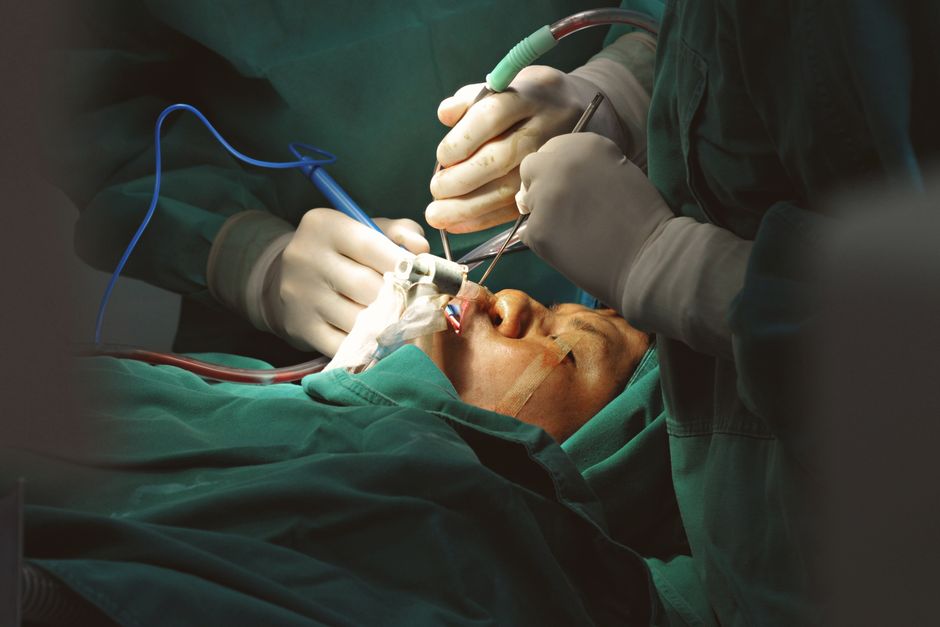
A Harley Street coordinator logs a “rhinoplasty enquiry” at 09.14. Google Ads already counted a conversion at 09.11. By Friday the diary shows a no-show, the CRM still says New Lead, and Meta is training on the same phone click as if a procedure had been booked. That gap, not the CPC, is what most UK plastic and cosmetic surgery companies are actually paying for.
Consults are expensive, regulated, and slow. A breast augmentation or blepharoplasty journey can stretch across finance quotes, photos, cooling-off, and a second opinion. If you only fire “form submit” and “call,” smart bidding treats tyre-kickers the same as patients who put a deposit down. You cannot bid your way out of a dishonest event stream.
This piece is about the plumbing: which events deserve to train Google and Meta, how UK clinics keep first-party data usable under GDPR, and how marketing leaders stop last-click from counting the same consult three times. We stay on the marketing number: cost per qualified consult, show rate, and pipeline that becomes a procedure, not a CRM lecture.
When Ads reports a consult the theatre list never sees
UK clinics mix three intake paths that almost never share an ID: paid search landing forms, Instagram DMs and Instant Forms, and the front-desk phone. Coordinators still type “Instagram?” into notes. Google sees a conversion. The surgeon sees an empty slot. Last-click models then count that same person again when they return from a remarketing ad. Buyers already say it out loud: mismatched attribution across tools, missing tracking, “attribution is basically dead” if you mean last-click.
Privacy makes it worse. Clinics lose 20%+ of conversion data to ad blockers and consent banners. Enhanced Conversions and the Conversions API exist because cookies will not carry a rhinoplasty enquiry from a mobile Instagram session into your patient system. If your thank-you page is slow or the consent mode is set to deny-by-default without a modelled recovery path, you starve bidding of the very patients who were ready to book.
A London group running Performance Max on “mummy makeover” plus branded terms watched in-platform CPA look healthy while the patient coordinator complained that half the “leads” were finance browsers who never uploaded photos. The mechanism was simple: every Instant Form and every 15-second call counted as the same conversion action. Automated bidding did what it was asked: it bought cheaper enquiries, not theatre time. Platform-reported ROAS looks healthy until you cross-reference the theatre list - the gap is where the real cost sits. Those averages assume the conversion you optimise toward is the one the business keeps.
If traffic is landing on a homepage that does not match the ad, you already know the next failure. Dedicated procedure pages, proof (CQC language, surgeon GMC, before-and-after policy that advertising rules allow), and a short form beat a generic contact block. When post-click behaviour is the mystery, session replay on the consult form tells you whether people stall on finance, photos, or the phone number. HeyLead Insights is built for that: scroll depth, rage clicks on the gallery, and abandon on the NHS-vs-private FAQ, without guessing from Ads alone.
If the account is still sending every keyword to the homepage, pause that habit before you raise budget. A tighter Google Ads and Bing setup only pays when the conversion action matches a diary event your coordinators would defend in a Monday huddle.
The event ladder from click to deposit for UK clinics
Treat tracking as a ladder, not a single pixel. The bottom rungs are noisy. The top rungs should be scarce and expensive to fake. Marketing still owns which rungs get exported to Google Ads and Meta, because those rungs become the bidding brain.
Audit scorecard
-
Click and landing identity
Stamp every paid click with a unique GCLID or Meta click ID via a UTM discipline coordinators cannot overwrite. Procedure, location (Harley Street vs Manchester vs Edinburgh), and channel live in the URL, not in a note field. If two ads for “rhinoplasty finance” and “revision rhinoplasty” share one landing URL, you will never split quality.
-
Qualified enquiry, not raw form
Fire a marketing event only when the form includes procedure interest, postcode, and a reachable UK mobile. Drop “newsletter” and “careers” from conversion actions. Instant Forms need the same fields or they train Meta on incomplete DMs.
-
Booked consult with a calendar ID
The conversion that should usually train bidding is a consult that exists in the diary with a clinician assigned, not a thank-you page. Import that status offline within 24-48 hours. Calls under 90 seconds stay in analytics; they do not sit in the primary conversion used for Smart Bidding.
-
Showed and surgical plan
No-shows are the silent tax. Pass a “consult attended” event. If your clinic takes deposits or issues a surgical plan, that is the value event. Use GBP values that match typical deposits in your book, not a fake £1 conversion that makes ROAS look like a video game.
-
Consent and hashed first-party data
UK GDPR means you hash email and phone only after a lawful basis you can explain. Enhanced Conversions (unified toggle) plus Conversions API recover a slice of the 20%+ you lose to blockers. Do not dump raw patient notes into ad platforms. Procedure category is enough signal; medical history is not a bidding feature.
-
Deduped, not triple-counted
One person who clicked Search, messaged Instagram, then phoned must collapse to one patient ID before you import. Last-click across tools will otherwise inflate consult volume and hide the channel that actually started the journey. CM360-style last-click already drifted for many advertisers from late 2025; do not rebuild that habit in a clinic CRM.
Performance Max often “drives the bulk now,” which is fine if the conversion it maximises is attended consults. If PMax only sees form fills, it will harvest cheap enquiries from “cosmetic surgery prices” and ignore “consultant plastic surgeon [city]” intent. Signals over keywords only work when the signal is a patient the coordinator would call back first.
Get a free marketing audit - we review your search, ads, and landing pages and send back what to fix first.
Get a free audit
A one-sprint build: GTM, diary, and bidding on the same patient
You do not need a new vendor to get an honest week of data. You need one owner, a freeze on extra conversion actions, and a mapping from the patient system to Google Ads offline imports and Meta’s CAPI. Clinics that skip the mapping keep “optimising” a 2024 playbook: tight audiences, lookalikes, and a pixel that fires on every button.
Action checklist
- Export 90 days of enquiries by source. Tag each row: showed, no-show, quoted, deposited, operated, junk (spam, job seeker, non-UK). You want the junk rate by campaign, not a blended CPL.
- List every conversion action in Google Ads and every Meta event. Kill duplicates. Primary action for bidding: booked consult with calendar ID. Secondary: deposit. Observational only: page view, click-to-call under 90 seconds, Instant Form start.
- Rebuild UTMs so procedure and clinic location cannot be deleted in the CRM. Use a consistent builder so Instagram, Search, and Bing do not invent their own source names.
- In GTM, fire the enquiry event only after successful submit and consent granted. Pass procedure, clinic, and hashed contact where lawful. Confirm the thank-you URL is unique per procedure page.
- Turn on Enhanced Conversions and upload offline conversions daily or twice weekly. Match on click ID first, email/phone second. Reject rows without a diary ID.
- Wire Meta CAPI to the same booked-consult object. Do not let Instant Forms remain the only optimisation event if 40% never reach the phone.
- Check landing speed. The majority of sites still fail at least one Core Web Vitals threshold - check yours before raising budget. A heavy before-and-after gallery that blows INP on mobile will silently tank consult rate while Ads still looks “in learning.”
- Add negatives and query themes that never become patients: “NHS waiting list,” “DIY filler,” training courses, jobs. That is how you claw back part of the 20-30% wasted SEM slice without touching bids every hour.
- Give coordinators a two-field source they cannot skip: channel plus campaign. If they keep typing free text, your import will rot in a fortnight.
- Freeze campaign structure for the learning window. Constant splits reset Google’s models. Broad structures with clean conversion setup beat daily tinkering, especially when PMax already takes most of the spend.
Free tools - try these yourself
A Midlands clinic running Meta for “tummy tuck consult” had Event Match Quality that looked fine and still bought the wrong postcodes. The fix was not another audience stack. They stopped optimising for Instant Form and imported only consults that lasted 20 minutes with photos on file. CPL rose. Deposit rate rose more. Creative still matters on Meta (“creative is your targeting”), but creative cannot rescue a conversion that is a tap, not a patient.
When the form itself is the leak, watch it. Heatmaps on the finance-options accordion, abandon after the photo-upload request, and dead clicks on a buried “book Harley Street” CTA are marketing problems. Fix copy and field order before you blame the auction.

Bidding, value, and the reports a CMO can defend
Automated bidding inflates spend when the conversion is junk. That objection is fair. The answer is not to live in manual CPC forever. It is to feed value. If a deposited rhinoplasty consult is worth more than a mole-check enquiry, say so in the conversion value. Otherwise Target CPA will hunt volume on the cheapest procedure names in the UK auction.
Keep keywords where intent is medical and local (“consultant plastic surgeon Leeds,” “blepharoplasty clinic Edinburgh”). Use broad plus strong creatives and negatives where Google already has query coverage. Broad match with Smart Bidding and strong negative lists can cut effective CPC 12-18% versus phrase-match-heavy structures in some accounts, which is useless if the cheaper clicks never sit in theatre. Do not promise a ROAS or CPL before you have seen the diary. Realistic quality shifts take months, not a week of PMax.
Reporting should answer: cost per attended consult, show rate by campaign, deposit rate, and which ads created patients who still ghosted after finance. Weekly, not a 40-page monthly PDF. If in-platform Meta CPA diverges from the CRM, believe the CRM and fix CAPI, do not “scale 3x” because the ads manager is green. Unified measurement will never be perfect under consent mode. Incrementality tests on brand search and a geo holdout beat arguing about last-click forever.
Organic still matters for trust. AI Overviews now sit on a large share of searches and can cut CTR hard even when you rank. Pages stuffed with generic AI copy will not replace surgeon-led FAQs, complications copy your medical director will sign, and local proof. Tracking will not save a thin page. It will tell you the thin page is burning paid clicks.
FAQs
Should we optimise Google Ads to form fills or to booked consults?
Booked consults with a calendar ID, once you have enough volume. Form fills are a diagnostic event. If you only have a handful of consults a week, keep form fills as a temporary primary and import shows as soon as the sample is stable. Never train on 8-second calls.
How do we stay on the right side of UK GDPR while using Enhanced Conversions?
Collect consent before tags fire, hash what you send, limit payloads to contact plus procedure category, and document the lawful basis with your DPO. Do not upload clinical notes, photos, or NHS numbers to ad platforms.
Instant Forms convert cheaply. Why change them?
They convert cheaply because they skip friction your coordinators still have to do: photos, medical history, finance. Use them as a top-of-funnel capture, then optimise spend to the subset that books and attends. Otherwise Meta will keep finding people who like tapping, not people who like surgery consults.
We use Performance Max. Can we still see which procedures waste budget?
Yes if asset groups, landing URLs, and offline conversions are split by procedure family (face, breast, body, non-surgical). If everything sits in one asset group pointing at the homepage, you will only see blended vanity ROAS.
What if sales say every lead is bad?
Pull 50 recent enquiries, listen to calls, and score junk vs no-show vs genuine. Marketing owns source quality and landing friction. Coordinators own speed-to-lead. Both show up in the same ladder. Fix the broken rung instead of raising budget.
Patterns we see in audits
The short quotes below are illustrative composites drawn from patterns in account reviews. They are not quotes from named clients.
Composite of client feedback, Q1 2025
“We had Google celebrating form fills while the diary was 40% no-shows. The week we imported only attended consults, CPA looked worse for 11 days and then the theatre list finally matched the spend.” - Head of Marketing, UK cosmetic surgery group
“Meta’s CPA and the CRM never agreed until we killed Instant Form as the optimisation event. Creative still died in five or six days, but at least the leads that survived were people who had already sent photos.” - Growth lead, private clinic network
Putting it to work
Execution sprint
This week
- Pull 30-90 days of performance for UK plastic (Search Console, ads, CRM, or call logs - whatever you have).
- Flag the top leak: wrong intent, weak page, slow response, or dirty conversion tracking.
- Ship one fix on the highest-traffic money path (page, campaign split, or response rule).
- Run the free tools below on that same URL or account and log the findings.
Free tools for this sprint
Next 30 days
- Expand the fix to the next one or two money paths only after the first one shows cleaner bookings.
- Align creative, keywords, or content with the same offer the page now states.
- Review booked outcomes weekly; cut anything that still only produces unqualified volume.
This week
-
Dump 90 days of enquiries and mark showed vs junk by campaign.
-
Reduce Google and Meta to one primary conversion: booked consult with a diary ID.
-
Rebuild UTMs for procedure and clinic location; stop free-text source fields.
-
Run the Core Web Vitals check on your top three procedure landing pages.
-
Turn off conversion actions for sub-90-second calls and newsletter signups.
Next 30 days
-
Ship daily or twice-weekly offline conversion import plus Meta CAPI on the same object.
-
Split PMax or Search by procedure family with matching landers, not one homepage.
-
Add deposit as a value event in GBP so bidding stops treating mole checks like mummy makeovers.
-
Review show rate and deposit rate weekly with the patient coordinator, not just in Ads.
Start by lining last month’s Google Ads conversions next to the diary and circling every row that never became an attended consult. That list is your real media waste. HeyLead can own the messy join between ad click IDs, consent, GTM, and the consult statuses that should actually train bidding for UK plastic and cosmetic surgery companies, so you are not arguing with three dashboards every Monday. Chat with us on WhatsApp
Free marketing audit, or reach Martin directly:
Get a free audit Connect on WhatsApp · [email protected]