

The practice manager in South Yarra is not arguing about ROAS. She is staring at a spreadsheet where Google Ads claims 41 “consults” last month, the diary shows 19 first appointments that actually sat down, and finance has 6 deposits that cleared in AUD. Three of those deposits came from patients who first enquired on Instagram, then Googled the surgeon’s name, then called the front desk on a Saturday. Last-click still gives the branded Search campaign the win. Smart bidding still thinks a 22-year-old asking “how much is a boob job on Afterpay” is the same conversion as a 41-year-old who booked a breast augmentation consult and paid a $1,500 holding fee.
That gap is the whole job of lead tracking for plastic and cosmetic surgery clinics in Australia. You are not selling a $79 product. You are paying for high-intent traffic in a category where CPCs in the healthcare and medical category have climbed steadily-industry benchmarks regularly put them above $3 in competitive markets-and a single qualified consult can be worth thousands if it reaches theatre. Clinics that treat every form fill as equal train Google and Meta to buy more of the cheap, unusable stuff. Clinics that wire consult booked, consult attended, and deposit paid as separate events, then import the last two offline, get a media plan a CMO can defend.
This piece is the operational version of that wiring: the enquiry paths Australian practices actually run, the events that should (and should not) train bidding, a scorecard you can finish in-house, and the measurement habits that stop Ads from lying to the theatre list.
Where Australian cosmetic enquiries leak before anyone opens the CRM
A typical Sydney or Melbourne clinic does not have one lead path. Patients mix Google Search, Performance Max, Instagram, a referral from a GP, and a late-night call to the rooms. Mobile still accounts for more than 63% of paid search clicks globally, and conversion on those phones lags desktop by 30-40%. If your “book a consult” form is a 14-field medical history on a slow page, you will under-count real intent and over-count tyre-kickers who bounce after the first field. As of recent Chrome UX Report releases, fewer than 60% of origins pass all three Core Web Vitals according to the Chrome UX Report. Cosmetic landing pages that fail INP on mobile quietly discard the patients who were ready to talk dates.
Privacy and blockers make it worse. Marketing teams already lose 20%+ of conversion data to ad-blockers and consent gaps. In this category that is fatal, because Smart Bidding and Performance Max (“Performance Max drives the bulk now” is what every media lead says in 2026) only learn from the events you fire. If 1 in 5 completed consults never reaches Google, the algorithm doubles down on the noisy Instant Form and the cheap “price list PDF” click. Meta’s in-platform CPA then diverges from the diary, and someone in the rooms concludes “attribution is basically dead.” Last-click is dead as a board metric. Tactical event quality is not. You still need clean first-party signals, Enhanced Conversions, and offline import of attended consults and deposits, or you are bidding on junk.
AHPRA advertising rules add a second leak. You cannot promise outcomes, and you should not send rhinoplasty traffic to a homepage that also sells injectables, skin, and “cosmetic packages.” Dedicated procedure pages (rhinoplasty consult, tummy tuck consult, breast implant revision) with a single CTA and a coordinator phone number convert because the offer matches the query. Send that same traffic to the homepage and you will log “leads” that never intended to book surgery. Agencies that say they just send traffic to the homepage are the ones you walk away from. Align the ad, the page, and the event, or the tracking will always look busy and the theatre list will stay thin.
If paid consult volume is rising while deposits are flat, the leak is almost always post-click: form friction, a 48-hour callback, or a conversion tag that fires on “thank you” for a brochure download. Session recordings and form-abandon maps (we use HeyLead Insights on clinic landing pages for this) show the exact field where high-intent patients drop, which is more useful than another dashboard arguing about last-click.
The enquiry map clinics should instrument before they scale spend
Start with the jobs, not the channels. For an Australian plastic and cosmetic surgery practice the commercial events are: enquiry submitted, consult booked (calendar confirmed), consult attended, quote issued, deposit paid, surgery scheduled. Everything else is a diagnostic. A “chat started” or “video 50%” event can sit in analytics. It should never be the primary conversion that trains bidding. Automated bidding does inflate budgets when the conversion you optimise is a brochure or a 30-second call. That objection is fair, and the fix is the event ladder, not a retreat to 2020 manual CPC on every campaign.
Walk the real paths. Search ads for “breast augmentation consult Melbourne” should land on a Melbourne-specific consult page, fire a Google tag on form submit, pass a unique enquiry ID into the CRM, and only mark a Google conversion when the coordinator confirms a diary slot. Instagram traffic for “non-surgical rhino” should never share that conversion action with surgical rhinoplasty Search. Mixed procedures in one conversion action is how you get $180 CPCs on junk queries while the revision surgeon sits underbooked. Call tracking belongs on the click-to-call button and the GBP number, with a 60-second (or longer) threshold so a 12-second “how much is Botox” call does not look like a consult. After hours, route to a recorded line that still captures source UTMs. Saturday enquiries are often the highest intent you will get all week.
First-party data is the only stable layer left. Enhanced Conversions (the unified toggle) plus a server-side or CAPI-style feed of hashed emails and phones protect against the 20%+ browser loss. Match quality matters more than stuffing extra pixels. You do not need a new vendor to start: GTM, a CRM that can export attended consults nightly, and a spreadsheet of enquiry IDs is enough to prove whether Ads “consults” ever sit in the chair. When that export is honest, you can bid to deposit value in AUD instead of to form volume. Cross-industry ROAS benchmarks are irrelevant here; a single cancelled theatre slot wipes a month of cheap leads. Cosmetic surgery unit economics are lumpy. A CMO should report cost per attended consult and cost per deposit, then let last-click stay in the weekly media view only.
If you need a second pair of eyes on the landing handoff while you rebuild events, HeyLead’s SEM programs are built around that consult-to-deposit ladder rather than raw lead count.
Audit scorecard
-
Separate enquiry from booked consult
Keep a form-submit event for diagnostics. The conversion you share with Google Ads and Meta should fire only when the practice management system writes a confirmed first appointment. If coordinators still type “Instagram?” into a notes field, you do not have source data yet.
-
Import attended consults offline
Nightly or weekly, upload GCLID / GBRAID / WBRAID plus hashed email for patients who actually arrived. No-shows should not train bidding. This is the single change that usually stops Performance Max from flooding the diary with price shoppers.
-
Value deposits in AUD, not dummy 1s
Pass the holding-fee amount when it clears. A $500 skin consult deposit and a $2,000 surgical deposit are not equal. Value-based bidding only works if the number is real.
-
Kill brochure and quiz conversions as primary
PDF downloads, “am I a candidate” quizzes, and 15-second calls can be secondary actions. If they remain primary, Smart Bidding will buy them because they are cheap and frequent.
-
One procedure, one landing URL, one event
Rhinoplasty Search should not share a thank-you event with injectables. Split conversion actions by surgical vs non-surgical at minimum. Match ad copy, H1, and schema to the procedure the patient typed.
-
Call length and source on every number
Dynamic numbers on ads, GBP, and the site. Discard sub-threshold calls. Tag after-hours voicemail with UTM so Saturday intent is not labelled “direct.”
-
Consent, Enhanced Conversions, CAPI
Fire tags only after consent. Turn on Enhanced Conversions. Send Meta CAPI for booked consults if you spend on Instagram. Missing this is how Event Match Quality looks fine while the diary disagrees.
-
Speed the consult page, not the blog
Check the procedure landing URL in a Core Web Vitals tool. INP failures on mobile hide inside blended conversion rates. Fix the page patients hit from ads before you raise budget.
Action checklist
- Export 90 days of “leads” from Ads and Meta. Join to the diary on phone or email. Count how many sat for a first consult and how many paid a deposit in AUD.
- List every current conversion action. Mark primary vs diagnostic. Demote quizzes, chats, and PDF clicks in Google Ads so they stop training bidding.
- Add a unique enquiry ID from form to CRM. Require coordinators to log source only from that ID, not from memory (“I think Instagram”).
- Build UTM standards for Search, PMax, and paid social. Use a builder so coordinators are not inventing campaign names in the notes field.
- Stand up offline conversion import for attended consult and deposit paid. Wait through the learning window. Do not rebuild campaign structure every second day or you reset the very signals you just cleaned.
- Rebuild the top three procedure landers so the H1, proof, and form match the ad. Then re-check title tags, meta, and snippet preview before you scale.
Free tools - try these yourself
Get a free marketing audit - we review your search, ads, and landing pages and send back what to fix first.
Get a free audit
What happens when a Brisbane clinic stops bidding on form fills
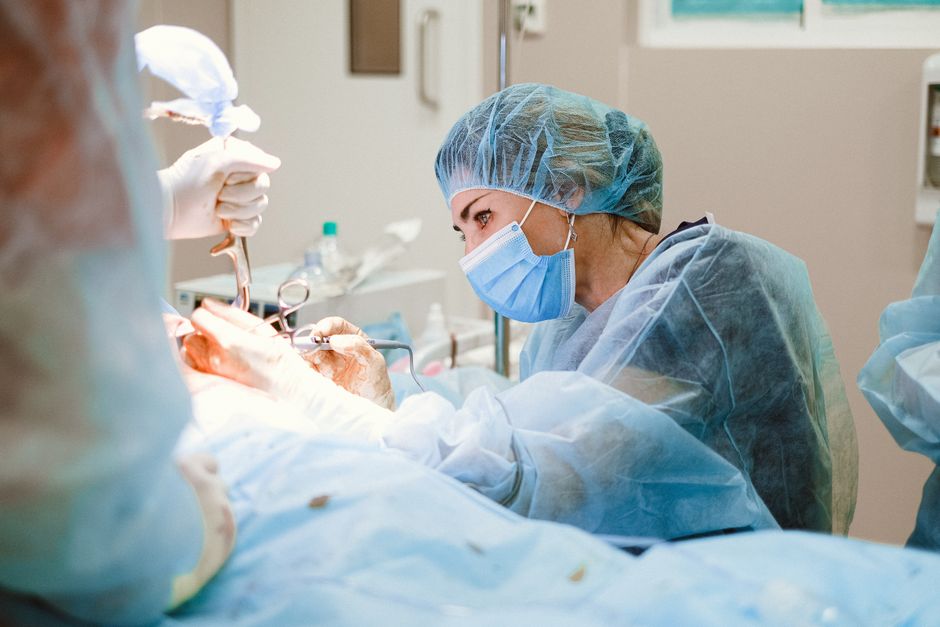
A Head of Marketing at a multi-surgeon Brisbane practice had Google reporting a $187 cost per consult on Search plus PMax. The rooms were exhausted. Coordinators were spending evenings on finance-plan questions from people who had never uploaded photos. The mechanism was simple: the primary conversion fired on the thank-you page of a “request a brochure” form that sat on every procedure URL. PMax loved it. Volume looked healthy. Theatre utilisation did not.
They kept the brochure event as an observation-only action, moved primary conversion to calendar-confirmed consult, and 11 days later started importing attended consults with GCLIDs. They did not slash budget. They did not rebuild ten campaigns. They stopped teaching the algorithm that a PDF was a patient. Attended-consult rate from paid went from a grim 4.2% of reported “leads” to 18% of the new, smaller lead pool. Cost per deposit was the number they took to the partners. That is the only metric that survived a sceptical finance review.
Creative and landing still matter around the tracking. Meta fatigue still shows in CPM before lead volume drops, and UGC that worked on Monday can be dead by Friday. “Creative is your targeting” is true on Instagram, but it will not save you if the conversion you optimise is the wrong one. Broad targeting plus a strong consult offer works only when the funnel and the event are honest. If they are not, broad simply buys more of the wrong Australians, faster.
Another failure we still see: last-click counting the same patient three times (Search, branded, then a remarketing click before deposit). Unified reporting at business level (cost per attended consult, cost per deposit, contribution by channel with a simple multi-touch or even a reasoned dual-credit rule) is what a CMO can put in a pack. Channel dashboards stay for the media team. They are not the board story.
Patterns we see in audits
The short quotes below are illustrative composites drawn from patterns in account reviews. They are not quotes from named clients.
What we hear from clients is consistent. When Google “consults” fire on a brochure thank-you, the diary fills with Afterpay tyre-kickers and deposits stay thin; once attended consults are imported, Performance Max stops treating a PDF as a patient. We also hear that Saturday voicemails convert to deposits at a higher rate than weekday Instant Forms-until the after-hours number is tagged with UTMs, those calls look like “direct” and never train bidding.
FAQs
Should Australian clinics still use last-click for Google Ads optimisation?
Use last-click only as a weekly media diagnostic. Optimise bidding to confirmed consults and imported deposits. Last-click will keep giving branded Search credit for patients who discovered you on Instagram three weeks earlier. That is fine for a channel meeting. It is not a theatre forecast.
Is Performance Max usable for surgical consults?
Yes, if the conversion action is a confirmed or attended consult, asset groups are split by procedure, and you feed audience signals from real patients (email lists of deposit-payers, not newsletter signups). If PMax’s only job is “lead volume,” it will hunt cheap forms. Many accounts now let PMax take the bulk of spend once that signal is clean.
How do we handle AHPRA constraints in tracking and ads?
Do not fire conversions on outcome claims or before-and-after galleries used as bait. Track the consult request and the deposit. Keep landing copy within advertising guidelines. AHPRA’s Guidelines for Advertising Regulated Health Services prohibit testimonials that refer to a regulated health service and before-and-after images that create unrealistic expectations. Practically: do not gate a conversion behind a before/after gallery, and do not use patient outcome language in ad copy that feeds a retargeting pixel. Tracking honesty and advertising compliance are the same operational discipline: you measure the appointment, not a promised result.
What if coordinators will not use the CRM fields?
Then offline import will be garbage. Make the enquiry ID automatic from the form. Reduce required fields to source (locked), procedure, and outcome. If the diary system cannot export attended status, you are not ready to scale spend, no matter how good the ads look.
How long until bidding learns the new events?
Plan on weeks, not a weekend. Constant structure changes reset learning. Realistic paid programs in this category take 3-6 months to show stable cost per deposit. Anyone guaranteeing a CPL before seeing your diary, pages, and unit economics is selling you a number they cannot defend.
Putting it to work
Execution sprint
This week
- Pull 30-90 days of performance for lead tracking for plastic and cosmetic surgery australia (Search Console, ads, CRM, or call logs - whatever you have).
- Flag the top leak: wrong intent, weak page, slow response, or dirty conversion tracking.
- Ship one fix on the highest-traffic money path (page, campaign split, or response rule).
- Run the free tools below on that same URL or account and log the findings.
Free tools for this sprint
Next 30 days
- Expand the fix to the next one or two money paths only after the first one shows cleaner bookings.
- Align creative, keywords, or content with the same offer the page now states.
- Review booked outcomes weekly; cut anything that still only produces unqualified volume.
This week
-
Pull 60-90 days of Ads and Meta leads and join them to attended consults and deposits in AUD.
-
Demote brochure, quiz, and short-call conversions from primary.
-
Standardise UTMs with the UTM builder and tag the after-hours number.
-
Run Core Web Vitals and H1 checks on the three highest-spend procedure URLs.
-
Turn on Enhanced Conversions and confirm consent mode is not blocking the consult event.
Next 30 days
-
Ship offline import for attended consult and deposit paid.
-
Split surgical vs non-surgical conversion actions.
-
Rebuild mismatched landers so ad, H1, and form ask for the same consult.
-
Report cost per attended consult and cost per deposit to partners, not blended CPL.
If joining Ads “consults” to the theatre list is the part that keeps slipping (tags, GCLID import, call source, procedure-level events), HeyLead can own that lead-tracking stack for plastic and cosmetic surgery clinics in Australia so bidding learns from patients who actually sit down and pay a deposit. Chat with us on WhatsApp
Free marketing audit, or reach Martin directly:
Get a free audit Connect on WhatsApp · [email protected]