
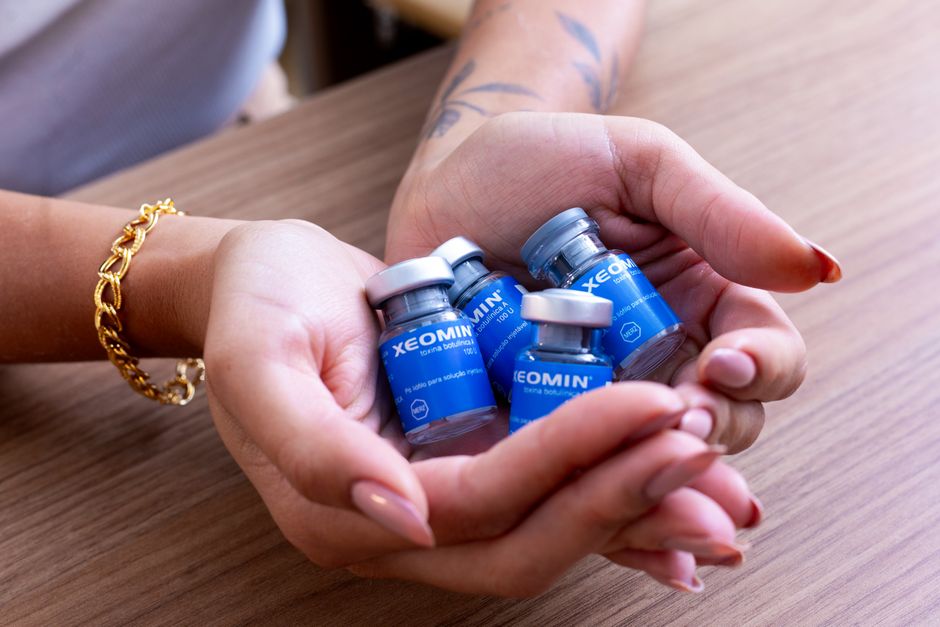
A HIFU enquiry from a Jurong East commute does not fail because the ad was “too cheap.” It fails because the tap opened a homepage carousel of 40 treatments, a 12-field form, and a 3.8-second wait on 4G while the clinic’s WhatsApp badge sat below the fold. In Singapore, that sequence is the whole marketing problem. You paid for a named procedure. The page asked the buyer to go shopping.
Medspa and aesthetic medicine companies here sell consults, not “wellness.” The buyer is often a working professional comparing Pico, Ultherapy, or a skin-boosting protocol between meetings, with HSA-adjacent claims in the back of their mind and GST sitting on the invoice. A good week is not more form dumps. It is booked assessments that show up, with a doctor or senior injector attached, at a cost per qualified consult you can defend to the owner.
This piece is about the page that sits between the click and that diary. Not a brand site rebuild. A procedure-specific landing system Singapore clinics can actually run against Google Ads, Meta, and organic procedure queries without sending every dollar to the same overloaded homepage.
When a S$4.80 click from Orchard still lands on a menu of 40 procedures
As of late 2024, aesthetic search CPCs in Singapore were tracking well above the global paid-search average of roughly US$2.96 (WordStream, 2024) - and climbing - once you add “Orchard,” “Novena,” and doctor-led language. Google Ads still prints a 4.2x average ROAS across industries; Meta sits nearer 2.8x. Those averages assume the click and the offer match. They do not assume a single URL trying to close HIFU, Pico, fillers, and a membership club at once.
You already know the complaint in buyer language: “If they say we just send traffic to your homepage, run.” Plenty of Singapore clinics still do exactly that, then blame automated bidding when CPA climbs. Automated bidding is not inflating spend for sport. It is optimizing to whatever event you fire. If that event is “any form submit” on a kitchen-sink page, you will get students asking about student prices, medical tourists who will never fly, and people who wanted a facial, not a consult.
Mobile is more than 63% of paid search clicks, and conversion still lags desktop by 30-40% when the page is heavy. Only 55.9% of origins pass all three Core Web Vitals in May 2026 CrUX data. Aesthetic galleries, before-and-after sliders, and third-party booking widgets are exactly the assets that wreck INP. The buyer who tapped “Pico laser pigmentation Orchard” on the MRT does not wait for your hero video. They bounce, and smart bidding learns that your consult event is rare.
Privacy makes it worse. Clinics lose 20% or more of conversion data to ad blockers and consent walls. If your only signal is a thank-you page pixel, Performance Max will still “drive the bulk,” but it will drive it toward cheap events. Clean conversion setup, first-party data, and a page that actually completes the story of the ad are not nice extras. They are how you stop 20-30% of SEM budget leaking into irrelevant queries and mismatched landings.
If paid traffic is already hitting a homepage that cannot close a named procedure, a short look at HeyLead web design is often enough to see whether the leak is creative or the page itself.
What a Singapore HIFU or Pico page has to prove before the first consult CTA
Singapore aesthetic buyers do not need a manifesto. They need five proofs in the first scroll: this is the procedure they searched, a doctor or medical director is named, pricing logic is honest even if the number is “from S$X after GST,” real clinic photos not stock, and a next step that does not feel like a trap. WhatsApp is the local closer. A 12-field CRM form is how you lose the 11.40pm tap.
Claims are a compliance problem, not a copy flourish. You cannot promise “FDA-approved miracle” language and expect Meta or Google to keep the account healthy. Talk about assessment, suitability, downtime, and who performs the treatment. Put HSA-aware restraint in the headline so the ad and the page stay in the same policy envelope. Clinics that oversell on the landing page train platforms to deliver curiosity traffic, then wonder why show-up rates collapse.
Proof that moves consult mix in this market is oddly specific: injector years, device model (not just “HIFU”), how many sessions a typical pigmentation plan takes, whether a doctor reviews photos before the visit, and whether the Orchard or Novena address is real on the page, not only in the footer. Reviews that mention the procedure by name beat a 4.9 star widget with no context. If you added social proof in a structured block rather than a wall of logos, you are in the same family of CRO moves that have taken conversion rates from the low thirties into the low forties on other service pages. Do not invent a 70% lift for your clinic. Test one proof block and measure booked consults, not form volume.
Speed is part of proof. A page that fails LCP because of a 4MB before-and-after sprite is telling the buyer the clinic is careless. Run the URL through a Core Web Vitals checker before you scale spend. Then look at the H1, title, and meta as a set: the ad said Pico for pigmentation in Singapore; the H1 cannot say “Unlock your glow.” Use the H1 checker, title tag checker, and meta description checker so search snippets and paid headlines do not fight each other.
Post-click behaviour is where most “the ads are fine” stories die. Heatmaps and session recordings show the HIFU price accordion never opening, the WhatsApp button competing with a newsletter popup, and the doctor bio sitting three scrolls down. HeyLead Insights is built for that job: scroll depth, rage taps on non-buttons, and form abandon on mobile, so you stop guessing whether creative fatigue or the page killed the consult.
Audit scorecard
-
One URL, one procedureHIFU, Pico, Ultherapy, skin boosters, and injectab
One URL, one procedureHIFU, Pico, Ultherapy, skin boosters, and injectables each get their own path. Cross-links can exist below the fold. The first screen matches the keyword and the ad.
-
Named clinician in viewDoctor or senior injector name, credentials, and
Named clinician in viewDoctor or senior injector name, credentials, and a real photo above the first CTA. Anonymous “our experts” copy does not clear Singapore trust.
-
Price logic without fake discounts
“From S$X, GST inclusive, assessment required” beats a crossed-out S$3,000 that never existed. State what the consult fee covers and whether it offsets treatment.
-
WhatsApp as primary, form as backupPre-fill the chat with procedure, pre
WhatsApp as primary, form as backupPre-fill the chat with procedure, preferred outlet (Orchard / Novena / CBD), and time window. Keep the form to name, mobile, and one intent question.
-
Device and downtime, not poetryName the platform, typical sessions, and
Device and downtime, not poetryName the platform, typical sessions, and return-to-desk time. Buyers compare clinics on those three lines more than on brand films.
-
Reviews tied to the procedureThree short quotes that mention Pico or HIF
Reviews tied to the procedureThree short quotes that mention Pico or HIFU beat a widget of 2,000 undifferentiated stars. No fabricated stats.
-
Map and outlet, not a nationwide footerIf the ad geo was District 9, the
Map and outlet, not a nationwide footerIf the ad geo was District 9, the page should not look like a pan-ASEAN chain. Parking, MRT, and hours reduce no-shows.
-
Consult event, not “lead”Fire a conversion when WhatsApp is opened with
Consult event, not “lead”Fire a conversion when WhatsApp is opened with the prefill or when a calendar slot is confirmed. Do not train PMax on newsletter signups.
-
OG and snippet match the creativeWhatsApp and Meta unfurls should show t
OG and snippet match the creativeWhatsApp and Meta unfurls should show the same procedure and clinic photo as the ad. Check with an Open Graph preview.
-
Medical schema without spamValidate FAQ and medical business markup
Medical schema without spamValidate FAQ and medical business markup. A schema markup validator catches broken types before Google ignores them.
Get a free marketing audit - we review your search, ads, and landing pages and send back what to fix first.
Get a free audit
A 10-step rebuild Singapore clinics can ship without a new website
You do not need a full rebrand to stop leaking consults. You need a template you can duplicate per procedure, a tracking plan that distinguishes interest from a booked assessment, and the discipline not to reset learning every week with structure changes. Fewer campaigns, broader targeting, and a page that matches the creative will beat a 2020 lookalike stack sitting on a homepage.
Action checklist
- Export the last 60 days of paid and organic landing URLs. Rank them by spend and by booked consults, not by form count. Anything with spend and a homepage slug is your first rebuild.
- Pick one hero procedure (usually Pico pigmentation or HIFU) and clone a stripped template: 1 H1, 1 hero, 1 proof row, 1 WhatsApp CTA, 1 short form.
- Rewrite the H1 to the query the ad actually bought. If the RSA said “HIFU lifting consult Orchard,” the H1 cannot be the clinic slogan.
- Compress galleries. Serve device photos under 200KB. Kill autoplay video above the fold until LCP is stable on 4G.
- Put GST-inclusive “from” pricing and what the consult includes in one block. Hide nothing that a coordinator would have to explain on WhatsApp anyway.
- Wire UTM parameters on every ad and organic CTA with a UTM link builder so Meta’s in-platform CPA can be compared to diary reality.
- Define one consult event in GTM: calendar confirm or WhatsApp click with procedure parameter. Enhanced Conversions and a server-side or CAPI path protect against the 20%+ data loss.
- Add three procedure-specific FAQs (downtime, who treats, who is not a candidate). Mark them up, then validate. Do not stuff keyword essays; 86.5% of top pages already contain AI text (Originality.ai, 2024), and thin generated FAQ blocks do not win E-E-A-T in a medical category.
- Launch the URL against one RSA and one Meta creative set that use the same first line. Do not mix five procedures in one ad group pointing at one page.
- After 11 days, compare cost per booked consult, not cost per lead. If CPM rose before lead volume dropped, you have creative fatigue. If CTR held and consults fell, the page is the leak.
Free tools - try these yourself
A Novena clinic we modelled on paper (not a named client) had been buying “Pico laser Singapore” into /treatments/. Coordinators spent evenings explaining that Pico was not a facial. Splitting the URL, putting the Fotona or PicoSure model in the first paragraph, and firing the conversion on WhatsApp with a procedure parameter cut junk chats even before bids changed. Cost per booked consult moved because the auction finally saw a dense consult signal instead of a noisy lead.
A second pattern: CBD injectables ads on Meta with UGC that died in 5-6 days, which is normal now, pointing at a slow page. Creative was not the only fatigue. INP on the booking widget made the “book tonight” promise a lie. Fixing the widget and repeating the ad’s first line on the landing page did more than another lookalike. Broad targeting with a strong funnel still beats stacked audiences if the page can close. Broad targeting with a weak funnel still wastes budget. That objection is fair, and the page is how you answer it.
If the rebuild stalls on tracking, you do not need another channel. You need the consult event, the page, and weekly reads that separate diary quality from platform CPA. Attribution dashboards will disagree. Last-click will double-count. Use the diary as the adult metric and treat in-platform ROAS as a directional aid, not the CFO answer.
What marketing leaders are seeing
“We kept optimizing to Instant Form volume until the doctor asked why Tuesday consults were all price shoppers who had never seen the HIFU downtime copy.” - Head of Marketing, Singapore aesthetic group
(Composite of client feedback; identifying details withheld)
“CPMs ticked up on day four of a UGC set while lead count still looked fine. The landing page WhatsApp button was under a cookie wall on mobile, so the consult event never fired cleanly.” - Growth lead, medspa operator
(Composite of client feedback; identifying details withheld)
FAQs
Should every Singapore medspa procedure get its own landing page?
Give a unique URL to every procedure you spend against in ads or that ranks in organic. Cluster minor add-ons (numbing, aftercare kits) on the parent page. Do not build 80 thin pages for every syringe size.
Is WhatsApp a real conversion, or should we force CRM forms?
In this market WhatsApp is how qualified buyers talk. Treat a prefilled WhatsApp click plus a coordinator-logged booked slot as the consult. A long form can sit second for people who will not chat. Training Google only on the form will under-count the channel that actually fills the diary.
Will a faster page fix rising CPCs on aesthetic terms?
It will not make Orchard Pico cheap. It can recover the 30-40% mobile conversion gap and give bidding cleaner consult density so you are not paying for bounces. Pair speed with message match or you just fail faster.
How long before a new procedure page should change bids?
Most Google campaigns need 30-50 consult conversions before exiting learning phase. On a new Pico page with a $80-120 CPL target, expect 3-5 weeks before bid strategy data is reliable. Resist structure changes before that point.
Do we still need keywords if Performance Max drives the bulk?
PMax will take budget. You still need intent language on the page, negatives on Search, and a landing URL per procedure so the system is not guessing which offer the click wanted. Signals over keywords is true for bidding. It is not an excuse for a vague H1.
Putting it to work
Execution sprint
This week
- Pull 30-90 days of performance for Singapore medspa and aesthetic (Search Console, ads, CRM, or call logs - whatever you have).
- Flag the top leak: wrong intent, weak page, slow response, or dirty conversion tracking.
- Ship one fix on the highest-traffic money path (page, campaign split, or response rule).
- Run the free tools below on that same URL or account and log the findings.
Free tools for this sprint
Next 30 days
- Expand the fix to the next one or two money paths only after the first one shows cleaner bookings.
- Align creative, keywords, or content with the same offer the page now states.
- Review booked outcomes weekly; cut anything that still only produces unqualified volume.
This week
-
Pull 60 days of landing URLs by spend and by booked consults, not form fills.
-
Screenshot the first screen of your top HIFU or Pico URL on a mid-range Android on 4G.
-
Run that URL through the Core Web Vitals, H1, title, and meta checkers linked above.
-
Rewrite one H1 so it repeats the winning ad headline, including the procedure and Singapore outlet.
-
Move WhatsApp above the fold with a prefilled procedure string and log it as a distinct event.
-
Pause sending the highest-spend ad group to the homepage until the new URL is live.
Next 30 days
-
Clone the template for the second procedure you actually advertise.
-
Reconcile Meta CPA against diary consults weekly; expect them to disagree.
-
Replace one gallery with compressed clinic photography and re-check LCP.
-
Add procedure-named reviews and validate FAQ schema.
-
Only then raise budgets. Scaling spend on a homepage is how CPC pressure returns you to panic bidding.
Start by opening last month’s top three aesthetic ad groups and writing the exact headline next to the exact URL those clicks hit. If they do not match, that mismatch is the leak. HeyLead can own the procedure-page build, consult-event tracking, and the ongoing CRO loop so your team is not babysitting HIFU and Pico URLs between clinic hours. Chat with us on WhatsApp
Free marketing audit, or reach Martin directly:
Get a free audit Connect on WhatsApp · [email protected]