
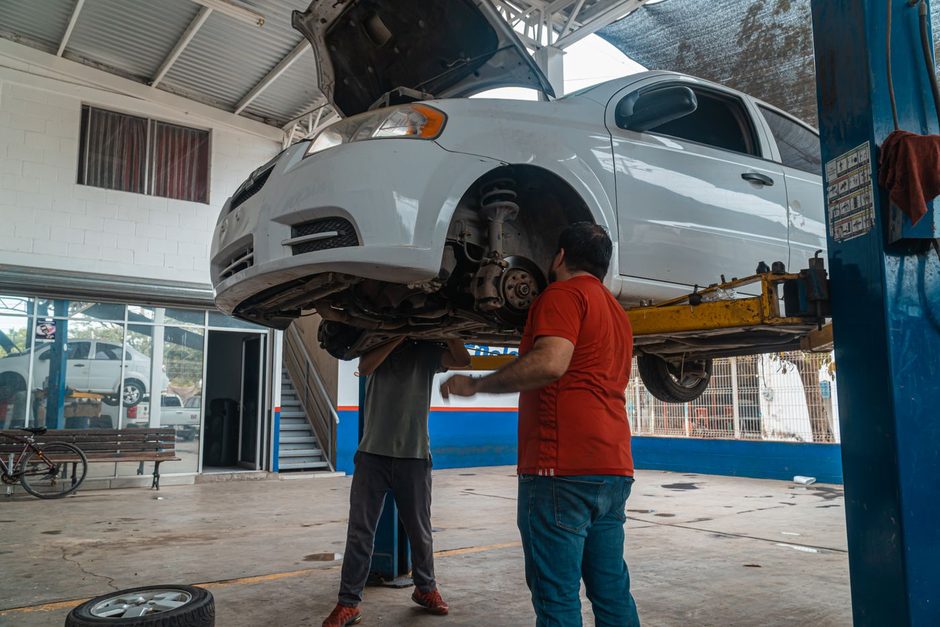
Bay 2 sits empty at 10:15 a.m. on a weekday in Houston while the waiting room has three people who already booked elsewhere. That pattern is common in US oil change: drivers decide in minutes, they search with high intent, and the shop that shows up with clear hours, proof, and a fast path to a reservation takes the job. Digital marketing for oil change companies is less about brand awareness and more about owning the searches that happen when the maintenance light is already on. This piece walks through how US shops turned organic search into booked work, where the usual SEO play falls apart for quick lube and full-service oil change, and what a practical program looks like when you cannot staff a full content team.
When “near me” traffic never makes it to the scheduler
Most oil change operators do not lose to a mysterious algorithm. They lose because the person searching already has a short list: who is open, who can take them today, who has recent reviews that mention synthetic oil or a specific vehicle type, and who does not look like a five-year-old brochure site. If your Google Business Profile photo set still shows a renovation from 2019, your primary category is vague, and your website homepage tries to sell tires, brakes, and fleet accounts in the same breath as a $39.99 conventional oil change, Google has little reason to treat you as the best match.
High-intent searches in this niche cluster tightly. Drivers type “oil change near me,” “synthetic oil change [city],” “quick lube open now,” “oil change specials,” and model-specific phrases when the sticker on the windshield is overdue. Those queries convert when the listing and the landing experience answer three questions in under ten seconds: price range or package clarity, wait or appointment expectation, and proof that the shop handles their car without upselling chaos. Shops that only rank for their brand name stay busy with people who already decided. Everyone else is competing on the open map pack.
Tracking makes the failure mode worse. Many multi-location groups still route every organic call into one main line with no call tracking numbers by location, so marketing cannot tell whether the Phoenix store’s GBP is working or the Atlanta page is leaking. Form fills sit in a shared inbox. Nobody measures response speed against the 5-15 minute window when a driver is still deciding between two pins on Maps. You can rank and still starve the bays if the handoff after the click is slow or unclear.
If you want a tighter read on how channel work should map to bay utilization rather than vanity traffic, the playbook behind Oil Change marketing starts from booked work, not session counts.
Intent clusters that actually put cars in bays
Strong digital marketing for oil change companies starts by grouping demand the way a service writer thinks, not the way a generic keyword tool dumps volume. Build clusters around job type (conventional, synthetic, high-mileage, diesel), urgency (today, open Sunday, no appointment), vehicle context (European, trucks, hybrids where oil capacity and specs matter), and commercial vs retail if you take fleets. Each cluster needs a page or GBP post path that matches the language on the search results page, not a single “Services” dump with six services and one phone number.
Local and entity signals do heavy lifting here. Consistent NAP across directories, service-area clarity when you have multiple stores, and on-page mentions of neighborhoods and highways people actually use (I-10 corridors, suburb names, airport-adjacent commercial parks) help Google connect your locations to real places. Reviews that name the service matter more than star averages alone. A five-star review that says “synthetic oil change on my F-150, in and out in 28 minutes” is stronger for ranking and conversion than ten vague “great guys” notes.
Content that ranks and converts in this niche is operational, not blog-fluff. Pages that explain oil type differences for common local vehicles, what is included in the inspection, how long a visit takes at peak hours, and how coupons apply beat “10 signs you need an oil change” recycled from a national template. A page listing wait times by hour of day for a specific store drove more same-day bookings than six months of how-to posts. When AI Overviews and zero-click results compress some informational queries, the shops that still win are the ones cited for local facts and the ones that convert the click when it does happen.
Organic search only pays if the page after the listing is built for the job. Dedicated location pages with hours, package tables, parking or bay notes, and a single primary CTA outperform a national homepage. If you also run SEO as a continuous program rather than a one-time audit, treat those pages as living assets: refresh offers, swap seasonal photos, and fix Core Web Vitals issues that slow mobile booking. Plenty of origins still fail basic experience thresholds, and mobile drivers bounce fast when a scheduler takes eight seconds to become usable.
Get a free marketing audit - we review your search, ads, and landing pages and send back what to fix first.
Get a free audit
How two US shops turned the same search leak into booked work
A multi-unit operator outside Dallas had three stores showing in branded search and almost nowhere for non-brand “oil change near me” and “synthetic oil change” variants. The mechanism was simple: each location shared a thin template page with identical copy, a single corporate phone number, and GBP categories set to a broad auto repair label. Reviews were strong on stars but rarely mentioned oil change. The fix was not a hundred new blog posts. They split location pages with unique hours, staff photos, and package tables, moved the primary category to oil change / lube, added call tracking per store, and asked every completed ticket to mention the service type in the review request text. Within a quarter, the store nearest a busy retail corridor started owning the map pack for synthetic queries on weeknights, and the scheduler showed a clear lift in same-day web bookings instead of only walk-in chaos at lunch.
What changed operationally was the handoff, not a miracle ranking spike overnight:
-
Each store got its own landing URL aligned to the GBP website button
-
Negative outcomes from wrong-category search impressions dropped once categories and services matched reality
-
Managers reviewed missed-call logs twice a week and staffed the phone during the 4-6 p.m. surge
An independent shop in Phoenix had the opposite problem. They ranked decently for a handful of long-tail phrases, but form leads sat for hours and the homepage buried pricing under tire promotions. Drivers clicked, saw friction, and booked the national chain two lights away. Form response time was averaging 4 hours; they set a 15-minute SMS alert rule so a manager touched every organic lead before the driver left the lot next door. The owner rebuilt one focused oil change page with three packages, a plain-language wait-time note for Saturdays, and click-to-call above the fold. They stopped publishing generic car-care articles and instead shipped short, local posts: monsoon-season air filter checks paired with oil visits, fleet accounts for HOA landscaping trucks, and a clear explanation of what “full synthetic” meant on their menu. Review velocity rose because the post-visit SMS asked one specific question about wait time. Booked appointments from organic climbed because the page finally matched the promise in the search snippet.
What changed operationally mirrored the Dallas handoff discipline:
-
One dedicated oil change URL replaced the tire-heavy homepage as the GBP website button target
-
Form response time dropped from roughly 4 hours to a 15-minute SMS alert rule owned by the manager on duty
-
Post-visit review prompts asked about wait time specifically, which raised both velocity and service-relevant language in new reviews
Both cases share the same lesson. The mechanism is alignment: query language, entity clarity, proof in reviews, and a page that removes doubt. Percentages look tidy in decks. What actually moved the calendar was fixing the mismatch between what Google showed and what the driver experienced in the first thirty seconds on site.
Reviews, speed, and pages that survive the map pack click
US oil change buyers treat recent reviews like a quality control check. A store with 4.2 stars and twenty reviews from last month often beats a 4.8 with two-year-old volume when the recent set mentions cleanliness, no hard sell, and on-time work. Build a simple after-service prompt that is specific. “How was your oil change today?” outperforms “Rate us.” Respond to negatives with process, not defensiveness, especially when the complaint is wait time or a misunderstood coupon. Those replies show up for the next searcher.
Response speed is part of SEO outcomes even when it never appears in Search Console. A lead who finds you organically still expects a human path. Missed calls during school-run hours and after 5 p.m. are where independents quietly lose to chains with call centers. If you cannot staff every minute, use scheduling tools that show real bay availability and confirm by SMS. Track organic calls and forms separately from paid so you do not starve the channel that is compounding.
On the page itself, proof beats adjectives. Show the inspection checklist, the oil brands you pour, warranties in plain numbers, and photos of the actual bays. Heatmaps and session recordings help when traffic rises but bookings do not: you will often see rage clicks on buried CTAs or drop-off when a “specials” banner hides the book button on mobile. Keep the primary action obvious. Secondary upsells can wait until the car is in the bay.
Sustainable visibility needs a publishing rhythm without a newsroom. National chains can flood the SERP with thin location spam. Independents and regional groups win with fewer, sharper pages plus steady local updates. HeyLead’s Auto Blogger fits here as a managed way to keep niche- and region-aware articles shipping under human strategy: seasonal maintenance angles, store-level FAQs, and service explainers that support the money pages without asking your general manager to write every Tuesday night.
Patterns we see in audits
The short quotes below are illustrative composites drawn from patterns in account reviews. They are not quotes from named clients.
Across multi-location groups we work with, the unlock is almost always call tracking by store, not more content. Locations that look quiet in a shared CMS often carry a real share of organic appointments once each bay has its own numbers and landing URLs. The same pattern shows up on review prompts: when the ask names the service type, map-pack conversion improves even before star averages move.
We also see organic start filling mid-morning gaps that paid calendars never touched once location pages and GBP categories match how drivers actually search. Ranking for brand alone still leaves the schedule dependent on ads; fixing entity clarity and the post-click handoff is what turns non-brand intent into booked bays.

Free tools
DIY free tools for this playbook
Run these on the pages and campaigns this article covers, then fix what they flag before you scale spend or content volume.
Run these on this playbook
If the checklist shows a leak you cannot close in-house, request a free marketing audit.
Frequently asked questions
How long before SEO produces booked oil changes in a competitive US metro?
GBP category and review prompt fixes often show map-pack movement in 4-8 weeks; non-brand page ranking in a metro like Atlanta typically takes 3-6 months depending on domain age and citation health. In denser chain markets such as Los Angeles, expect the longer end of that range unless reviews already mention oil change by name; in Chicago, clean NAP and store-level pages usually matter more than new blog volume. Shops that already have strong reviews and clean citations usually move faster than those rebuilding from thin templates. Treat the first phase as fixing conversion and entity clarity, not chasing national head terms.
Should we prioritize Google Business Profile or the website first?
Do both, but sequence the fixes that remove friction. Correct categories, services, photos, and the website button on GBP so map pack clicks land on a location-specific page. Then deepen that page with packages, proof, and speed. A perfect blog strategy will not save a listing that points to a slow homepage with no oil change offer above the fold.
What content actually helps oil change SEO without wasting staff time?
Prioritize pages tied to money intent: synthetic vs conventional packages, store pages, fleet oil programs, and FAQs drivers already ask at the counter. Short local updates beat long generic guides. If writing capacity is the bottleneck, use a managed cadence system under editorial control rather than publishing empty posts for the sake of volume.
How do we know organic search is booking work, not just traffic?
Use unique call numbers or call tracking pooled by location, mark online scheduler completions by landing page, and reconcile weekly against bay software or POS where you can. Compare branded vs non-brand organic. If non-brand clicks rise but appointments do not, the leak is almost always page clarity, offer match, or response time.
Is SEO enough, or do we still need paid search?
Organic compounds and protects margin on repeat local demand. Paid still covers peak capacity pushes, new store launches, and terms you do not yet own. The shops that waste budget send both channels to the same weak homepage. Align landing experiences first, then decide how much paid you need to fill the gaps SEO has not claimed yet.
Putting it to work
Pull the last 60 days of organic landing pages, GBP insights, and appointment or call sources for each store, then mark every URL that ranks or gets map clicks but does not earn a book or call within a day. Fix the worst mismatch first: category, offer clarity, click-to-call, and review prompts on that single location before you expand the content calendar.
When the work is owning local intent clusters, review proof, and location pages so search becomes booked bays rather than empty sessions, a partner like HeyLead can run that SEO program end to end for oil change operators who need the system maintained as stores, offers, and SERPs shift. Request a free audit at heylead.com/free-audit/.
Free marketing audit, or reach Martin directly:
Get a free audit Chat with us on WhatsApp · [email protected]