
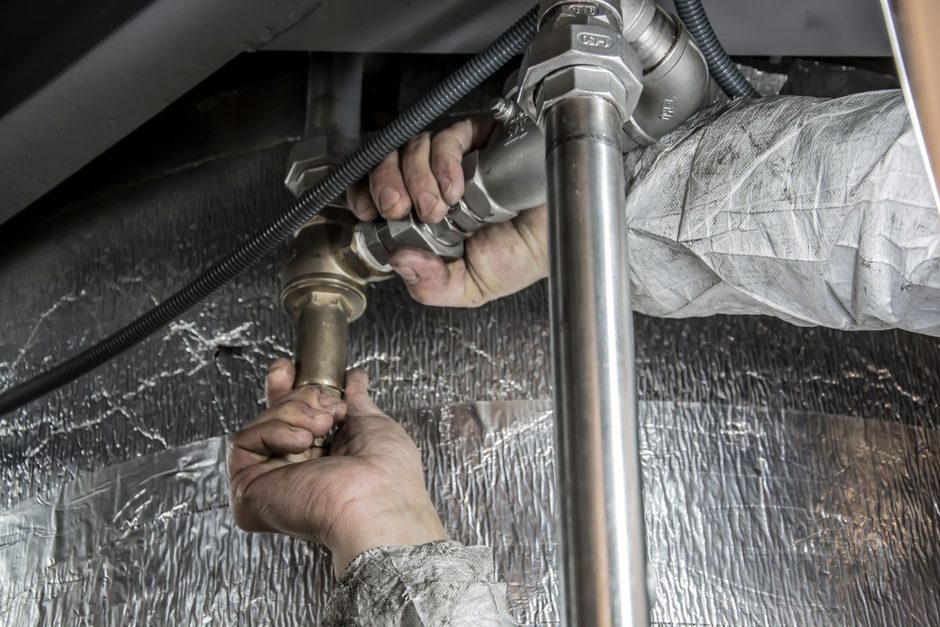
In humid summers across the Southeast and freeze-thaw winters up North, crawl space encapsulation jobs rarely start with a casual scroll. They start when a homeowner smells must, sees standing water on a home inspection report, or hears a realtor say the sale will stall until the moisture problem is fixed. That person opens Google on their phone, types something blunt, and expects a local crew that already looks established: photos of sealed vapor barriers, clear service areas, and a phone number that gets answered.
For crawl space encapsulation companies in the US, local SEO is how that moment turns into a booked assessment instead of a tire-kicker who called the first three ads and hung up. Paid search can fill gaps, but crews booking three to five assessments a week from organic aren’t lucky - they’ve built map pack presence, intent-matched service pages, and a response path that doesn’t lose the lead between 6 p.m. and 8 a.m.
This piece walks through what broke for real operators, the local SEO mechanics that fixed it, and how search intent becomes scheduled work rather than form spam.
If you want a channel partner that already understands home-services demand, HeyLead’s SEO programs are built around qualified local traffic and pages that convert, not vanity rankings.
Crawl space encapsulation companies that serve Portland can take the local SEO approach described in this guide and apply it to moisture control, vapor barrier, and insulation work in their area. Damp climates make the trade relevant, and educational content paired with tracked inquiries converts in any market. Target location: Portland. Owners who run this trade there can use the Portland home services page for market notes.
Why encapsulation leads die in the map pack before anyone books a site visit
Crawl space work sits in an awkward search middle. Homeowners use contractor language and symptom language in the same week: “crawl space encapsulation near me,” “vapor barrier install cost,” “mold under house,” “musty smell basement crawlspace,” “encapsulate crawl space before closing.” If your site only ranks a thin homepage with a stock photo of plastic sheeting, you lose the high-intent cluster that actually pays for labor and materials.
Map pack competition in markets like Dallas, Atlanta, Phoenix, and the outer rings of Chicago is brutal for trades that share real estate with waterproofing, foundation repair, and general mold remediation. Google does not always understand that encapsulation is a distinct service line. If your Google Business Profile categories, services list, photos, and website entity signals are vague, you get shown for “basement waterproofing” when you do not do full basements, or you get skipped for “crawl space encapsulation” because a multi-location franchise looks more complete online.
Response speed still decides who gets the deposit. A homeowner who found you organically will often call two other results in the same sitting. If your form goes to a shared inbox and the first human reply is the next afternoon, the job is already quoted elsewhere. Local SEO without call tracking, after-hours routing, and a short path from search result to a booked inspection wastes the ranking you fought for.
Zero-click search makes the proof on your GBP and SERP snippet do more work than it used to. Plenty of US searches never reach a click. When someone does click, they are further along and less patient. Thin FAQ pages and generic “we care about quality” copy do not survive that filter. You need service pages that answer moisture sources, liner specs, sump and dehumidifier options, warranties, and what the visit includes, in plain US contractor English.
The local SEO system that turns encapsulation intent into scheduled assessments
Winning local SEO for crawl space encapsulation companies is not a single keyword campaign. It is an entity and intent system: one clear business identity across the web, pages mapped to how buyers search, reviews that name the job type, and measurement that ties organic sessions to booked site visits rather than raw form counts.
Audit scorecard
-
Map pack and GBP hygiene Primary category and secondary categories should reflect crawl space encapsulation and related moisture control, not a vague “general contractor” label. Services list should name encapsulation, vapor barrier, crawl space cleanout, insulation removal, dehumidifier install, and sump work if you sell them. Photos should show real jobs in your service area with before/after moisture, not only vans. Weekly Q&A and post cadence keep the profile active. NAP consistency across directories still matters when Google is deciding which crew is the real local operator.
-
Intent inventory for encapsulation Build three buckets: job-ready (“crawl space encapsulation [city]”, “encapsulate crawl space cost”), problem-aware (“musty crawl space”, “standing water under house”, “home inspector crawl space moisture”), and commercial research (“crawl space liner thickness”, “closed crawl vs encapsulated”). Each bucket needs a dedicated page or a tightly linked section, not one mega-page trying to rank for everything. Track which queries produce booked assessments, not just impressions.
-
Service-area architecture US encapsulation companies usually cover a radius, not a single ZIP. Create city or metro pages only where you truly dispatch crews. Each page needs unique proof: job photos, typical soil/moisture issues for that market, drive-time honesty, and a clear CTA to book an inspection. Duplicate boilerplate across 40 cities still gets filtered. Link service pages, process pages, and financing or warranty pages so Google and humans can see a real business graph.
-
On-page proof that survives a phone skim Above the fold: what you encapsulate, where you work, and how to book. Then show liner systems, drainage, dehumidification, cleanout, and what the homeowner must clear before the crew arrives. Price ranges can be directional (“assessment fee credited if you book”) without fake precision. License, insurance, and manufacturer warranties belong near the form. Schema for LocalBusiness and FAQ helps machines; human-readable specs help the person who is comparing two crews tonight.
-
Reviews that name encapsulation Five-star fluff helps less than a review that says “sealed our crawl, installed dehumidifier, smell gone before listing.” Ask for that language after jobs. Respond publicly. Surface three to five review excerpts on the service page with context (city, job type). Review velocity and recency still move local pack outcomes in competitive MSAs.
-
Technical floor that does not kill mobile conversions Mobile drives most local searches. Heavy galleries, unoptimized hero video, and third-party chat widgets destroy INP and LCP. Compress job photos, lazy-load below-fold galleries, keep the click-to-call sticky without covering the form.
-
Content that ranks and educates without fluff Publish for real objections: DIY vapor barrier fails, when encapsulation is the wrong fix, dehumidifier sizing, radon and sealed crawls, prep checklists, and what inspectors flag. Information gain beats thin AI filler even though a large share of top pages include AI-assisted text. Pair a human field lead’s notes with clean structure. For cadence without a giant writing bench, a managed system like HeyLead Auto Blogger can ship region- and niche-aware articles under your strategy so you stay visible without the owner drafting every post.
-
Closed-loop tracking from organic to booked job Use unique call tracking numbers on organic landing pages, UTM discipline on any boosted posts, and CRM fields for “source detail” (map pack, organic service page, blog, GBP). Score success as booked assessments and closed encapsulation jobs, not “leads.” If sales cycles stretch across inspections and HOA or realtor timelines, report pipeline contribution monthly with the same definitions every time.
DIY playbook: 30-day encapsulation SEO sprint
-
Export Search Console queries for 90 days. Tag every row as job-ready, problem-aware, or junk. Kill content ideas that only attract DIY research with no path to a paid visit.
-
Rewrite the primary encapsulation service page first. One H1, clear service area, proof block, process steps, FAQ, and a single primary CTA to book an assessment.
-
Fix GBP categories, services, hours, and photo set in one sitting. Add 10 real job photos with geo relevance.
-
Stand up or prune three metro pages you actually serve (for example Atlanta suburbs, north Dallas, or greater Phoenix). Unique moisture context per market.
-
Add FAQ schema only for questions you answer on-page. Validate markup before celebrating rich results.
-
Run Core Web Vitals on the service URL and fix the worst mobile issue (usually images or third-party scripts).
-
Instrument call and form events in GA4 with clear names. Test a real submission from a phone on cellular.
-
Request five recent encapsulation reviews that mention the job type and city. Reply to all of them.
-
Publish two field-led articles (inspector pushback, dehumidifier myths) and internal-link them to the money page.
-
Watch session recordings on the service page for rage clicks, form abandon, and proof sections people never reach. Behaviour tools like HeyLead Insights make those leaks visible so you fix layout before you buy more traffic.
Free tools - try these yourself
Teams that want niche-specific growth support can also review HeyLead’s Crawl Space Encapsulation marketing page for how channel work maps to booked assessments in this trade.
Get a free marketing audit - we review your search, ads, and landing pages and send back what to fix first.
Get a free audit
Houston crew: map pack wins that still leaked every after-hours form
A second-generation encapsulation company on the west side of Houston ranked in the local pack for several “crawl space encapsulation” variants after a year of citations and review work. Organic sessions looked healthy. Booked jobs did not. The owner pulled call logs and found the pattern in one afternoon: map pack taps between 6 p.m. and 9 p.m. went to a desk phone that rolled to voicemail, and the website form dumped into a shared Gmail label the office manager checked in the morning.
By then, three other waterproofing-adjacent companies had already texted back. The SEO was not broken. The handoff was.
They kept the ranking work and changed three things. First, a dedicated tracking number on the organic service page and GBP, routed to a rotating on-call tech after 5 p.m. with a script that only booked moisture assessments, not free “drive-by quotes.” Second, the service page form asked for access notes and photo upload of the crawl hatch so the office could pre-qualify before rolling a truck. Third, they trimmed a slow homepage redirect chain that made mobile users wait through two interstitial banners before the click-to-call button appeared.
Within roughly six weeks, the same organic impression share produced more held appointments. The mechanism was simple: local SEO earned the tap; response design earned the calendar slot. They later used session recordings to catch a second leak: a sticky chat widget covering the submit button on iPhone Safari for users who preferred forms over calls. Moving the widget and shortening the form from nine fields to five recovered another slice of after-hours demand without changing a single ranking factor.

Phoenix owner: thin city pages, strong trucks, empty calendar mid-week
In Phoenix, a five-truck encapsulation shop had real capacity mid-week and almost no organic pipeline once summer heat slowed “emergency” calls. Their site used twenty near-identical city pages spun from a template: swap the city name, keep the same paragraph about “quality craftsmanship,” no local photos, no mention of monsoon moisture or slab-adjacent crawl patterns common in older neighborhoods.
Google mostly ignored the set. The homepage ranked for brand. Competitors owned “crawl space encapsulation Phoenix” and several East Valley variants. Paid search was covering the gap at rising CPCs, which the owner hated because encapsulation tickets are high enough that organic should carry more of the load.
The fix started with deletion, not more pages. They cut to six metros they truly served, rewrote each with distinct job photos, typical access issues, and a short note on seasonal demand. They built one strong cornerstone encapsulation page with process, equipment, and warranty detail, then pointed internal links from blog posts about musty smells and failed DIY plastic. GBP posts highlighted completed East Valley jobs with the same language homeowners use after inspections.
They also ran a competitor gap on terms they were missing. They pulled competitor keyword gaps in Ahrefs by comparing their domain against the top two Phoenix-ranking competitors and identified 40+ uncontested local-modifier terms they had zero pages for, including examples such as “encapsulated crawl space cost Arizona,” “crawl space dehumidifier install,” and realtor-driven queries around listing contingencies. Two new sections on the cornerstone page targeted those without creating thin doorway pages. Indexation was checked after launch so orphans did not sit in draft forever.
Organic booked assessments did not explode overnight. Over a quarter, mid-week gaps filled with inspection-driven work that used to default to whoever answered the phone from a paid click. Paid stayed on for overflow and brand defense. The SEO win was ownership of intent clusters the template farm never deserved to rank for.
Patterns we see in audits
The short quotes below are illustrative composites drawn from patterns in account reviews. They are not quotes from named clients.
“We finally stopped counting ‘website leads’ and started counting held crawl inspections from organic. Half the forms were research students and DIY liner shoppers. Once the service page talked specs and prep, the calendar got quieter and more profitable.” - Owner, crawl space encapsulation company, Southeast US
“Map pack was green in the rank tracker and still dead on Tuesdays. Turns out our GBP photos were all trucks. We swapped in sealed crawls and dehumidifier installs, and the calls that came through actually knew what we sold.” - Marketing lead, home moisture services, Texas

FAQs
How long does local SEO take before encapsulation companies see booked jobs?
Expect technical and GBP fixes to influence call quality within weeks if you already have some authority. Meaningful movement on competitive head terms in large MSAs often takes a few months of consistent pages, reviews, and content. Anyone promising a full calendar in seven days is selling a different product than durable local SEO.
Should we rank one page for every city in our radius?
Only for places you actually dispatch. Thin city clones waste crawl budget and trust. A strong service page plus a handful of honest metro pages beats forty near-duplicates. Use internal links and GBP service areas to cover the rest.
Do we still need Google Ads if organic is working?
Many US encapsulation companies keep a lean paid layer for brand defense, seasonal spikes, and overflow when crews have open capacity. Organic should carry more of the efficient volume over time. Paid should not be the only reason the phone rings if your unit economics support a proper SEO program.
What on-page proof matters most for crawl space buyers?
Real job photos, clear process, warranty and equipment notes, review excerpts that name encapsulation, and a fast path to book an assessment. Homeowners comparing two local results punish vague claims and slow mobile pages.
How do we keep publishing without a full-time writer?
After every sealed crawl, have the crew lead voice-memo three things - what they found, what they fixed, and what the homeowner was surprised by. That 90-second note is a publishable article outline. Edit for accuracy, add liner specs, done.
Putting it to work
Execution sprint
This week
- Pull 30-90 days of performance for how crawl space encapsulation companies (Search Console, ads, CRM, or call logs - whatever you have).
- Flag the top leak: wrong intent, weak page, slow response, or dirty conversion tracking.
- Ship one fix on the highest-traffic money path (page, campaign split, or response rule).
- Run the free tools below on that same URL or account and log the findings.
Free tools for this sprint
Next 30 days
- Expand the fix to the next one or two money paths only after the first one shows cleaner bookings.
- Align creative, keywords, or content with the same offer the page now states.
- Review booked outcomes weekly; cut anything that still only produces unqualified volume.
This week
-
Pull 90 days of Search Console queries and mark job-ready vs research-only traffic on your encapsulation URLs.
-
Rewrite the primary crawl space encapsulation service page CTA, proof, and mobile speed killers.
-
Align GBP categories, services, and ten real job photos with the same language as that page.
-
Turn on or verify call tracking solely for organic landing pages and test after-hours routing once.
-
Request three reviews that explicitly mention encapsulation and the city served.
-
Run the local SEO checklist and Core Web Vitals checker on the money URL; fix the top two failures.
Next 30 days
-
Ship or rebuild two real metro pages with unique photos and moisture context.
-
Publish two field-led articles and internal-link them to the service page.
-
Add FAQ schema only where answers exist on-page; validate with a schema checker.
-
Review session behaviour on the form path and cut fields or widgets that block submits.
-
Report organic results as booked assessments and closed jobs, not raw form volume.
When the hard part is keeping local SEO, service-page proof, and a steady niche publishing cadence aligned so search becomes booked encapsulation work instead of idle rankings, a partner like HeyLead can own that operating loop with you. Start a conversation at [email protected].
Free marketing audit, or reach Martin directly:
Get a free audit Chat with us on WhatsApp · [email protected]