
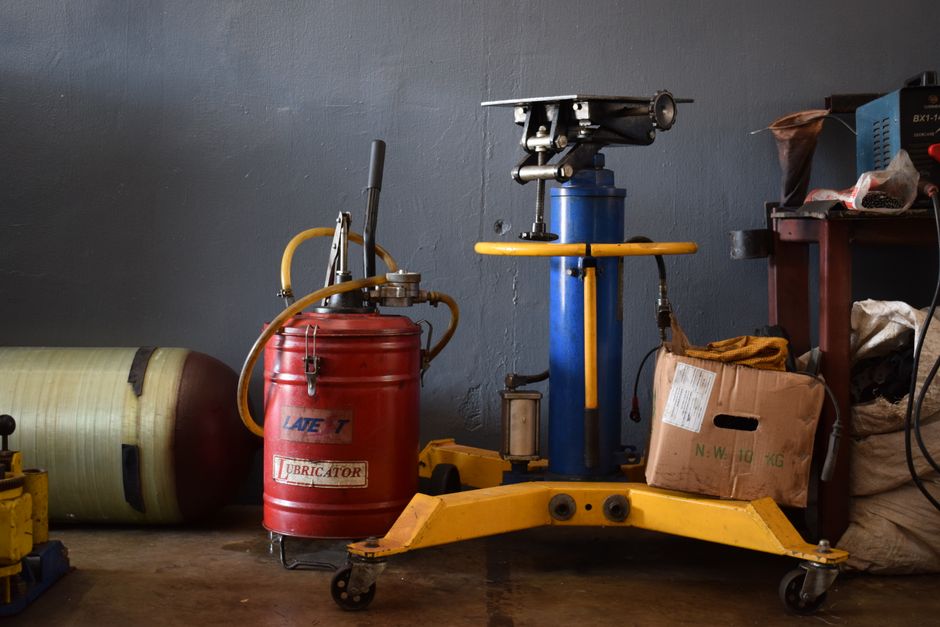
Walk into a four-bay workshop off Pioneer Road at 3.15pm and you can usually tell the marketing story without opening Ads Manager. Two hoists occupied. One waiting. One idle. The idle bay is not a branding problem. It is a driver who searched “oil change near Jurong”, tapped a Maps pin, then bounced because the page asked them to call during lunch, or because the ad promised a 20-minute service and the landing copy talked about “full workshop services”.
Singapore oil change demand is local, time-boxed, and price-aware. Private-hire and company-car coordinators book around COE and inspection windows. Grab and Gojek drivers squeeze in a change between shifts. Families in Tampines and Punggol wait until Saturday morning. A good week for a shop is not “more website traffic”. It is occupied bays at the hours you staff, in SGD that still leave margin after GST, parts, and search CPCs in the $2-$5 range depending on query specificity that keep creeping up.
This piece is the operating version of digital marketing for oil change Singapore operators: how search, Maps, paid, and the booking page have to work as one loop, and where shops quietly leak jobs even when impressions look healthy.
Empty hoists in the afternoon usually start in the query, not the bay
Most shops still treat “digital” as a Facebook page plus a Google Business Profile that last got a photo in 2023. That mix produces calls at 9am from people comparing $68 versus $88 synthetic, then silence after 2pm when the fleet coordinators have already booked elsewhere. You are not losing to a national brand. You are losing to the workshop that answered “same-day oil change Ang Mo Kio” with a price band, a wait time, and a tap-to-book form that works on a phone in a carpark.
Intent is brutally short. Nobody is researching motor oil for three weeks. They type “oil change near me”, “castrol oil change singapore”, “express lube open now”, or “fleet oil change woodlands”. If your ads and organic snippets talk about “trusted mechanics since 1998” and your competitor’s snippet says “from $X, 30 min, walk-ins until 7pm”, you already lost the click. Mobile is most of paid search. Conversion on mobile still lags desktop by a wide margin, which is why a homepage that takes eight seconds to render a phone number is a revenue leak, not a “UX issue”.
Attribution makes this worse. Last-click will credit Maps one day and a branded Search ad the next for the same driver. In-platform CPA will look cheap while your hoist diary is thin. Privacy changes and blockers already eat 20%+ of conversion signal, which is enough to make Smart Bidding chase junk form fills. If you cannot tell a booked oil change from a “quote request” that never showed, you will keep buying the wrong query mix.
Negatives are not optional on this vertical. Neither is a dedicated page. If someone says they “just send traffic to the homepage,” that is your cue to stop the conversation. Dedicated offer pages aligned to the ad are the difference between a $4 CPC that books a bay and a $4 CPC that trains Google you convert on tyre-kicker traffic.
If your Search and Maps mix is already live but bays still go quiet after lunch, a focused Google Ads programme that maps queries to bookable slots is usually a faster fix than another round of brand posts.
What high-intent oil change search looks like in Singapore, not in a US playbook
Singapore search is HDB-estate and industrial-estate specific. “Oil change Bedok”, “lube service Tuas”, “synthetic 5w30 change Toa Payoh” outperform national head terms. Language mixes English with model names: Honda Vezel oil change, Toyota Hiace fleet service, BMW mini service (which you should negative if you do not want that job). Voice and Assistant-style queries are conversational: “where can I change oil now that’s open”.
Industry ROAS benchmarks vary wildly - for a quick-lube shop, the only number that matters is cost per completed oil change in SGD. Your unit economics are a bay-hour and a ticket in SGD. Strong reported ROAS on $80 tickets with 18-minute jobs can still lose money if 40% of “leads” are WhatsApp chats that never arrive. Realistic paid programmes take 3-6 months to stabilise. Anyone guaranteeing a CPL before they see your diary, landing page, and average ticket is selling you a slide, not a channel.
Performance Max will try to “drive the bulk”. Let it, but only after you have a clean booked-job conversion, not a generic form. Signals beat old keyword stacking: Enhanced Conversions, first-party emails from fleet accounts, and offline imports of completed jobs. Broad Match with Smart Bidding and Enhanced Conversions can cut CPCs versus lazy standard Search, but only if junk queries are fenced out. Constant structure changes reset learning. Fewer campaigns, broader match, ruthless negatives, and creative that states the offer: that is the 2026 version, not 2020 lookalike stacking.
Organic still matters because AI Overviews now sit on a large share of searches and can cut CTR hard even when you “rank”. Volume is a dead metric if you are invisible in the answer box and the Map pack. You want citation-worthy, human pages: viscosity by climate, COE-related service windows, what a 10,000km interval actually means for Grab cars in stop-start traffic. That is not permission to publish sludge. Information gain (a page that answers the next question the driver has) is what still earns the click when zero-click search is the default.
If your booking form’s INP stutters on mid-range Androids, you will watch mobile CPC rise while conversion falls and conclude “ads don’t work in Singapore”. They work. The page did not.
Get a free marketing audit - we review your search, ads, and landing pages and send back what to fix first.
Get a free audit

The acquisition scorecard oil change operators can run without another dashboard
Use this as an audit, not a slogan. Score yourself honestly. Anything below a pass on items 1-4 is why the afternoon bay is empty.
Audit scorecard
-
Intent inventory, not keyword dump
List the jobs you actually want: walk-in express, synthetic, diesel van, fleet account, after-hours. Map 8-12 query clusters per job. Drop anything that is research, DIY, or a job you cannot do in under an hour.
-
Negatives before more budget
Add jobs, salary, course, kit, filter only, used car, accident, and brand-service-centre terms you cannot fulfil. Review search terms twice in the first fortnight, then weekly. This is how you stop the 20-30% waste.
-
One page per offer, never the homepage
Ad for “30-min oil change Tampines” must land on Tampines, price band in SGD, wait-time, parking note, and a form with time slot. Homepages kill conversion. Align headline to the query.
-
Booked job as the conversion
Fire the Google conversion on confirmed appointment or completed invoice, not thank-you page views. Import offline jobs. If 20% of signal is already missing, do not add more campaigns until this is clean.
-
Maps assets that match the ad
Hours, oil brands, photos of the actual bays, Q&A on wait time. Drivers decide in the pack. A GBP that says “auto repair” when you sell express lube is a mismatch Google will happily show to the wrong people.
-
Mobile speed as a media cost
Check LCP and INP on a mid-range phone on 4G. If the click-to-call or slot picker is below the fold or janky, you are paying Search CPC for a bounce. Treat that as the default device.
-
Response in minutes, not a next-day email
WhatsApp and missed-call-text for the 11.40am fleet coordinator. If the form sits until the evening shift, that job is already at the shop that answered.
-
Creative that is the targeting
On Meta, if you run it at all, short clips of a real bay, a timer, a price, a neighbourhood. UGC-style spots can die in 5-6 days. Fatigue shows in CPM before lead volume drops. Do not wait for “leads fell” to refresh.
-
PMax only after the signal is real
Feed it booked jobs and geo. If you let it optimise on newsletter signups, it will buy cheap nothing. Unoptimised ones just move budget into Shopping-shaped junk.
-
Weekly actionable notes, not a monthly PDF
One page: wasted queries, bay utilisation by hour, cost per completed oil change, landing drop-off. Monthly-only reporting buries the Tuesday you overpaid for “engine flush” clicks.
Action checklist
- Export 30 days of search terms and highlight every query that never produced a completed invoice.
- Build or fix one landing page per estate you can actually serve (Tampines, Jurong, Woodlands), with SGD price band and slot picker.
- Switch the conversion to booked or paid jobs. Pause any campaign still learning on “contact us”.
- Rewrite RSA headlines to match the query cluster: oil type, wait time, neighbourhood, open hours.
- Run a Core Web Vitals pass on the booking URL, then a Maps photo and category cleanup the same day.
Free tools - try these yourself
Post-click, watch where thumbs stall. HeyLead Insights is how you see form abandon and dead taps on “Call now” when the driver is already in the carpark, instead of guessing from bounce rate.
Two Singapore shops, two different broken mechanisms
A three-bay express lube in Ang Mo Kio ran Broad Match on “oil change singapore” into the homepage. Search term report was a graveyard of career pages and motorcycle forums. Cost per form looked acceptable until the owner counted completed jobs: 11 of 40 forms in a fortnight were people asking if they did ceramic coating. The fix was not more budget. It was a negative list, a $78-$128 synthetic offer page, and converting only when the slot was confirmed. Completed jobs did not double overnight. The wasted 28% of spend did stop.
A fleet-facing workshop in Tuas had decent Search but a form with eight fields, including company registration number, on mobile. Coordinators started the form at 11.40am and abandoned on field four. Heat and session patterns showed the same drop. They cut the form to name, mobile, vehicle count, and preferred window, and routed WhatsApp with the UTM still attached. Booked fleet slots moved even though CPC did not. The mechanism was friction, not “brand awareness”.
Notice what did not work in either case: posting more Reels, promising a ROAS number in the pitch, or rebuilding the whole site. Tighter positioning, a clearer offer, and a conversion that matches a hoist. That combination beats adding TikTok because a deck said cold traffic is cheaper there.
Automated bidding will inflate spend if your conversion is a vanity event. Broad targeting will buy rubbish if the creative and page are vague. Those objections are fair. The answer is not to return to 2019 exact-match theatre. It is to make the signal and the page as strict as the bay you are trying to fill.

FAQs
Should an oil change shop in Singapore start with SEO or Google Ads?
If bays are empty this week, start with Search plus Maps and a matching offer page. SEO and AI-overview visibility take longer and still need those pages. Paid teaches you which queries book jobs; organic then targets the winners.
Is Meta worth it for oil changes?
Sometimes, for remarketing and fleet brand, not as the primary “need oil now” channel. Creative dies in days. If you cannot refresh video weekly, keep Meta small and let Search carry intent.
Why did our CPL look good while hoists stayed idle?
You are probably optimising to the wrong event, sending traffic to the homepage, or counting chats that never arrive. Tie spend to completed oil changes in SGD, by hour of day.
How long before this looks stable?
Give a clean account 3-6 months. First two weeks are negatives and tracking. Anyone promising a specific ROAS before seeing your ticket size and page is not pricing risk honestly.
Do we need a huge retainer to do this?
No. You need a booked-job conversion, estate-level pages, and someone who reads search terms. Buy the loop, not a dashboard.
Putting it to work
Execution sprint
This week
- Pull 30-90 days of performance for oil change shops in Singapore (Search Console, ads, CRM, or call logs - whatever you have).
- Flag the top leak: wrong intent, weak page, slow response, or dirty conversion tracking.
- Ship one fix on the highest-traffic money path (page, campaign split, or response rule).
- Run the free tools below on that same URL or account and log the findings.
Free tools for this sprint
Next 30 days
- Expand the fix to the next one or two money paths only after the first one shows cleaner bookings.
- Align creative, keywords, or content with the same offer the page now states.
- Review booked outcomes weekly; cut anything that still only produces unqualified volume.
This week
-
Pull 30 days of search terms and completed invoices. Mark queries with zero jobs.
-
Put SGD price band, wait time, and a three-field form on one estate-specific oil change URL.
-
Change the primary conversion to booked or paid service. Pause vanity events.
-
Run the Core Web Vitals checker and the local SEO checklist on that URL and your GBP.
-
Tag every ad and WhatsApp deep link with the UTM builder so afternoon bays can be traced to a campaign.
Next 30 days
-
Feed completed jobs back into Google. Only then expand PMax.
-
Refresh any Meta creative on a 5-6 day cycle or turn it off.
-
Add one information-gain article (intervals for private-hire cars, what “fully synthetic” means at Singapore temperatures) aimed at Maps and AI citations, not word count.
-
Review cost per completed oil change weekly, not CPL from the ad UI.
If the gap is the handoff from a Singapore oil-change query to a page and conversion that actually occupy a hoist, HeyLead can run that loop: query hygiene, offer pages, and tracking that counts jobs, not forms. Start with the free tools above, or grab a free audit when the search term report stops making sense. Chat with us on WhatsApp
Free marketing audit, or reach Martin directly:
Get a free audit Connect on WhatsApp · [email protected]