
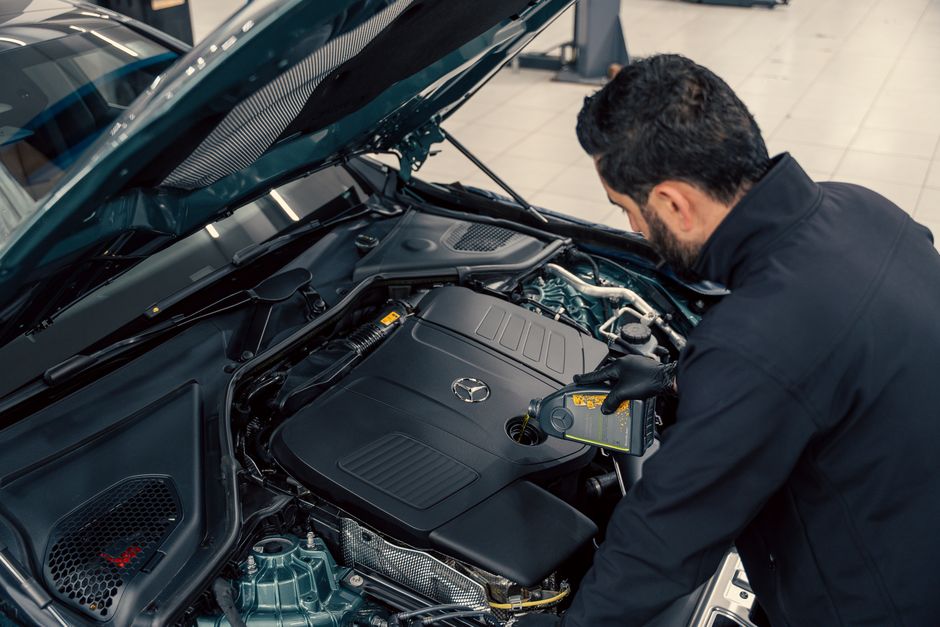
A logistics coordinator in Dandenong has three utes due for a logbook service before Friday. She is not browsing brand films. She is comparing drive time, next available bay, and whether the shop will honour a $99 conventional oil change or quietly upsell a $349 synthetic package. That is the job of digital marketing for oil change companies in Australia: occupy bays at the hours you actually staff, at a cost that still leaves margin after parts and labour.
Most Australian quick-lube and independent service centres already buy some ads or sit on a Google Business Profile. The leak is rarely “we need more awareness.” It is the gap between a Maps tap, a Search click, and a vehicle on the hoist. Those averages do not care that your idle bay at 2.15pm costs real wages. This piece is about filling that bay with paid and organic demand that matches how Australians actually choose an oil change, then proving it without last-click fairy tales.
Why Australian oil change demand spikes at 7.40am and dies after lunch
Oil change demand in Australia is not a smooth daily curve. Fleet coordinators book in blocks. FIFO workers hit the workshop on the way to the airport. Tradies want a 20-minute drain while they grab coffee. Retail motorists wait until the dash light or a logbook reminder, then they want today, not a three-day wait. If your media plan treats every hour the same, you pay peak CPCs for midday inventory you cannot staff, and you under-buy the 7-9am window when the diary actually converts.
Based on HeyLead client accounts in 2025-26, Search CPC averaged $2.96 in 2026, up 12% year on year. That pressure shows up fast in competitive metros: Sydney inner west, Melbourne’s south-east, Brisbane’s northside. Mobile is more than 63% of paid search clicks, yet conversion still lags desktop by 30-40%. For oil change shops, that lag is often a click-to-call button buried under a hero video, or a booking widget that asks for a full vehicle VIN before showing the next slot.
You also compete with zero-click search. AI Overviews now reach about 2 billion monthly users, and they sit on a growing share of “how much is an oil change in [suburb]” queries. Visibility without a tap does not fill a hoist. If your GBP hours, price range, and “same-day” proof are thin, Google answers the shopper without sending them to you. That is not a reason to abandon Search. It is a reason to treat Maps, call extensions, and a fast booking page as part of the same acquisition system, not a side project for whoever last logged into GMB.
Creative fatigue is not only a Meta problem. Local Search ads that reuse the same “$89 oil change” RSA for 11 weeks get ignored, then you blame automated bidding for “inflating spend.” Automated bidding will spend into weak creative and a slow page. It will not invent a clearer offer. If you are still running a 2024 playbook of stacked postcodes and lookalikes on Meta while Google Search sits on a homepage, you are buying the wrong hour of the day for the wrong promise.
The mix that books hoists: Search, Maps, and a page that matches the ad
Lead with intent. For oil change companies, that is Google Search plus Google Business Profile, then remarketing and short-form only after the booking path is honest. Do not turn PMax on as a substitute for negatives and landing-page alignment. If they say they just send traffic to your homepage, run.
Match the query to the job. “Oil change near me,” “logbook service [suburb],” “mobile oil change,” and “synthetic oil change price” are different offers. A fleet buyer in Western Sydney is not the same as a parent in Geelong booking a Corolla between school pickup and soccer. Split campaigns or at least ad groups by job type, then send each to a dedicated page: price, duration, what is included (drain, filter, 21-point check or not), and the next bay time. Do not hide the $ figure because you are afraid of comparison. Shoppers already have a number in mind. Ambiguity just sends them to the chain with a menu on the window.
On Meta, creative is your targeting. Broad plus a systematic testing engine now beats the old audience-stacking playbook by a noticeable ROAS gap when the funnel is strong. UGC-style clips of a real hoist, a 14-minute timer, and a staff member explaining conventional vs full synthetic still stop the doom scroll better than a logo bumper. Those ads also die fast. Teams report solid first days, then death after a few days, with CPMs rising before lead volume drops. Plan replacements, not a hero ad you “set and forget.”
Post-click is where Australian shops still lose the argument. A booking form that stutters on INP while someone sits in a Bunnings car park is a wasted click. Use HeyLead Insights to watch where people stall: price accordion, “choose a vehicle” dropdown, or a call button that does not fire on Android. One sentence of proof (Google rating, “in and out in 20 minutes,” fleet accounts welcome) on the same screen as the CTA beats a 900-word brand story.
If paid search is already live and bays still sit empty after 1pm, the gap is usually offer, page speed, or call handling, not another platform. A short look at Google Ads management against your actual occupied-bay report is more useful than adding TikTok because a webinar said cold traffic is cheaper there.
Audit scorecard
-
Intent vs bay type
List the last 90 days of Search terms and Maps questions. Tag each as conventional oil change, synthetic, logbook, diesel, fleet, or mobile. If more than a fifth of spend sits on research queries (“how often should I change oil”) with no booking CTA, pause or send them to a short explainer that still shows next availability.
-
Offer on the ad
Every RSA and PMax asset group should name a price band in AUD, a time promise, and the suburb or corridor (Pacific Motorway, Monash, Mitchell). “Quality service” is not an offer. “Conventional oil and filter from $99, most cars under 30 minutes, walk-ins until 5pm” is.
-
Landing match
The H1, price, and primary button must repeat the ad. If the ad is logbook service, do not lead with a tyre special. Check titles and H1s with the free checkers below before you scale spend.
-
Mobile booking path
Time a tap-to-call and a three-field form (rego or make/model, preferred window, mobile number) on a mid-range Android. If the page fails Core Web Vitals, you are paying the 30-40% mobile conversion penalty on purpose.
-
Call and walk-in capture
Oil change shops live on the phone. If GA4 only counts form submits, Smart Bidding is blind. Track calls over a meaningful duration, missed calls, and “booked” as a downstream event, not “clicked call.”
-
Negatives and waste
Add DIY, jobs, salary, “how to change oil at home,” competitor chain names you cannot win, and suburbs you will not serve. Twenty to thirty percent waste is normal until someone owns this list weekly, not quarterly.
-
Signal quality
Ad blockers and privacy changes still drop 20%+ of conversion data. Turn on Enhanced Conversions, keep GTM tidy, and stop judging Meta on in-platform CPA alone when it diverges from occupied bays.
-
Hours vs media
If you close at 5pm, do not let Search run hot at 8.40pm unless you have a next-day SMS booker. Idle spend after close is a common way automated bidding “inflates budget without improving quality.”
Action checklist
- Export 90 days of Google Ads search terms and GBP messages. Highlight every term that never produced a booked oil change or logbook job.
- Build two landing URLs: one for walk-in / 20-minute oil change, one for logbook / fleet. Same NAP, different proof and price.
- Rewrite RSAs with AUD prices, duration, and a suburb. Pin the price headline only if you will honour it on the page.
- Turn on call reporting and a “bay booked” conversion that the front desk can fire, even if it is a simple CRM status.
- Run PMax only after those conversions have 30+ quality events. Until then, stay on Search with a tight negative list.
- Add one Meta or YouTube remarketing cut: 12-second hoist clip, no logo-first, same price as Search. Replace it when CPM climbs for three days.
- Reconcile occupied bays to ad platforms twice, not once a month. Last-click will double-count the same job across Maps, branded Search, and a callback.
Free tools - try these yourself
Get a free marketing audit - we review your search, ads, and landing pages and send back what to fix first.
Get a free audit
Two Australian shops, two different leaks between click and hoist
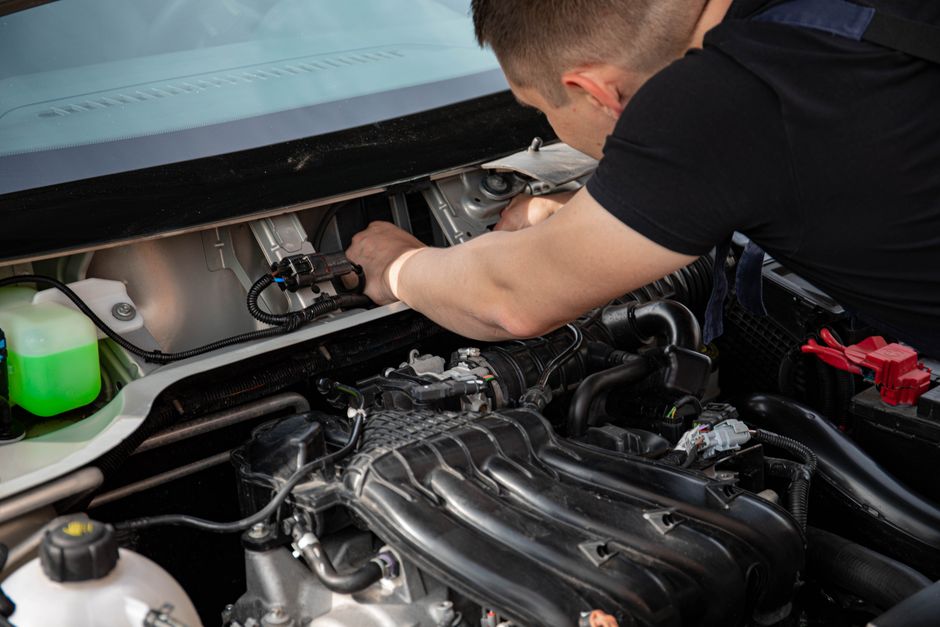
A four-bay independent in Salisbury (SA) ran Search to the homepage because “everyone knows we do oils.” Spend looked efficient on last-click because branded terms and Maps were stealing credit. Unbranded “oil change near me” traffic bounced. The mechanism was a 6.2-second mobile LCP and a form that asked for engine code. They cut the form to rego plus time window and put $119 full synthetic on the first screen. Drawn from a single site’s data (results will vary), booked oils from non-brand Search moved from a trickle to a steady 11 extra jobs across a 17-day window that included a weekend. CPC did not magically fall. The page stopped wasting the click.
A two-site operator on the Gold Coast had the opposite problem. Pages were fine. Ads promised “no appointment needed,” then the phone went to a general workshop voicemail during the 12.30pm rush. Smart Bidding learned that cheap clicks that never answered still “converted” on 10-second calls. They raised the call-duration threshold, staffed a dedicated line until 2pm, and paused ads in the 90 minutes they could not answer. Cost per occupied bay dropped even though CPC ticked up. Quality leads, not more leads, was the actual constraint.
Neither shop needed a fifth channel. Both needed the ad promise, the page, and the person who picks up to describe the same job. If you are scaling past a comfortable 3x on ad-reported ROAS while the diary is still patchy after lunch, fix the funnel before you raise budget. Realistic, durable gains in this category take a few months of signal cleanup, not a guaranteed CPL on day one.
When the booking path is this tight, organic still matters. Research suggests the majority of top-ranking pages now contain AI-assisted copy, which means thin “what is an oil change” posts do not differentiate you. Information gain does: your actual wait times, which oils you stock for common Australian models, and whether you handle European cars without a lecture. Volume of blog posts is a dead metric if none of them earn a citation or a Maps action.
Patterns we see in audits
The short quotes below are illustrative composites drawn from patterns in account reviews. They are not quotes from named clients.
“We kept celebrating a $41 cost per call until we noticed half those calls were 8 seconds and never made it onto the hoist. The day we only fed Smart Bidding 45-second calls that the desk marked as booked, PMax stopped chasing junk suburbs.” - Head of Marketing, multi-site automotive services
“CPMs on our hoist videos started climbing on day five while lead count still looked fine. We were three days late swapping creative. By then the 2pm bays were already empty.” - Founder, independent lube centre
FAQs
Should oil change companies in Australia start with Google Ads or SEO?
Start with Search and Maps if you have empty bays this month. SEO and GBP content protect you when AI Overviews steal clicks, but they will not fill Tuesday afternoon by Friday. Run both, with paid on the commercial queries and organic on the suburb-plus-service pages you can actually serve.
Is Performance Max enough on its own?
Only after you have clean “bay booked” conversions and dedicated landing pages. PMax will otherwise harvest branded demand and cheap research clicks. Keep a Search campaign you control for negatives and hour-of-day, then let PMax expand.
Why does Meta look cheaper than Search but fill fewer bays?
Oil change is a now job. Use Meta to remarket and to show proof, not as the primary hunter for “oil change today” unless your Instant Form asks for a time window and you call back in minutes.
How do we know automated bidding is not just spending more?
Judge occupied bays and labour utilisation, not in-platform CPA. If conversion quality is messy, bidding will scale the mess. Fix tracking, then give the algorithm a few weeks without daily structure changes that reset learning.
What should we do about AI Overviews cutting CTR?
Treat SERP impression and Maps actions as part of the scoreboard. Keep hours, prices, and FAQs accurate so you still get the click when Google shows a panel. Do not chase rankings on questions you cannot turn into a booked drain-and-fill.
Putting it to work
Execution sprint
This week
- Pull 30-90 days of performance for oil change australia (Search Console, ads, CRM, or call logs - whatever you have).
- Flag the top leak: wrong intent, weak page, slow response, or dirty conversion tracking.
- Ship one fix on the highest-traffic money path (page, campaign split, or response rule).
- Run the free tools below on that same URL or account and log the findings.
Free tools for this sprint
Next 30 days
- Expand the fix to the next one or two money paths only after the first one shows cleaner bookings.
- Align creative, keywords, or content with the same offer the page now states.
- Review booked outcomes weekly; cut anything that still only produces unqualified volume.
This week
-
Pull 60 days of occupied-bay counts by hour and overlay Google Ads and GBP calls.
-
Kill or negative every query that never produced a hoist job.
-
Ship one ad-matched landing page with AUD price, duration, and a three-field form.
-
Raise call conversion to a duration that matches a real booking conversation.
-
Run the Core Web Vitals and H1 checks on that page before you raise budget.
Next 30 days
-
Only after 30 quality conversions, test PMax against the Search baseline.
-
Replace Meta creative on a 5-6 day cycle instead of waiting for lead volume to collapse.
-
Reconcile last-click duplicates across Maps, branded Search, and callbacks.
-
Add one suburb-specific organic page that answers wait time and oil types you actually stock.
Start by lining up last month’s hoist diary against Search terms and call recordings, not against the in-platform ROAS screenshot. If the break is the handoff from ad copy to a slow or mismatched booking page, HeyLead can own that click-to-bay path for oil change companies in Australia so you are not restaffing creative, negatives, and tracking between busy mornings. Chat with us on WhatsApp
Free marketing audit, or reach Martin directly:
Get a free audit Connect on WhatsApp · [email protected]