

Martin
Founder, strategy and audits
Writes every audit and takes every first call. On your account from day one, running growth for SMEs since 2010.
A solar website has to do three jobs: teach a worried buyer, prove you have done this nearby and make the next step easy. We design fast sites with clear explainers, install galleries by roof type, quote forms that take a bill and tracking that links every request to its source.
For solar installers whose site is slow, generic or short on proof, and who want more assessment requests from the traffic they already have.
Context from how your customers search, compare and book.
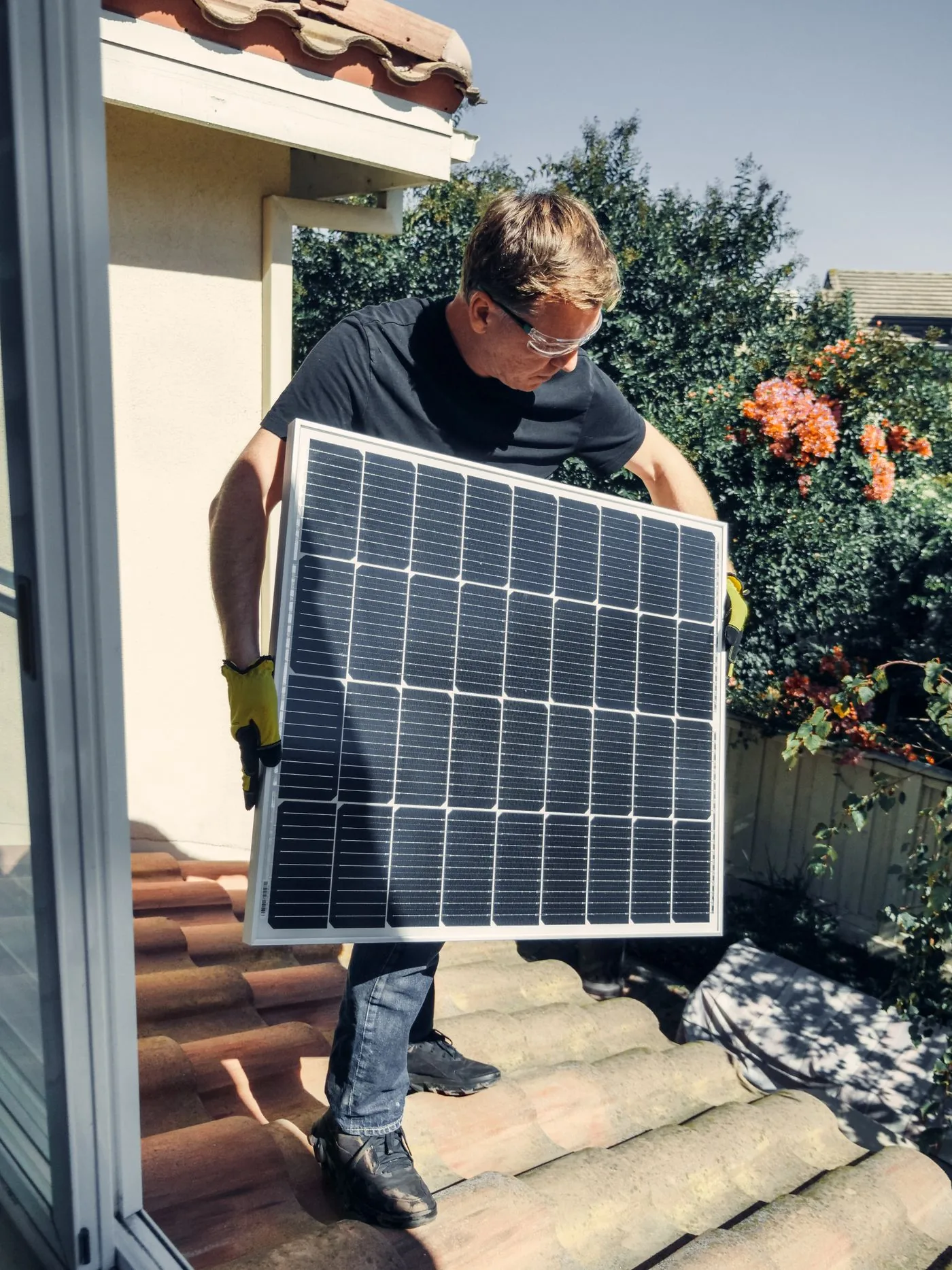
The first screen decides whether a homeowner stays. They want to know in seconds that you install solar for homes like theirs, in their area, and that asking costs nothing. A stock photo of panels under a perfect sky and a vague promise of savings does little. A real local roof and a plain next step do more.
Visitors arrive with different worries. One wonders about shade. Another about roof tiles. A third about battery readiness or what the warranty covers. Pages and short explainers that address those worries one by one keep people reading. A single long page full of every topic usually loses them.
Proof carries the page. Galleries listing system size, panel count and roof type by area, short stories from the crew, warranty summaries and reviews that mention aftercare all tell a buyer you will still be around. Where figures appear, they must be real and stated with context.
Quote requests need to be easy but informative. A good form asks about ownership, roof type, bill range and timing, offers an upload for a recent bill and confirms who will call. Too many fields lose people, and too few fill the calendar with unsuitable assessments. We test the balance.
A clear, repeatable process built around how solar customers search and decide.

We study your analytics, forms and phone calls to see where visitors drop out, and read the site as a worried homeowner would. The result is a layout covering home, commercial and battery paths, with the pages and forms each needs.

Each key page opens with a clear promise and local proof, then explains the topic, shows examples, answers worries and offers a next step. We plan sections for sizing, roofs, shade, warranty, finance, installation day and monitoring.

The form asks for ownership, roof type, bill range, timing and a phone number, and offers an upload for a recent bill or roof photo. A confirmation message names who calls and when, and an alert tells your team the moment a request arrives.

The site is built mobile-first, with compressed galleries and clean code. We test pages on real phones and several browsers, check every form and call button, and run a speed review before launch. Nothing goes live until each route delivers a message.

We install call, form and calculator tracking, link it to ads and search accounts and test each source. After launch we watch where visitors leave and change any section or form that loses them, then report the findings in a short note each month.
Pages that make it easy to understand the offer and take the next step in the UK
The mechanics behind Web Design for solar, explained plainly.
Solar galleries are heavy. We resize and compress each image, load pictures as visitors scroll and avoid autoplay video. Pages open quickly on weak mobile signals, which matters because many homeowners browse while standing in their yard.
A simple tool that suggests a system range from a bill can help, but only if wording stays general. We label results as indicative, ask for details a real assessment would need and tie the tool to a booking request, not a false promise.
Forms and uploads travel over secure connections. Bills and photos are stored only where your team can reach them and removed when no longer needed. Tracking records the source of each request without storing unnecessary personal detail.
Solar web design starts at £2,000. Scope depends on how many pages and features you need, and we agree it with you after seeing your current site.
What's included
The pages customers need to decide, laid out for phones first, with proof and a clear next step.
Forms and call buttons that work on every phone, with each request tracked to its source.
Image, speed and mobile checks before launch, and a short list of fixes afterwards.
Larger builds, such as online shops or booking systems, are scoped after discovery. Talk to us for a fit.
A website project has a clear start, a launch and then a period of learning from visitors.
We review the old site and its numbers, collect your photos, warranty terms and brand details, and agree page layouts and form fields. You see simple sketches of the home, commercial and battery paths.
Pages are written, built and tried on phones. You approve each page, tracking goes in and the team tests forms and call buttons. We launch when every route delivers a message cleanly.
We watch how visitors move, simplify forms that lose people and add new gallery entries and guides as installs finish. Traffic and market shape results, and nobody can promise lead numbers.
Our team
Martin writes every audit and takes the first call. The same team stays on the account. 160+ businesses since 2010.
Founder, strategy and audits
Writes every audit and takes every first call. On your account from day one, running growth for SMEs since 2010.

Social and app development
Shapes social strategy and builds practical app experiences that turn attention into action.

SEO
Owns technical, local and content SEO so the right buyers find you when demand is highest.

Paid media
Plans and manages paid search and social campaigns around qualified leads.

Analytics
Connects tracking, attribution and reporting so decisions are based on revenue-quality data.

Design
Creates clear brand and conversion-focused design across landing pages, campaigns and product experiences.
Certified and experienced
Verified platform knowledge, 25+ years of hands-on experience, and an operating track record since 2010.
Get a free audit and we will show you where you are losing enquiries today.
Get a Free Audit arrow_forward