
Web Design for Self-Storage

Web Design for Self-Storage Facilities in Australia

A self-storage facility's website has three jobs: state the facts a renter checks, show the unit sizes and what the rate includes, and let someone reserve a unit in under a minute. We build sites that do all three.

For independent self-storage facilities that want a website built around the unit enquiry, with rates, access hours and a reserve button on every page.

What a self-storage facility website has to do

Context from how your customers search, compare and book.

The first question every renter has is whether the facility is real and nearby. A facility facts page that states your address, access hours, security measures, insurance requirement and your association membership if you hold one answers it. It also explains, without naming anyone, why an independent facility is worth comparing with a national chain or a listings directory.

The second question is what the rate covers. A terms page that states your unit sizes, what the rate includes, the notice period, the insurance requirement and how a move-in works keeps renters on your site instead of a directory. We do not publish market averages. The page states your own rates and terms, confirmed by your office.

The third question is how to reach you. A phone number that is a tap target, a reserve button that works on the first tap and a short form that asks for the unit size, the move date and whether it is for a home or a business should be visible on every page. Business renters need their own page with how deliveries, after-hours access and invoicing work.

Imagery and claims are where sites go wrong. Any review or photo needs permission you already hold, and we never present one renter's experience as what every renter gets. Your access hours, security measures and insurance requirement are stated in your own words. If you are a Self Storage Association of Australasia member, the ad and the page say so in the association's words. We publish no Australia-only facility count, no turnover figure and no fee rate, because the association covers Australia and New Zealand together and its own pages do not agree, and rates are your own, confirmed by your office. The owner approves every page before it goes live.

Who this web design suits

groups Customer segments

  • person Owner-run facilities with a site that has not changed since the gate went up
  • person Operators adding business storage or climate-controlled units that need the site to carry each one
  • person Two-site operators that need each facility to have its own page and number
  • person Facilities moving from a template site to one built around the reservation and the renter

psychology What drives their decision

  • check_circle A reservation path that works on a phone in under a minute
  • check_circle Rates stated plainly with the facility's own unit sizes, access hours and notice period
  • check_circle A facility facts page that states your security measures and your association membership if you hold one
  • check_circle Call, form and reservation tracking built in from the first day

How we deliver Web Design

A clear, repeatable process built around how self-storage customers search and decide.

Website wireframes sketched in a notebook with mobile device in Australia. Photo by picjumbo.com on Pexels
1

Enquiry path and content plan

We map how a household, a business or an existing renter moves from a search or a drive-by to a reservation, list the pages needed for household storage, business storage, vehicle storage, climate-controlled units, terms, business renters and each site, and agree the facility facts wording with you before anything is designed.

Dual monitors showing UI design work in progress in Australia. Photo by Tranmautritam on Pexels
2

Design around the reservation

Every page keeps the phone number, reserve button and unit sizes link within reach on a phone. The design shows the units, the drive aisles and the office honestly and leaves room for the terms page to be read, not just skimmed.

Desktop and mobile screens showing a responsive website design in Australia. Photo by Designecologist on Pexels
3

Writing the pages

Unit pages explain what fits, how access works and how a move-in runs in plain words without promising availability. The terms page states your own rates and notice period. The facility facts page is written in your own words and those of any association you belong to.

Team reviewing conversion-focused page designs on laptops in Australia. Photo by fauxels on Pexels
4

Build, tracking and permission check

The site is built fast and accessible, with call, form and reservation tracking tagged by page. Images, reviews and any customer names are checked against the permissions you hold before launch.

Developer optimising site performance code on a laptop in Australia. Photo by Lukas Blazek on Pexels
5

Launch and handover

We launch with redirects from old pages, test every reservation path on a phone and hand the site over in your name with a short guide for updating rates and hours.

web

What Self-Storage Web Design includes

Pages that make it easy to understand the offer and take the next step in Australia
  • check_circle Reservation path and page plan
  • check_circle Facility facts, unit and business storage pages
  • check_circle Terms page
  • check_circle Call, form and reservation tracking
  • check_circle Permission check and handover guide
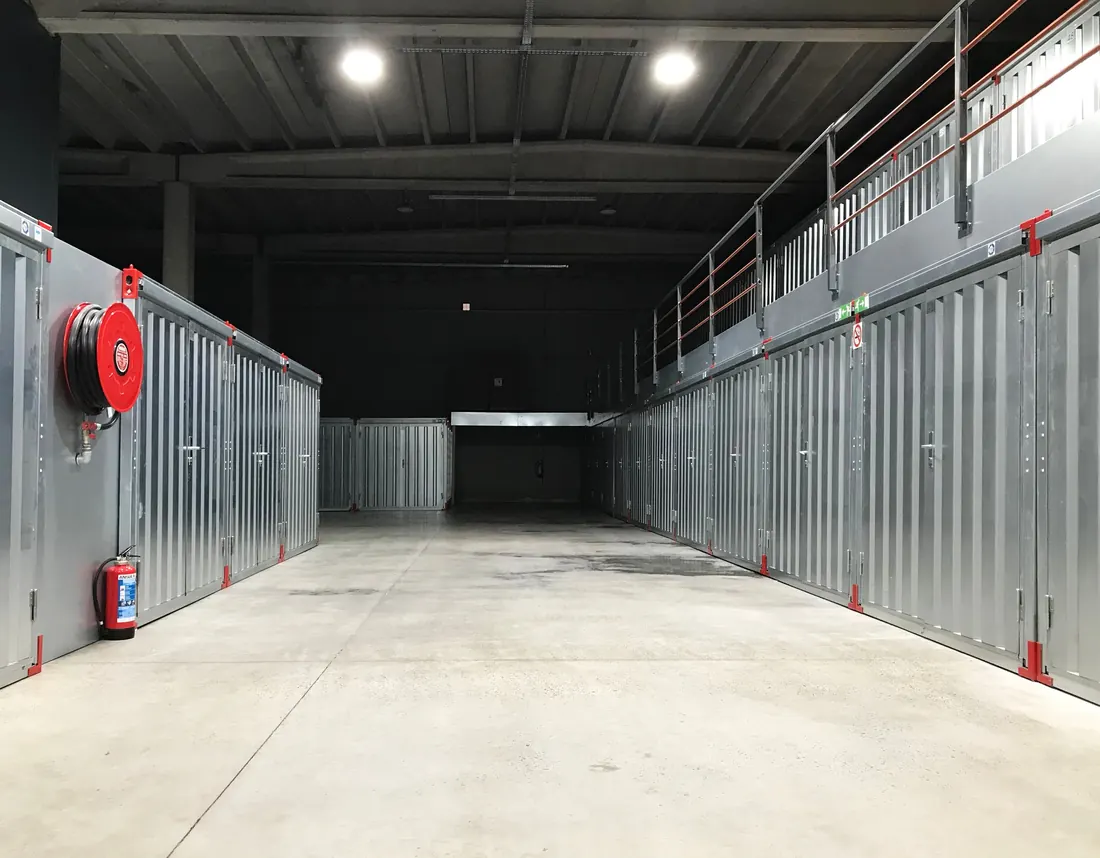
An indoor aisle of grey self-storage units with a mezzanine and railing on the right and a red fire-hose reel on the left wall in Australia. Photo by David Slaager on Pexels

What you can expect

  • verified A household, a business or an existing renter can reserve a unit on a phone in under a minute from any page
  • verified Rates are stated plainly, so fewer renters call just to ask what a unit costs
  • verified The facility facts page states your access hours, security measures and your association membership if you hold one
  • verified Household and business pages each answer their own questions and track their own enquiries
  • verified Every image, review and customer name on the site is checked against the permissions you hold
  • verified The site is yours, fast on a phone and simple to update
Learn about HeyLead Web Design arrow_forward

Deliverables you receive

inventory_2 Facility facts page with wording approved by the owner
inventory_2 Household, business, vehicle and climate-controlled unit pages
inventory_2 Terms page with your own rates, what they include, notice period and insurance requirement
inventory_2 Business storage page with how deliveries, after-hours access and invoicing work
inventory_2 Site pages with gate and office hours, the address, the direct number and a reserve button
inventory_2 Click-to-call, a reserve button and a short enquiry form with tracking

Technical approach

The mechanics behind Web Design for self-storage, explained plainly.

Website wireframes sketched in a notebook with mobile device in Australia. Photo by picjumbo.com on Pexels

Speed and phone-first layout

Compressed images, minimal scripts and a layout designed on a phone first, so the unit sizes page loads quickly in a car outside the gate and the reserve button is always a thumb away.

Dual monitors showing UI design work in progress in Australia. Photo by Tranmautritam on Pexels

Enquiry and tracking

Reserve clicks, calls and form submissions are tagged by page so you know which page produced each enquiry. Where your management software records move-ins, those results can be linked.

Desktop and mobile screens showing a responsive website design in Australia. Photo by Designecologist on Pexels

Structured data and accessibility

Structured data for a local business with the self-storage category and each site, headings and contrast that meet accessibility guidelines, captions on every video and forms that work with a screen reader.

What a Self-Storage website costs

Self-Storage web design starts at A$2,000. Scope depends on how many pages and features you need, and we agree it with you after seeing your current site.

Typical website range

From A$2,000

Quoted in AUD. Tax is extra where it applies.

Get a Free Audit

What's included

  • Key pages and layout

    Included

    The pages customers need to decide, laid out for phones first, with proof and a clear next step.

  • Forms, calls and tracking

    Included

    Forms and call buttons that work on every phone, with each request tracked to its source.

  • Speed and launch checks

    Included

    Image, speed and mobile checks before launch, and a short list of fixes afterwards.

Larger builds, such as online shops or booking systems, are scoped after discovery. Talk to us for a fit.

What to expect from a website build

A facility site built around the reservation typically takes six to ten weeks, and most of that time is writing and review, not code.

Weeks 1 to 2

Reservation path, page list and facility facts wording are agreed. We gather your rates, unit and site photos, permissions for any reviews and your access hours.

Weeks 3 to 6

Pages are written and designed, the owner reviews them for rate and access accuracy, and the build begins with tracking in place from the start.

Weeks 7 to 10

Testing on phones, permission check of images and reviews, redirects from old pages and launch. You receive the site in your name with a guide for routine updates.

Our team

The same people on the audit and on the work

Martin writes every audit and takes the first call. The same team stays on the account. 160+ businesses since 2010.

Martin, Founder, strategy and audits in Australia

Martin

Founder, strategy and audits

Writes every audit and takes every first call. On your account from day one, running growth for SMEs since 2010.

Yoana, Social and app development in Australia

Yoana

Social and app development

Shapes social strategy and builds practical app experiences that turn attention into action.

Mike, SEO in Australia

Mike

SEO

Owns technical, local and content SEO so the right buyers find you when demand is highest.

Robert, Paid media in Australia

Robert

Paid media

Plans and manages paid search and social campaigns around qualified leads.

Elmer, Analytics in Australia

Elmer

Analytics

Connects tracking, attribution and reporting so decisions are based on revenue-quality data.

Dino, Design in Australia

Dino

Design

Creates clear brand and conversion-focused design across landing pages, campaigns and product experiences.

Certified and experienced

Certified where it matters. Accountable for the outcome.

Verified platform knowledge, 25+ years of hands-on experience, and an operating track record since 2010.

Google AdsCertified
Google AnalyticsCertified
Google Tag ManagerCertified
Operating since 2010Proven experience

Frequently Asked Questions

Should the site show our rates and unit sizes? expand_more
Yes. Unit size and what the rate includes are the first questions in storage searches, and a page that states your sizes, your access hours and your notice period keeps renters from moving on to a directory. We use figures your office confirms and explain that availability is confirmed when the unit is reserved.
Can we show units and customers on the website? expand_more
Your own units, drive aisles and office, yes. A renter's belongings or a customer's name only with permission you already hold, and we never present one renter's experience as what every renter gets. We build strong pages without them, using the site, the access and the process.
How do you write the facility facts page? expand_more
With your access hours, security measures, insurance requirement and your association membership if you hold one, the unit sizes you rent and your years on the site, plus a plain explanation of what an independent facility is. The owner approves the wording before it goes live.
Do we need a reservation form on every page? expand_more
A reserve button on every page, yes, as a tap target. The form itself asks for the unit size, the move date and whether it is for a home or a business, and nothing else, so a renter can send it from a half-packed kitchen and your office can call back with the right questions.
Can the site handle business renters? expand_more
Yes. A business storage page explains what a stock or document unit needs, how deliveries and after-hours access work, how invoicing runs and how several units sit on one account. Your office can send the link after a first call, and reports show how many enquiries arrive through it.
Will the site be easy to update? expand_more
Yes. Rates, hours, unit photos and site details are editable without a developer, and we hand over a short guide. The site stays in your name on your hosting.
How long does a self-storage facility website take? expand_more
Six to ten weeks for most facilities. Writing, facts review and gathering permissions take longer than the build, so the faster you confirm rates and approve pages, the sooner it launches.

Ready to get more from Self-Storage Web Design?

Get a free audit and we will show you where you are losing enquiries today.

Get a Free Audit arrow_forward