


Martin
Founder, strategy and audits
Writes every audit and takes every first call. On your account from day one, running growth for SMEs since 2010.
A renter searches for storage units once, when the move date is set or the garage is full, and then compares the nearest two or three. SEO puts your specialised facility in front of them for unit, access and business storage searches.
For independently owned self-storage facilities that want more unit enquiries from local search, with pages built for how renters actually look.
Context from how your customers search, compare and book.
Self-storage searches fall into three groups. Households in a move search for storage units near me, for what a unit of a given size holds and for whether they can get in on a Sunday. Businesses search for stock or document storage and for how deliveries and access work. Existing renters search for a bigger unit or a second one. Each group needs its own page, and none of them should land on a directory listing that sells your enquiry on.
Facts are the most important ranking asset you have and the most checked. Your access hours, security measures and insurance requirement are stated first and in your own words. If you are a Self Storage Association of Australasia member, the site says so in the association's words. We publish no Australia-only facility count, no turnover figure and no fee rate, because the association covers Australia and New Zealand together and its own pages do not agree. Rates are your own, confirmed by your office, and we publish no market average. The pages state what you offer and nothing more.
The map decides many local searches. Renters scan the nearest facilities, their ratings, their hours and whether a unit can be reserved online. A Business Profile for each site with the right category, correct gate and office hours, a direct number and recent reviews gets the call. Reviews are asked for at sensible moments and answered without naming a renter or a unit, and we never buy, write or filter them.
Rates sit at the top of every storage search. A page that states your unit sizes, what the rate includes, the access hours, the insurance requirement and how a move-in works removes the main reason to keep comparing. We publish your own rates and terms, confirmed by your office, and explain that availability changes daily and is confirmed when the unit is reserved.
A clear, repeatable process built around how self-storage customers search and decide.

We map the household, business, vehicle and climate-controlled searches in your area to the pages you have and the pages you lack, check the facility facts page against what your office confirms and the words of any association you belong to, and test whether reservation forms and phone numbers record correctly.

The page states your access hours, security measures, insurance requirement and your association membership if you hold one, the unit sizes you rent and your years on the site. It explains the difference between an independent facility and a listings directory without naming anyone, and it says that rates are confirmed by your office and availability when a unit is reserved.

Separate pages for household storage, business storage, vehicle storage and climate-controlled units where you offer them, each with what fits, how access works and how a move-in runs. The terms page states what the rental agreement covers, the notice period and the insurance requirement, with figures your office confirms.

Each site gets a profile with the right category, correct gate and office hours, a direct number and photos of the units, drive aisles and office you have permission to show. Reviews are asked for at sensible moments and answered without naming a renter or a unit, and we never buy, write or filter them.

Calls, forms and reservations are tagged by page and search. Where your management software records move-ins and unit sizes, those are linked back. Each month we review which pages produced enquiries and what to add or fix next.
Help nearby customers find you on Google before they call a competitor in Australia
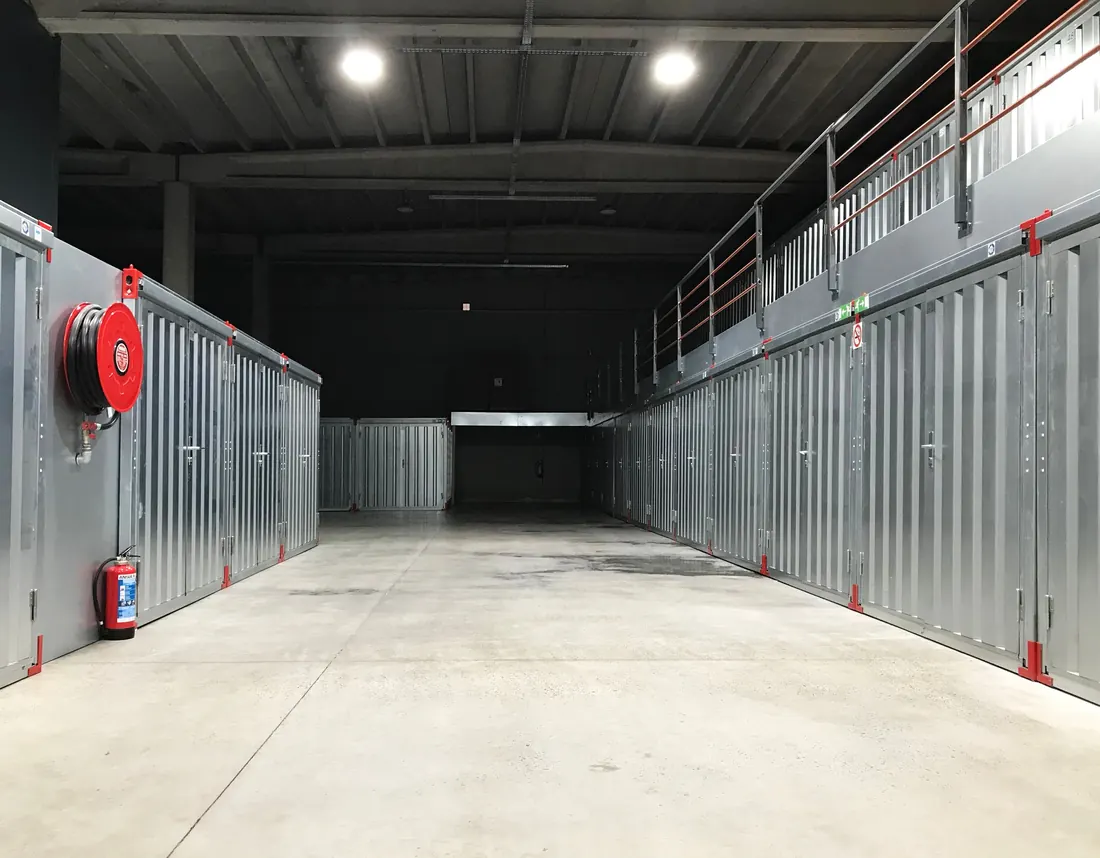
The mechanics behind SEO for self-storage, explained plainly.
The facility facts page and each site page carry structured data for a local business with the self-storage category, the areas served and the direct number. Name, address and phone details stay identical across the site, profiles and directories, which is what map results depend on.
A renter comparing facilities is often on a phone in a half-packed kitchen. We compress images, trim scripts, keep the phone number and reserve button as large tap targets and make the unit sizes page readable on a small screen.
Calls, forms and reservations are tagged by page and search. Where your management software records move-ins and unit sizes, those results are added so reports show unit enquiries rather than visits.
Month to month, no commitment. One fee covers the pages, the search and ad work and the tracking. Ad spend is separate and stays in your own accounts.
Starting at
$500 USD per month
Free to cancel with 1 month's notice. Tell us what you sell and where. We come back with what the first month would fix.
Get a Free AuditWhat $500 a month covers
Pages built around the searches your buyers actually type.
Search and ads aimed at people ready to enquire.
Calls, forms and bookings tagged to the search, ad or page behind them.
Local self-storage search builds over months. The first weeks fix what blocks a unit enquiry, and later months add depth for each unit type.
We audit pages, profiles and enquiry tracking, fix wrong hours, dead numbers and broken forms, and agree the page plan and the facility facts wording with you. Anything that stops a renter reaching your office is repaired first.
The facility facts page, terms page and priority household and business pages go live, profiles are refreshed and the review routine begins. You start to see which searches bring unit enquiries and which pages need clearer answers.
Reviews accumulate, pages mature and map visibility improves around each site. We refine against enquiry data. We cannot promise positions, because competition and local conditions shape results.
Our team
Martin writes every audit and takes the first call. The same team stays on the account. 160+ businesses since 2010.
Founder, strategy and audits
Writes every audit and takes every first call. On your account from day one, running growth for SMEs since 2010.

Social and app development
Shapes social strategy and builds practical app experiences that turn attention into action.

SEO
Owns technical, local and content SEO so the right buyers find you when demand is highest.

Paid media
Plans and manages paid search and social campaigns around qualified leads.

Analytics
Connects tracking, attribution and reporting so decisions are based on revenue-quality data.

Design
Creates clear brand and conversion-focused design across landing pages, campaigns and product experiences.
Certified and experienced
Verified platform knowledge, 25+ years of hands-on experience, and an operating track record since 2010.
Get a free audit and we will show you where you are losing enquiries today.
Get a Free Audit arrow_forward