
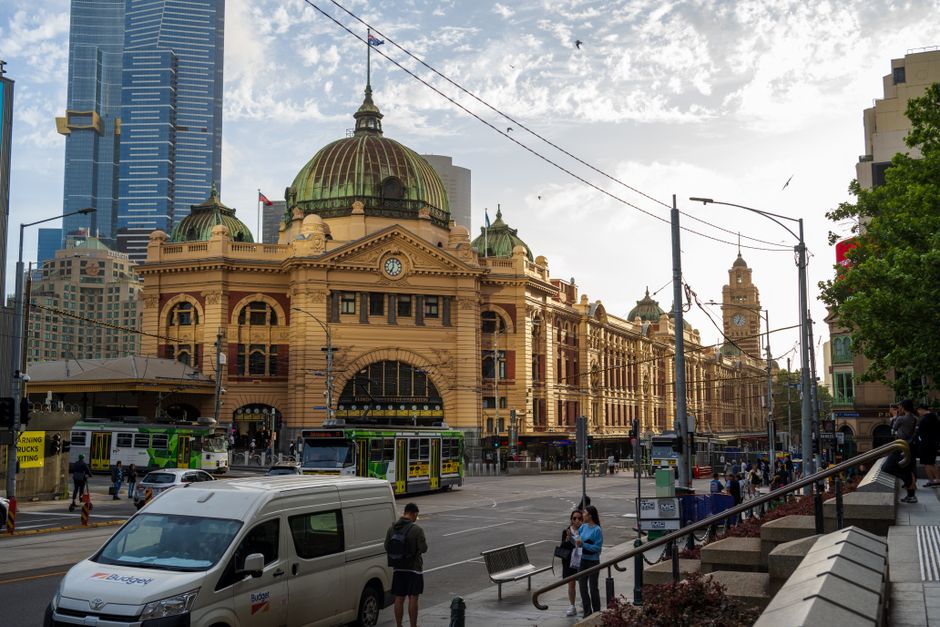
Saturday afternoon on the Gold Coast is not a browsing session. Someone is standing outside with a wet weather window, a birthday group of eight, and a phone open to Google. They type “jet boat ride Surfers Paradise today” or “indoor things to do Brisbane this weekend” and they expect a price, a time, and a way to lock it in before the next tram stop. That is the real market for PPC for attractions and activities Australia: high-intent, short-horizon demand, not brochure collectors planning a trip six months out.
If you run escape rooms, harbour cruises, axe throwing, wildlife parks, food tours, or similar experiences, paid search can fill empty slots fast. It can also burn AUD thousands a month on queries that never book. The difference sits in three places most accounts treat as afterthoughts: the intent behind the keyword, the offer the ad actually makes, and how quickly your team answers when someone converts after 7pm.
This guide walks through how Australian buyers search and decide in Things to Do, what good demand looks like in Google Ads for tourism operators, and what has to be true before you scale spend.
What book-now search looks like for Australian experiences
People looking for something to do in Sydney, Melbourne, Brisbane, Perth, or the Gold Coast rarely start with your brand. They start with a constraint. Weather. A date. A group size. A budget band. Kids in tow. A hen’s weekend. That constraint shows up in the query, and the query tells you whether they are ready to book or still collecting options.
High-intent patterns tend to include a place, a time horizon, and an activity type: “escape room Melbourne Saturday”, “whale watching Sydney tomorrow”, “kayak hire Perth afternoon”, “indoor rock climbing Brisbane kids”. Lower-intent patterns wander into listicles and free ideas: “best free things to do Adelaide”, “what to do in Canberra on a budget”, “things to do near me rainy day” with no activity preference. Both can look like volume in Google Ads. Only one of them reliably turns into a confirmed booking at a cost you can live with.
Mobile dominates this category. People search between meetings, on public transport, or standing in a shopping centre deciding the next two hours. They skim ads for price cues, start times, and whether you still have capacity. If your ad says “book online in 60 seconds” and the click lands on a homepage carousel of every experience you have ever run, you have already lost the thread. The buyer wanted one answer. You gave them a brochure rack.
Good demand in this niche is not “more form fills”. It is a booked slot at a cost that leaves margin after staff, fuel, insurance, and GST. That means your campaigns, offers, and ops have to be designed around confirmed bookings, not lead volume. When you treat PPC for attractions and activities Australia as a booking engine rather than a traffic channel, the account structure starts to look very different from a generic local services setup.
Why spend scales while the diary stays patchy
The failure mode is predictable. An operator or in-house marketer launches Search campaigns on broad activity terms, watches clicks climb, and celebrates a CPL that looks cheap on paper. Then the operations team reports that half the leads never answer the phone, a chunk wanted a free public event, and several asked for dates you do not run. Spend went up. Confirmed bookings did not keep pace.
Part of the leak is keyword intent. Campaigns pull in “things to do with kids” and “best day trips” traffic that wants inspiration, not a paid ticket. Another part is offer mismatch. The ad promotes a specific session or package; the landing page opens on brand story and a “contact us” form with no times, no price band, and no live availability. A third part is response speed. A family searching at 8:40pm for tomorrow morning will not wait until your front desk opens at 9am. By then they have booked the competitor who texted back in four minutes.
Tracking makes the problem worse when it only counts form submits or button clicks. You optimise Google Ads toward a cheap conversion that never becomes a paid hold. Smart bidding then chases more of the same. You end up with tidy dashboards and a still-empty Saturday. In HeyLead audits across 40+ Australian experience operators, we typically find 22-28% of spend hitting non-booking queries, loose negatives, and pages that do not match the ad. That waste is not a mystery. It is a design choice you can reverse.
If you are already feeling that gap between click cost and booked work, a tighter SEM / Google Ads setup built around booking economics usually pays for itself faster than adding another channel.
Get a free marketing audit - we review your search, ads, and landing pages and send back what to fix first.
Get a free audit
Structure Google Ads for tourism operators around intent clusters, not every activity name
Start by splitting demand into intent clusters, not a flat list of every product SKU. One cluster is “book today / this weekend” with location and activity. Another is “plan a group / hen / corporate” with longer lead time but higher ticket value. A third is pure research and free alternatives. You want budget concentrated on the first two. The third belongs in negatives and organic content, not in your highest CPC campaigns.
Build Search campaigns (or tightly themed ad groups) around the language people actually type. Match ad copy to the cluster: remaining slots, from-price in AUD, duration, age suitability, and a clear next step. Use phrase and exact where you need control on expensive terms; use broader match only when your negatives and conversion signals are clean enough that automated bidding will not wander into freebie territory. Performance Max can help once conversion tracking is honest, but it is a poor place to hide a messy keyword foundation. Tracking activity booking conversion rate against each cluster tells you which themes deserve budget before you scale.
Negative keywords are not a one-off tidy-up. They are ongoing hygiene. Add free, jobs, salary, DIY, “how to”, Wikipedia-style research terms, competitor brand names you will not win, and city names you do not serve. Review search terms often enough that a new school-holiday meme query does not drain a week of budget before anyone notices. When operators ask “how do you handle negative keywords?”, the honest answer is: like a living list tied to booking quality, not a set-and-forget spreadsheet from launch week.
Dayparting has to respect real capacity. If your last session boards at 4pm and phones go to voicemail after 6pm, running full bid strength at 10:30pm for “tomorrow morning” only works if someone is still answering or if the booking path is fully self-serve online. Align bid schedules with when you can actually confirm. Otherwise you pay for intent you cannot catch.

Offers and landing pages that survive the click
The offer is what makes high intent convert. “Book your escape room” is weaker than “Saturday 3pm and 5pm still open - from $38pp, lock in online”. Specificity reduces doubt. Show the time window, the price band including GST clarity where it matters, group minimums, and what happens next. If weather can cancel a harbour run, say how rebooking works. Uncertainty kills mobile conversions faster than a slightly higher price.
Send paid traffic to a dedicated landing page for that intent cluster, not the homepage. The headline should echo the ad. Proof should sit above the fold: recent review snippets, photos of the actual experience (not stock), safety or inclusion notes if relevant, and a short path to book or enquire. Forms should ask only what ops needs to confirm: date preference, party size, contact, and maybe a package choice. Every extra field is a place for a wet, impatient thumb to bail.
Call versus form is a real choice in this niche. High-ticket or same-day demand often prefers a tap-to-call button with call tracking. Planned group bookings may prefer a short form. Run both when it fits, but measure them against confirmed bookings, not against which one produces more raw leads. A three-minute call that holds eight seats beats ten forms that never pick up.
When traffic still does not convert, stop guessing about the page. On mobile booking pages, scroll maps consistently show most users drop off before reaching the form when session times appear below the fold. Move available dates and from-price into the top 20% of the page and watch abandon rate fall. HeyLead Insights is built for that kind of on-site behaviour read: scroll depth, rage clicks, and form abandon patterns that explain why a “cheap” CPC still fails to fill the diary. Fix the leak you can see before you raise budgets.
For operators who want the full channel and conversion picture tied to experiences, HeyLead’s Things to Do marketing work sits on that same loop: intent, offer, page, and response, not isolated ad clicks.
Two booking-led setups worth copying
Scenario one: an escape room operator in inner Melbourne was buying generic “things to do Melbourne” traffic at a comfortable CPL. Ops complained that leads wanted free walking tours or same-day slots already sold out. The fix was mechanical. They carved a Search campaign for “escape room + suburb/city + today/weekend” language, layered negatives for free and kids-party terms they could not serve, and built a landing page with live session times and a from-price. Enquiry handling moved to a shared inbox with a 10-minute reply target during trading hours. Cost per confirmed booking dropped even though CPC rose, because almost every click was closer to a real hold.
Scenario two: a small-group tour operator out of Sydney Harbour ran ads into a homepage that listed six products. Mobile bounce was ugly after 6pm. They split “tomorrow / today” jet and sailing intent from “corporate group” intent, gave each its own page with duration, meeting point, and a single primary CTA, and turned on call extensions only during hours a coordinator answered. After hours, the page pushed self-serve deposit booking instead of “we will call you tomorrow”. Same-week no-shows on leads fell because the path matched when the buyer was ready, not when the office preferred to work.
In both cases the mechanism was the same:
-
Kill browse-mode queries that never book
-
Match ad promise to a single-purpose page
-
Measure cost per confirmed booking, not vanity CPL
-
Align bids and CTAs with real response capacity
None of that requires a bloated account rebuild every fortnight. It requires honesty about which clicks can become paid seats this week.

Patterns we see in audits
The short quotes below are illustrative composites drawn from patterns in account reviews. They are not quotes from named clients.
From a recent Melbourne escape room audit: “We cut ‘things to do this weekend’ broad match and kept the activity-plus-day queries. CPC went up about 18%, but cost per confirmed booking fell because we stopped paying for people who wanted a free park list.”
From a recent Sydney harbour experiences client: “The break was response time. Ads were fine. Nobody owned the 7pm form. Once we rostered a late reply shift on Fridays, Saturday morning fill rate finally moved.”
Action checklist
How to run this plan for attractions and activity businesses
Use this as a working checklist for attractions and activity businesses - specific steps you can run this week, not theory.
- Export the last 30-60 days of search terms for attractions and activity businesses campaigns. Tag waste (jobs, DIY, out-of-area, tire-kickers) and load negatives the same day.
- Split campaigns by intent or job value (emergency vs planned, brand vs non-brand) instead of one catch-all ad group soup.
- Send each ad group to a matching landing page for that job type - not the homepage.
- Define the conversion as a booked job, qualified call duration, or CRM stage - not every form submit.
- Fix mobile click-to-call and page speed on the money landers before raising bids.
- Review search terms and landing conversion rate weekly; kill spend that books no shows or wrong job types.
- Add UTM standards so CRM and call tracking can name which campaign produced the booked work.
Free tools - try these yourself
If the checklist shows a leak you cannot close in-house this month, request a free marketing audit - we will prioritize SEO, ads, and landing pages around the same outcome metrics above.
Frequently asked questions
What is a sensible starting budget for Things to Do Google Ads in Australia?
In Brisbane or Melbourne, escape room or tour CPCs typically run AUD $2-$6 on exact-match activity terms. A meaningful test for one intent cluster - say 150-200 clicks - costs roughly AUD $400-$1,200 over 3-4 weeks. Scale from there once you have a confirmed booking rate to work with. A thin daily budget split across every product usually teaches you nothing.
Should we use Performance Max or standard Search first?
Get Search clean first: intent themes, negatives, conversion actions that mean a real enquiry or booking, and landing pages that match the ad. Performance Max can extend reach once those signals are trustworthy. Dropping messy tracking into PMax early just automates waste at scale.
Is a lower CPL always better?
No. A cheap lead that never answers, wanted a free event, or cannot do your minimum group size is more expensive than a pricier click that deposits the same day. Report and optimise on cost per confirmed booking (and contribution after fulfilment cost), not on form volume alone.
How fast do we need to respond to paid leads?
For same-day and next-day intent, minutes matter. If you cannot staff that, push self-serve booking on the landing page and stop promising a callback you will not make until morning. Buyers comparing two jet boat operators will not hold the diary open for you overnight.
Do we need separate campaigns for each city we operate in?
If pricing, availability, or fulfilment differs by market (Sydney versus Gold Coast, for example), separate campaigns or at least tight geo and budget control so one market cannot quietly spend the other’s week. Shared budgets across unequal markets hide where unit economics actually work.
Putting it to work
Execution sprint
This week
- Pull 30-90 days of performance for attractions and activity businesses (Search Console, ads, CRM, or call logs - whatever you have).
- Flag the top leak: wrong intent, weak page, slow response, or dirty conversion tracking.
- Ship one fix on the highest-traffic money path (page, campaign split, or response rule).
- Run the free tools below on that same URL or account and log the findings.
Free tools for this sprint
Next 30 days
- Expand the fix to the next one or two money paths only after the first one shows cleaner bookings.
- Align creative, keywords, or content with the same offer the page now states.
- Review booked outcomes weekly; cut anything that still only produces unqualified volume.
Pull the last 30-60 days of Google Ads search terms and mark each row as book-now, plan-later, or never-will-book. Pause or negative the third group, then check whether your top spend ad groups still land on a page that restates the offer, shows times or from-pricing in AUD, and can be answered while the buyer is still deciding. That single pass usually surfaces more recoverable budget than a full account redesign.
If you want someone to run that loop week to week - search terms, offer, page, response - email [email protected] and we can walk through what your current account is actually producing.
Free marketing audit, or reach Martin directly:
Get a free audit Chat with us on WhatsApp · [email protected]