
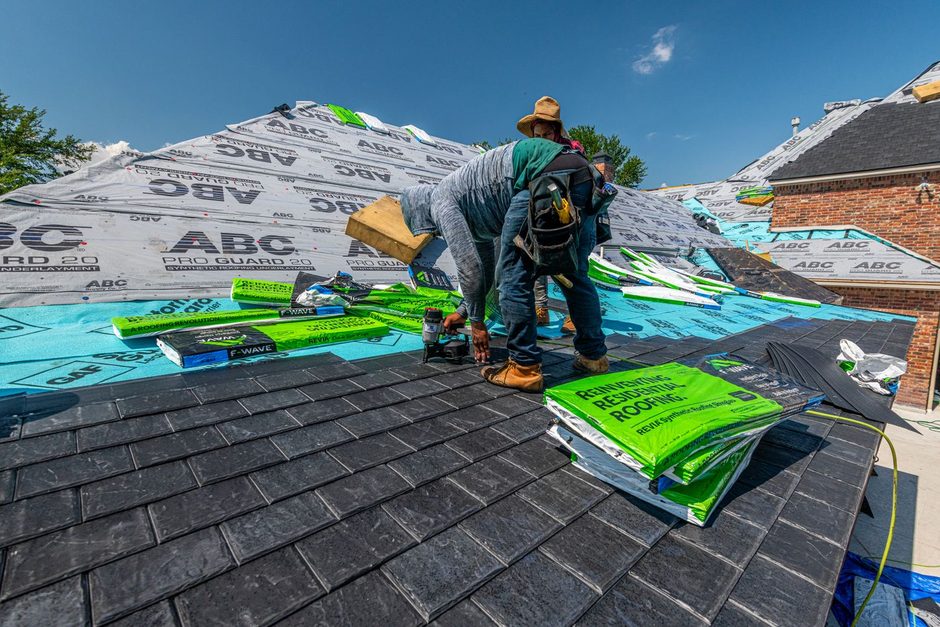
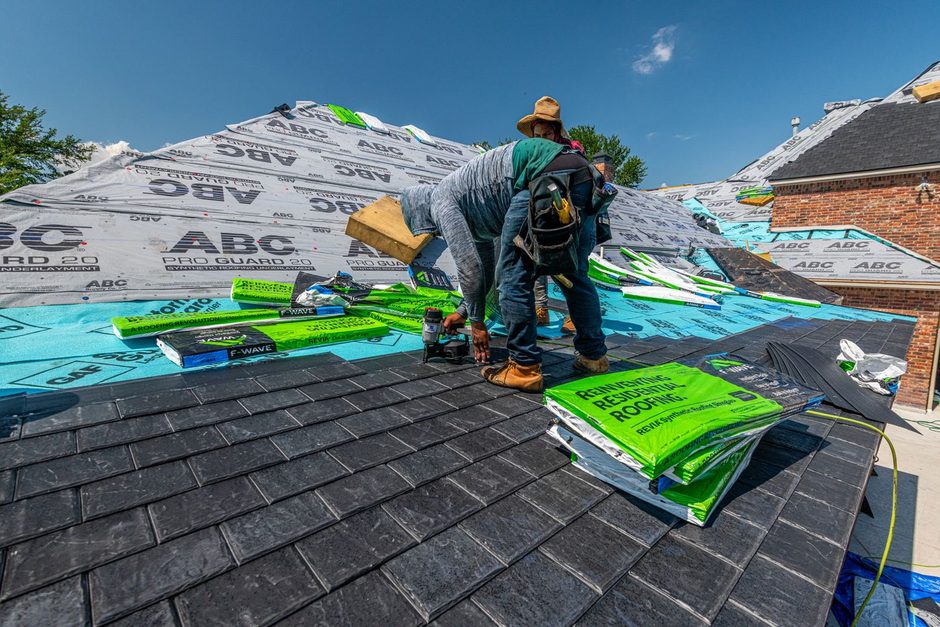
A strata manager in Parramatta texts three contractors the same morning after a wet basement wall shows salt bloom on the blockwork. The first firm that answers with a clear survey fee, a photo of similar membrane work, and a same-day slot gets the job. The other two get a polite “we’ve gone with someone else.” That is what effective search marketing looks like for a waterproofing business in practice: not brand awareness, not vanity traffic, but search that ends in a booked site visit and a crew on site.
Owners who win this loop treat Google as a job board for high-intent problems - rising damp, leaking balconies, bathroom membrane failures, tanking for basements - and they build pages, reviews, and response habits that match how Australians actually hire tradies. This piece walks through what broke for real operators, the SEO playbook that fixed it, and how search becomes pipeline without a giant in-house content team.
When “we rank for waterproofing” still leaves the diary empty
Plenty of waterproofing businesses in Sydney, Melbourne, and Brisbane sit on decent rankings for broad terms and still wonder why the phone stays quiet on dry weeks. Broad head terms pull DIY curiosity, product comparisons, and people who want a $200 “quick seal” for a structural issue. Those sessions look healthy in Analytics. They do not fill a survey calendar.
The failure mode is usually a mix of weak intent mapping and weak proof after the click. A homepage that lists “residential and commercial waterproofing” next to a contact form rarely answers the question a buyer has open on their phone: will you inspect a leaking planter box on a third-floor balcony in Bondi this week, and what does the report include? Without that clarity, organic traffic bounces while a competitor with a focused balcony page, before/after gallery, and strata-friendly invoice process wins the call.
Response speed compounds the leak. Waterproofing demand spikes after storms and long wet stretches along the east coast. If your form goes to a shared inbox checked after site work, you lose to whoever calls back in under an hour. Tracking makes the same mistake quieter: if every organic lead lands as “website” with no service type or suburb, you cannot tell which pages fund jobs and which only fund tyre-kickers.
Local and entity SEO gaps hurt next. Google wants to know you are a real waterproofing business serving named areas, with consistent NAP, service categories, and proof of work types (membranes, injection, tanking, balcony repairs). Thin city pages that swap suburb names and nothing else do not hold rankings when stronger operators publish method detail, warranty language, and review volume tied to those jobs.
If your organic program still feels like “more blog posts” without booked surveys, tighten the handoff between intent, page, and phone. A focused partner on SEO for trades can own that loop without turning your office into a publishing house.
Intent clusters that actually book waterproofing work in Australia
Search that books work clusters around problems, not product jargon. Map demand the way a foreman talks on site, then build one strong page (or tight page set) per cluster rather than fifty thin posts.
High-intent clusters that routinely convert for AU operators include:
-
Bathroom and wet-area membrane failure after reno or end of lease
-
Balcony and planter leaks affecting units below (strata pressure)
-
Basement and cellar seepage, rising damp, and tanking
-
Roof terrace and podium waterproofing for commercial and multi-res
-
Positive vs negative side membrane decisions after failed DIY
-
Insurance and defect-related investigations that need photo reports
Each cluster needs commercial language Australians use: strata, body corporate, end of lease, defect liability, builder call-back, plumber referral. Pair the problem with a clear next step - paid survey, moisture mapping, camera inspection - so the page is not a brochure.
Local modifiers matter, but not as empty location spam. “Balcony waterproofing Inner West Sydney” only works when the page shows jobs, materials, and access constraints typical of that stock (older units, shared scaffolding, noisy-work windows). Melbourne basement work and Gold Coast coastal exposure deserve different proof and different FAQs. Entity signals help: Google Business Profile categories, service lists, photos of real crews, and reviews that name the job type.
A page that explains why negative-side injection fails in Victorian bluestone basements - and what to do instead - outperforms a page that defines waterproofing for the fifth time. That specificity is what Google’s helpful-content signals reward and what a strata manager actually reads before calling. Method, failure modes, warranty boundaries, and when to call a plumber first create information gain. Pair that with technical hygiene - crawlable structure, sensible titles, schema where it fits - and you stop competing only on word count.
Reviews are part of SEO, not a side channel. Ask for reviews after successful membrane jobs and surveys that became contracts. Prompt for service type and suburb in the review request so the text reinforces the clusters you target. A wall of five-star stars with no detail underperforms a smaller set that names “leaking ensuite in a 1990s townhouse in Adelaide.”
Free tools - try these yourself
Get a free marketing audit - we review your search, ads, and landing pages and send back what to fix first.
Get a free audit

The organic playbook: pages, proof, speed, and a publishing system that lasts
Here is the operational build that turns search into booked work for waterproofing firms across Australia. Treat it as a scorecard you can run against your own site this month.
Checklist
-
Map intent to revenue jobs
List the last 40 paid jobs. Tag each by problem type, property type (house, unit, commercial), and how they found you. Build SEO priorities from jobs that paid, not from keyword volume alone. Kill or deprioritise clusters that only produce quote shoppers with no survey fee tolerance.
-
One money page per cluster
Create dedicated landing pages for balcony leaks, bathroom membranes, basements, and commercial podiums. Lead with the problem, show method steps, include 3-5 real job photos, warranty notes, service areas, and a single primary CTA for survey booking. Do not bury the offer under company history.
-
Local entity and GBP hygiene
Align website NAP, Google Business Profile, and directories. Categories and services should match waterproofing work you actually sell. Upload job photos weekly. Answer Q&A. Post short updates after storm weeks when demand rises in your metros.
-
Proof blocks that reduce call anxiety
Above the fold or immediately after the intro: licences or memberships you hold, typical survey turnaround, strata-friendly reporting, and a short process (“inspect, report, quote, schedule”). Add a FAQ on disruption, drying times, and who pays when a unit below is damaged.
-
Speed to lead as an SEO KPI
Organic leads still die in the inbox. Route form and call leads with suburb and job type. Target first response under 60 minutes during business hours. After hours, a short auto-reply with expected callback time beats silence. Measure booked surveys from organic, not form fills alone.
-
Technical basics that protect rankings
Mobile performance matters when strata managers and homeowners search from site. Aim to pass Core Web Vitals on money pages. Fix broken internal links from blog posts into service pages. Validate titles, H1s, and indexation so thin or duplicate city pages do not cannibalise each other. According to the HTTP Archive CrUX report (Q3 2024), roughly 55% of origins pass all three Core Web Vitals - slow gallery-heavy trade sites leave easy wins on the table.
-
Sustainable publishing without a newsroom
Plan a monthly cadence of method articles, failure case write-ups, and suburb-aware pieces tied to real jobs. Human edit for accuracy, safety, and local codes. When you need region- and niche-aware volume without hiring three writers, HeyLead Auto Blogger can ship that cadence under your strategy so rankings do not stall when the crew is flat out on site.
-
Closed-loop tracking for organic
UTM discipline on any boosted posts, call tracking or unique numbers on key pages if you need channel clarity, and CRM fields for job type and source. Review monthly: which pages produced paid work, not which pages ranked for ego terms. Adjust internal links toward winners.
Run these free checks while you rebuild pages
Landing-page proof and on-page behaviour decide whether a ranking becomes a booking. If scroll depth dies before the gallery, or forms abandon on mobile, fix the page before you chase more keywords. Session-level evidence beats guesswork when you argue about “the site is fine.” For deeper conversion work across home-services waterproofing funnels, see Waterproofing marketing.
Three Australian scenarios: what broke, what fixed the diary
Scenario 1 - Balcony specialist, Inner West Sydney. The owner ranked page one for “waterproofing Sydney” and still sat at 6-8 qualified surveys a month. Mechanism: the ranking page was a general homepage. Balcony leak searches landed on a wall of services. Fix: a dedicated balcony waterproofing page with strata process, access notes, and three photo sets from Marrickville and Ashfield jobs. GBP posts after wet weeks pointed to that URL. Internal links from two method articles reinforced it. Within a quarter the diary shifted toward balcony and planter work that matched crew skill, and general DIY queries stopped clogging the phone. Booked surveys from organic rose because the page matched the query, not because total traffic exploded.
Scenario 2 - Basement tanking crew, Melbourne’s inner north. Blog traffic looked strong after a burst of “what is rising damp” articles. Almost none converted. Mechanism: content answered curiosity and sent people to a generic contact form with no survey fee or scope. Fix: one basement tanking money page with inspection checklist, typical causes in Victorian brick stock, and a paid moisture assessment offer. Curiosity posts linked hard to that page and to a short “when DIY injection fails” piece written from real call-outs. They trimmed low-value posts that cannibalised the money URL. Organic became a source of assessments that quoted into multi-day jobs instead of free advice calls.
Scenario 3 - Multi-crew firm, Brisbane and Gold Coast. Rankings held, but response lagged. Forms hit a shared admin inbox. After east-coast rain, competitors booked first. Mechanism: SEO was “done” as rankings; operations treated leads like afterthoughts. Fix: job-type fields on forms, SMS alert to the on-call estimator, and a 15-minute callback target during storm weeks. They added call tracking on the three top organic pages so marketing could see which clusters paid. Same rankings, higher close rate, because search was finally treated as a sales queue, not a report tab.
Notice the pattern. None of these wins were “more backlinks only.” Each fixed the mechanism between query, page, proof, and human response. Based on operator feedback across Greater Sydney and SEQ engagements, the diary only filled when balcony pages talked strata access and showed real unit jobs, and when organic leads stopped sitting overnight in a shared inbox - same SEO, faster SMS alerts after wet weeks, and survey bookings jumped because search was finally treated like a job board. That is the work behind effective search marketing for waterproofing businesses when SEO is the primary channel.
If your rankings already look respectable but booked work does not, tighten pages and response before you buy more content volume. Soft check: walk your top three organic landing URLs on a phone the way a strata manager would, and note every friction point before the CTA.
FAQs
How long before waterproofing SEO produces booked surveys in Australia?
Expect meaningful movement on focused money pages in roughly 3-6 months if technical basics are clean and you publish proof-led content. Storm-driven demand can create earlier spikes once pages exist. Anyone promising fixed lead counts in week one is selling hope, not search.
Should we prioritise Google Business Profile or the website first?
Do both, but fix the mismatch first. A strong GBP that sends people to a weak homepage still loses. Align categories, photos, and the primary service URL, then deepen money pages. Local pack visibility and organic pages reinforce each other for tradie categories.
Do we need separate pages for every suburb?
Only when you have real proof and capacity in that area. Thin suburb clones dilute authority. Better: strong cluster pages plus genuine case studies and GBP coverage, with a few high-value suburb or region pages where you dominate work.
Where does paid search fit if SEO is the focus?
Use paid to cover gaps while organic matures, or for storm surge overflow, with landing pages that match the same intent clusters. Do not send either channel to a generic homepage. Keep measurement honest so organic gets credit for assisted journeys without double-counting vanity metrics.
We get a lot of calls after storms - how do we rank for storm-related waterproofing searches fast?
Post promptly on Google Business Profile as soon as wet weather hits your metros, linking to a pre-built storm-damage or leak-assessment landing page with survey CTA, photo proof, and service areas. Keep that page indexable year-round so you are not starting from zero when demand spikes. Top up with paid search on the same intent clusters during the surge so you capture overflow while organic catches up, and route storm leads with job-type fields and fast SMS alerts so rankings turn into booked inspections.
Putting it to work
Execution sprint
This week
- Pull 30-90 days of performance for how waterproofing companies (Search Console, ads, CRM, or call logs - whatever you have).
- Flag the top leak: wrong intent, weak page, slow response, or dirty conversion tracking.
- Ship one fix on the highest-traffic money path (page, campaign split, or response rule).
- Run the free tools below on that same URL or account and log the findings.
Free tools for this sprint
Next 30 days
- Expand the fix to the next one or two money paths only after the first one shows cleaner bookings.
- Align creative, keywords, or content with the same offer the page now states.
- Review booked outcomes weekly; cut anything that still only produces unqualified volume.
This week
-
Export the last 40 jobs and tag problem type, property type, and source.
-
Pick one underperforming cluster (balcony, bathroom, or basement) and outline a single money page with proof and a clear survey CTA.
-
Run your top organic URLs through a Core Web Vitals check and fix the worst mobile issue on the primary CTA page.
-
Turn on job-type fields on the contact form and set a same-day response rule for organic leads.
-
Request three reviews that name service type and suburb from recent completed jobs.
-
Use the missing keywords and local SEO checklist tools to spot gaps competitors already cover in your metros.
Next 30 days
-
Ship the money page and internal links from related articles.
-
Clean GBP services, photos, and primary category alignment.
-
Stand up a simple monthly content cadence (or Auto Blogger under editorial control) tied to real job types.
-
Review booked surveys by landing page, not only sessions and rankings.
-
Retire or noindex thin posts that steal clicks from the money URL.
When the bottleneck is turning Australian waterproofing search intent into booked surveys - the page, proof, local entity, and response loop - a partner like HeyLead can run that SEO program end to end so your estimators stay on site instead of wrestling publishing and technical debt. Start a conversation on Chat with us on WhatsApp.
Free marketing audit, or reach Martin directly:
Get a free audit Chat with us on WhatsApp · [email protected]