
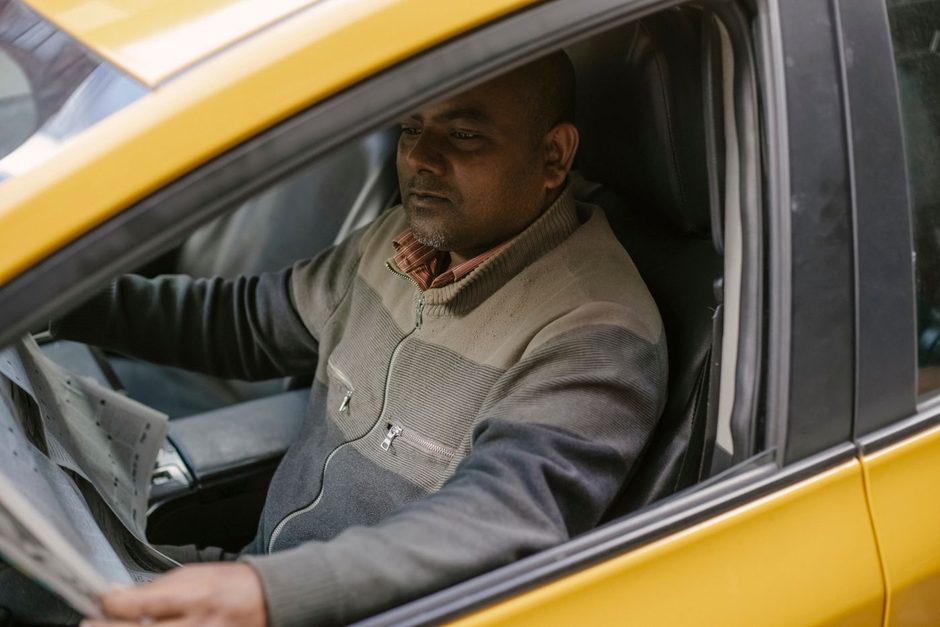
Rain hits the Gold Coast esplanade just after last drinks. Phones light up. Someone types “taxi near me now” because the rideshare app just spiked and the queue at the rank looks ugly. That search is not research. It is a booking attempt with a card already out.
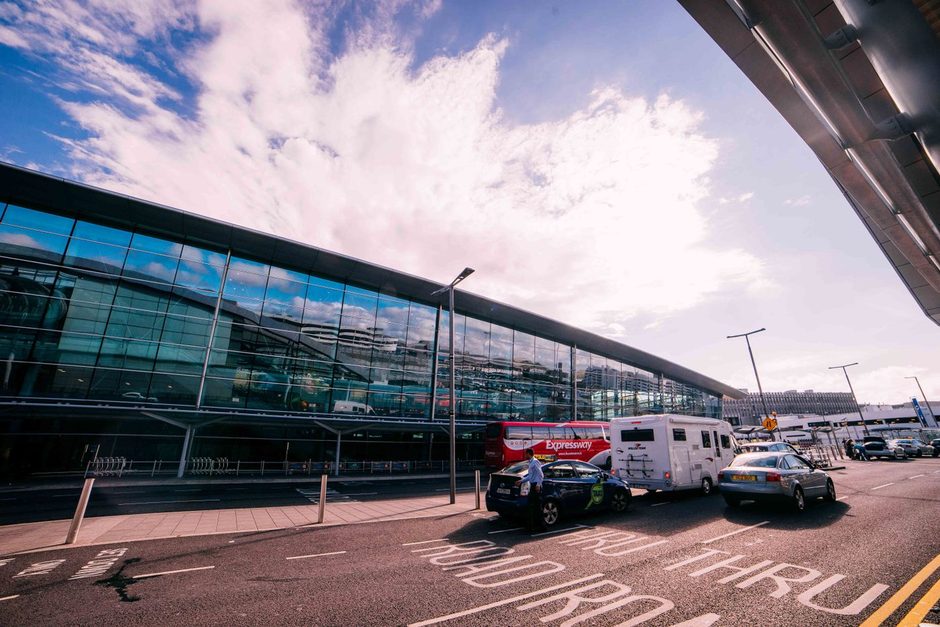
Australian taxi and hackney operators live on those moments: airport runs at 5:40 a.m., hospital transfers, late-night CBD exits in Sydney or Melbourne, school contracts that need a reliable car, not a brochure. Google Ads can put you in front of that intent. Most accounts still buy the wrong clicks, then measure the wrong thing. This how-to walks through a search setup built around booked jobs, not vanity CPL.
What “booked work” means when the phone is the product
In this niche the conversion is a dispatched job: a confirmed pickup, a fare that left the rank or the yard, a return airport transfer locked in. A form fill that sits unread for 12 minutes is not a lead. A missed call during Friday peak is money you already paid Google for.
High-intent queries cluster around urgency and place. Think “taxi to Sydney Airport”, “wheelchair taxi Brisbane”, “maxitaxi for 6 Melbourne”, “hackney cab Adelaide CBD”, “taxi rank near me open now”. Broader terms like “taxi company” or “cheap cab” pull price shoppers, app hoppers, and people comparing corporate accounts. You can bid on some of them later. You should not open the account there.
Mobile drives most of these clicks. People stand outside a venue, bags at their feet, one thumb free. Your ad has seconds. The extension that shows a call button matters more than a clever headline about “premium fleet”. If dispatch cannot answer inside a couple of rings during the hours you bid, you are training Google’s auction that your ads waste spend. Smart bidding will chase volume elsewhere or inflate cost per conversion while the cars sit idle.
Cost per booked job is the only scoreboard that survives a board meeting. Track cost per call, call duration thresholds, and jobs actually confirmed in the booking sheet or dispatch system. A $28 click that becomes a $95 airport run is fine. A $9 click that becomes a 20-second hang-up is not a bargain. Build the account so every dollar of ad spend has a path to that definition of won work.
Where PPC for taxis and hackneys Australia usually burns budget
The failure mode is familiar once you open Search terms. Budget drains into “taxi jobs”, “become a driver”, “taxi licence”, “Uber alternative”, tourist guides, and suburb names nowhere near your operating radius. Competitors’ brand terms sneak in. So do free-to-air mentions and app names people type when they only want a coupon code.
Another leak: one giant campaign with “taxi” as the spine and broad match left unsupervised. Match types loosened years ago. Without a ruthless negative list and tight location settings, you pay for interstate curiosity and people googling from a hotel in Perth when your cars only cover inner Brisbane. Radius targeting that ignores airport polygons, CBD postcodes, and no-go industrial strips creates the same mess.
Landing pages finish the damage. Ads promise “book a cab in minutes” and drop users on a homepage with fleet photos from 2014, a contact form buried under awards, and no click-to-call above the fold. Forms ask for more fields than a hospital pre-admit. On mobile, that friction kills the job before dispatch hears the address. Operators then blame Google CPC inflation when the real issue is post-click proof and speed.
Dayparting gets ignored too. You bid the same at 2 p.m. Tuesday as 1 a.m. Saturday even though rostered cars and radio staffing differ. When night desk is thin, every qualified click becomes a missed opportunity and a worse quality score story over time. If you want a partner that treats SEM / Google Ads as a booked-job system rather than a lead spreadsheet, the fix starts with structure, not a bigger daily budget.
How to structure Google Ads for Australian taxi operators
Start with geography the way a dispatcher thinks. Separate campaigns or ad groups for airport corridors, CBD night economy, suburb-to-hospital corridors, and any contract-adjacent terms you truly want. Use precise location options so you only show to people physically in your service area or searching for it with clear intent. Exclude suburbs you never accept.
Write ad groups as intent clusters, not vehicle vanity. One cluster for immediate pickup language. One for airport and long-haul. One for accessible or larger vehicles if you actually run them. One for pre-booked corporate or event language if you staff that channel. Mirror the query in the headline. Put the suburb or airport name in the description when it is real. Sit call extensions, location extensions, and sitelinks that go to a booking or fleet proof page, not a blog.
Negatives are ongoing ops, not a launch checklist. Seed lists for employment, licensing, DIY, other cities, rideshare promo language, and “free”. Review search terms at least weekly in the first month, then on a steady cadence. Add phrase and exact negatives as patterns appear. Expect 20-30% of unmanaged SEM spend industry-wide to leak into junk queries and mismatched pages; taxi accounts are no exception when someone leaves broad match alone overnight.
Bidding should respect capacity. Use ad schedules that match rostered cars and phone coverage. Raise bids when you have free cars and experienced radio staff. Pull back when the board is full or only a junior is on the line. Call-only or call-forward campaigns make sense for pure urgency traffic; keep a parallel search path for pre-book airport work where a short form plus instant call-back works better. Conversion tracking must fire on qualified calls (duration threshold that filters pocket dials) and on confirmed form submits, then reconciled to jobs in your own sheet. Without that loop, automated bidding optimises for noise.
GST-inclusive pricing in Australia means your true job value already has tax baked into how you think about margin. That average is a cross-industry reference, not a taxi desk promise. Your unit economics decide the bid ceiling.
Get a free marketing audit - we review your search, ads, and landing pages and send back what to fix first.
Get a free audit
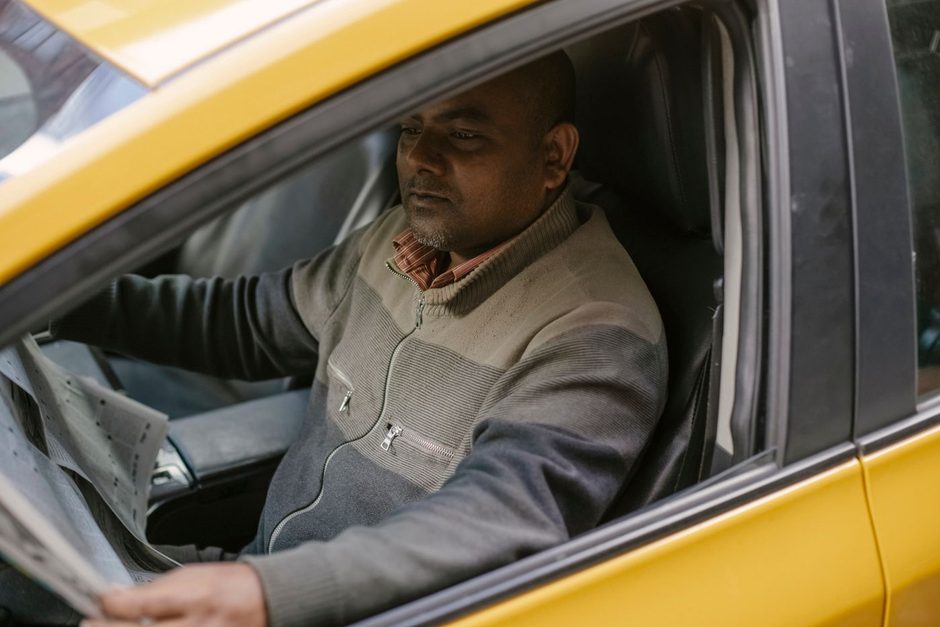
Call tracking and landing pages that turn taxi ad clicks into booked jobs
Match the ad promise on the first screen. If the query was “taxi to Melbourne Airport”, the page hero should say that, show typical pickup windows, list suburbs or hotels you cover, and put click-to-call in the thumb zone. Add plain-language proof: wheelchair-capable vehicles if claimed, child seats, maxi capacity, ABN or company trading name, and recent passenger comments that sound local, not stock.
Keep forms short for pre-book: pickup suburb, drop-off, time, phone. Offer “call us now” as the primary path for immediate jobs. Page speed on mobile is non-negotiable when someone is already late. If the page crawls, they bounce to the next ad. When traffic still fails after the click, watch real sessions. HeyLead Insights style behaviour data (recordings, heatmaps, scroll and form abandon) shows whether people stall on insurance waffle, miss the call button, or drop at a mandatory field you do not need for dispatch.
Response speed is part of the media plan. Route Google ads calls to a line that is answered, logged, and tagged by campaign. Script the first 15 seconds: confirm suburb, passenger count, payment, ETA. If marketing owns the PPC login and operations owns the phones with no shared scoreboard, you will keep buying leads operations cannot catch. Soft checkpoint: if your fleet pages still read like a brochure, tighten them under a dedicated Taxis and Hackneys marketing brief before you scale spend.
Test one change at a time: call button colour and placement, airport-specific proof block, removing a form field, adding “cars available in your area tonight” only when it is true. Fake urgency destroys trust faster than a high CPC.
Two Australian desk scenarios you can copy in structure
Scenario one: a multi-car operator covering inner Brisbane and the airport run. They split Search into three campaigns: Immediate Pickup (call-forward, tight radius, evening and weekend bid modifiers), Airport Pre-book (search plus a short form landing page), and Accessible/Maxi (exact and phrase terms only). In week one they added negatives for “driver job”, “taxi camera”, and outer suburbs they refuse. Dispatch agreed a two-ring standard on the ads line between 6 p.m. and 2 a.m. Within a fortnight, wasted spend on irrelevant search terms dropped hard, and cost per confirmed airport pre-book settled in a range the owner could defend against fuel and levy costs. The mechanism was not a magic bid strategy. It was fewer junk queries and a phone path that matched the ad.
Scenario two: a smaller hackney-style service in Adelaide focused on hospital and older-passenger work. They stopped sending all ads to the homepage. New landing page led with quiet vehicles, help with bags, and a large call button. They dayparted down during school pickup when cars were already full on contract work, and up mid-morning for clinic appointments. Call tracking used a 45-second threshold before counting a conversion. Form spam fell because the page asked only for name, mobile, suburb, and preferred time. Booked jobs from paid search rose even though raw lead count looked “worse” on the old vanity metric. That is the trade you want.
-
Export the last 30 days of search terms and mark anything that never became a job.
-
Map each surviving theme to one landing message and one phone handling rule.
-
Set ad schedules from the roster, not from a default 24/7 checkbox.
-
Define conversion as qualified call or confirmed book, then feed that back into bidding.
-
Review weekly: negatives, locations, and which hours actually produced cars moving.
Patterns we see across AU taxi accounts
The notes below are composite examples drawn from patterns across Australian taxi and hackney Google Ads accounts. They are not named client endorsements.
“We cut three broad-match ad groups that looked cheap on CPC. Cost per booked airport job fell about 22% once the ads only ran when two cars were free on the board.” - Typical observation from an owner-operator running a south-east Queensland taxi fleet
“The breakthrough was counting 40-second calls as the conversion and ignoring the rest. Smart bidding stopped chasing pocket dials from outside our radius.” - Typical observation from a marketing lead on an urban hackney service in Victoria
Free tools
DIY free tools for this playbook
Run these on the pages and campaigns this article covers, then fix what they flag before you scale spend or content volume.
Run these on this playbook
If the checklist shows a leak you cannot close in-house, request a free marketing audit.
Frequently asked questions
Should we use Performance Max for taxi bookings in Australia?
Use Search first for high-intent taxi and airport queries. Performance Max can support later if conversion tracking is clean and you can feed strong offline job values. Launching PMax on a messy homepage usually recycles the same wasted query problem inside a black box.
Call-only ads or landing pages?
Immediate “need a cab now” intent favours call extensions and call-only where your desk is staffed. Pre-book airport and event work often needs a fast mobile page with proof plus call. Many AU operators run both with separate budgets and schedules.
How tight should location targeting be?
As tight as your real acceptance radius. Include airport and CBD polygons you serve. Exclude areas you routinely refuse. Presence-based targeting beats interest-based expansion for this category.
What is a sensible starting budget?
In Sydney and Melbourne CBD corridors, competitive airport terms can run $8-$18 CPC; at minimum test with $400-$600/week so you gather 30-50 clicks in peak hours before adjusting bids. Smaller markets like Adelaide or Hobart night economy can yield learning at $200-$300/week. Tie the figure to the click volume you need for statistical confidence, then scale only after cost per booked job is stable-not after impressions look healthy.
Do we need separate campaigns for each city?
If you operate multi-city or multi-depot, yes: separate budgets, numbers, and landing proof per market (Sydney versus Perth behave differently on airports and night economy). Single campaigns with mixed geos hide which depot is actually profitable.
Putting it to work
Pull the last 14 days of Google Ads search terms beside your dispatch log and highlight every paid query that never became a confirmed job; freeze or negative those themes, then align ad schedules to the hours your phones and cars are truly ready before you raise bids.
If you want that loop owned end to end for Australian taxi and hackney search (intent clusters, negatives, call-qualified tracking, and pages that match the ad), HeyLead can run the ongoing SEM work so you stay focused on cars and crews. Reach Martin on [email protected].
Free marketing audit, or reach Martin directly:
Get a free audit Chat with us on WhatsApp · [email protected]