
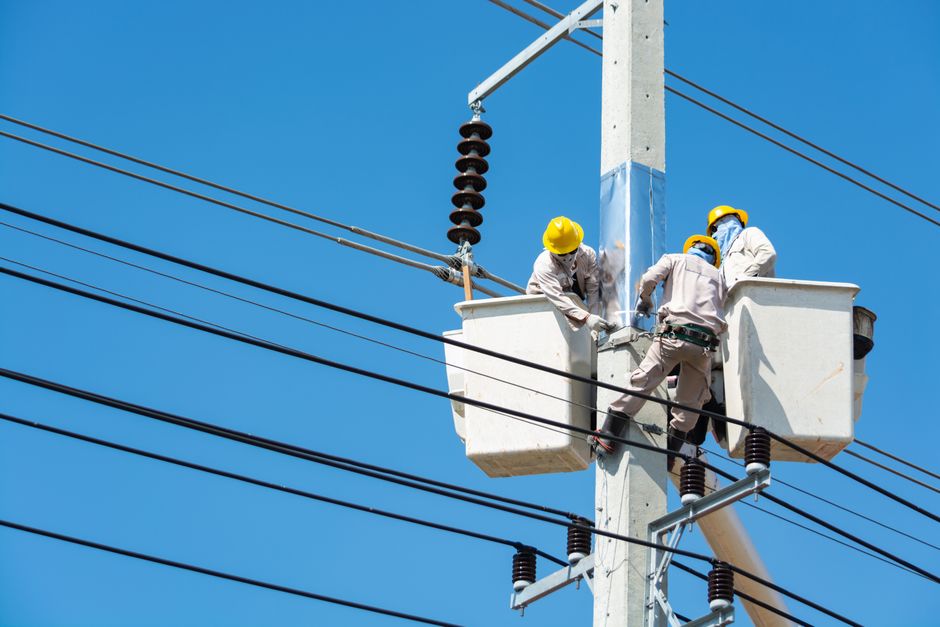
At 9.40pm a Punggol condo unit loses power to half the sockets. The owner does not open a browser tab for “best electrician near me” and read three blogs. They type something closer to “emergency electrician Singapore tonight” or “power trip HDB”, then tap Call or WhatsApp before the torch app dies. That is the real auction electrical companies in Singapore are buying into with Google Ads: urgent, local, and unforgiving on speed.
If you own or run marketing for an electrical firm here, the question is rarely “does paid search work?” High-intent queries still convert. The harder question is what a usable lead should cost in SGD, what quality actually looks like once a van is booked, and where accounts quietly bleed money before anyone notices. This piece is a benchmarks-and-ranges guide for ppc for electrical singapore: directional cost bands, quality filters, and the operational choices that separate booked jobs from expensive form spam.
You will not get fake industry studies with tidy percentages. You will get ranges operators can sanity-check against their own job value, crew capacity, and response speed across Central, East, West, North, and North-East jobs.
This article does not feature the Singapore North-East, but electrical firms that take jobs there can still use the Google Ads cost and quality guidance in this guide with local notes. Target location: Singapore North-East. The Singapore North-East home services page sets out market notes for service businesses across the north-eastern towns, covering how households search for electricians and what they expect before booking. Use it to shape your north-east campaigns and landing pages.
What Singapore electrical buyers search when something fails
Electrical demand in Singapore splits into two very different mindsets. One is panic: no power, burning smell, tripped main, water near a socket, landlord or MCST demanding same-day attendance. The other is planned work: DB box upgrade, lighting for a renovation, EV charger prep in a landed home, certified work before a handover. Both can be profitable. They do not share the same CPC, close rate, or response expectation.
Panic searches skew mobile, after office hours, and short. People want a licensed contractor who answers, can reach an HDB or condo lobby quickly, and can quote without a long discovery call. Planned work searches are longer, often compare two or three sites, and care more about proof: BCA or EMA-relevant licensing cues, insurance, before-and-after photos, clear pricing bands, and whether you handle their property type. If your ads treat both as one campaign with one landing page and one “get a quote” form, your average CPL will look acceptable while your booked-job rate drifts down.
Local language matters in the ad and on the page. Buyers say aircon isolator, power trip, water heater, lighting point, consumer unit, HDB, condo, landed. They message on WhatsApp. Many prefer PayNow for deposits once they trust you. If your ad copy sounds like a generic US home-services template, you pay Singapore CPCs for mismatched intent. Match the query cluster in the headline, name the property types you actually serve, and send traffic to a page that proves you do that job in that context, not to a homepage carousel of every service you have ever offered.
One more Singapore-specific wrinkle: multi-unit and managed properties. A resident may click. The person who approves the job may be a managing agent, landlord, or MCST. Your lead form that only captures “name and unit number” without job type, access constraints, or decision-maker context creates callbacks your team cannot close. High-intent paid search still works. Incomplete capture is what makes the channel feel “expensive.”
When a healthy-looking CPL hides a weak cost per booked job
Most electrical accounts in Singapore do not fail because nobody clicks. They fail because the dashboard optimises for the wrong finish line. A lead at S$45 can be a win or a loss depending on whether it becomes a paid site visit and a job. Vanity CPL is easy to hit with broad match, weak negatives, and Instant Forms that ask three soft questions. Cost per booked job is harder, and it is the number your P&L actually feels.
Common failure mode: campaigns harvest “electrician course,” “salary,” DIY fault-finding, supplier wholesale, and out-of-area curiosity while brand-looking terms and true emergency strings fight for budget. Another: ads run 24/7 while the phone goes to voicemail after 7pm and WhatsApp sits unread until morning. The auction still charged you. The buyer already hired the firm that replied in four minutes. You did not have a creative problem. You had a capacity and dayparting problem dressed up as “leads are low quality.”
Landing pages make this worse when they are slow, vague on licensing and response windows, or stuffed with every service from data cabling to full rewires. Mobile is where most emergency clicks arrive. If the first screen does not show what you fix, where you cover, how fast you respond, and a tap-to-call or WhatsApp path, people bounce and Google still bills the click. Session recordings often show the same pattern: scroll past a hero image, hunt for price or availability, abandon the long form. Tools like HeyLead Insights help you see that friction in behaviour, not in a monthly PDF of impressions.
Tracking gaps finish the story. If calls are not recorded as conversions, if WhatsApp enquiries never hit the account, and if “form fill” is the only success event, Smart Bidding will chase forms. You will get more of what you measure. Measure booked jobs and qualified calls, or the algorithm will optimise you into a cheaper class of enquiry you cannot staff profitably.
If you want a sharper read on whether your structure is set up for jobs rather than raw enquiries, a focused review of SEM / Google Ads setup against real electrical unit economics is usually more useful than another creative refresh alone.
Directional Google Ads cost and quality ranges for electrical in Singapore
Treat every figure below as directional, not a promise. Your mix of emergency vs planned work, brand strength, landing-page conversion rate, and how fast humans answer will move you inside or outside these bands. GST at 9% sits on your fees and often on job invoices; keep media math in the same currency your ops team uses when they price a call-out.
On cost, many Singapore electrical Search accounts see CPCs for non-brand, high-intent service terms land roughly in the mid single digits to low teens in SGD when competition is real, with brand and long-tail diagnostic phrases cheaper and ultra-competitive emergency strings dearer in peak hours. Monthly media for a serious local presence is often tested from a few thousand SGD upward; thinner budgets struggle because learning, negatives, and geographic waste eat the first weeks. Agency or specialist management fees in the wider market commonly sit as a retainer or a percentage of spend; what matters is whether someone is actively mining search terms and protecting booked-job economics, not whether the fee looks low on paper.
On lead economics, a “cheap” CPL in the lower tens of SGD often correlates with soft intent if quality controls are loose. Firmer enquiry costs in the higher tens to low hundreds of SGD can still be healthy when close rates and average job value support them. The metric to pin on the wall is cost per booked job: media plus a fair share of management, divided only by jobs that entered the calendar with a clear scope. If your average ticket on a lighting or point installation is modest, you need tighter geo and query control. If emergency call-outs and larger rewires carry stronger margins, you can tolerate a higher qualified CPL as long as no-shows and tyre-kickers stay out of the queue.
Quality ranges are operational, not vanity scores. Useful benchmarks teams actually run against:
-
First human response on WhatsApp or phone for paid emergency enquiries: target under 5-10 minutes during staffed hours; next-morning replies lose a large share of auction winners.
-
Lead-to-site-visit or lead-to-booked-job rate on properly qualified enquiries: healthy accounts often live in a band where roughly one in three to one in two serious enquiries become real work once junk is filtered; if you are far below that, fix qualification and speed before raising budgets.
-
Search term waste: it is common to see 20-30% of spend leak to irrelevant queries until negatives and intent clusters are maintained weekly.
-
Call vs form: emergency clusters should skew heavily to calls or WhatsApp; planned renovation work can support forms if the form asks job type, property type, and timing.
-
Page experience: only a bit over half of origins pass all three Core Web Vitals in recent global CrUX cuts; a heavy, slow electrical brochure site on mobile will tax both Quality Score and patience.
Read the numbers as a system. Rising CPC with flat conversion rate means you are paying more for the same page and offer. Stable CPC with falling booking rate means response, proof, or sales handling slipped. Falling CPL with rising complaint volume from the field means your filters opened up. Google’s broader ROAS averages across industries sit around the low-single-digit multiples in recent benchmark sets; home services should translate that thinking into margin after labour, materials, and no-show risk, not a screenshot of platform ROAS alone.
Get a free marketing audit - we review your search, ads, and landing pages and send back what to fix first.
Get a free audit

A practical quality playbook: queries, creatives, dayparts, and the page after the click
Start with intent clusters, not one giant “electrical” campaign. Separate emergency and fault work from planned installations and upgrades. Give each cluster its own ad group themes, negatives, and landing sections. Emergency copy leads with speed, licensing cues, and call or WhatsApp. Planned work leads with scope clarity, photos from HDB or condo jobs, and a short path to a site assessment. Shared budgets without this split let the cheaper curiosity clicks starve the expensive-but-valuable fault queries.
Negatives are not a one-time import. Build lists for careers, DIY, theory, wholesale, unrelated trades, and locations you will not cover. Add query mining as a standing habit whenever spend is live. Broad and smart matching can work when conversion signals are clean; they punish accounts that only optimise for form volume. If automated bidding starts chasing junk, the fix is usually better conversion definitions and tighter landing-page relevance, not endless bid micro-tweaks that reset learning every other day.
Dayparting should mirror crew reality. If nobody can accept a Woodlands or Tampines job after 8pm, do not pay peak CPC for clicks you will return at 9am. Staff a realistic window, route missed calls to a monitored WhatsApp business line, and pause or throttle geo-ad combinations your vans cannot reach profitably in traffic. Capacity is a media lever. Ignoring it is how “good leads” turn into one-star stories about no reply.
On the page, match the promise in the ad within the first screen: service, area, response expectation, proof. Show real job photos, clear CTAs, and a short form only when a form is the right channel. Prefer click-to-call for faults. State how quoting works and whether emergency surcharges apply so you do not train buyers to ghost after the first price shock. When traffic still fails to convert, watch behaviour: rage taps on non-clickable phone numbers, forms abandoned at the address field, users bouncing when GST-inclusive pricing is unclear. That is conversion work, not “more budget.” Dedicated Electrical marketing pages beat dumping every paid click on a generic home-services homepage.
Finally, define conversions the ops team respects. Qualified call of minimum duration, WhatsApp enquiry with job type, booked assessment. Feed those events consistently. Without them, every efficiency story in the UI is fiction.
Two Singapore scenarios where the same spend books very different work
Scenario one: a small East-side team running one Search campaign for “electrician Singapore” into the homepage. CPC looked tolerable for two weeks. Search terms filled with course enquiries, supplier research, and islandwide DIY. Forms arrived at S$38 average. Dispatch found that fewer than one in five could be turned into a visit; several were outside their practical radius once ERP and peak traffic were considered. They split emergency vs installation themes, added aggressive employment and DIY negatives, limited postcodes they could reach in under 45 minutes, and moved fault ads to call-only extensions during staffed hours. CPL rose to the mid-S$70s. Booked jobs per week climbed because the queue shrank to people who wanted a sparky on site, not a PDF syllabus. The mechanism was not a new offer. It was refusing to buy the wrong auction inventory.
Scenario two: a West and North coverage firm with decent creatives but a long mobile form and unmonitored WhatsApp. Evening clicks for power-trip queries converted to forms at a healthy rate on paper. Technicians reported buyers saying “I already booked someone else.” They cut the form to job type, property type (HDB, condo, landed), and preferred contact, put WhatsApp first on emergency pages, and staffed replies inside 10 minutes until 9pm with a simple rota. They also added proof blocks: recent DB replacement photos, response-time language, and PayNow deposit instructions after verbal confirmation. Paid lead volume dipped slightly. Calendar density improved. Cost per booked job fell even though platform CPL looked “worse” for a fortnight. The broken piece was response latency after the click, not keyword choice.
Both stories share a pattern you can audit in a week: map top spend queries to job type, map lead timestamps to first human reply, and map each lead to booked or lost with a one-line reason. The spreadsheet is ugly. It is more honest than a blended CPL tile.
Patterns we see in audits
The short quotes below are illustrative composites drawn from patterns in account reviews. They are not quotes from named clients.
“We celebrated a S$41 CPL for three weeks until we tagged outcomes. Half were course or DIY clicks we should have negatived on day two.” - Founder, electrical contractor (Singapore)
“The fix was not another landing-page colour test. It was turning off emergency ads when no one could answer WhatsApp after 8pm.” - Operations lead, home services electrical team
Action checklist
Free tools
DIY free tools for this playbook
Run these on the pages and campaigns this article covers, then fix what they flag before you scale spend or content volume.
Run these on this playbook
If the checklist shows a leak you cannot close in-house, request a free marketing audit.
Frequently asked questions
What is a reasonable Google Ads budget to test electrical leads in Singapore?
Enough to exit pure noise: typically a few thousand SGD over several weeks with tight geos and clear conversion tracking, not a token daily budget spread islandwide. If you cannot staff responses during the hours you advertise, keep the test small or shorten dayparts first. Budget does not fix an unmanned phone.
Should we prioritise calls, WhatsApp, or forms for ppc for electrical singapore?
Fault and emergency intent should prioritise call and WhatsApp. Planned installations can use short forms if they capture property type, job scope, and timing. Measure each as a distinct conversion. Blending them into one “lead” event hides which path actually books vans.
Why did CPL drop while the team says lead quality got worse?
Usually broader match types, weaker negatives, Instant Forms with soft questions, or bidding on informational queries. Cheaper enquiries often mean you opened the funnel to people who never intended to hire. Re-centre reporting on cost per booked job and qualified contact rate.
How tight should location targeting be?
Tight enough that a crew can arrive at a profitable speed. Many teams perform better with focused radius or postal clusters they know well (for example stronger presence in Tampines and the East, or West and North corridors they already serve) than with “all Singapore” plus hope. Expand only when response times and close rates hold.
Do we need a separate landing page for every service?
You need message match, not fifty thin URLs. At minimum, separate emergency or fault paths from planned installation paths, with proof and CTAs that fit each. If heatmaps show users hunting for pricing, licensing, or WhatsApp below a vague hero, fix that page before splitting endlessly by keyword.
Putting it to work
Pull the last 30-60 days of Google Ads search terms, lead timestamps, and job-booked outcomes for your electrical campaigns. Tag each converting query as emergency, planned, junk, or unclear, then calculate cost per booked job by cluster rather than one blended CPL. Use that single sheet to decide which ad groups deserve budget, which negatives to add this week, and which hours you should stop buying clicks you cannot answer.
When you want a partner to own the ongoing query hygiene, call and WhatsApp conversion design, and landing-page proof work that keep Singapore electrical Google Ads tied to booked jobs rather than vanity CPL, HeyLead can run that SEM programme end to end. Reach out on Chat with us on WhatsApp.
Free marketing audit, or reach Martin directly:
Get a free audit Chat with us on WhatsApp · [email protected]