
Martin
Founder, strategy and audits
Writes every audit and takes every first call. On your account from day one, running growth for SMEs since 2010.
A tailor's website has to prove skill and make booking simple. Visitors want to know whether you do their exact job, how long it takes, roughly what it costs and how to book a fitting. We design clear, fast pages with close photos of real work and a booking path that works on a phone.
For tailors and alteration shops with a thin site, a booking process that relies on phone tag or photos that do not show craft.
Context from how your customers search, compare and book.
Visitors arrive with a garment and a date. They want to see in a few seconds whether you handle their job, so a clear list of services near the top, from hems and zippers to bridal and made-to-measure, does more than a paragraph about the company's history.
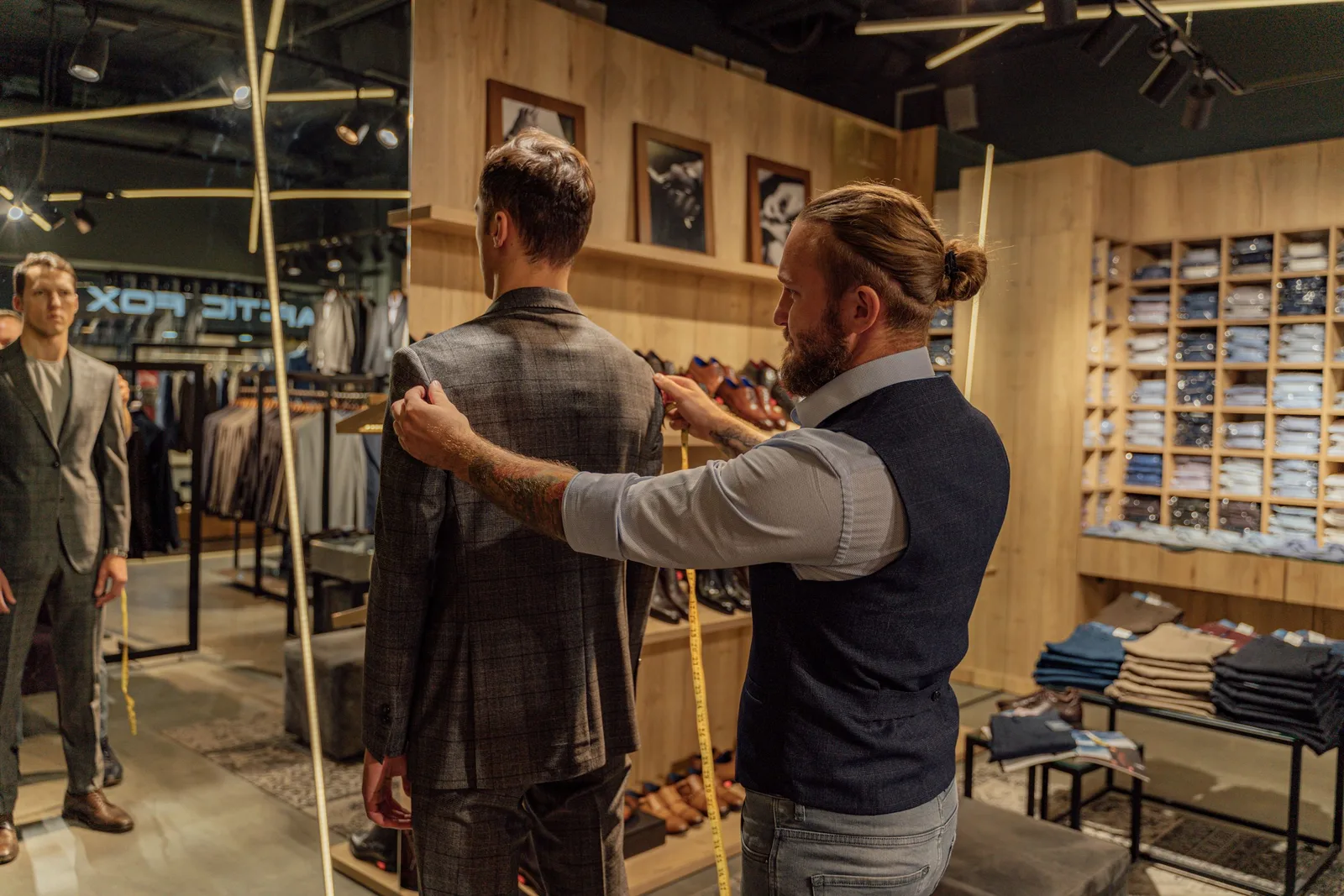
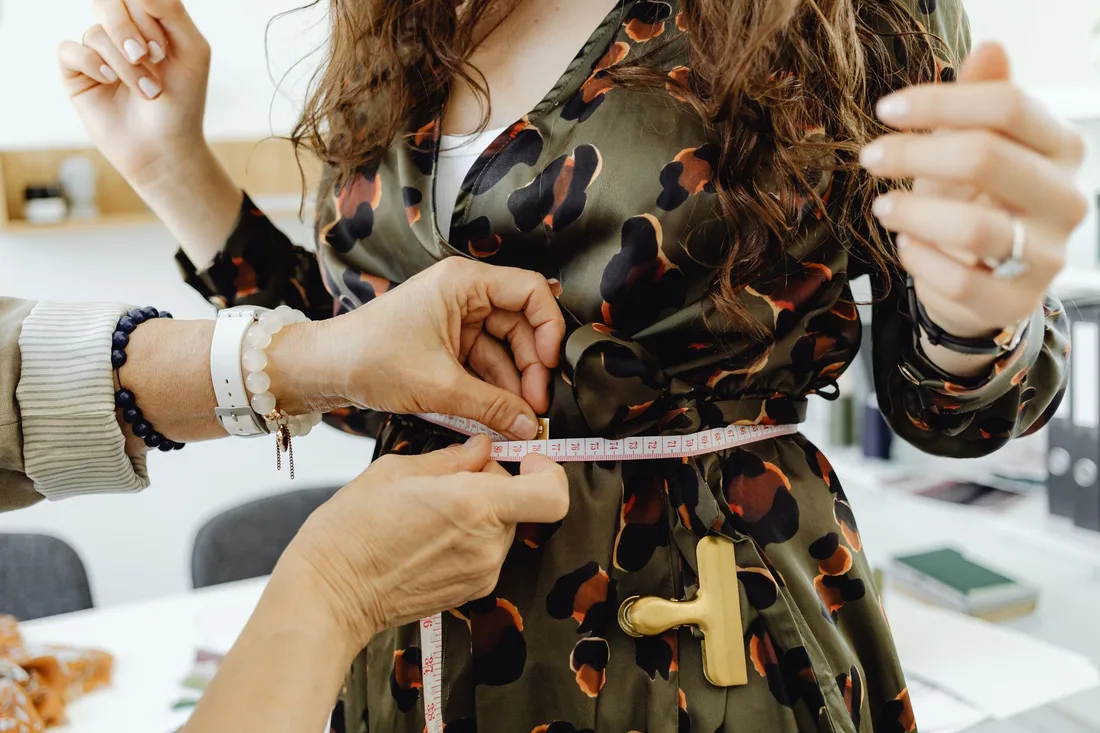
Proof must be visible. Close photos of finished seams, sleeves and hems, a few short reviews that mention precision and a line about the person who does the fitting show real skill. Stock pictures of sewing machines and spools do the opposite and make the shop look generic.
Pricing and timing need honesty. Many tailors list common jobs with a starting point, or explain that bridal work is quoted at the first fitting once the dress has been seen on the customer. A turnaround note, with rush limits and cut-off times, prevents the awkward phone call a week before an event.
Booking is the point. A short form with name, phone, event date, garment type and a photo, or a simple appointment calendar, saves phone tag. Bridal needs its own page with fitting guidance, while made-to-measure needs a page showing fabrics and process. You supply the facts.
A clear, repeatable process built around how tailors and alterations customers search and decide.

We view your site on a phone, try the booking steps and note where visitors stop. We list the questions customers ask at the counter and the jobs that earn the most, so the new layout leads with them.

We plan a home page with services, one strong photo, hours and a booking button, then pages for everyday alterations, bridal, formalwear, made-to-measure, uniforms and referral partners. A photo list covers close work, the fitting area and the workroom.

We build a calendar or request form with name, phone, event date, garment type and photo upload. A confirmation page tells customers what to bring and when to expect a reply. Alerts go to whoever manages the diary.

We add a gallery of before-and-after shots, review highlights and plain notes on turnaround, rush limits, deposits for bridal work and what you do not alter. Every fact comes from you and is approved before it is published.

We build for phones first, test the booking flow and photo upload on several devices, set up tracking and redirects and launch outside your busiest days. Afterwards we study the numbers and adjust the pages that still lose visitors.
Pages that make it easy to understand the offer and take the next step in Australia
The mechanics behind Web Design for tailors and alterations, explained plainly.
A tailor's site rests on close photos, and close photos are large. We resize and compress them without losing the detail of a seam, load them as visitors scroll and keep scripts light. Slow pages lose the customer who was ready to book.
The request form accepts a photo of the garment, checks required fields and filters spam without bothering real customers. Alerts go to your phone. Each request records its source, so you know whether it came from search, an ad or a boutique referral.
We add local business data for hours, services and appointment links, give each location its own page and redirect old addresses so existing visibility carries over. Clear page titles name the job, which helps customers searching for it.
Tailors and Alterations web design starts at A$2,000. Scope depends on how many pages and features you need, and we agree it with you after seeing your current site.
What's included
The pages customers need to decide, laid out for phones first, with proof and a clear next step.
Forms and call buttons that work on every phone, with each request tracked to its source.
Image, speed and mobile checks before launch, and a short list of fixes afterwards.
Larger builds, such as online shops or booking systems, are scoped after discovery. Talk to us for a fit.
A tailor's site is a focused build. We test it on phones, launch it carefully and then improve it from what visitors do.
Review and content gathering. You provide your service list, turnaround times, rush rules and photos of your work, and we agree the page list and the booking method together before building.
The site is built and tested, including photo upload and the calendar. It goes live with redirects in place, and for the first days we check that alerts reach you and pages load quickly.
We study visits, calls, bookings and where visitors leave, then refine wording, photos and layout. Results depend on traffic and competition, and our reports say plainly what changed.
Our team
Martin writes every audit and takes the first call. The same team stays on the account. 160+ businesses since 2010.
Founder, strategy and audits
Writes every audit and takes every first call. On your account from day one, running growth for SMEs since 2010.

Social and app development
Shapes social strategy and builds practical app experiences that turn attention into action.

SEO
Owns technical, local and content SEO so the right buyers find you when demand is highest.

Paid media
Plans and manages paid search and social campaigns around qualified leads.

Analytics
Connects tracking, attribution and reporting so decisions are based on revenue-quality data.

Design
Creates clear brand and conversion-focused design across landing pages, campaigns and product experiences.
Certified and experienced
Verified platform knowledge, 25+ years of hands-on experience, and an operating track record since 2010.
Get a free audit and we will show you where you are losing enquiries today.
Get a Free Audit arrow_forward