

Web Design for Home Theater and AV

Web Design for Home Cinema and AV in Australia

Your website is the first room a buyer walks into. If it is a grid of equipment logos and a contact form, it looks like every other shop. We design a site that shows finished rooms, explains how a project runs and makes it easy to book a survey.

For AV integrators and home cinema firms that want a site worth showing to a homeowner, a builder and a designer, and that books surveys.

What a home cinema website has to do

Context from how your customers search, compare and book.

A homeowner arrives with a picture in mind and a worry. They want to see a room that looks like theirs, and they want proof that cables will not be a mess and the thing will work on the first night. The first screen should show a finished room and say what you do in plain words.

Three kinds of visitor use the same site. Homeowners want rooms and reassurance. Builders and designers want to know what you need at rough-in and who to call. Existing clients want support, remote help or a way to add a room. Navigation should send each one to the right place quickly.

Proof carries a lot of weight. Photos of tidy racks, hidden speaker grilles and a calibrated picture beat any list of brands. Short project stories explaining the request, the constraints and the result make the site feel like the work of a team that plans, not one that just plugs things in.

The form is the point. A survey request should ask for what you need to prepare, such as the room, ceiling height, the stage of the build and the timeline, and nothing else. Too many fields lose people, and too few waste a site visit on a project you will not take.

Who this web design service is for

groups Customer segments

  • person Cinema specialists with great rooms hidden behind a dated site
  • person Firms that have grown from mounting jobs into design-led projects
  • person Integrators whose builder partners ask for a link and get a weak one
  • person Owners about to invest in ads who need a site that converts the clicks

psychology What drives their decision

  • check_circle Large, clear photos of finished rooms and tidy equipment racks
  • check_circle A simple explanation of how a project runs from survey to tuning
  • check_circle Visible signs of registration, insurance and ongoing support
  • check_circle A survey form that is short, clear and quick on a phone

How we deliver Web Design

A clear, repeatable process built around how home theater and av customers search and decide.

Website wireframes sketched in a notebook with mobile device in Australia. Photo by picjumbo.com on Pexels
1

Page plan and structure

We map the pages: a home page, project galleries by type, a how-it-works page, a builder and designer page, support and a survey request page. Each has a single job. You approve the map before design starts.

Dual monitors showing UI design work in progress in Australia. Photo by Tranmautritam on Pexels
2

Design around finished rooms

Layouts are built around your photography, with large images, simple type and room to breathe. Dark rooms are shown with the screen lit and lights low. We choose how to present wiring and rack shots so they signal care rather than clutter.

Desktop and mobile screens showing a responsive website design in Australia. Photo by Designecologist on Pexels
3

Project stories and proof

Each project page has a short summary, the room's challenge, the system installed and a closing line from the client if they agree. Registration and insurance details sit on a clear page. We add a support page so buyers see you stay after the install.

Team reviewing conversion-focused page designs on laptops in Australia. Photo by fauxels on Pexels
4

Survey form and call options

We build a short form, a tap-to-call button and an optional booking calendar for survey slots. The form sorts mounts from rooms using a scope question. Submissions reach your phone and email, and you decide who replies.

Developer optimising site performance code on a laptop in Australia. Photo by Lukas Blazek on Pexels
5

Build, test and launch

We build on a fast, easy-to-edit platform, test on phones and tablets, and check forms, calls and tracking before launch. Old pages are redirected so nothing breaks. After launch, we monitor speed and forms and fix what falls short.

web

What Home Theater and AV Web Design includes

Pages that make it easy to understand the offer and take the next step in Australia
  • check_circle Page plan and wireframes
  • check_circle Responsive design and build
  • check_circle Survey form and booking options
  • check_circle Speed and device testing
  • check_circle Tracking and launch support
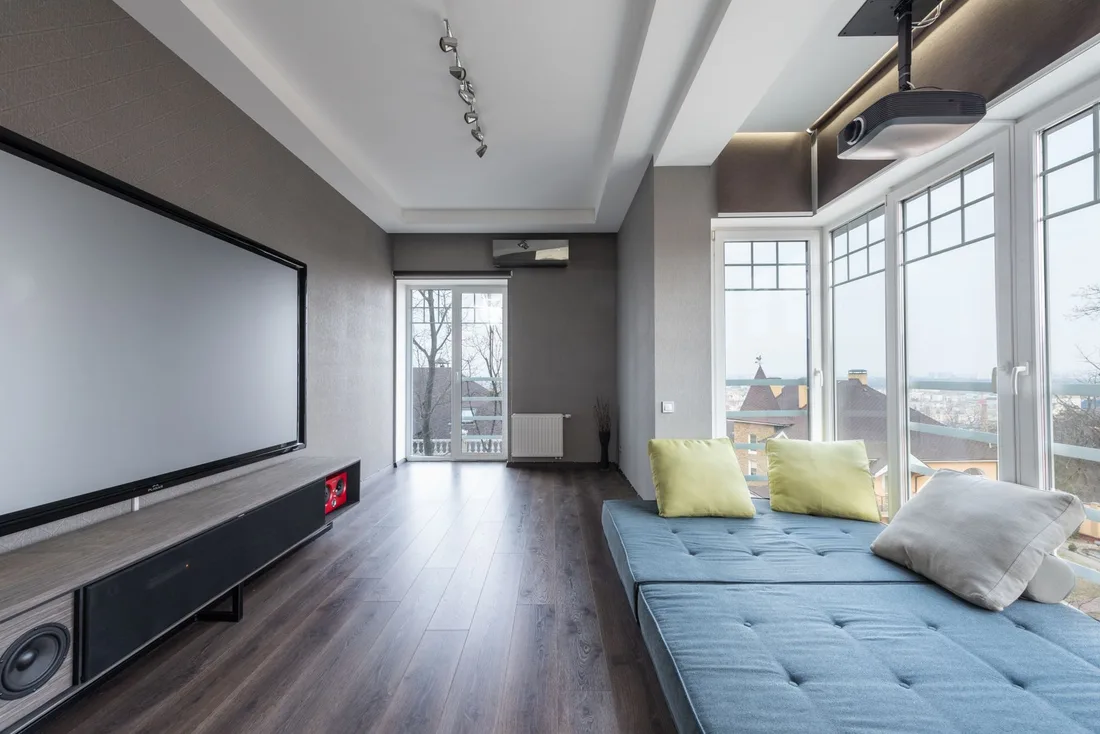
Spacious media room with projector screen, blue daybed and large windows in Australia. Photo by Max Vakhtbovych on Pexels

What you can expect

  • verified Homeowners see a finished room within seconds of arriving
  • verified Builders and designers find a clear page that tells them what you need
  • verified Survey requests arrive with the room and timing details you need
  • verified The site loads quickly on phones despite image-heavy galleries
  • verified New projects are easy to add as you complete them
  • verified You can see which pages lead to calls and booked surveys
Learn about HeyLead Web Design arrow_forward

Deliverables you receive

inventory_2 Page plan covering gallery, process, builders, support and survey request
inventory_2 Mobile-first page design built around your finished-room photography and video clips
inventory_2 Project story pages with room summary, system list and approved client comments
inventory_2 Short survey form with scope question and optional booking calendar
inventory_2 Registration, insurance and support details placed where buyers look
inventory_2 Tracking for calls, forms and survey bookings tied to each page

Technical approach

The mechanics behind Web Design for home theater and av, explained plainly.

Website wireframes sketched in a notebook with mobile device in Australia. Photo by picjumbo.com on Pexels

Image weight and speed

A site of dark cinema photos can be slow. We compress and resize each image, serve the right size for each screen and load galleries only as the visitor scrolls. The result is a gallery that feels instant, with no loss of the glow and detail in your best rooms.

Dual monitors showing UI design work in progress in Australia. Photo by Tranmautritam on Pexels

Phone and tablet checks

Homeowners often browse on a tablet on the sofa, then call from a phone. We test layouts on both, make the call button large and check that galleries, forms and booking slots work with a thumb. Text stays readable even in a dark-themed section.

Desktop and mobile screens showing a responsive website design in Australia. Photo by Designecologist on Pexels

Tracking that reaches the survey

We tag every call, form and booking by page and by source. A homeowner who read a cinema project story and then booked is recorded as such. That shows which pages earn their place and which need a change.

What a Home Theater and AV website costs

Home Theater and AV web design starts at A$2,000. Scope depends on how many pages and features you need, and we agree it with you after seeing your current site.

Typical website range

From A$2,000

Quoted in AUD. Tax is extra where it applies.

Get a Free Audit

What's included

  • Key pages and layout

    Included

    The pages customers need to decide, laid out for phones first, with proof and a clear next step.

  • Forms, calls and tracking

    Included

    Forms and call buttons that work on every phone, with each request tracked to its source.

  • Speed and launch checks

    Included

    Image, speed and mobile checks before launch, and a short list of fixes afterwards.

Larger builds, such as online shops or booking systems, are scoped after discovery. Talk to us for a fit.

What to expect from your new website

A good site takes planning and your photos. We keep the build moving and tell you what we need and when.

Days 1 to 14

We agree the page plan, gather photos, video and project notes and choose the look. You see wireframes and the first design pass. We set up tracking and the survey form structure at the start.

Weeks 3 to 8

Pages are built, content is added and everything is tested on devices. You review the draft, we make changes and we check forms, calls and speed. Redirects are prepared, and launch happens at a quiet time.

Months 3 to 6 and beyond

Once live, we watch speed, forms and calls, add new projects as you finish them and refine pages against survey data. A site keeps earning when it keeps showing new work, so we plan regular additions.

Our team

The same people on the audit and on the work

Martin writes every audit and takes the first call. The same team stays on the account. 160+ businesses since 2010.

Martin, Founder, strategy and audits in Australia

Martin

Founder, strategy and audits

Writes every audit and takes every first call. On your account from day one, running growth for SMEs since 2010.

Yoana, Social and app development in Australia

Yoana

Social and app development

Shapes social strategy and builds practical app experiences that turn attention into action.

Mike, SEO in Australia

Mike

SEO

Owns technical, local and content SEO so the right buyers find you when demand is highest.

Robert, Paid media in Australia

Robert

Paid media

Plans and manages paid search and social campaigns around qualified leads.

Elmer, Analytics in Australia

Elmer

Analytics

Connects tracking, attribution and reporting so decisions are based on revenue-quality data.

Dino, Design in Australia

Dino

Design

Creates clear brand and conversion-focused design across landing pages, campaigns and product experiences.

Certified and experienced

Certified where it matters. Accountable for the outcome.

Verified platform knowledge, 25+ years of hands-on experience, and an operating track record since 2010.

Google AdsCertified
Google AnalyticsCertified
Google Tag ManagerCertified
Operating since 2010Proven experience

Frequently Asked Questions

What should a home cinema website show first? expand_more
It should show a finished room and one clear line about what you do. Visitors should see the picture quickly, then a way to book a survey or see more projects. Equipment logos and long feature lists belong lower down.
Do we need a page for each home system type? expand_more
Usually yes. Cinema rooms, whole-home audio, control and lighting, and outdoor entertainment appeal to different buyers. Separate pages let each one show the right photos and answer the right questions.
How do we show our work without exposing client homes? expand_more
We can crop images, avoid addresses and names, and ask clients for approval. Many owners are happy to share a room when they feel proud of it. You decide what appears and can remove anything on request.
Can the site take survey bookings directly? expand_more
Yes. We can add a calendar for survey slots or keep it as a request form that your team confirms. A calendar suits firms with predictable schedules. A request form suits firms that need to check travel and project fit first.
How do we keep mount-only visitors from clogging the form? expand_more
The form asks about the room and scope, and a small page explains what you do for mounting. This tells casual visitors where they stand without turning them away unkindly. It also saves your team time on calls that lead nowhere.
Will a new home cinema site hurt our existing search visibility? expand_more
It should not, when handled with care. We keep useful pages, set redirects for any that move and check search settings before launch. We cannot guarantee rankings, but we protect what you already have.
Who edits the home cinema site after launch? expand_more
You can, or we can. The platform is easy to update, so your team can add a new project in minutes. We can also manage updates monthly if you prefer, including fresh photos and project stories.

Ready to get more from Home Theater and AV Web Design?

Get a free audit and we will show you where you are losing enquiries today.

Get a Free Audit arrow_forward