
Martin
Founder, strategy and audits
Writes every audit and takes every first call. On your account from day one, running growth for SMEs since 2010.
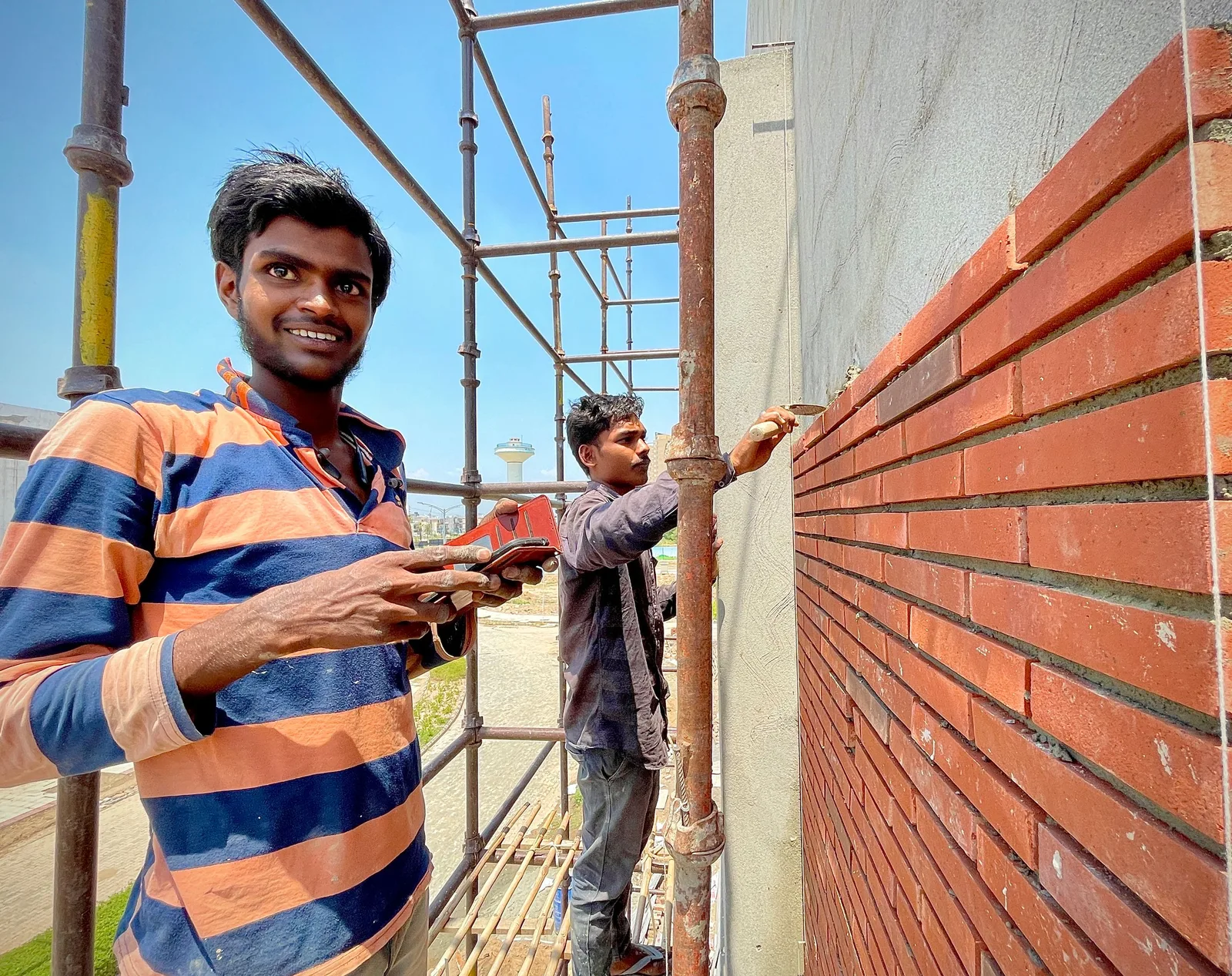
Your best advert is a wall that still looks right years later, but most bricklaying websites hide it behind small photos and a phone number. We design sites where finished work leads the page, builders find crew details quickly and owners can ask for a quote with a drawing or a photo.
For bricklaying firms that want a site showing finished brickwork well, with separate routes for builders and owners and forms that collect useful details.
Context from how your customers search, compare and book.
Brickwork must be seen close up. Visitors judge straight courses, even joints and clean corners from photos, so images should be large, sharp and labelled with the job. A small, blurry gallery undersells good work, and a bright, sharp one makes the sale before the phone rings.
Builders and owners need different front doors. A supervisor wants crew size, start dates, equipment and insurance within seconds. An owner wants to see an extension that matches the house and learn how a visit works. Two clear buttons on the home page send each to a page written for them.
Technical reassurance belongs on the page. Short notes on bond patterns, cavity ties, lintels, damp protection and movement joints show that the firm understands structure, as long as they are written plainly and checked by you. Too much jargon backfires, and a simple caption often works better than a long paragraph.
Forms should respect the job. Builders want a quick call-back request. Owners can attach drawings or photos and say when the frame will be ready. Restoration requests can include a photo of the wall in question. Clear next steps after sending reduce uncertainty and repeat calls to your office.
A clear, repeatable process built around how bricklaying customers search and decide.

We select your best walls, group them by scope and list the shots to take next, such as corners, sills, arches and wide street views. A good photo set matters more than extra pages, and gaps are easy to fill on the next job.

We design a home page with clear entry points for builders and owners, then pages for extensions, feature walls, retaining walls, blockwork and restoration. You approve the layout before building starts, and we explain each choice in plain words.

We create a quick trade call-back form, an owner quote form with drawing and photo upload, and a restoration form. Each confirms the next step to the sender and lands in your inbox and customer records at once.

We build the site, compress large photos, add reviews, crew and insurance details and test on slow connections and older phones. You check every technical note about bond, ties or mortar before launch, and nothing is published without your approval.

We connect call and form tracking, redirect old addresses, test every button and show your team how to add finished walls. In the first weeks we watch how people use the site and fix awkward spots.
Pages that make it easy to understand the offer and take the next step in Australia
The mechanics behind Web Design for bricklaying, explained plainly.
Close-ups of mortar joints need resolution, yet heavy files slow phones. We create several sizes of every image, serve the smallest that looks sharp and delay off-screen photos until they are needed.
Upload fields support plans and photos, handle large phone images, and confirm receipt. If a file fails, the form shows a clear message and a phone number rather than losing the visitor's details.
Each button, call and form carries a tag for builder or owner, so reports show which visitors become requests. Adding a new wall to the gallery takes a few minutes through a simple editor.
Bricklaying web design starts at A$2,000. Scope depends on how many pages and features you need, and we agree it with you after seeing your current site.
What's included
The pages customers need to decide, laid out for phones first, with proof and a clear next step.
Forms and call buttons that work on every phone, with each request tracked to its source.
Image, speed and mobile checks before launch, and a short list of fixes afterwards.
Larger builds, such as online shops or booking systems, are scoped after discovery. Talk to us for a fit.
Brickwork sites depend on photos, so the early weeks focus on picking and capturing the right ones.
We review your work, agree the page structure and the photo list, and approve the layout. You see exactly how builders and owners will move through the site, and which photos we still need.
Pages are built, tested on phones and checked by you for technical statements. Tracking is connected and the site launches once every form and call works, with a plain checklist for you to sign off.
We watch how visitors move, add new projects and test improvements to forms and headings. Results depend on traffic, photo quality and how quickly you respond, and we promise no particular numbers.
Our team
Martin writes every audit and takes the first call. The same team stays on the account. 160+ businesses since 2010.
Founder, strategy and audits
Writes every audit and takes every first call. On your account from day one, running growth for SMEs since 2010.

Social and app development
Shapes social strategy and builds practical app experiences that turn attention into action.

SEO
Owns technical, local and content SEO so the right buyers find you when demand is highest.

Paid media
Plans and manages paid search and social campaigns around qualified leads.

Analytics
Connects tracking, attribution and reporting so decisions are based on revenue-quality data.

Design
Creates clear brand and conversion-focused design across landing pages, campaigns and product experiences.
Certified and experienced
Verified platform knowledge, 25+ years of hands-on experience, and an operating track record since 2010.
Get a free audit and we will show you where you are losing enquiries today.
Get a Free Audit arrow_forward