
Martin
Founder, strategy and audits
Writes every audit and takes every first call. On your account from day one, running growth for SMEs since 2010.
An insulation website has to make a hidden job visible. Visitors cannot see their roof space, so they rely on your photos, plain explanations and a simple way to ask for a check. We build a fast site with pages by part of the home, honest galleries and forms your estimator can use.
For insulation installers whose current site lists products but does not show the work, and who want more assessment requests from the visitors they already get.
Context from how your customers search, compare and book.
Visitors arrive with a symptom, not a product name. A cold bedroom, a hot upstairs or an unexpectedly high bill sends them online. The first screen should speak to that experience, then point to the part of the home involved, and make clear that a check costs nothing. Product jargon can come later.
Photos carry the sale. A roof space before and after, a floor void with fresh material, a close-up of tidy work around recessed lights and a shot of the crew leaving the home clean all prove skill. Captions with home age, material and area give each image meaning and help search engines understand it.
Pages by part of the home let each visitor find their own job. Roof space, underfloor and walls each need a page with access notes, materials, clearances, ventilation and what the household notices afterwards. A short comparison of materials helps, if kept plain and tied to the home type.
Forms should help your estimator plan. Asking for home age, access, existing material, main complaint and timing lets your estimator prepare. A photo upload of the hatch or floor access speeds it further. Fewer fields suit mobile visitors, so we test the balance rather than guess.
A clear, repeatable process built around how insulation customers search and decide.

Traffic, calls and forms are studied to see which pages bring requests and which lose visitors. Three journeys are then mapped, for the cold-room household, the bill-worried household and the landlord, with a layout sketched for each.

Each page opens with the symptom, shows the work, explains access and materials, answers worries about wiring and ventilation and finishes with a request for a free check. Cross links guide visitors to related jobs such as underfloor after roof space.

The form asks for home age, access type, existing material, main complaint and timing, with an optional photo of the hatch or floor opening. A confirmation names who will call and when, and an alert reaches your team at once.

A phone-first build with compressed images is tried on real handsets and common browsers. Each form, upload and call button is exercised, and a speed review is run. Nothing goes live until every route delivers a message.

Calls, forms and uploads are counted and linked to your search and social accounts. Following launch we watch where visitors leave and adjust captions, page order or form length to keep more of them reading, and we share what we find each month.
Pages that make it easy to understand the offer and take the next step in Australia
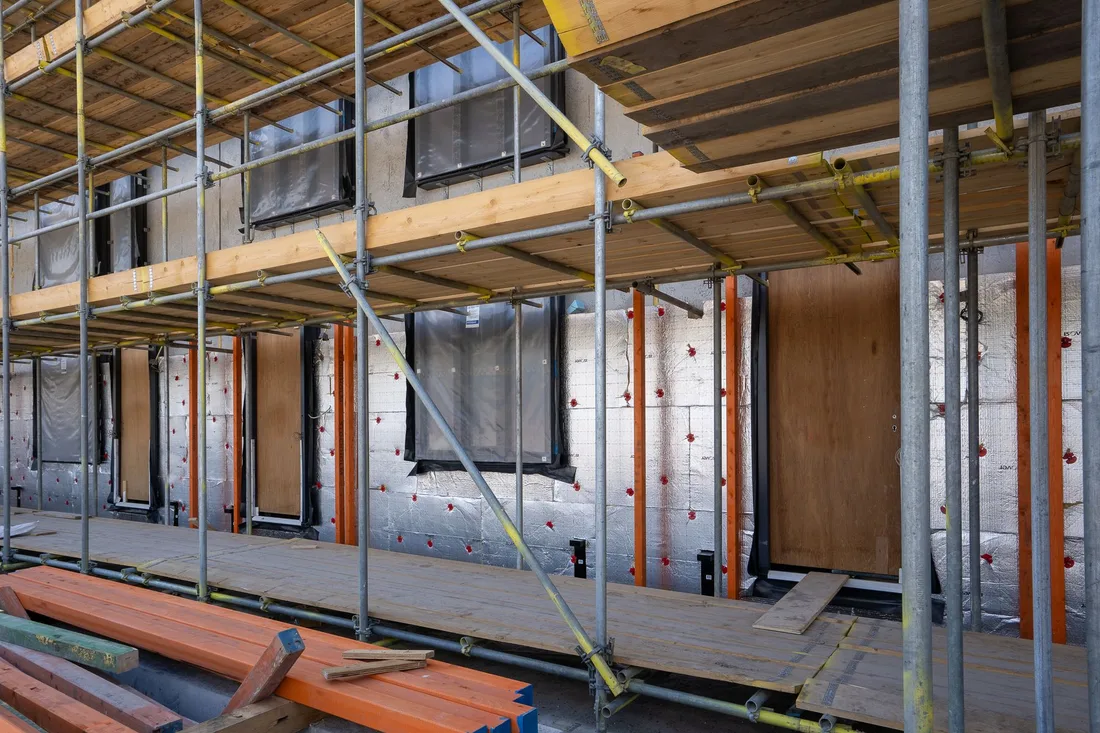
The mechanics behind Web Design for insulation, explained plainly.
Gallery photos from dim roof spaces are large. We resize them, load them as the visitor scrolls and avoid autoplay clips. Pages stay quick on a weak signal, which suits people reading from the hallway under their own hatch.
Cold-season traffic can jump within days. We keep hosting and caching ready for sudden peaks, and place a clear banner for approved rebate messages that can be switched on and off quickly without redesigning pages.
Photos of hatches and floor openings may show personal belongings. Files are capped in size, checked for type, kept where only your team can reach them and deleted when no longer needed, and forms use a secure connection.
Insulation web design starts at A$2,000. Scope depends on how many pages and features you need, and we agree it with you after seeing your current site.
What's included
The pages customers need to decide, laid out for phones first, with proof and a clear next step.
Forms and call buttons that work on every phone, with each request tracked to its source.
Image, speed and mobile checks before launch, and a short list of fixes afterwards.
Larger builds, such as online shops or booking systems, are scoped after discovery. Talk to us for a fit.
The project runs from planning to launch, then carries on as you learn from the winter rush.
The old site and its figures get a careful read, your best photos, materials list and incentive notes are collected, and page layouts and form fields are settled. You see sketches of each journey before anything is built.
Writing and assembly run side by side with your approvals, and phone testing follows. Tracking is added and your team tries the forms, uploads and call buttons. Launch waits until each route delivers.
The first cold season shows how visitors really behave. Forms that lose people are trimmed, pages reordered, gallery entries added from recent jobs and incentive notices kept current. Traffic and weather drive the outcome, so no lead numbers are promised.
Our team
Martin writes every audit and takes the first call. The same team stays on the account. 160+ businesses since 2010.
Founder, strategy and audits
Writes every audit and takes every first call. On your account from day one, running growth for SMEs since 2010.

Social and app development
Shapes social strategy and builds practical app experiences that turn attention into action.

SEO
Owns technical, local and content SEO so the right buyers find you when demand is highest.

Paid media
Plans and manages paid search and social campaigns around qualified leads.

Analytics
Connects tracking, attribution and reporting so decisions are based on revenue-quality data.

Design
Creates clear brand and conversion-focused design across landing pages, campaigns and product experiences.
Certified and experienced
Verified platform knowledge, 25+ years of hands-on experience, and an operating track record since 2010.
Get a free audit and we will show you where you are losing enquiries today.
Get a Free Audit arrow_forward