
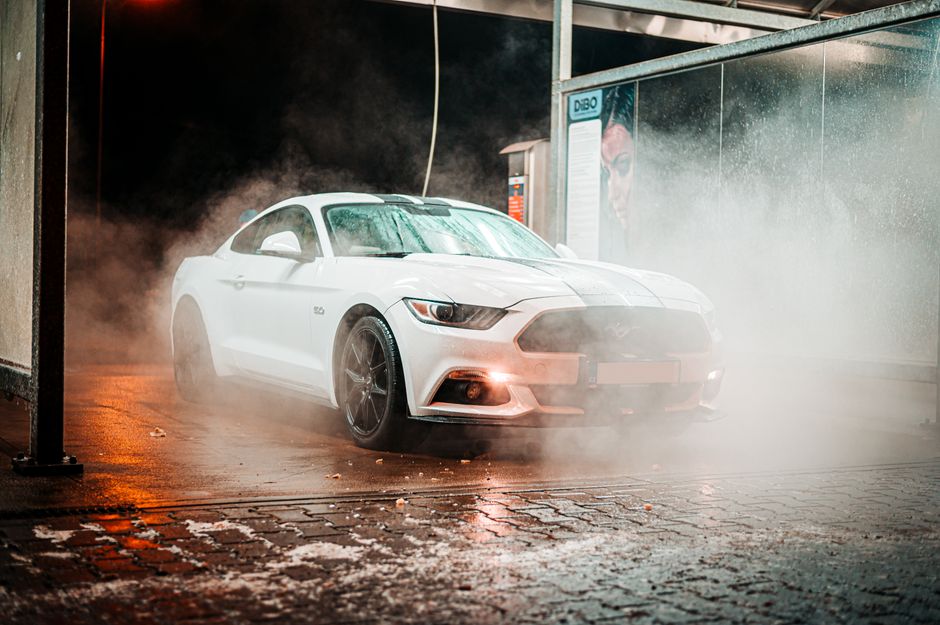
Friday 4.40pm on Parramatta Road. A sales rep in a white company ute has twenty minutes before the next client and types three words into Google: car wash open now. The SERP is a pile of map pins, a couple of brand names, and three ads that all promise a quick wash. Only one of those ads matches what he needs, shows a price band he will accept, and puts a click-to-call button in reach of a thumb. The rest burn budget on people who never leave the driveway.
That is the real game for Google Ads in Australian car wash. You are not buying awareness. You are buying the moment a driver has dirt on the vehicle, a gap in the day, and a willingness to pay. High-intent Search is the channel that sits closest to that moment. Get the query match, the landing proof, and the pick-up speed right and the bays fill. Miss any of those and you get a busy Ads dashboard and a quiet site.
This piece is an explainer for owners, founders, and marketing leads running car wash sites in Australia. It covers how drivers search and decide, what good paid demand looks like in dollars and booked jobs, and what has to be true before you scale spend in AUD.
Why paid clicks can look healthy while the bays stay half empty
Plenty of car wash accounts in Sydney, Brisbane, and Perth look fine in Google Ads for a month or two. Clicks climb. Cost per lead sits in a range the owner can live with. Someone is filling forms or ringing after hours. Then you open the bay diary and the picture changes. The people who converted were job hunters, DIY foam-cannon buyers, people hunting free vacuum tips, or drivers twenty minutes outside your real catchment who will never make the trip.
The failure mode is specific. Car wash search demand is local, time-sensitive, and full of lookalike language. “Car wash”, “car detailing”, “hand wash”, “drive through car wash”, and “end of lease car clean” sit close together in the auction and pull very different buyers. If you let broad match or loose phrase match run without tight negatives and without a landing page that filters intent, Google will happily spend against volume. You optimise to form volume or call starts. The metric that actually matters, cost per booked wash or cost per completed job, drifts up until the channel feels expensive and someone pauses it.
Response capacity makes it worse. A driver who taps call at 7.05am on the way into the CBD expects an answer or a short voicemail callback. Same story at 5.30pm when the ute is coated in site dust. If your ads run hard while the front counter is slammed, or while you are already full until lunch, you pay for intent you cannot serve. High-intent traffic is perishable. It does not wait for Monday’s admin pile.
Tracking gaps hide the waste. Many sites still count a form submit or a 15-second call as a win and stop there. Without call recording tags, booking status, and a simple link from click to bay slot, you cannot tell which keywords filled a tunnel bay and which ones only filled a spreadsheet. Smart bidding then trains on the wrong signal. Automated bidding is not the villain on its own. Bad conversion definitions are. When 20 to 30 percent of a Search budget routinely leaks into irrelevant queries and misaligned pages industry-wide, car wash is not exempt. Local services just feel the leak faster because margins per wash are visible on the floor.
If you want a sharper read on whether Search is worth the next AUD increment, start from booked work and work backwards. Not from impression share. Not from a vanity CPL that ignores no-shows.
What high-intent demand looks like when Australian drivers are ready to book
High intent in this niche is rarely a long research journey. It is short, practical, and often mobile. Someone needs a wash before a client visit, before returning a lease car, before a weekend away, or after a dusty regional run. They search with location, urgency, or service type baked in. Queries that tend to book work sound like “car wash open now near me”, “hand car wash [suburb]”, “drive through car wash [city]”, “end of lease car clean”, “car wash with vacuum”, or brand-plus-location when they already know a site. Those strings carry a job attached.
Lower intent looks different. “How to wash a car at home”, “best foam cannon”, “car wash franchise cost”, “car wash jobs”, and pure equipment research pull clicks that will never sit in your bay. Same for people comparing detailing packages for a show car when you only run express tunnels. Intent clusters matter more than raw keyword lists. Group queries by the job the driver is trying to get done, then decide whether your site can fulfil that job profitably at the CPC the auction is charging.
Geography is not optional. A click from two suburbs over can be gold if the arterial road makes the trip easy. A click from the other side of a river at peak hour is often dead money. Build location targeting and radius around real drive-time, not a neat circle on a map. In multi-site groups across Melbourne or the Gold Coast, split campaigns or ad groups by site so ad copy, call extensions, and landing pages match the bay the driver will actually use. National brand terms can still work, but local modifiers and map-pack adjacency do most of the heavy lifting for independent and regional operators.
Call versus form is a live decision, not a preference. Express and tunnel washes lean hard into call extensions and click-to-call because the path from search to bay is minutes, not days. Detailing and end-of-lease cleans can support forms if the form asks for vehicle type, preferred window, and suburb, and if someone replies fast. Instant Forms inside the ad unit can look efficient and still underperform if the lead sits in an inbox while the driver books the competitor who answered. When you do use pages rather than Instant Forms, the page has to finish the job the ad started: service, suburb proof, price band or “from” pricing if you use it, hours, and a single primary action. Send high-intent Search traffic to a homepage that sells every service on the site and you dilute the message the auction already paid for.
Dayparting should follow capacity, not vanity. If Saturday morning is your best convert window and Tuesday 11am is soft, bid and budget should reflect that. If you cannot take more express washes after 4pm, stop paying premium CPCs into a full board. High-intent Google Ads for car wash in Australia only look “good” when the calendar and the ad schedule agree.
Get a free marketing audit - we review your search, ads, and landing pages and send back what to fix first.
Get a free audit
The Search playbook that protects cost per booked wash
Start with a clean conversion model. Define the win as a booked job or a qualified call that reaches a human and ends in a time slot, not as every form fire. Use call tracking that can pass duration and, where possible, outcome back into Google Ads. Enhanced conversions and a tidy tag setup protect signal quality when privacy tools strip data. Smart bidding needs truth. Feed it vanity events and it will buy more vanity.
Build the account around intent clusters, not a single catch-all campaign. Separate express or tunnel demand from hand wash and detailing. Give end-of-lease and bond-clean style queries their own ad group and landing path if you offer them, because those buyers ask different questions and accept different lead times. Match ad headlines to the cluster: open now, hand wash, drive through, vacuum included, or end of lease. Use sitelinks for hours, pricing guide, and locations. Callouts for wait times or membership only help if they are true on the day the ad shows.
Negative keywords are ongoing operations, not a launch checklist. Mine search terms weekly at first, then on a steady cadence once waste patterns settle. Add job-seeker terms, DIY and product research, franchise and equipment buyer language, competitor brand terms you will not win profitably, and out-of-area suburb names you cannot serve. Phrase and exact match still earn a place when you need control; broad match can work when your negatives, landing pages, and conversion signals are strong, not as a shortcut on day one. Operators who ask agencies “how do you handle negative keywords?” are asking the right question. Twenty to thirty percent budget waste is common when that work slips.
Landing pages carry the handoff. The ad promised a specific wash type near a specific place. The page should repeat that promise above the fold, show proof that fits Australian drivers (local photos, Google review snippets, clear GST-inclusive pricing language if you publish prices), and make the next step obvious. Mobile matters: most paid search clicks are mobile, and conversion rates often lag desktop when the page is slow or the tap targets are clumsy. If forms stall, use behaviour tools. HeyLead Insights style session recording and heatmaps show where people hesitate, where proof is skipped, and where the form is abandoned, so you fix friction with evidence instead of guesses.
Price the channel on cost per booked job in AUD, inclusive of the thinking around GST in your unit economics. A $12 click that books a $45 express wash at volume can beat a $4 click that never shows. Compare Search against your true contribution after labour and chemicals, not against a generic CPL benchmark from another industry. Google Ads still posts strong average ROAS across industries in recent benchmarks, but your number is local: bay throughput, ticket size, and no-show rate. For teams that want a specialist to run structure, negatives, and landing alignment as an ongoing program, HeyLead’s SEM / Google Ads work is built around that loop rather than a one-off account rebuild.
Creative and offer tests stay small and continuous. Test one promise at a time: wait time, membership trial, free vacuum with wash, or a clear “from” price. Do not reset learning with constant campaign restructures. Change the variable you can read. Capacity-aware budgets beat “set and forget” monthly caps that ignore wet weather spikes or a full Saturday book.
Two operators who tightened intent and changed what each click was worth
A multi-bay express site on Brisbane’s southside was spending steadily on Search and reporting a comfortable cost per lead. Forms came in. Calls came in. Bays still had holes after 10am on weekdays. The mechanism was blunt: one campaign mixed “car wash near me”, “mobile car wash”, and “detailing packages” into the same ad group, and every click landed on the homepage. Mobile wash enquiries could not be served. Detailing browsers chewed time on the phone. Express drivers who wanted in-and-out saw a long menu and bounced.
The fix was operational, not a bigger budget:
-
Split express and detailing into separate campaigns with their own match logic and ads.
-
Added negatives for mobile, jobs, DIY, and equipment within the first fortnight of search term reviews.
-
Built a short express landing page with hours, drive-through proof, and click-to-call first.
-
Paused ads in the two hour blocks when the tunnel was already at a queue limit.
-
Counted only calls over a minimum duration plus diary-confirmed bookings as conversions.
Within roughly six weeks the cost per booked express wash dropped enough that they could raise weekday bids without fearing empty promises. The headline number was not “more leads”. It was fewer wrong conversations and fuller mid-morning lanes.
A hand-wash and end-of-lease operator in western Sydney had the opposite problem. CPCs felt high, so they kept tightening keywords until volume collapsed. They were missing the high-intent cluster that actually paid: end of lease and bond clean searches with suburb modifiers. Those buyers planned a few days out, filled a form with rego and date, and converted when someone replied inside an hour. The team had been judging the channel on same-day call volume, which favour express competitors with bigger brand presence.
They rebuilt around that cluster: dedicated ads mentioning end of lease, a landing page with checklist-style proof and a short form, and a response SLA tied to the roster. Search spend did not double. Reply speed did. Booked cleans from paid search rose because the account finally matched how those buyers decide. If you are weighing a partner for Car Wash marketing that treats Search as booked work rather than inbox volume, that is the standard to hold them to.
Patterns we see in audits
The short quotes below are illustrative composites drawn from patterns in account reviews. They are not quotes from named clients.
“We cut three query themes in a week and our cost per booked wash fell harder than any bid tweak we had tried. The diary told the truth the dashboard would not.” - Owner, express car wash group, Brisbane
“Calls after 5pm were our best intent and our worst follow-up. Once we aligned ad schedules with who was actually on the counter, the same CPC started filling late bays.” - General manager, hand wash sites, western Sydney
Car wash Google Ads questions Australian operators ask most
How much should we budget before Search is worth running?
Enough to gather clean conversion data across your real peak days without starving the account. For a single site that often means a few thousand AUD per month at Australian local-service CPCs, adjusted up if you cover multiple suburbs or services. Below a useful learning threshold you will only see noise. Above it, you still need negatives and landing match or you simply waste faster.
Should we use Performance Max or stick to Search?
Search is the right spine when your demand is high-intent and local. Performance Max can extend reach once conversion tracking is trustworthy and you have creative assets, but it is a poor place to hide messy goals. If you cannot trust Search conversions yet, PMax will scale the confusion. Many accounts still let Search carry the booked-job load while other formats play support.
Call extensions or lead forms?
Match the service. Express and drive-through favour calls. Detailing and end-of-lease can use forms if response time is tight and the form captures vehicle and timing. Measure both against bookings, not against which one is cheaper per enquiry.
How tight should location targeting be?
Tight enough that a reasonable driver will make the trip at the time they search. Use radius and suburb lists grounded in drive-time and competitor density. Exclude areas you repeatedly see in search terms that never convert. Multi-site brands should avoid one national bucket that sends northern suburbs traffic to a southern landing page.
What is a “good” cost per lead for car wash?
There is no universal good CPL. A cheap lead that never books is dear. Anchor on cost per booked wash or cost per completed job against your average ticket and labour. Revisit the number when fuel, wages, or chemical costs move, not only when Google’s auction does.
Free tools
DIY free tools for this playbook
Run these on the pages and campaigns this article covers, then fix what they flag before you scale spend or content volume.
Run these on this playbook
If the checklist shows a leak you cannot close in-house, request a free marketing audit.
Putting it to work
Pull the last 30 to 45 days of search terms, calls, and bay bookings side by side and mark every theme that never produced a show-up. Pause or negative those themes, align one landing path to your strongest booking cluster, and set ad schedules to the hours someone can actually answer and serve. That single pass usually surfaces more waste than another week of bid micro-tweaks.
If you want a partner to own the ongoing work of intent clustering, negative hygiene, landing-page match, and cost-per-booked-job tracking for Australian car wash Search, HeyLead runs that program end to end so you can stay focused on site operations. Reach us on [email protected].
Free marketing audit, or reach Martin directly:
Get a free audit Chat with us on WhatsApp · [email protected]