
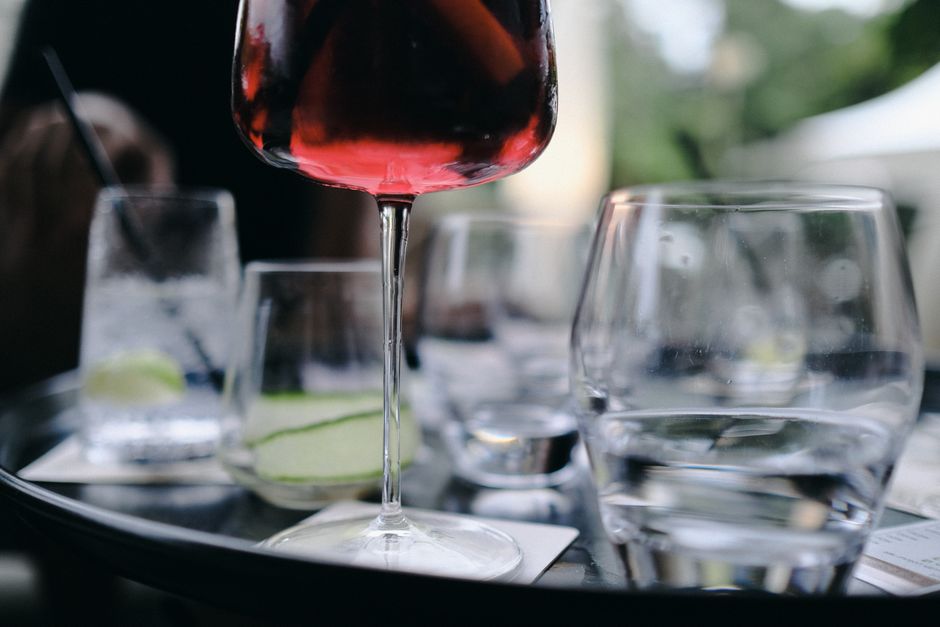
It’s 10:18pm on a Friday in Fortitude Valley. Someone in a group of six is already half-committed to a rooftop, another is arguing for a laneway bar with live music, and the person holding the phone has three tabs open: one Instagram story, one Google Maps pin, and your site. That third tab is where bookings live or die. Not your brand story. Not your homepage carousel. The page that has to answer, in under a minute on a phone with spotty reception, whether your room can take them, what it costs, and how fast someone will reply.
Australian bars and nightlife venues do not lose nights because the vibe is unclear. Guests already felt that on Reels. They bounce when the website treats a Saturday private hire like a brochure, when the guest-list form is six fields deep, when load time on 4G turns a “Book a table” intent into “we’ll just walk in and hope,” and when nothing on the page proves capacity, security, last entry, or how deposits work in AUD including GST. This piece is about what actually converts on those pages: proof, speed, friction, trust, and behaviour data that shows you where people quit before you burn more Meta or Google budget.
How Australian nightlife buyers decide before they ever book
Demand in this niche is bursty and social. High-intent moments look like “private function bar Melbourne CBD,” “rooftop bar hire Sydney for 40,” “guest list Friday Fortitude Valley,” “bottomless brunch booking Brisbane,” or “NYE tickets Perth.” The searcher is rarely a lone planner with a spreadsheet. They are the designated organiser, often on mobile, often comparing two or three venues in the same suburb while the group chat keeps moving.
A “good week” for a venue marketing lead is not vanity sessions. It is private-hire enquiries that include date, headcount, and budget band; ticket or guest-list sign-ups that match capacity; and brunch or set-menu bookings that show up. Paid and organic both feed that, but the site is the closer. Send Performance Max or Meta traffic to a glossy homepage and you will see the pattern buyers already complain about industry-wide: traffic without a dedicated offer page, then arguments about ROAS while 20-30% of spend effectively evaporates on misaligned destinations.
Mobile is not a secondary surface. Globally, mobile already drives the majority of paid search clicks, and nightlife skews even harder after dark. Desktop conversion rates still run ahead in many verticals, which is another way of saying your mobile experience is silently taxing every campaign. Core Web Vitals matter here in a practical way: only a bit over half of origins pass all three in recent CrUX data, and a heavy hero video autoplaying on a Gold Coast rooftop page is a classic way to fail Interaction to Next Paint while the group chat moves on to the next venue.
What good demand looks like before you scale spend: one primary CTA per intent (enquire / book / join list), proof that matches the query (private dining vs club night vs ticketed event), and a response promise the door team or events manager can actually keep. Scale ads after that spine is solid. Do it the other way around and you pay Australian CPCs to educate people who never submit.
Get a free marketing audit - we review your search, ads, and landing pages and send back what to fix first.
Get a free audit
Where Bars and Nightlife sites leak booked nights
The failure mode is specific. A venue runs ads for “hire our mezzanine” or “Saturday guest list,” lands people on a homepage built for brand tourism, and measures success as form fills that never include date or headcount. The events inbox fills with “how much for a birthday?” with no context. Door staff get WhatsApp spam. Marketing reports sessions. Ops reports empty rooms on the nights that should have been locked.
Atmosphere without operational proof is the quiet killer. Mood photography sells the scroll. It does not close a $2,500 private hire with a 50% deposit. Bookers want capacity ranges, AV or DJ setup notes, last-entry times, ID and dress policy, accessibility, nearest station or parking, and a plain-English deposit and cancellation line in AUD. Skip those and high-intent visitors still bounce even when creative is strong.
Form friction is the second leak. On a phone at 11pm, a long enquiry form with company name, website, how-did-you-hear, and a free-text essay field is hostile. Guest-list flows that force account creation before a name and mobile are worse. Table booking widgets that stall on slow third-party scripts feel broken even when the kitchen is ready.
Trust and policy gaps spook the organiser who is spending their friends’ money. Missing ABN or venue entity cues, no clear responsible service of alcohol framing where relevant, buried contact options, and Instagram-only DMs as the “booking” path all read as risky. Response speed compounds it. If the form says “we’ll reply within 24 hours” and a Friday lead sits until Monday, that table is gone in Sydney and Melbourne alike.
Tracking gaps finish the mess. Ads claim conversions; the diary does not. Without clean events for enquire, book, ticket start, and ticket complete, you cannot tell whether the landing page or the offer is the problem. Privacy changes and blocked scripts already erase a chunk of conversion data industry-wide. Nightlife sites that still fire a single generic “submit” event make smart bidding guess in the dark.
If your campaigns are already live and the site still feels like a brand deck, tighten the destination before you add budget. HeyLead’s web and landing page design work for Australian venues starts from the offer page, not another homepage redesign for its own sake.
The conversion stack that works on AU venue pages
Think in layers: intent match, proof, speed, friction, trust, then measurement. You do not need a dozen templates. You need a small set of pages that mirror how people actually buy nights out and private rooms.
Audit scorecard
-
One page, one job
Private hire, ticketed night, guest list, brunch package, and generic “visit us” should not share a single overloaded URL. Match ad or SEO intent to a page whose H1 restates the offer in plain Australian English. If the query is mezzanine hire for 30-60, the first screen must say capacity, suburb, and enquire CTA, not a manifesto about hospitality.
-
Proof above the fold on mobile
Stack three proof types early: recent event or private-hire photos with real room scale, a short capacity and inclusions line, and social proof (Google rating count, named press, or recent sell-out without fake precision). Atmosphere can sit second. Ops proof sits first for bookers.
-
Speed as a product feature
Compress hero media, defer non-critical scripts, and kill autoplay video on landing URLs used in ads. Check LCP and INP on a mid-tier Android on 4G, not only on office Wi-Fi. A page that “looks fine” on desktop and stutters on mobile will lose the group chat race.
-
Friction cut to essentials
For private hire: name, mobile, email, preferred date, headcount band, rough budget band, optional notes. For guest list: name, mobile, night, party size. Click-to-call and SMS options for same-night intent. Prefill UTM fields hidden so marketing keeps source without making the guest work.
-
Trust and policy in human language
Spell deposit percentage, what GST means on the quote, cancellation window, last entry, ID rules, and accessibility. Put a real events or reservations contact path on the page. Organisers reward clarity more than clever copy.
-
Behaviour insight before the next redesign argument
Session recordings and heatmaps show whether people rage-tap the sticky CTA, stall on the deposit paragraph, or never reach the form because a gallery carousel ate the scroll. HeyLead Insights is built for that post-click evidence so you fix the leak you can see, not the one the loudest stakeholder imagines. Pair it with your analytics events so qualitative and quantitative line up.
-
Response ops tied to the page promise
If the page says under two hours on trading days, route enquiries to someone who can answer capacity truthfully. After-hours auto-replies should still capture the night and size so Monday is not archaeology. Conversion is not only a CSS problem; it is a promise you keep.
DIY playbook for landing pages for bars and nightlife Australia
Action checklist
- List your top five revenue intents (private hire CBD, ticketed DJ night, guest list, bottomless package, corporate end-of-year). Map each to one URL.
- Rewrite each H1 and primary CTA to match the intent words guests actually use in AU search and ads.
- Add a proof block: capacity, inclusions, suburb, and one recent comparable event photo set.
- Rebuild forms to the minimum fields above; enable click-to-call on mobile sticky bars for same-week nights.
- Web Vitals and title/meta checks on every paid landing URL before the next spend push.
- Install behaviour capture on those URLs only first; watch ten sessions from mobile after 8pm.
- Define GA4 or GTM events for enquire submit, call click, ticket checkout start, and purchase; verify with test bookings in AUD.
- Meta ad set creative headline to the exact H1 on the destination; kill homepage as a default landing.
- Publish deposit and cancellation copy lawyers and ops both accept; put it near the CTA, not only in a PDF.
- Set a response SLA and a simple CRM or shared inbox tag by night type so marketing can see qualified pipeline, not raw form count.
Free tools for this section
Industry-wide, cleaner offers and dedicated landers beat stacking more ad platforms. Nightlife is no exception. When creative is the targeting on Meta and signals matter more than ever on Google, a slow or vague page wastes both. For a broader program view across channels once the site converts, see Bars and Nightlife marketing.
Two Australian scenarios: private hire and ticketed night
Scenario one: a multi-level bar in Melbourne’s CBD. Paid search for corporate Christmas parties drove traffic to the homepage. Enquiry volume looked healthy; qualified holds did not. The mechanism was simple. The form never asked headcount band or date, so the events manager spent mornings qualifying tyre-kickers, and ad platforms optimised for cheap submits. The fix was a private-hire lander with capacity bands (20-40 / 40-80 / 80+), a December calendar note, deposit line in AUD, and a four-field form. Sticky mobile call for “need a room this week.” In venues we’ve seen run this fix, qualified enquiry share typically doubles within a month - fewer total leads, but the events manager stops playing detective - and teams raise spend only on the hire campaign feeding that URL.
Scenario two: a Brisbane late-night room selling a ticketed Friday with a guest-list overflow. Instagram creative performed for three days, then CPM crept up while checkout starts stalled. Recordings showed the ticket CTA competed with an autoplay reel embed and a newsletter modal. Guests who reached checkout abandoned when fees appeared late. The team stripped the modal on that URL, moved all-in pricing including booking fees earlier, and shortened guest-list capture to name, mobile, and party size with a clear door time. Heatmaps stopped showing dead taps on the non-clickable hero. In venues we’ve seen run this fix, the same creative family with different page physics typically lifts checkout completion enough that sell-through firms up on the nights that mattered within a few weeks.
-
Name the broken mechanism first (wrong URL, missing fields, modal, late fees), not a vanity before/after slide.
-
Change one primary friction per test week so you know what moved the needle.
-
Keep ops in the loop: door and events must honour what the page promises on last entry and capacity.
Free marketing audit, or reach Martin directly:
Get a free audit Chat with us on WhatsApp · [email protected]