
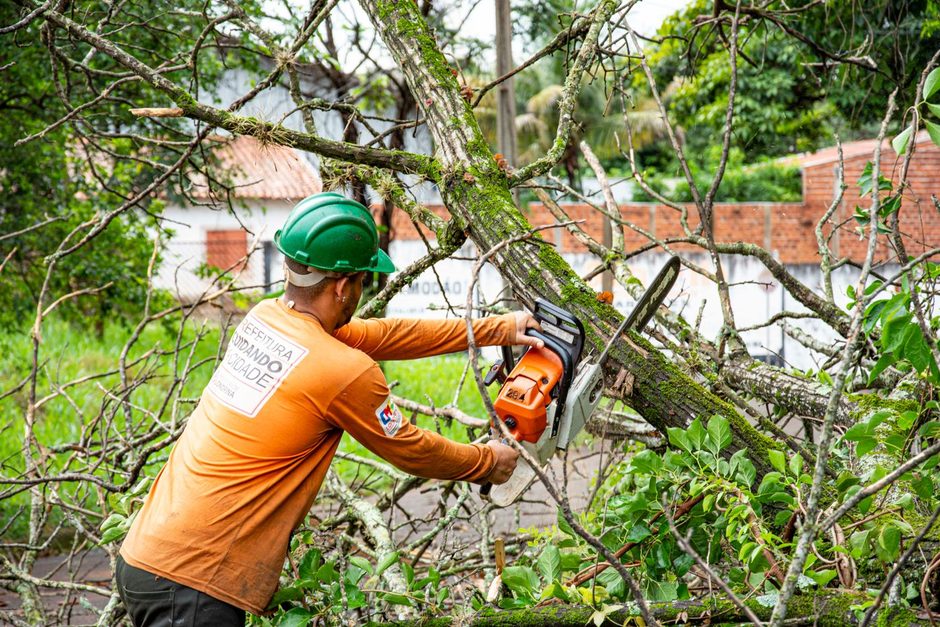
Storm season in Brisbane does not wait - a dangerous limb needs to be gone before the next northerly, not after your monthly SEO review. A strata manager in the inner west needs a dangerous limb gone before the next northerly, a landlord on the Gold Coast wants a tidy prune before end of lease, and a commercial facilities lead in Melbourne is shopping three quotes for canopy work over a car park. They type, they tap the map pack, and they ring whoever looks local, insured, and ready this week.
If you run tree services or arborist work in Australia, organic search is still one of the cleanest paths to those jobs. Paid can fill gaps after a wind event, but the diary that stays full when CPC spikes is usually the firm that owns high-intent local queries, a sharp Google Business Profile, and service pages that prove ticketed crews, not just stock photos of chainsaws. This piece is a self-audit checklist for SEO for tree services and arborists Australia: score the leaks, prioritise the fixes, and walk out with a 30-day plan you can actually run.
You will rate yourself section by section, then stack the highest-leverage work first. No generic “do more content” lecture. Just the channel mechanics that turn searchers into booked removals, stump grinds, and pruning days.
Score the organic leaks before you write another blog post
Most tree firms in Sydney, Perth, or Adelaide do not fail SEO because they “lack content.” They fail because the site cannot answer the job the buyer is hiring for: emergency storm work versus scheduled pruning, residential versus strata, crane access versus backyard climb work. Google rewards clarity on that intent. Your diary rewards speed and proof after the click.
Start with a blunt scorecard. Be honest. A 2 that you fix beats a polite 5 that stays broken.
Audit scorecard
-
Intent map vs homepage mush
List the last 40 booked jobs and group them: storm / hazardous tree, deadwood prune, palm clean, stump grind, land clearing light, multi-tree strata package, development-related arborist report (if you sell it). Search each cluster in Google for your primary city. If your homepage ranks for “tree services [suburb]” but you have no dedicated URL for stump grinding or emergency tree removal, mark this low. One generic “services” page rarely converts high-intent queries into the right quote form.
-
Google Business Profile as the real local homepage
Open your GBP on mobile. Categories, service list, service areas, hours (including after-storm reality), photos of crews and chip trucks, Q&A, and products or services with plain AUD ranges where you can. If the profile still says “tree service” only and never mentions arborist, stump grinding, or crane, you are leaving map pack slots on the table. Check review velocity and owner replies in the last 90 days.
-
Entity and proof density
Can a stranger tell, in under 10 seconds, that you are a real Australian crew with insurance, ticketed climbers, chippers, and named suburbs you cover? Look for ABN or company details, insurance language, crew photos, before/after galleries tied to job types, and suburb or LGA pages that are not pure doorway fluff. Thin “serving all of Australia” claims without local proof usually underperform against a firm that owns one metro and proves it.
-
Technical and mobile reality on-site
Most high-intent tree searches happen on a phone after something has already gone wrong. Run a field test: open your top three service pages on 4G, tap call, open the form, scroll past the fold. Note INP jank, bloated hero video, or a sticky bar that hides the dial button. Fewer than six in ten origins pass all three Core Web Vitals on mobile - tree sites heavy with gallery images routinely sit on the wrong side of that line.
-
Conversion path and response loop
Organic traffic that never becomes a booked job is still a leak. Track calls and form submits by landing page, not only by “organic” as a lump. Measure time-to-first-response after hours. If your best ranking page is a blog about eucalyptus pests and the CTA is “contact us,” score this low. The money pages need job-type CTAs, photo proof near the form, and a path that matches storm urgency versus planned prune.
-
Content system that cites real trees and cities
Plenty of top-ranking pages online now contain AI-assisted text. That is not a free pass to ship generic “benefits of pruning” posts. Score your last six articles: do they name species common in your market, council permit realities, access constraints, and suburbs you actually work? If every post could sit on any US or UK tree site unchanged, it will not build the local trust or information gain Google keeps rewarding.
Write a 1-5 next to each item. Anything at 1-2 becomes this month’s priority. Anything at 4-5 gets maintenance only. If you want a second pair of eyes on the full stack, HeyLead’s SEO work for Australian home-service brands is built around this kind of leak hunt, not vanity keyword lists.
High-intent searches that actually fill an arborist diary in AU
Buyers do not wake up wanting “thought leadership on urban forestry.” They want a safe tree down, a stump gone before the landscaper arrives, or a written assessment for strata. Your SEO should mirror that language.
Cluster intent the way the phone rings:
-
Emergency / hazard: “emergency tree removal [suburb]”, “tree on house [city]”, “storm damaged tree removal”
-
Scheduled residential: “tree pruning [suburb]”, “arborist near me”, “palm tree cleaning [city]”
-
Stump and site prep: “stump grinding [suburb]”, “tree removal and stump grinding package”
-
Strata and commercial: “strata tree maintenance [city]”, “commercial arborist [industrial precinct]”
-
Compliance-adjacent (only if you sell it): “arborist report [council area]”, development or protected tree language that matches your tickets and insurance
Map each cluster to one primary landing URL. Do not force storm removal and gentle formative pruning onto the same page with one vague H1. The query, the hero proof, the FAQ, and the form fields should match. When you need suburb coverage, build genuine local pages only where you win work: photos from that corridor, travel time honesty, and reviews that mention the area. Doorway farms across every postcode in NSW will not help you long term.
For Tree Services and Arborists marketing, organic demand also rides seasonality and weather. Build a thin set of storm-ready assets before the season: a mobile-first emergency page, GBP posts you can publish the morning after a front hits, and call tracking that attributes those spikes. That is how SEO stays useful when every competitor is also bidding on “tree removal Sydney.”
Zero-click behaviour and AI Overviews mean some informational queries never reach your site. That is fine. Protect the commercial clusters first. Win the map pack and the service pages that sit under “book a quote” intent. Use informational content to support those money pages with internal links, not as a substitute for them.
Get a free marketing audit - we review your search, ads, and landing pages and send back what to fix first.
Get a free audit
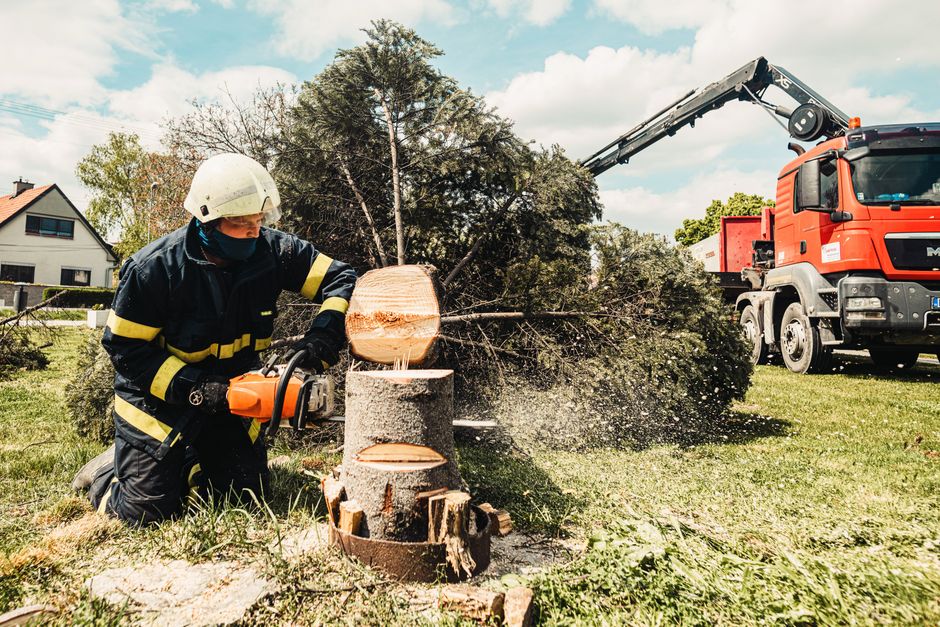
The practical SEO checklist: fix rankings, proof, and the booking path
Here is the playbook to run once the scorecard is filled. Treat it as ordered work, not a brainstorm.
Action checklist
- Export Search Console queries for 90 days. Tag each row emergency, prune, stump, strata, report, or junk. Kill or noindex pure junk magnets that burn crawl without jobs.
- Rewrite H1 and title tags on the top five money pages so the primary job type and city or region sit in plain Australian English. Preview snippets before you publish.
- Rebuild GBP services to match the intent map. Add fresh crew and chip-truck photos weekly during peak season. Reply to every review with a short note that names the job type when appropriate.
- Add LocalBusiness or HomeAndConstructionBusiness schema plus FAQ schema on service pages that answer permit, access, and clean-up questions you already field on the phone.
- Compress galleries. Lazy-load below-the-fold images. Keep the call button sticky and unobstructed on mobile. Re-check Core Web Vitals after each theme or slider change.
- Place proof above the form: insurance mention, years trading, suburb names from real jobs, and two before/after pairs for that job type. Remove stock “happy family under oak” if it is not your work.
- Wire call tracking and form events into GA4 with UTMs on any offline print or truck QR that still points at the site. Separate organic landing-page reports from brand direct.
- Publish one genuinely local piece per fortnight: species and access notes from a real job in your metro, council quirks you navigate, or a storm aftermath walkthrough. Human detail first; AI only as a draft assistant under editor control.
- Internal link from every new article to the matching money page with descriptive anchors (“stump grinding on the Sunshine Coast”), not “click here.”
- Review organic sessions to booked jobs monthly with the office. If a page ranks and rings but quotes die, fix offer clarity and response SLA before you chase more keywords.
Free tools - try these yourself
Content cadence is where small tree companies stall. Owners can write two solid posts, then disappear into crane weeks. A managed system such as HeyLead Auto Blogger exists for that gap: region- and niche-aware articles under human strategy so you keep shipping local pieces without standing up a full in-house writing desk. Pair that with technical and GBP hygiene or you will simply publish into a slow site.
When traffic arrives but quotes do not, stop guessing. Session replay and heatmaps through HeyLead Insights show whether people bounce on insurance uncertainty, abandon the form at photo upload, or never see the call button behind a cookie wall. One afternoon of watching real sessions often beats another month of “more SEO content.”
Two Australian scenarios: what the scorecard caught
Outer Melbourne pruning firm, map pack present, forms quiet. Organic sessions looked healthy on a broad “tree services Melbourne” page. The office still complained the phone only rang after storms. The scorecard showed a 2 on intent map and a 2 on conversion path. They split stump grinding and deadwooding onto dedicated URLs, moved insurance and chip-clean language above the form, and cut a 4MB hero gallery. Within a few weeks the stump page started producing mid-week quote requests that were not storm panic. The mechanism was simple: searchers for stump work finally landed on a page that spoke stump, not a general brochure. A common pattern we see is the same: storm weeks bury teams in homepage spam enquiries until emergency removal is split from scheduled canopy work, which cuts junk forms and makes the after-hours roster saner.
SEQ arborist crew strong on tickets, weak on entities. They ranked for a handful of branded terms and almost nothing local non-brand. GBP categories were incomplete, photos were two years old, and suburb pages were spun text. They spent three weeks on entity and proof: new climb and crane photos, service-area honesty inside their real travel radius, and three articles that named specific species and access constraints from recent jobs in Ipswich and the Sunshine Coast corridor. Rankings moved slower than the Melbourne conversion fix, which is normal. What changed first was call quality from the map pack: more “you looked local and legit” openers, fewer tyre-kickers asking for the whole suburb list. Another common pattern we see: firms keep publishing generic prune tips while the stump grinding page has no photos of the grinder-organic sessions look fine in GA4, but booked stump jobs only move after that one URL is rebuilt and every GBP question about access width is answered.
If your own audit is stuck between technical debt and content, fix the money-page conversion path first. Rankings on a page that cannot take a booking only raise the cost of every click you eventually buy.

FAQs
How long before SEO for tree services shows booked jobs in Australia?
GBP and conversion fixes can move call volume within weeks. New service-page rankings in competitive metros often take a few months of consistent technical, content, and review work. Treat 90 days as a serious operating cycle, not a magic switch.
Should we rank one page for every suburb we drive through?
No. Build local pages where you win repeat work and can show real proof. Thin pages for every postcode dilute quality and waste crawl. Strengthen the city or region page plus a tight set of high-volume suburbs instead.
Do we still need blogs if AI Overviews answer pruning questions?
Yes, but only if the posts add local, operational detail and point to money pages. Pure generic explainers are weak. Information gain from real Australian jobs, species, and access constraints still helps entity strength and internal linking.
What should we track besides rankings?
Organic calls and forms by landing page, quote-to-job rate by job type, response time, and revenue from organic-attributed work. Rankings without booked chip truck days are vanity.
Is paid search a substitute for this checklist?
Paid helps after storms and for gap coverage. It does not fix a slow mobile page, a weak GBP, or a homepage that cannot convert stump intent. Run both with the same landing standards.
Putting it to work
This week
-
Complete the six-point scorecard with real 1-5 scores, not aspirational ones.
-
Pull 90 days of Search Console data and tag queries by job cluster.
-
Fix GBP categories, services, and five fresh job-site photos.
-
Run the Core Web Vitals and title tag checks on your top three URLs.
-
Move insurance, clean-up scope, and a click-to-call control above the fold on the highest-traffic service page.
-
Watch five session recordings on that page if you have behaviour tools enabled.
Next 30 days
-
Ship or rebuild two money pages (for example emergency removal and stump grinding) with matched proof and FAQs.
-
Publish two local, job-derived articles and internal-link them hard to those pages.
-
Close the loop in reporting: organic landing page to quote to booked job in AUD, reviewed with whoever answers the phone.
-
Set a sustainable publishing cadence (in-house editor or Auto Blogger under strategy) so content does not die after one quiet month.
-
Re-score the checklist and only then expand suburb coverage.
Start by scoring the six audit items with your office manager in one sitting, then fix the lowest conversion-path score before you commission another round of blogs. If you want a partner to own the unglamorous loop of local entity SEO, service-page proof, behaviour-led CRO, and steady niche publishing for Australian tree work, HeyLead can take that operational load while you keep crews on tools - reach out via [email protected].
Free marketing audit, or reach Martin directly:
Get a free audit Chat with us on WhatsApp · [email protected]