
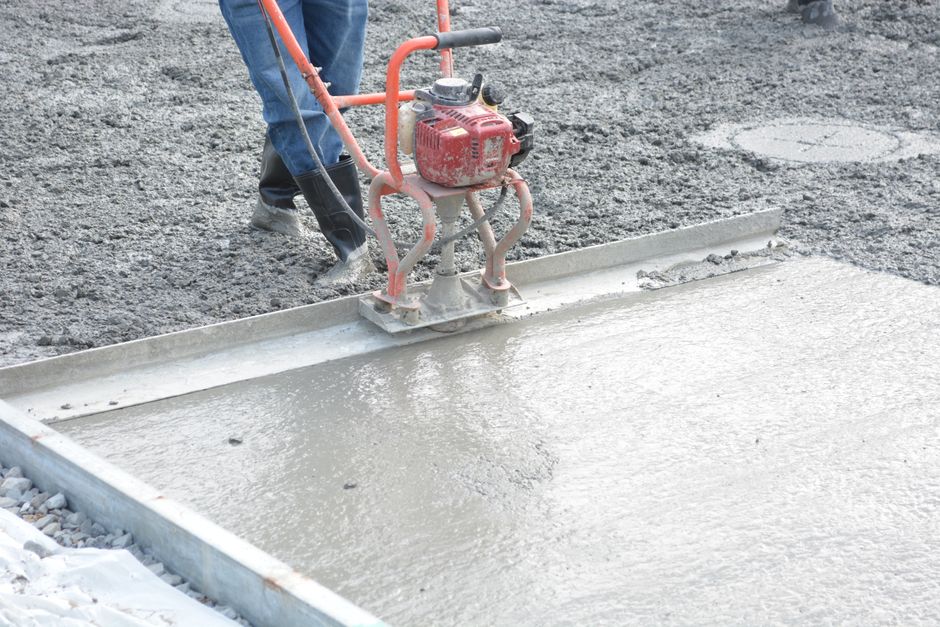
A strata committee in western Sydney finally signs off on a car-park slab repair after three quotes and two site walks. Nobody opened Google with “concreting near me” first. They scrolled Instagram Reels of a pour finishing under lights, saw a Facebook post from a neighbour whose driveway cured clean, and only then messaged for a measure-and-quote. That path is demand generation on social: attention first, intent second, booked pour last.
For concreting owners across Australia, Meta Ads (Facebook and Instagram) sit in that middle ground. You are not buying the same high-intent click as a Google search for “exposed aggregate driveway Gold Coast.” You are interrupting a feed with proof, an offer, and a reason to talk now. Done well, the calendar fills with driveway, patio, shed slab, and commercial repair work that would never have typed the right keywords. Done poorly, you pay for tyre-kickers, incomplete Instant Forms, and leads that go cold before your estimator rings back.
This explainer walks through how Australian homeowners and property managers actually decide on concreting work, what “good demand” looks like on Meta, and what has to be true in creative, forms, landing pages, speed-to-lead, and tracking before you scale spend in AUD.
How Australian concreting buyers move from scroll to site visit
Homeowners rarely wake up hunting for a cubic metre rate. They notice cracking, ponding after rain, a strata notice, end-of-lease pressure on a rental, or a landscaper who will not start until the slab is right. In Melbourne and Brisbane suburbs, that moment often lands on a phone at night. They swipe past mates’ holidays, pause on a before-and-after driveway, and tap “Get quote” because the video made the mess look fixable.
Commercial and strata buyers behave differently. A facilities manager in Perth or Adelaide may save three contractors from LinkedIn or Facebook, then compare insurance, SafeWork habits, and whether you show steel, mesh, and jointing detail rather than just a glossy finish shot. They still respond to social proof, but they punish vague offers. “Free quote” without suburb coverage, typical lead times, or photo evidence of similar jobs reads as noise.
Search still wins when pain is acute and local: a failed inspection, a trip hazard, a council deadline. Social wins earlier, when the job is real but not urgent enough for a search session. That is why Meta demand gen for concreting in Australia feels “softer” than Google. Soft does not mean useless. It means your creative has to carry the targeting load, your form has to filter tyre-kickers, and your phone process has to treat a Facebook lead like a warm enquiry, not a brochure request.
Good demand on this channel looks like conversations that name a surface (driveway, path, garage slab, polished internal, rectification), a suburb or postcode band, a rough timing window, and a photo already attached or promised. Vanity demand looks like “interested in concrete” with a fake mobile and no site address. Your job is to design the ad-to-handoff path so the first type dominates.
Where Meta spend leaks on concreting jobs before a truck rolls
Most wasted budget is not “Meta is broken.” It is a mismatch between how the platform finds people and how a concreting yard qualifies work. Broad delivery plus weak creative pulls curiosity clicks. Instant Forms that only ask name and phone reward volume. A homepage full of every service from kerbs to polished floors forces the lead to reverse-engineer whether you even cover their job type.
Creative fatigue hits trades hard because the same drone pour clip runs until CPMs climb and comments dry up. You will often see cost per lead look fine for a week while booked-job rate quietly falls. Attribution then lies to you: Meta reports a cheap lead, your office diary shows two no-shows and one “just after a ballpark for a huge commercial slab we cannot staff.” Without offline feedback (won job, lost job, wrong service, out of area), smart delivery keeps optimising for the wrong event.
Speed is the other leak. A Facebook lead at 7:20pm on a Sunday is not the same as a Google call at 10am Tuesday. If nobody replies until Monday smoko, that homeowner has already messaged two other tradies who answered on WhatsApp. Social demand generation for concreting lives or dies in the first 15 to 20 minutes when someone is still staring at your pour video.
Proof gaps finish the waste. Pretty finishes without joints, falls, reinforcement, or wet-weather contingency make serious buyers bounce. If traffic hits a slow mobile page or a form that asks for ten fields before a photo upload, you will feel it as “Meta leads are rubbish” when the real issue is post-click friction. When you tidy that path, pair it with behaviour evidence. Tools like HeyLead Insights (session recordings, heatmaps, scroll and form abandon) show whether people stall on missing insurance badges, refuse long Instant Forms, or never reach the quote CTA on mobile.
If you want a channel-shaped program rather than random boosts, skim how structured Meta Ads work is scoped for Australian accounts before you raise daily budgets again.
Get a free marketing audit - we review your search, ads, and landing pages and send back what to fix first.
Get a free audit
A practical Meta demand stack for concreting yards
Start with the offer, not the audience panel. Spell the job types you actually want this quarter: residential driveways and paths in named metro belts, shed and garage slabs, small commercial rectification, polished or exposed only if you truly deliver them. Put suburb or travel radius in the ad primary text. Price guidance can be ranges or “from” figures in AUD including GST clarity, or a site-measure promise with a clear next step. Vague “best concrete company” lines do not stop the doom scroll.
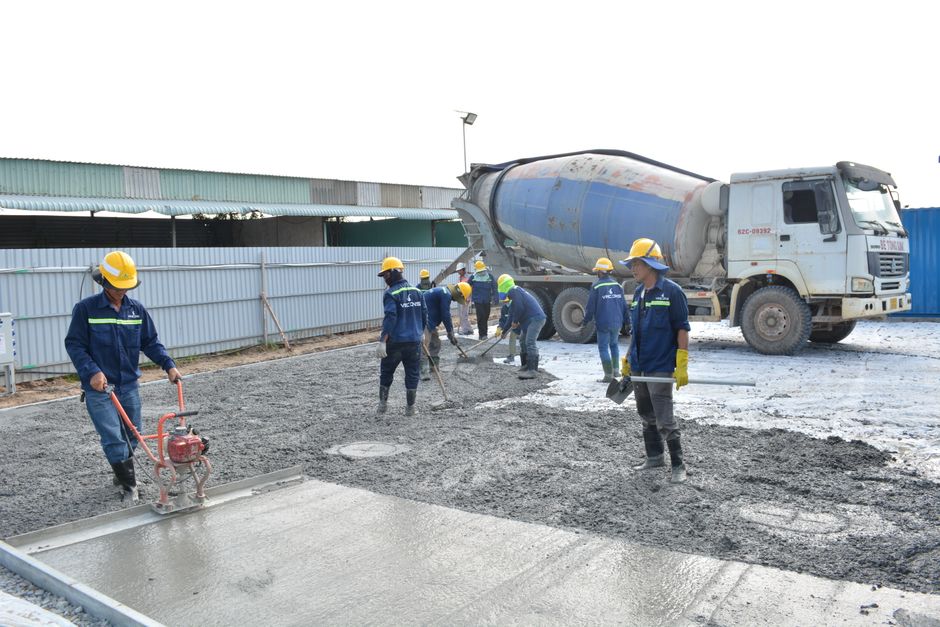
Treat creative as targeting. Short vertical video of a real pour, a time-lapse of a driveway cut and finish, a side-by-side crack repair, or a supervisor explaining falls and drainage in plain language will outperform logo slideshows. Hook in the first second with the problem (pooling water, trip edge, ugly patchwork). Show people and process, not only the final gloss. Rotate hooks every few days once frequency climbs; UGC-style clips often peak fast, so plan a small library rather than one hero asset.
Run fewer campaigns with broader delivery, then let creative and conversion signals sort quality. Stacking tiny interests for “home improvement” the 2020 way usually underperforms Advantage+ style delivery when your videos and offers are specific. Retargeting should advance the quote: site-measure booking, photo checklist, finance or staged-payment note for larger pours, not a nagging “miss us?” ad with the same clip.
Choose form path on purpose. Instant Forms work when fields force quality: job type, suburb, approximate size or photos, preferred contact window, and permission to call. Send the highest-intent traffic to a dedicated landing page that mirrors the ad (same job type, same proof, same CTA). Do not dump cold social traffic on a generic homepage. On the page, lead with three proof blocks Australian buyers actually use: recent local jobs with suburbs named, public liability and licence cues, and a plain explanation of how measure, quote, and pour scheduling work. Keep the form short on mobile; offer click-to-call for people who hate typing on site.
Wire tracking so “lead” is not the only success event. Pass quality flags back where you can (booked measure, won job, disqualified). Expect Meta’s average ROAS across industries to sit lower than Google’s in broad 2026 benchmarks; concreting should judge success on cost per booked site visit and cost per poured job in AUD, not on platform vanity CPL alone. Clean events beat constant campaign rebuilds that reset learning.
Owners comparing partners often want concreting-specific positioning rather than generic trade ads. A focused Concreting marketing program keeps offer, creative, and follow-up aligned to pours rather than every home-service lead under the sun.
Two yard-level scenarios: driveway feed ads and strata repair retargeting
Scenario one: a Brisbane owner-operator wants residential driveways inside a 40-minute radius. Cold traffic sees three creatives: a 12-second clip of water sheeting off a new fall, a still set of cracked versus replaced slabs in Logan and Ipswich, and a supervisor on camera listing what the free site measure includes. Primary text names suburbs and says quotes include GST breakdown on the written estimate. Instant Form fields: driveway or other, suburb, rough length, photo upload optional but prompted, best time to call.
Office rule: any form after hours gets an SMS within ten minutes and a call at 7:30am. Soft leads (“maybe next year”) go to a weekly nurture with curing tips and rain delay explanations rather than daily retargeting. After two weeks they kill the generic “concrete services” ad that drove cheap leads with no address, keep the drainage hook that produced three paid deposits, and add a testimonial still from a finished job in the same postcode band. The mechanism that mattered was not a new audience switch. It was forcing job type plus suburb on the form and matching the ad promise on a single-purpose landing section.
Scenario two: a Melbourne yard chasing small strata and body-corporate repair work. Cold video shows joint failure and trip hazards with on-screen notes about documentation for committees. Click-through goes to a page with sample report photos, insurance summary, and a CTA for “committee pack” (scope outline, rough timing, how access works). People who watch 50% or open the pack but do not convert see retargeting that offers a 20-minute Teams or site walk slot, not another brand reel.
They track which leads mention “committee” or “common property” in the first call and mark those as a custom quality event. Spend shifts toward the creative that attracts that language. Response SLA is same morning for weekday forms, because strata threads go cold when two other contractors already emailed a method statement. Again, the fix is specific: proof built for committee risk, retargeting that books a walk, and a quality signal beyond “form filled.”
-
Name the job and the geography in the first line of ad copy.
-
Require one quality field (job type, suburb, or photo) before you celebrate CPL.
-
Reply while the prospect still has your pour on screen.
-
Retarget with the next decision step, not a repeat of the same brag.
-
Judge weekly on measures booked and jobs won, then feed that back into delivery.
Patterns we see in audits
The short quotes below are illustrative composites drawn from patterns in account reviews. They are not quotes from named clients.
“We kept celebrating $28 Facebook leads until we realised half had no suburb and none of them would send a driveway photo. Once the form asked for job type and postcode, CPL went up a bit but Saturday measures actually showed up.” - Owner, residential concreting, Queensland
“Strata work only started converting when the retargeting ad offered a committee one-pager instead of another glossy finish shot. Same budget, different next step.” - General manager, commercial concrete repairs, Victoria
FAQ
Are Meta leads too soft for concreting compared with Google?
They are earlier in the decision. Soft becomes useful when creative shows real work, forms capture job type and location, and your team answers fast. Soft becomes expensive when you optimise only for cheap form fills.
Should I use Instant Forms or a landing page?
Use Instant Forms for simple residential offers with strict quality fields. Use a landing page when you need insurance detail, job galleries, or strata documentation. Many accounts run both and send warmer traffic to the page.
How much should a concreting business spend to learn?
For a residential driveway business with a $4,000-$8,000 average job, a realistic test budget is $1,500-$3,000 AUD over 4-6 weeks - enough to generate 30-50 leads and see whether cost per booked measure is viable before scaling. Tie the figure to your average job margin in AUD and a target cost per booked measure, then review creative and lead quality before you scale. Enough to exit learning with your real conversion event, not a toy budget that never leaves the learning phase.
Why do results swing day to day on Facebook?
Delivery, auction pressure, and creative fatigue move faster than search. Judge on rolling multi-day trends and booked work, not a single expensive Thursday.
What proof matters most on the ad and page?
Local before-and-afters, clear scope boundaries, licence and insurance cues, and a plain measure-to-pour process. Finish shots alone rarely close nervous buyers.
Free tools
DIY free tools for this playbook
Before you scale Meta spend, make sure your landing pages and local presence can convert the traffic - these tools flag what to fix. Run these on the pages and campaigns this article covers, then fix what they flag before you scale spend or content volume.
Run these on this playbook
If the checklist shows a leak you cannot close in-house, request a free marketing audit.
Putting it to work
Pull the last 30 to 40 Meta enquiries and tag each one: right job type, in area, photo or size supplied, measure booked, won, lost reason. That single sheet shows whether your problem is creative, form design, response time, or offer clarity before you touch another budget toggle.
When you want the messy middle handled end to end, the handoff from social creative and lead forms through proof-heavy pages and fast follow-up that turns Facebook interest into booked pours, HeyLead can run that Meta demand program with you so you stay focused on the yard. Message us on WhatsApp.
Free marketing audit, or reach Martin directly:
Get a free audit Chat with us on WhatsApp · [email protected]