
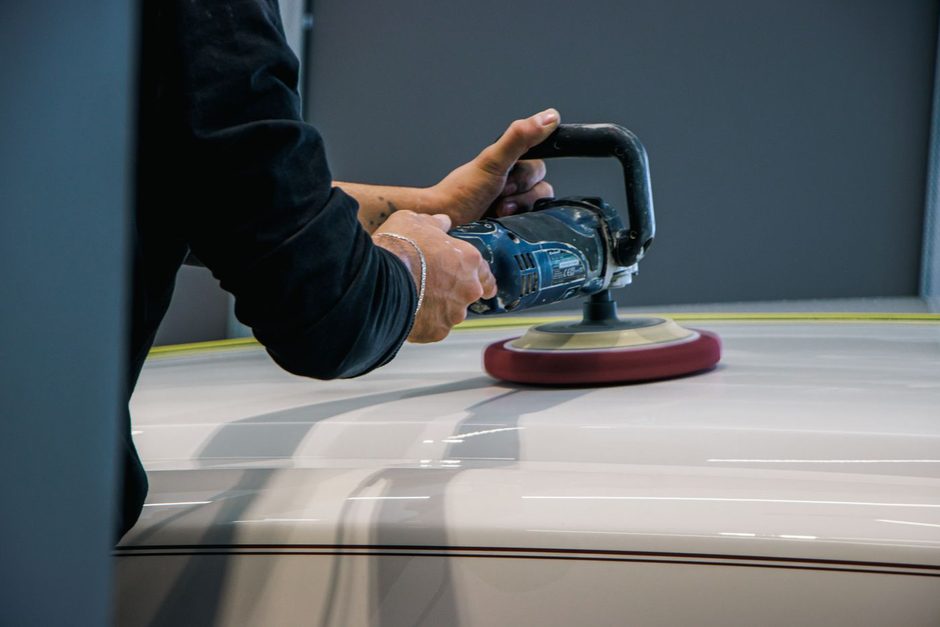
Monday in a Melbourne bay often starts the same way: three walk-ins for a basic wash, one cancelled ceramic booking, and the phone still quiet while a competitor three suburbs over is already full for mobile paint correction. Owners who treat digital marketing for car detailing Australia as “a website and some Google posts” feel that gap first in diary density, not in vanity rankings. Organic demand here is local, seasonal, and heavily review-led. A fleet manager in Western Sydney searching for ceramic coat packages at 9pm is not browsing lifestyle content. They want proof you can turn vans around without drama, a clear price band in AUD, and someone who answers before the next quote wins.
This piece is about directional SEO benchmarks and ranges you can actually use when you read Search Console, local pack movement, and booked-job data side by side. Not fake industry studies. Operational bands for response, conversion after the click, and what “healthy” organic contribution looks like when GST, mobile jobs, and end-of-lease detailing spikes all pull on the same diary.
What Australian detailing buyers search when they are ready to book
High-intent clusters in Australia skew hard toward service plus suburb, protection packages, and problem language. Think “mobile car detailer near me”, “ceramic coating [suburb]”, “interior detail smoke smell”, “fleet detailing quote”, and “end of lease car clean Melbourne”. Low-intent traffic pads sessions: “how often should I wash my car”, brand curiosity, and generic “best detailing products”. If your content calendar only chases the latter, you will see organic sessions rise while booked bays stay flat.
Local pack still decides a large share of first contact for single-location shops. Entity signals matter more than most owners admit: consistent NAP across directories, service areas that match where you actually drive, photos that look like Australian cars and streets rather than stock US SUVs, and Google Business Profile posts that name real packages. Multi-bay operators in Brisbane or Perth often under-invest in service-area pages and over-invest in a single homepage that tries to rank for everything. That pattern shows up as impressions without calls.
Zero-click behaviour is real. AI Overviews and map packs answer simple questions without a site visit. Your job is not to panic about every impression. It is to win the clicks that still happen on commercial queries and to be the brand cited when someone does open a result. Information gain beats recycled product lists. Pages that explain process, cure times, warranty language, and what you refuse to do (and why) tend to hold attention longer than thin “we detail cars” copy. When you score pages, separate navigational brand searches from non-brand commercial terms that historically produce quote requests.
Directional ranges many AU shops use as a sanity check: if non-brand commercial queries drive under roughly 25-40% of organic sessions that hit a service or booking path, the content mix is probably too educational. If local pack impressions are high but calls and direction requests lag peers in the same city, proof and response speed usually beat more keywords. Treat those bands as reading guides, not targets etched in stone.
Where organic leads stall before they become paid jobs
The common failure mode is not “we do not rank”. It is ranking for the wrong intent, then leaking the click. A shop in Adelaide ranks for “car detailing” citywide, traffic looks healthy in analytics, yet the diary fills from Marketplace and word of mouth. Dig in and you find thin service pages, no package tiers in AUD, slow mobile forms, and a phone that goes to voicemail during peak bay hours. Organic did its job. Operations and conversion did not.
Response speed is a marketing metric whether you like it or not. Detailing buyers often request two or three quotes the same evening. Shops that answer within minutes lock mobile and ceramic jobs more often than shops that reply next morning with a generic template. Directional ops range many multi-location cleaners and detailers aim for: first human reply inside 5-15 minutes during trading hours on web leads, with a same-day callback SLA on after-hours forms. Miss that and your SEO CPL looks expensive even when traffic quality is fine.
Proof gaps kill conversion after high-intent clicks. Australian buyers scan for before/after sets on local vehicle types, Google review volume and recency, insurance or warranty notes on paint correction, and clear inclusions (clay bar, iron fallout, engine bay yes or no). Landing pages that bury pricing entirely or only say “contact for quote” without a starting band force extra friction. Tracking gaps hide the truth: organic sessions counted, but call tracking missing, offline bookings never tied back, and “SEO leads” that were actually branded searches from existing customers. You end up cutting content budget for the wrong reason.
If you want a structured partner on the organic side rather than another set of keyword PDFs, review how SEO programs are scoped for service businesses that live and die on local pack and service-page conversion.
Get a free marketing audit - we review your search, ads, and landing pages and send back what to fix first.
Get a free audit
Reading SEO benchmarks that matter for a detailing diary
Start with contribution, not rank screenshots. A useful monthly read for a single-site AU detailer: share of new quote requests and booked jobs attributed to organic (Search Console plus call tracking plus CRM source), cost of content and technical work versus that contribution, and organic assisted paths when someone found you on Google then booked after a review nudge. Organic does not get a tidy ROAS line the same way paid channels often do, so owners substitute cost per booked job and diary fill rate from organic. That is the right instinct.
Technical ranges still filter winners. Detailing sites heavy on uncompressed gallery images fail INP and LCP on mobile, exactly where local searchers live. You do not need perfection. You need galleries that still load fast enough that a phone user can open a ceramic package page without bouncing. Form fields should be short: suburb or postcode, vehicle type, service type, preferred date, phone. Long questionnaires belong after interest is confirmed.
Content volume is not the benchmark. Cadence and usefulness are. Many top-ranking pages now include AI-assisted drafts, but thin AI without local process detail stalls. A sustainable system publishes service-area updates, package explainers, seasonal pieces (pollen, dust, hail season prep, end-of-lease spikes), and FAQ blocks that match how people actually ask about swirl marks and ceramic aftercare. HeyLead’s Auto Blogger fits when you need niche- and region-aware articles at a steady pace under human strategy, without hiring a full-time writer for every suburb page.
Conversion after click deserves its own band. Shops that tighten proof and forms often see booking or qualified-enquiry rates on service pages move from low single digits into healthier mid-single to low-double-digit ranges depending on ticket size. Ceramic and PPF pages convert lower than express interior cleans. Compare like with like. If express pages convert and ceramic pages do not, fix offer clarity and risk reducers before you rewrite every blog post.
Two Australian shops and the numbers that actually moved
A Gold Coast mobile detailer ranked decently for “mobile car detailing” but diary density stayed lumpy. The mechanism was simple: one generic homepage, no separate pages for interior, ceramic, and fleet, and GBP categories that understated mobile work. They split service pages with AUD starting prices, suburb service notes, and three local before/after sets per package. Call tracking was added on organic landing paths only. Within roughly 11 weeks, non-brand organic enquiries that reached a booked job rose about 37% while total organic sessions rose far less. The lesson was page-to-offer match, not more blog volume.
A multi-bay operator in Sydney’s inner west had strong review count but weak entity consistency. Address variants and outdated hours across directories split local pack trust. They fixed NAP, refreshed photo cadence with real bay shots, and rewrote the ceramic page to state cure time, what they will not coat, and a clear deposit rule. Response SLA moved from next-day email to SMS within 10 minutes on web leads. Booked ceramic jobs from organic paths improved even though average position on a few head terms barely moved. Rank vanity stayed flat. Revenue did not.
Practical checklist both used:
-
Map top 20 commercial queries to one primary page each, not the homepage.
-
Attach call and form tracking to those URLs only, then reconcile weekly to the diary.
-
Publish proof that matches the query (fleet vans for fleet terms, interiors for smoke and pet jobs).
-
Set a written first-response target and measure it like a marketing KPI.
For niche positioning across packages and locations, pair this work with a focused Car Detailing marketing brief so channel and offer stay aligned.
What clients say about working with HeyLead
The same local-pack, service-page, and response-speed methodology applies across service businesses that live on booked jobs. Clients outside pure detailing still speak to how the work feels day to day:
“Our company 1800 CLEANER has worked with Martin for over two years now and after trying out literally dozens of suppliers over the previous decade we can attest he is one of the best. His technical knowledge and expertise in the SEO and related online marketing space is second to none. But more importantly he cares. This is rare. He listens and does not force his worldview on the client but truly empathises and works hard to understand the clients world view and follows through. The feeling of support that ensues, in this increasingly selfish world, is truly otherworldly. We have no hesitation in recommending him.” - Michael Sweet, CEO, 1800 CLEANER
“HeyLead helped us develop SEO ranking on key search terms for our communications marketing platform. They also helped us build, test and manage our paid SEM program. They were very responsive to our specific goals and brought subject matter expertise, saving us a lot of time and effort. They take a very practical results-oriented approach. We are planning to use them again on our next new brand launch. I highly recommend their services.” - Joe Charlson, CEO, CallerReady

FAQ
How long before SEO shows booked jobs for a detailing shop in Australia?
Local pack and service-page improvements can move calls in weeks when NAP and proof were the blocker. Competitive ceramic and citywide head terms often need a few months of consistent content, links from real local entities, and conversion fixes. Anyone promising a fixed ROAS or diary fill date before seeing your account is selling certainty they cannot own.
What organic conversion rate should we expect on a service page?
Express and interior pages often see qualified-enquiry rates in the 3-8% range; ceramic and PPF pages typically sit lower, sometimes 1-4%, reflecting higher consideration time. Use your own 60-90 day baseline as the anchor, then test proof elements and form length against it. Compare pages by service type, not one blended site average that hides ceramic friction.
Should we prioritise blogs or service pages first?
Service and location pages that match commercial intent first. Blogs support information-gain queries and seasonal demand once the money pages convert. A publishing system only helps if those posts feed real packages and suburbs you serve.
How do AI Overviews change our SEO plan?
Expect fewer clicks on simple definitional queries. Double down on commercial pages, strong GBP, reviews, and content with genuine process detail so you remain the brand people choose when a click still happens or when recommendations surface.
Is SEO enough without paid search?
SEO builds durable local demand, but many shops still use light paid coverage for peak seasons, new suburbs, or ceramic launches. The benchmark is blended cost per booked job, not channel purity.
Free tools
DIY free tools for this playbook
Run these on the pages and campaigns this article covers, then fix what they flag before you scale spend or content volume.
Run these on this playbook
If the checklist shows a leak you cannot close in-house, request a free marketing audit.
Putting it to work
Pull the last 90 days of organic landing pages, pair each with calls and form fills that became booked jobs, and flag any commercial URL converting under your median for that service type. Fix the worst three pages first with clearer AUD package bands, local proof, and a tighter form, then set a written response-time target for those leads.
If you want a partner to own the full loop from local entity and service-page SEO through conversion proof and a sustainable publishing cadence for Australian detailing search demand, HeyLead can carry that operational load so you stay focused on bays and quality. Start a conversation at [email protected].
Free marketing audit, or reach Martin directly:
Get a free audit Chat with us on WhatsApp · [email protected]