
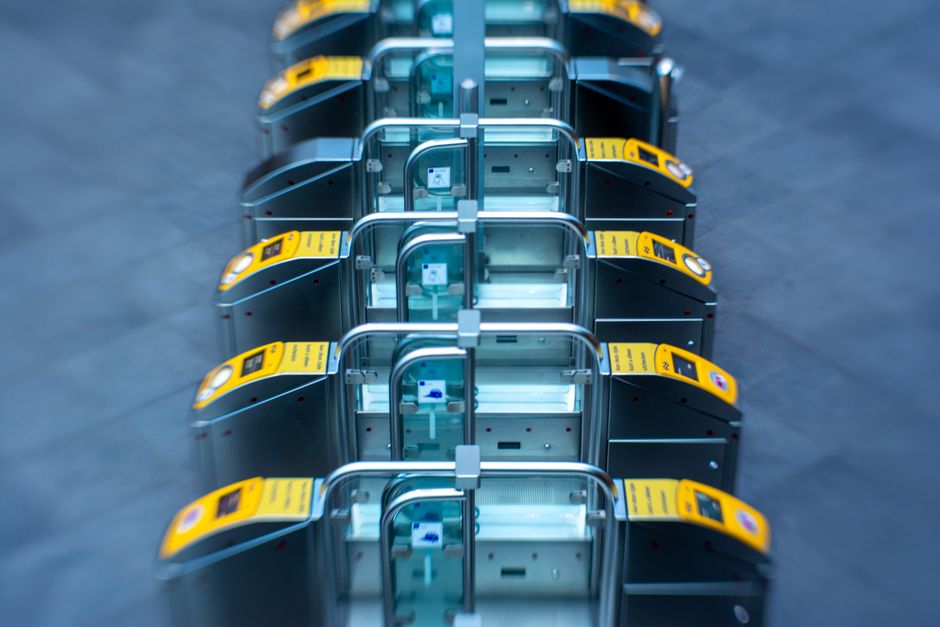
Card readers on a Southbank tower basement stop talking to the controller just after 6.50am. By 7.15 the facilities manager is on Google typing “access control system repair Brisbane” with a work order already open and a strata meeting at ten. That search is not research. It is a job with a truck attached if someone answers fast, proves they install the right hardware, and books the visit before three other firms reply.
Access Control work in Australia lives in that window: strata managers, building owners, commercial facilities teams, and the odd residential gated community. They search with product language (fobs, controllers, mag locks, intercoms, cloud access), brand names, and failure language (“not working”, “replace”, “upgrade”, “integration”). PPC for Access Control Australia only pays when those clicks become booked site visits at a cost your margin can carry. Forms that never get a call back, DIY queries, and generic security traffic look busy in Google Ads and empty in the diary.
This piece walks through the failure modes we keep seeing on Australian Access Control accounts, the Google Ads moves that protect cost per booked job, and two detailed scenarios from Melbourne and Brisbane where one concrete mechanism changed the outcome.
When Access Control Google Ads fill the CRM but leave the vans idle
Plenty of Access Control firms in Sydney, Melbourne, and Brisbane run Search campaigns that look healthy on paper. Click-through is fine. Cost per lead sits in a range the owner can live with. The CRM shows names. Then the installer roster stays light and the owner starts asking why marketing “isn’t working” when the dashboard still looks green.
What usually broke is intent mix, not budget size. Broad match on “access control”, “security system”, and “door entry” pulls facility managers who need a full design-and-install, electricians price-shopping a single reader, students writing an assignment, and homeowners who want a $200 smart lock kit from a hardware chain. Google will happily spend against all of them. You only get paid when a qualified site survey or emergency call lands with a deposit or a purchase order path.
Response capacity is the second leak. Commercial and strata buyers often call or submit a form between 7am and 9am and again late afternoon. If your ads run all day but the phone goes to a general inbox and forms sit until the next morning, the same searcher has already booked the firm that answered in twelve minutes. Paid search did its job. Your operations handoff did not. Dayparting that ignores when your techs can actually quote is just expensive brand awareness.
Landing pages finish the damage. Sending every ad group to a homepage that mixes CCTV, alarms, locksmith callouts, and a single buried Access Control paragraph trains Google that “anything security” converts. It also trains the buyer that you are a generalist. Dedicated pages that name the hardware brands you support, show strata and commercial proof, and make the next step a booked assessment convert differently from a brochure site. When post-click behaviour is opaque, teams argue about CPC while the real waste sits in the form drop-off and the weak proof block above the fold.
If you want a sharper read on whether the issue is media or the page, pair Search changes with on-site behaviour data rather than gut feel. Tools like HeyLead Insights show scroll depth, rage clicks, and where strata managers abandon the quote form so you fix the leak instead of only cutting bids.
How to structure Google Ads for Access Control in Australia: intent clusters and negatives
A practical Access Control Google Ads setup in Australia starts with intent clusters, not one giant campaign called “Access Control”. Separate emergency and repair language from planned upgrades and new installs. Separate residential gated and single-dwelling work from multi-dwelling strata and commercial sites if your ticket sizes and sales cycles differ. Match ad copy to the cluster: “same-day reader fault diagnosis” is a different promise from “multi-door controller upgrade with audit trail”.
Negative keywords are not a one-off tidy-up. They are weekly hygiene. Expect DIY, jobs, course, salary, software-only, consumer smart-lock brands you do not support, and pure CCTV or alarm phrasing if that is not your offer. Search terms reports should feed negatives and new exact or phrase themes you actually want to own.
Bid and budget decisions should sit on cost per booked job or cost per qualified site visit, not CPL alone. A $45 form fill that never answers the phone is worse than an $180 call that books a $4,800 controller upgrade. Call tracking and form tracking both matter. Many Access Control buyers still prefer to talk, especially when a lobby is locked or a basement car park is failing. If you only optimise for forms, Smart Bidding learns the wrong success signal. Enhanced conversions and clean offline import of “booked” and “won” statuses keep automated bidding closer to revenue than raw lead spam.
Landing page match is non-negotiable. Each high-intent ad group needs a page that repeats the query language, shows relevant proof (strata references, commercial brands, licence and insurance cues buyers expect in Australia), and offers one clear path: call now or request a site assessment. GST-inclusive pricing ranges or “from” guide prices help when the job type allows it; when every site is scoped, say that plainly and show what the assessment covers. Mobile is most of paid search clicks, so the click-to-call button and short form must work on a phone in a plant room, not only on a desktop in the office.
Dayparting and geo should reflect where you actually win work. If Perth techs cannot reach a northern suburbs site the same day, do not pay premium CPC for urgency queries there. If your strongest margin is CBD commercial in Melbourne and Gold Coast multi-site portfolios, weight budget and ad schedules to those patterns and to the hours someone senior can pick up. For operators who want this run as an ongoing program rather than a set-and-forget account, a focused SEM / Google Ads engagement keeps structure, negatives, and conversion signals maintained as query mix shifts.
Get a free marketing audit - we review your search, ads, and landing pages and send back what to fix first.
Get a free audit
Two Australian Access Control accounts where one mechanism changed the result
Melbourne strata portfolio: after-hours urgency ads with a daytime diary
A Melbourne Access Control owner running two vans and a subcontract electrician had been buying “access control repair Melbourne” and “intercom not working” on a broad schedule. CPL looked acceptable at around $55-65 AUD. The problem showed up in the job book: evening and weekend form fills sat until Monday, by which time the strata manager had hired someone else. Google was charging for urgency the business could not service.
The fix was operational before it was clever media. They mapped real response capacity: two techs available for callouts until 6pm weekdays, limited Saturday morning coverage, nothing Sunday. Ad schedules tightened to those windows for emergency clusters. After-hours traffic moved to a short message ad path that offered next-business-morning priority booking instead of implying a truck was rolling. Negatives cut pure DIY lock and consumer video-doorbell terms that had snuck in through broad match.
On the page, they replaced a generic “Contact us” block with a strata-specific assessment form asking for building type, number of doors, and fault description, plus a click-to-call for live faults during staffed hours. Within a few weeks the share of leads that became booked visits rose because the account stopped paying peak CPC for clicks nobody could answer. The mechanism was simple: stop selling same-day language when the diary cannot honour it.
Brisbane commercial install: brand queries masking a homepage that leaked proof
A Brisbane firm selling controller upgrades and multi-reader commercial installs was spending heavily on brand-plus-product terms (specific controller lines and “access control system install Brisbane”). Quality Score looked fine on brand. Cost per lead was higher than the owner liked, and sales complained that enquiries were “tyre kickers” or competitors. The Search terms report was not the main villain. Session behaviour was.
Almost every ad pointed at the homepage. Visitors landed, scrolled past CCTV packages and a locksmith promo, and either bounced or submitted a vague “need a quote” with no site details. Sales wasted time qualifying. The team rebuilt one commercial Access Control landing page aligned to the install ad groups: hardware partners named, sample multi-door scope, photos from a Fortitude Valley office fit-out and a warehouse site, and a short form that required approximate door count and existing system if known. Call-only extensions stayed on for facilities managers who refuse forms.
They also split a competitor-interception idea carefully: exact queries around unsupported consumer brands were negated; queries around commercial platforms they certified on were kept with honest ad copy. Booked assessments per week did not explode overnight, but the percentage of leads that survived the first sales call improved enough that the same media budget filled more of the install calendar. The mechanism was page-to-ad match and qualification fields, not a new bid strategy fad.
If your Access Control site still sends every paid click to a mixed security homepage, treat that as the first experiment before you blame automated bidding. Dedicated Access Control marketing pages give Search something clean to optimise against and give buyers a reason to trust the click.
What we hear from clients
Melbourne Access Control owners describe the same pattern: cut evening emergency ads for six weeks and they booked more weekday controller jobs than when they were always on. The diary was the real bid strategy.
Brisbane security integrators say CPL looked pretty until they tagged booked site visits in the CRM and found half the cheap leads were residential smart-lock DIY. Negatives and a commercial-only landing page hurt volume and fixed margin.
Free tools
DIY free tools for this playbook
Run these on the pages and campaigns this article covers, then fix what they flag before you scale spend or content volume.
Run these on this playbook
If the checklist shows a leak you cannot close in-house, request a free marketing audit.

Frequently asked questions
What should Access Control businesses in Australia optimise Google Ads for?
Book the job, not the form fill. Import offline statuses so bidding learns what your vans actually complete. Track calls and forms separately; many strata and facilities buyers still convert on the phone.
How important are negative keywords for PPC for Access Control Australia?
Critical. Product language overlaps with consumer smart locks, DIY kits, training courses, and adjacent security categories. Review search terms on a steady cadence, add negatives for work you will not take, and promote strong commercial phrases into their own ad groups with matching pages.
Should we use Performance Max or stick to Search for Access Control leads?
Search first. High-intent install and repair demand still lives there. Performance Max can support once conversion tracking is clean and you feed strong creative and first-party signals, but it is a poor place to hide messy lead definitions. Get Search intent, negatives, and landing pages right first so any automated campaign inherits quality signals rather than noise.
How fast do we need to respond to paid Access Control leads?
Same-morning for commercial and strata urgency - ideally inside 15 to 30 minutes when someone is staffed. If you cannot meet that bar, stop buying urgency keywords outside staffed hours and offer a clear next-slot booking instead of an implied emergency dispatch.
Is a dedicated landing page worth it if our homepage already ranks on brand?
Yes for non-brand and product-category campaigns. Brand traffic may tolerate a homepage. Paid category traffic compares you to two other installers in the same tab. Message match, proof, and a short qualified form reduce waste faster than shaving five cents off CPC.
Next steps
Pull the last 60 to 90 days of Google Ads search terms for your Access Control campaigns, tag each theme as bookable work, tire-kicker, or never-service, and build a negative-plus-landing-page list from the bottom third before you touch bids again. If you want a partner to own the ongoing structure, negatives, call and form tracking, and page-to-ad alignment that keep PPC for Access Control Australia tied to booked jobs rather than vanity CPL, HeyLead can run that SEM program with you. Reach out via [email protected].
Free marketing audit, or reach Martin directly:
Get a free audit Chat with us on WhatsApp · [email protected]