
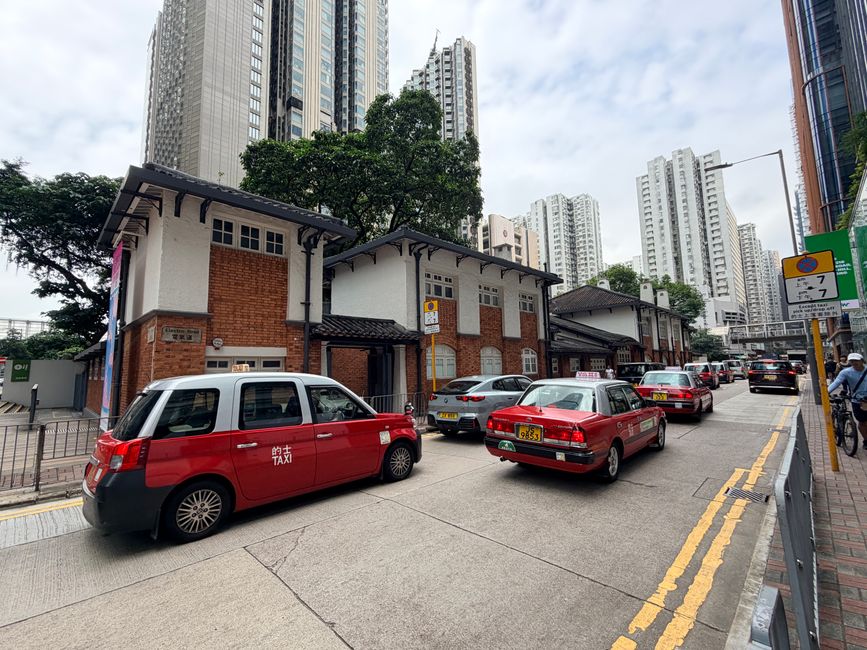
A storm knocks out the 5:14pm train from Wynyard, and every phone on that platform opens the same handful of apps inside the same minute. Nobody standing there is thinking about search intent or quality score. They’re thinking: who can get me home in the next twenty minutes, and will they actually pick up the phone.
For a taxi or hackney fleet, that minute is worth more than a month of ordinary Tuesdays. Miss it, and you don’t just lose one fare. You lose the booking app’s recommendation logic, which quietly starts sending that rider, and the next one, to whoever did answer. Throwing more budget at the problem doesn’t fix it on its own, and neither does a prettier website. If your daily cap already burned out by mid-afternoon on a plain Tuesday, or your ad schedule has no idea a storm just cancelled three train lines, you’ll see the surge in the search term report tomorrow morning. By then it’s history, not opportunity.
Here’s where most taxi and hackney accounts go wrong: they’re built like a retail account, steady spend, steady schedule, same bids every day of the week. A fleet business doesn’t run on steady. It runs on spikes: a storm, a flight delay, a bushfire evacuation notice, Friday night, school formal season, Melbourne Cup Day, a cancelled ferry on the Derwent. The account has to flex with the city, not with a calendar someone set up once and forgot about. That’s the whole gap between a fleet that catches the surge and one that only reads about it afterwards. What follows starts with what has to already exist, then the campaign build itself, then the places this usually comes apart.
What has to be true before a Sydney storm surge ever reaches your Google Ads account
Before anyone touches campaign structure, a handful of things need to already be sitting there working. Skip these and your account can look perfectly healthy in the dashboard while the phone still goes unanswered on the ground.
-
Call tracking numbers, one per landing page or ad group, feeding straight back into Google Ads as a measured conversion, not just a number painted on the page.
-
A Google Business Profile that’s actually filled in: service area, fleet type (sedan, maxi, wheelchair-accessible), current hours, and wait-time estimates if your dispatch software can push them.
-
Separate landing pages built by job, not one generic contact form for everyone: airport transfer, wheelchair-accessible and NDIS-funded trips, corporate accounts, and standard local rides.
-
A GST-exclusive daily budget figure that matches what’s genuinely in the account, not the round number a pitch deck suggested.
-
A hard definition of what counts as a conversion: a completed booking, not a ring nobody picked up.
-
Dispatch capacity mapped hour by hour, because running ads for a surge you can’t physically service just trains a reputation for not answering, and that follows you.
The GST point trips up more fleets than you’d expect. Most owners budget in GST-inclusive terms out of habit, because that’s how every other invoice in the business works. Google’s billing isn’t GST-inclusive in the way your head is doing the maths. If your bookkeeper reconciles against the inclusive figure, your real daily spend capacity is already smaller than what the account dashboard implies, and you find that out the hard way during the exact week you needed every dollar working.
Dispatch capacity matters just as much. A four-car operation running search ads at 2am, with nobody rostered on, isn’t generating fares. It’s generating missed calls, and missed calls erode the call-answer-rate signal that platforms and Google both quietly track. Know your real capacity by hour before you decide where the ad spend should be heaviest.
Setting up a Google Ads account that gets busier exactly when the city does
This is the part that actually matters: the structure. Most of what separates a fleet that wins the storm-surge fare from one that doesn’t comes down to how the account is built, not how much is in it.
How-to
- 1Split campaigns by rider intent, not just by suburb. Build separate campaigns for airport transfers, wheelchair-accessible and NDIS-funded trips, corporate accounts, late-night and safety-focused rides, and standard local bookings. Each one has a different urgency level and should bid differently.
- 2Build your negative keyword list before launch, not after the first invoice. Taxi accounts leak spend on "taxi driver jobs near me," "taxi licence for sale," "fare calculator," and "complaint." Add these at the account level so they block across every campaign automatically.
- 3Set ad scheduling to match real demand windows: early morning airport runs, school pickup, Friday and Saturday night, and known event days like Cup Day or the local show weekend. Raise bid adjustments for those windows rather than running flat bids around the clock.
- 4Wire in call tracking with a unique number per campaign, and import call conversions back into Google Ads. Define a qualified call as connected and over 60 seconds, not just a ring, so Smart Bidding isn't learning from noise.
- 5Build a disruption response, even a manual one. In markets exposed to East Coast Lows, flood-closed train lines, or bushfire smoke warnings during the Nov-March season, have someone check the Bureau of Meteorology and the local transit app and lift daily budget caps for 24 to 48 hours when a disruption alert fires.
- 6Write ad copy for the moment, not just the service. "Stranded after a cancelled train" needs different headlines than "pre-booked airport transfer." Match the emotional register of the search to the ad that shows up for it.
- 7Send each ad to the landing page built for that exact job. The wheelchair-accessible and NDIS page should mention plan-managed bookings by name. The corporate page should offer an account sign-up, not just a phone number.
- 8Turn on first-party conversion matching so the signal loss from ad blockers and browser privacy settings doesn't quietly degrade your bidding data without you noticing.
- 9Set budget pacing rules that don't let a quiet week's automatic optimisation cap your spend right before the next surge. A fleet's demand pattern is lumpy by design, and the bidding system needs room to react to that, not smooth it away.
- 10Review the search term report weekly for the first month, then fortnightly, pruning anything that looks like a job seeker, a researcher, or a definitely-not-a-rider, before it has the chance to eat another week of budget.
DIY tools for this section
If building and maintaining this structure sounds like a second job on top of running the fleet, it usually is. HeyLead’s paid search team builds exactly this kind of weather-aware, intent-split account for operators who don’t have a spare day a week to sit in bid management.
Get a free marketing audit. We review your search, ads, and landing pages and send back what to fix first.
Get a free audit

Where taxi and hackney accounts quietly leak fares
Most of the accounts we look at don’t fail because of one dramatic mistake. They fail because of three or four small habits that compound, month after month, without anyone noticing on a surface-level dashboard check.
-
Treating every call as a conversion. Half of them are “are you open right now” queries from people who hang up the second they hear a wait time, and counting those as wins tells your bidding algorithm to chase the wrong signal.
-
One generic landing page for every job. An NDIS plan manager lands on a form that never mentions accessible vehicles, assumes it’s the wrong business, and leaves. That page should have converted at a much higher rate than it does.
-
Flat daily budget caps on a business that isn’t flat. The account exhausts spend by 2pm on a quiet Tuesday and goes dark right when a storm hits at 5pm, which is precisely the moment it was supposed to be working hardest.
-
Broad match keywords running without a built-out negative list, quietly burning spend on job seekers, licence transfers, and fare complaints instead of riders who need a car.
-
No after-hours answering plan behind 24-hour ads. Ads that run around the clock while nobody picks up after 9pm don’t just lose the fare, they train the platform to treat the business as slow to respond, which drags down performance on every other time slot too.
-
Relying only on in-platform conversion numbers without cross-checking against the dispatch system’s actual trip log, so a reporting glitch or a duplicate conversion sits unnoticed for months.
The landing page problem is the one most owners underestimate, because the page looks fine when you glance at it yourself. If you want to see exactly where riders stall, whether they’re dropping off before reaching the form or abandoning after they see a fare estimate, tools like HeyLead Insights show session recordings and scroll depth so you’re working from what people actually did on the page, not a guess about what they probably did.
What owner-drivers say about the week the trains stopped running
“Every wet week, the phone rings itself off the hook for a couple of hours and then goes dead quiet. We never used to touch the budget for that, we just let it ride on the same daily cap as any other day.” - Owner, six-car taxi fleet, Sydney
“People ask whether we handle NDIS plan-managed trips before they even ask the fare. That page didn’t exist a year ago, and now it’s the one we point people to first.” - Operations manager, regional hackney service

FAQ
Is it worth running Google Ads for a taxi business when Uber and Ola already dominate the results?
Yes, for the intents rideshare apps don’t own as cleanly. “Wheelchair accessible taxi Brisbane,” “corporate taxi account Melbourne,” and “airport transfer Gold Coast” are searches with less app competition and a clearer path to a phone call. Pair that with brand defence on your own name and you’re fighting on ground you can actually win.
How much should a small fleet budget for PPC in Australia?
There’s no single number that fits every fleet, and anyone who quotes one before seeing your account, your call volume, and your service area is guessing. Most independent operators we see start conservatively, work out a real cost per qualified call within the first month or two, and then scale the campaigns that are actually producing booked trips.
Should we bid on competitor platform names like Uber or Ola?
Generally it’s a weak use of budget. Those searchers are already committed to a platform, and you’re unlikely to pull them away with a search ad. Spend that money on the intent gaps, corporate accounts, accessible vehicles, airport runs, where you’re not fighting an app with a billion-dollar marketing budget.
Do we need Meta Ads as well, or is Search enough?
Search captures someone at the exact moment they need a ride, which is where most of your budget should sit. Meta earns its keep for building corporate account relationships over time and retargeting people who visited your booking page without finishing it. It’s not where you win the stranded-on-the-platform moment.
How do we know our call tracking numbers are actually accurate?
Cross-check the dispatch log against what Google Ads reports as calls, monthly at minimum. Watch for duplicate conversions firing from both a call extension click and a separate website call, which is a common reason reported call volume looks better than the trip log supports.
Putting it to work
Start this week by pulling the last 60 to 90 days of your search term report next to your dispatch call log, side by side. Mark which search terms actually turned into an answered, qualified call and which ones just rang out or clearly weren’t a rider at all. It takes an afternoon, and it tells you immediately whether your budget is chasing storm-surge demand or just chasing noise.
If what you find is an account that can’t tell the difference between a job seeker and a stranded commuter, or a daily cap that runs dry before the city’s busiest hour even starts, that’s exactly the kind of ongoing account work HeyLead takes off a fleet owner’s plate: building the dayparting, the budget pacing, and the call-tracking setup, then watching it week to week so you’re not relearning this every time the weather turns. Chat with us on WhatsApp.
Free marketing audit, or reach Martin directly:
Get a free audit Connect on WhatsApp · [email protected]